The Rise of Esports: From Basement Hobby to Global Phenomenon
Introduction: The Birth of a Digital Revolution
Once seen as a niche hobby confined to dimly lit rooms and pixelated screens, Esports has evolved into a billion-dollar industry that rivals traditional sports in popularity, production quality, and fan engagement. What began as small LAN parties and casual arcade competitions in the late 20th century has transformed into a stage where elite players compete for millions, watched by audiences that fill stadiums and stream online in the tens of millions.
The story of Esports is not just about gaming—it’s a reflection of human innovation, culture, and the unrelenting drive to compete in any arena, digital or physical.
The Early Days: When Gaming Met Competition
In the 1970s and 1980s, gaming was still in its infancy. Arcade machines like Space Invaders and Pac-Man defined an era where the highest score on a glowing screen meant everything. In 1980, Atari hosted the Space Invaders Championship, attracting over 10,000 players across the United States—a remarkable feat for its time. This event is often cited as the first major Esports tournament.
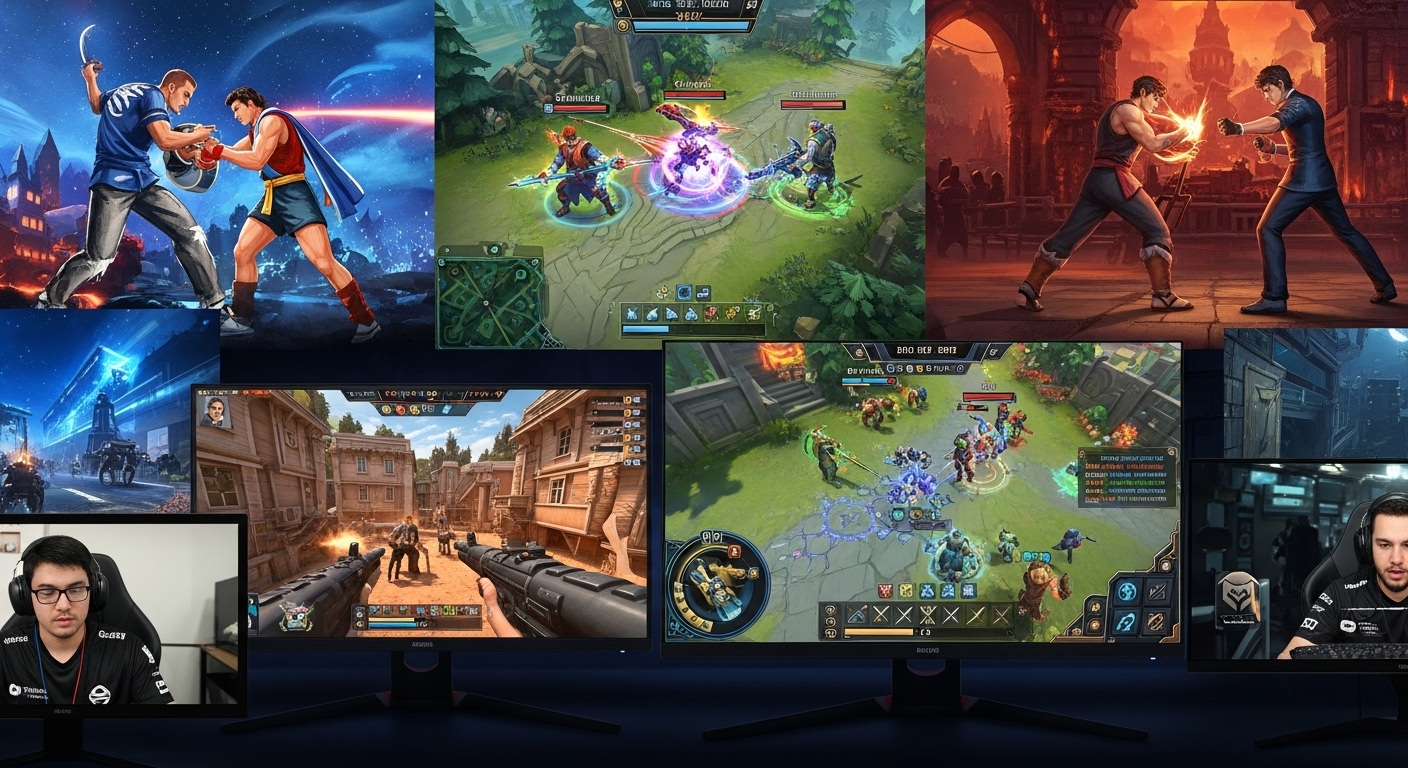
As technology advanced, so did gaming culture. The 1990s brought personal computers and consoles like the Super Nintendo and Sega Genesis, allowing multiplayer gaming at home. Games like Street Fighter II, GoldenEye 007, and Quake became early competitive favorites. Local tournaments began appearing in arcades and community centers, setting the stage for what would eventually become organized global competitions.
The LAN Party Era: The Roots of Modern Esports
Before high-speed internet made online play seamless, gamers relied on LAN (Local Area Network) setups. These gatherings were as much social events as they were competitive ones. Groups of players would bring their bulky monitors and towers to garages, basements, or rented halls to compete and connect directly.
Titles like StarCraft, Counter-Strike, and Warcraft III flourished in this environment. South Korea, in particular, embraced StarCraft as a national pastime, laying the foundation for professional gaming. Players like Lim “BoxeR” Yo Hwan became household names, and television networks began broadcasting matches. The seeds of the professional Esports ecosystem had been planted.
The Internet Age: Streaming and the Democratization of Gaming
The early 2000s ushered in broadband internet, transforming gaming into a global, connected experience. Online platforms allowed players from across continents to face off without leaving their homes. Competitions became more frequent, accessible, and scalable.
But perhaps the most transformative development was streaming. Platforms like Twitch and later YouTube Gaming democratized access to both content and audiences. No longer was Esports confined to television; anyone with a decent connection could watch live tournaments or even stream their own gameplay. This open visibility fueled explosive growth.
Games such as League of Legends, Dota 2, and Call of Duty built thriving competitive ecosystems. Suddenly, Esports wasn’t just for the hardcore—it was entertainment for the masses.
The Professionalization of Esports
With growing audiences came investment. Sponsorships, advertising deals, and dedicated organizations began shaping Esports into a structured industry. Professional teams like Team Liquid, Fnatic, and Cloud9 built brands comparable to traditional sports franchises. These organizations managed rosters, training facilities, coaching staff, and even analysts.
Prize pools skyrocketed. The International 2019, Dota 2’s flagship tournament, reached a prize pool of over $34 million, a figure that eclipsed many mainstream sporting events. Players who once competed for recognition now earned six-figure salaries, endorsement deals, and celebrity status.
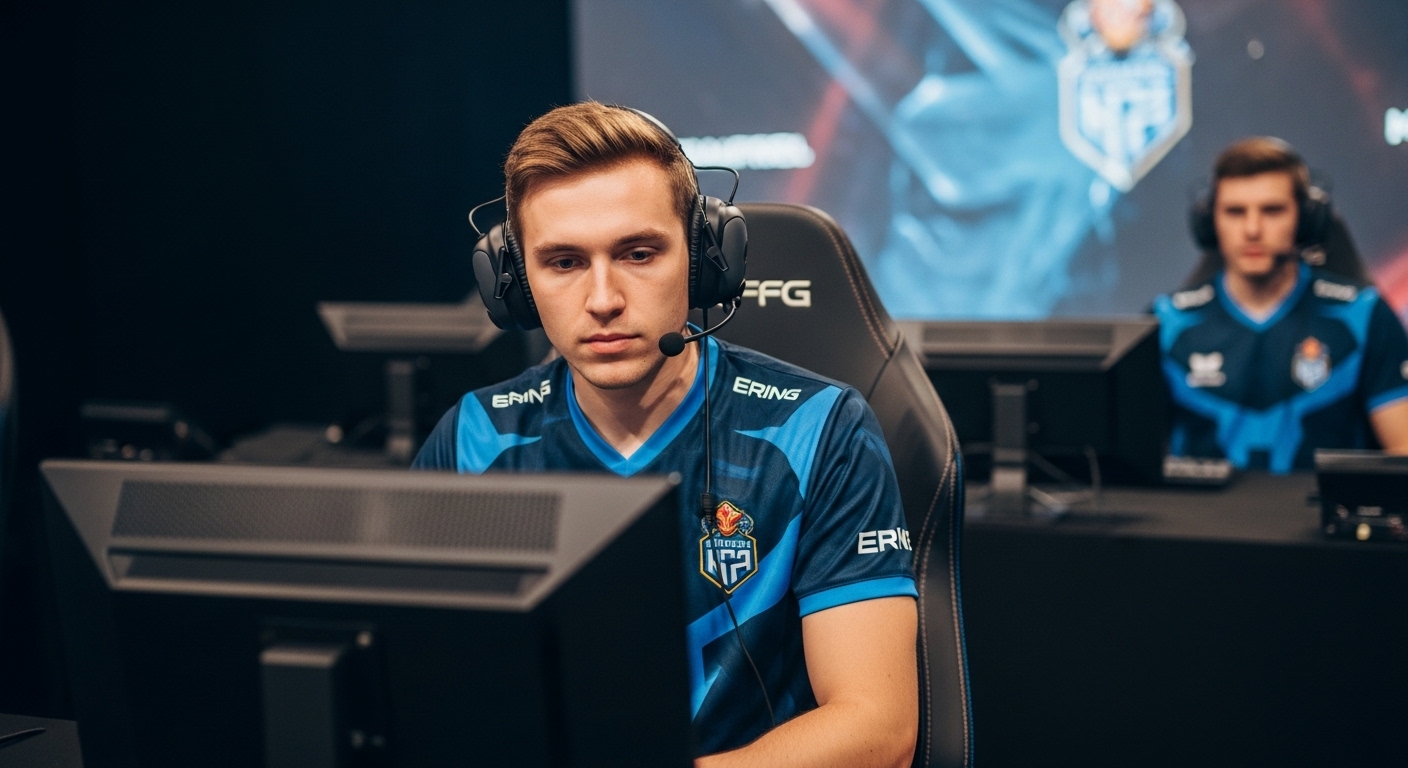
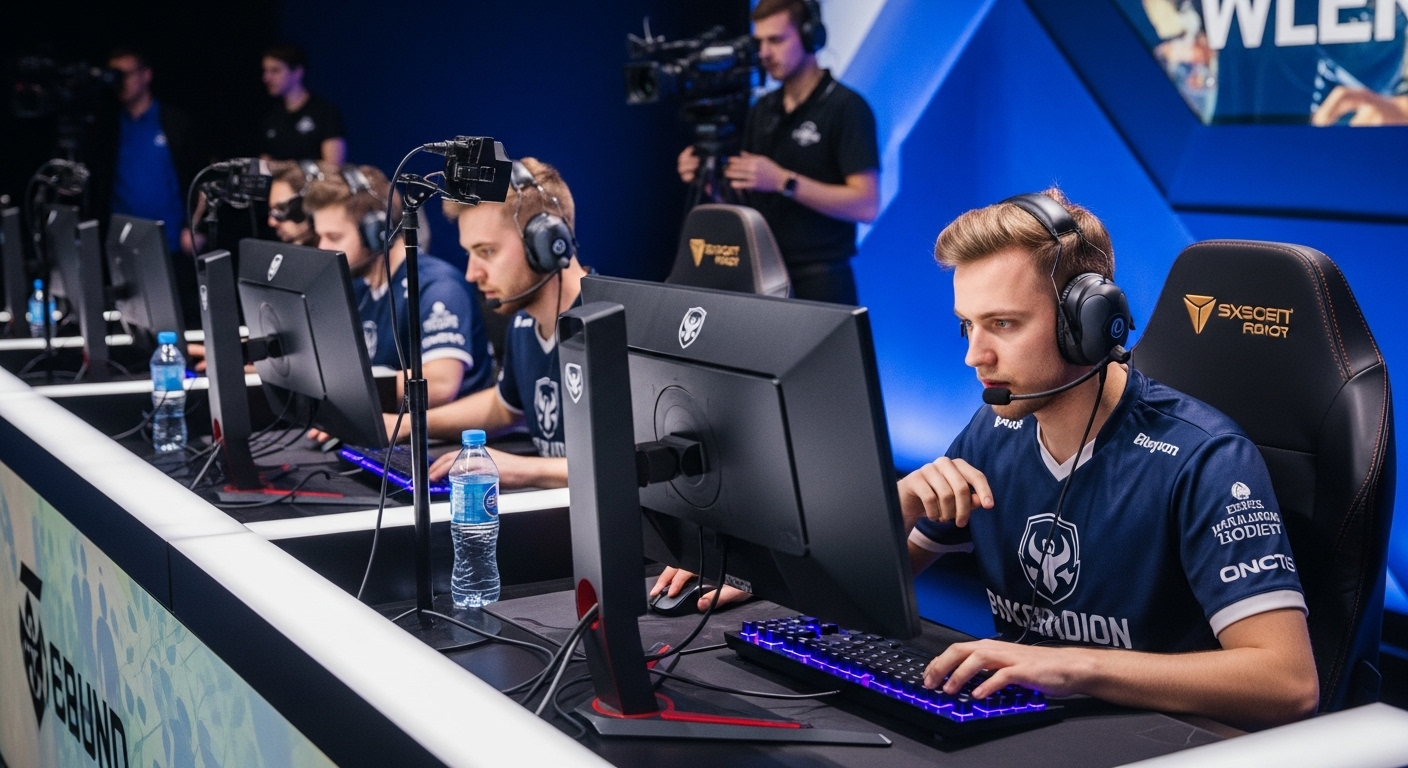
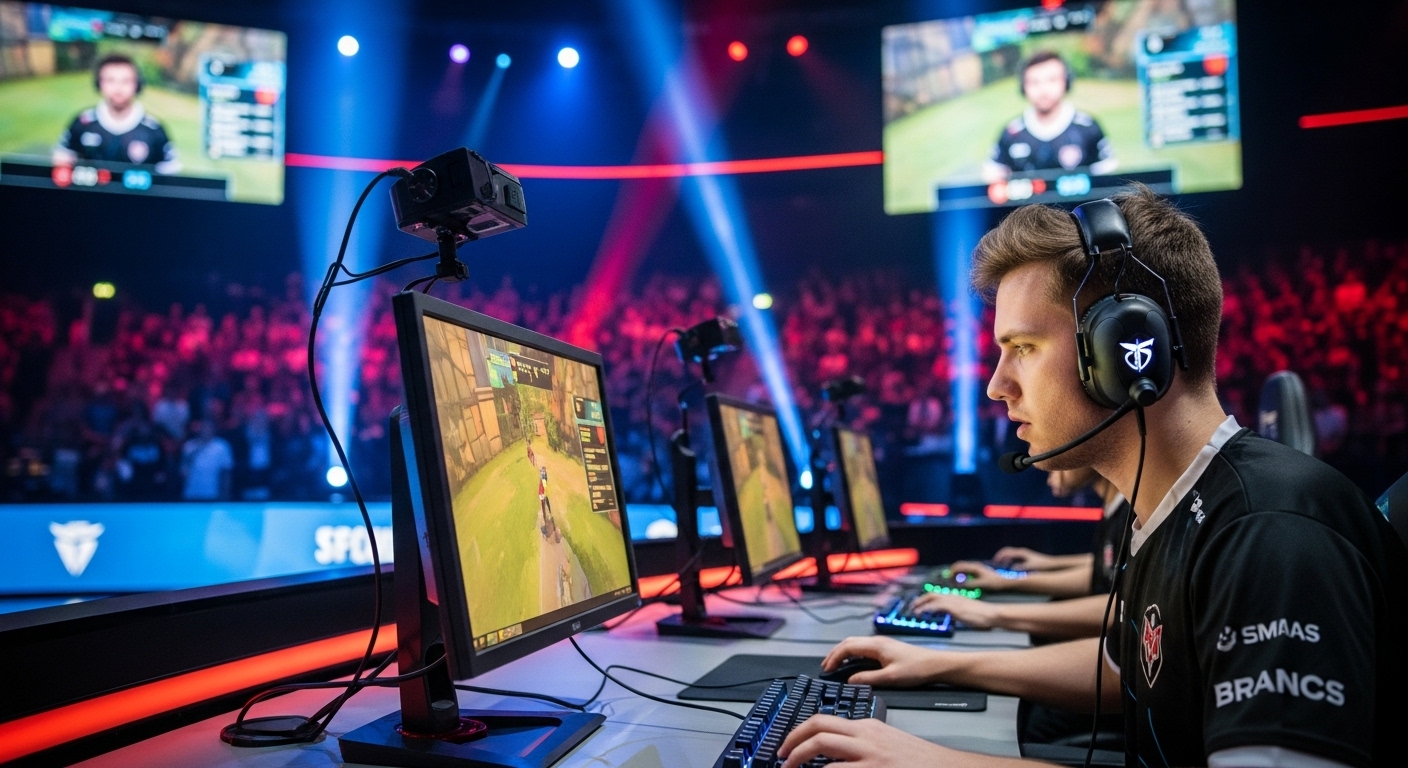
This professionalization also extended to broadcasting and production quality. Esports events today rival the Super Bowl or FIFA World Cup in spectacle, complete with commentators, analysts, and elaborate stage designs.
Esports Titles That Shaped the Industry
Different eras of Esports have been defined by their standout titles—games that captured audiences and elevated competitive gaming to new heights.
Counter-Strike: The Tactical Titan
Since its debut in 1999, Counter-Strike has remained one of the most enduring Esports titles. Its balance of precision, teamwork, and strategy makes it a cornerstone of competitive gaming.
League of Legends: The Global Phenomenon
Released in 2009, League of Legends reshaped Esports by standardizing seasonal leagues and world championships. Riot Games’ consistent updates and storytelling fostered a massive community and an Esports structure envied across industries.
Dota 2: The Prize Pool King
Known for its complexity and community-driven funding model, Dota 2 continues to set financial records with The International. It’s both a technical masterpiece and a showcase of player creativity.
Fortnite: The Pop Culture Crossover
Epic Games’ Fortnite blurred the line between gaming and entertainment. Its Esports tournaments combined flashy production with celebrity appearances, making it accessible to younger audiences and mainstream media alike.
Valorant, Overwatch, and the New Age
Modern shooters like Valorant and Overwatch introduced hero-based gameplay, blending strategy with unique character abilities. These titles represent Esports’ future—accessible, stylish, and broadcast-ready.
The Globalization of Esports
Esports has transcended borders. South Korea’s early dominance gave way to new powerhouses: China, North America, and Europe. Nations like Brazil and the Philippines have emerged as rising forces, producing players and organizations that compete at the highest level.
Governments, once skeptical, now recognize Esports as legitimate sports. Some countries even grant visas to professional players, acknowledging them as athletes. Universities worldwide offer Esports scholarships, and entire academic programs study its business, culture, and psychology.
The inclusivity of Esports is unparalleled. A gamer in Nairobi can face off against an opponent in Oslo with nothing more than a PC and an internet connection. It’s a truly global language of competition.
The Business of Esports
Behind the flashing lights and roaring crowds lies a sophisticated business ecosystem. Esports revenue streams include sponsorships, media rights, merchandise, ticket sales, and in-game purchases. Global brands like Intel, Red Bull, and Mercedes-Benz now partner with teams and events, treating Esports as seriously as any traditional sport.
Franchise leagues—such as the Overwatch League and Call of Duty League—have introduced stability through structured teams, city affiliations, and revenue sharing. While challenges remain, such as sustainability and profitability, the trajectory is undeniably upward.
Esports also powers a massive content industry. Streamers, analysts, and content creators produce daily videos, podcasts, and documentaries. The ecosystem extends beyond the tournaments—it’s a full-fledged entertainment network.
Technology and Innovation: The Backbone of Esports
The success of Esports hinges on technology. High-refresh monitors, optimized internet infrastructure, and sophisticated anti-cheat systems ensure fair and thrilling competition. Virtual reality, augmented reality, and cloud gaming promise to push Esports into new frontiers.
Analytics tools track player performance frame-by-frame. Artificial intelligence helps design fair matchmaking systems and predict strategies. Even virtual production techniques—like augmented crowds and holographic effects—enhance the viewing experience.
Moreover, Esports has become a testing ground for broader tech trends. Game developers use Esports feedback loops to improve design, balancing, and user engagement. In many ways, Esports represents the cutting edge of the digital entertainment landscape.
The Role of Community: Passion, Fandom, and Culture
At the heart of Esports lies its community. Fans don’t just watch—they participate. Memes, fan art, and grassroots tournaments sustain the culture year-round. Online forums, Discord servers, and Reddit threads buzz with discussions about patch notes, strategies, and favorite players.
Cosplay, conventions, and fan meetups blur the boundaries between spectators and creators. This participatory culture gives Esports a vibrancy that few industries can match.
Unlike traditional sports, Esports fandom isn’t bound by geography. A teenager in India might cheer for a European League of Legends team or a North American Valorant squad. Identity in Esports is digital, fluid, and inclusive.
The Challenges Facing Esports
Despite its rapid ascent, Esports faces significant challenges. Player burnout is one of the most pressing issues. The demands of constant travel, training, and competition can take a toll on mental and physical health. Unlike traditional athletes, Esports players often retire young due to stress or repetitive strain injuries.
Monetization remains uneven. While top organizations thrive, smaller tournaments and teams struggle for financial sustainability. The over-saturation of new games and leagues also risks audience fatigue.
Integrity issues—such as match-fixing, cheating, and inconsistent regulations—pose ongoing threats. Establishing standardized governance is crucial for maintaining credibility as the industry matures.
Women in Esports: Breaking Barriers
For years, Esports was seen as a male-dominated field. But the tide is turning. Women are increasingly visible as players, casters, analysts, and organizers. Competitions like Valorant Game Changers and initiatives promoting inclusivity have empowered female participation.
Beyond competition, women are shaping Esports as executives, coaches, and content creators. Representation matters—and as visibility grows, Esports becomes a more inclusive space that mirrors the diversity of its audience.
The Educational and Career Ecosystem of Esports
Esports is no longer just about playing games—it’s about understanding them. Universities offer degrees in game design, event management, and Esports business. High schools establish clubs and teams, teaching students teamwork, discipline, and strategy.
Behind every professional player stands a network of coaches, analysts, broadcasters, and technical staff. Careers in Esports now span broadcasting, journalism, data analysis, marketing, and psychology. It’s an ecosystem that employs thousands worldwide.
The Impact of Esports on Society
Esports has redefined entertainment, but its social impact runs deeper. It builds global communities, promotes digital literacy, and even fosters diplomacy. International tournaments encourage collaboration across cultures and languages.
Charity streams and tournaments raise millions for social causes, showing the power of digital communities to enact real-world change. Moreover, Esports challenges traditional notions of what a “sport” is—proving that mental agility, reflexes, and teamwork can inspire as much as physical strength.
Esports and the Future of Media
Media consumption habits have shifted dramatically. Younger audiences increasingly prefer interactive and digital entertainment over passive viewing. Esports perfectly fits this landscape—it’s live, engaging, and participatory.
Major broadcasters now compete with streaming platforms for rights to Esports events. Virtual reality viewing, interactive stats, and AI-driven commentary are redefining how audiences experience competitive gaming. The line between player, viewer, and creator continues to blur.
The Future: What Lies Ahead for Esports
The next decade promises transformation. Esports will likely integrate further with mainstream sports, education, and entertainment. As technology advances, we may see mixed-reality tournaments, AI-assisted coaching, and global leagues spanning both digital and physical arenas.
Developing regions will play a critical role. With affordable internet and mobile devices, countries in Africa, South Asia, and South America are emerging as new Esports markets. Mobile Esports titles like PUBG Mobile and Mobile Legends already attract millions.
Governance will mature, ensuring player welfare, fair competition, and sustainable growth. Esports will become not just an industry but a cultural pillar of the 21st century.
Conclusion: The Game That Never Ends
Esports is more than games—it’s the spirit of competition reimagined for the digital age. It unites people across cultures, languages, and borders. It inspires careers, innovations, and dreams. Whether played in a packed arena or streamed to millions of homes, Esports embodies the boundless creativity and connection that define modern humanity.
The controllers, keyboards, and screens may evolve—but the passion to compete, improve, and entertain will remain timeless. In the world of Esports, the game truly never ends.