The Rise and Revolution of Esports: The Digital Arena of the 21st Century
In the last few decades, the world has witnessed a technological transformation that has redefined entertainment, competition, and culture. Among these revolutions, none has been more dynamic and unexpected than the rise of esports — organized competitive gaming that has grown from small local tournaments in dimly lit rooms to international spectacles filling stadiums and watched by millions online. Esports has evolved into a billion-dollar industry that rivals traditional sports in both scale and cultural impact.
This evolution did not happen overnight. It is a story of passion, innovation, community, and the blending of technology with human ambition. From early arcade competitions to professional leagues with massive sponsorships and celebrity players, the growth of esports reflects not only changes in gaming but also in society’s perception of what competition and entertainment mean in the digital age.
The Origins of Competitive Gaming
The roots of esports stretch back further than many imagine. Competitive gaming began in the early 1970s when video games were still experimental technologies confined to universities and laboratories. One of the first known gaming competitions took place at Stanford University in 1972, featuring the game Spacewar! Students competed for a year’s subscription to a science magazine. It was a modest start, but it set the tone for what was to come — the idea that video games could be more than just casual entertainment.
In the 1980s, arcades became the battlegrounds of the digital world. Titles like Pac-Man, Donkey Kong, and Space Invaders drew massive attention, with players striving for the highest score. These were the earliest public showcases of gaming skill, and leaders were treated like local celebrities. Major companies began to recognize the appeal of competitive gaming, with Nintendo hosting the Nintendo World Championships in 1990 — a pivotal moment that brought organized gaming into mainstream consciousness.
While these early tournaments lacked the global infrastructure of modern esports, they planted the seeds of community and competition. They proved that video games could inspire the same intensity and dedication as traditional sports, and that fans were eager to watch skilled players perform at the highest level.
The Internet Era: A New Stage for Competition
The real explosion of esports came with the rise of the internet in the late 1990s and early 2000s. The ability to connect players from around the world changed everything. Games like Quake, StarCraft, and Counter-Strike pioneered online multiplayer competition. LAN parties became popular, where groups of players gathered with their computers to compete in person, creating early forms of team-based gaming culture.
StarCraft, developed by Blizzard Entertainment, became particularly significant in South Korea. It captured the imagination of an entire nation and turned gaming into a legitimate career. Professional teams were formed, players trained rigorously, and matches were broadcast on dedicated TV channels. This was the beginning of esports as a spectator sport, with fans cheering for their favorite players and analyzing strategies much like football enthusiasts.
The 2000s also saw the birth of global tournaments like the World Cyber Games and Major League Gaming, which provided platforms for professional competition and established gaming as a recognized sport. With broadband internet becoming widespread, streaming and video-sharing platforms emerged, amplifying exposure and allowing fans to follow their favorite players without geographical limitations.
The Professionalization of Esports
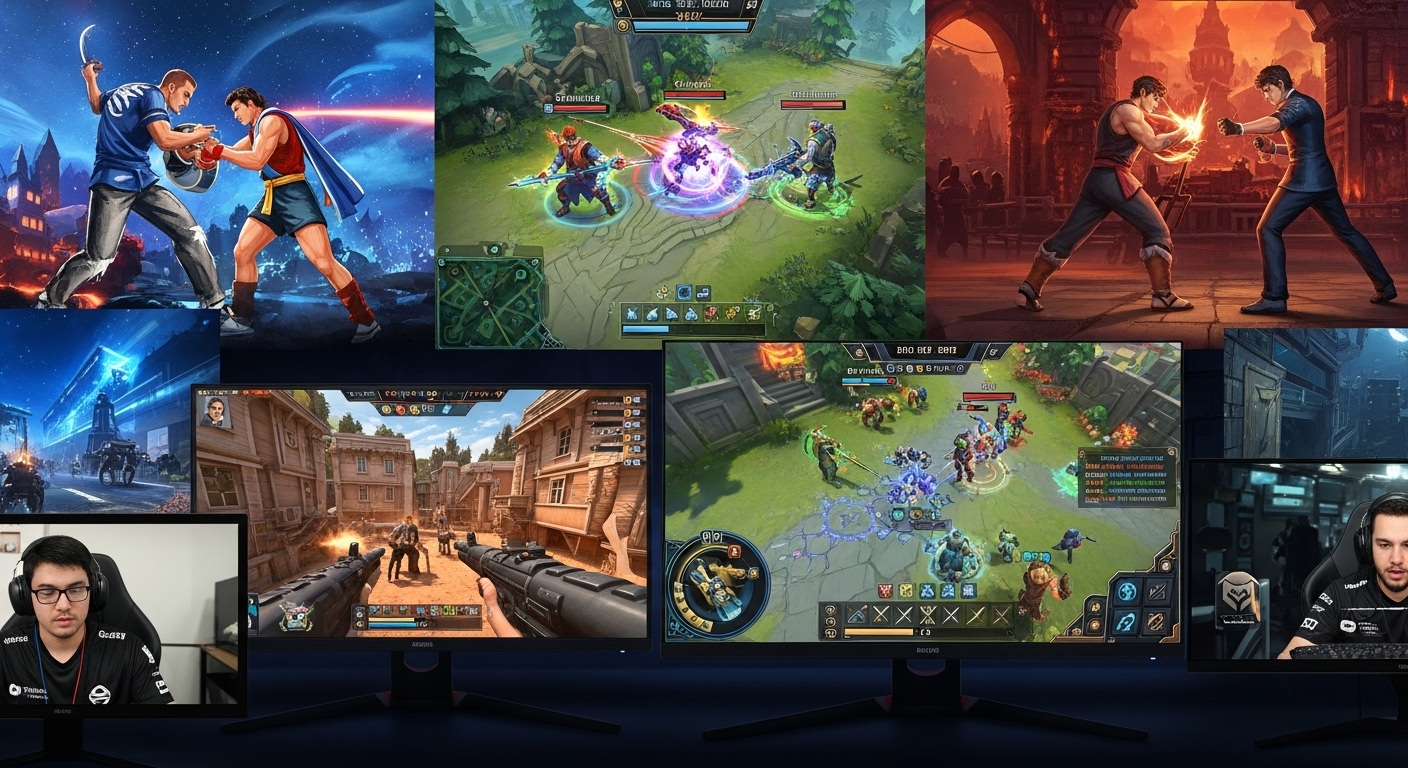
As the audience grew, so did the structure of esports. By the 2010s, the industry had become fully professionalized. Teams were formed under corporate sponsorships, players signed contracts, and tournaments offered multi-million-dollar prize pools. Games like League of Legends, Dota 2, Call of Duty, Overwatch, and Fortnite became household names, not just among gamers but among the general public.
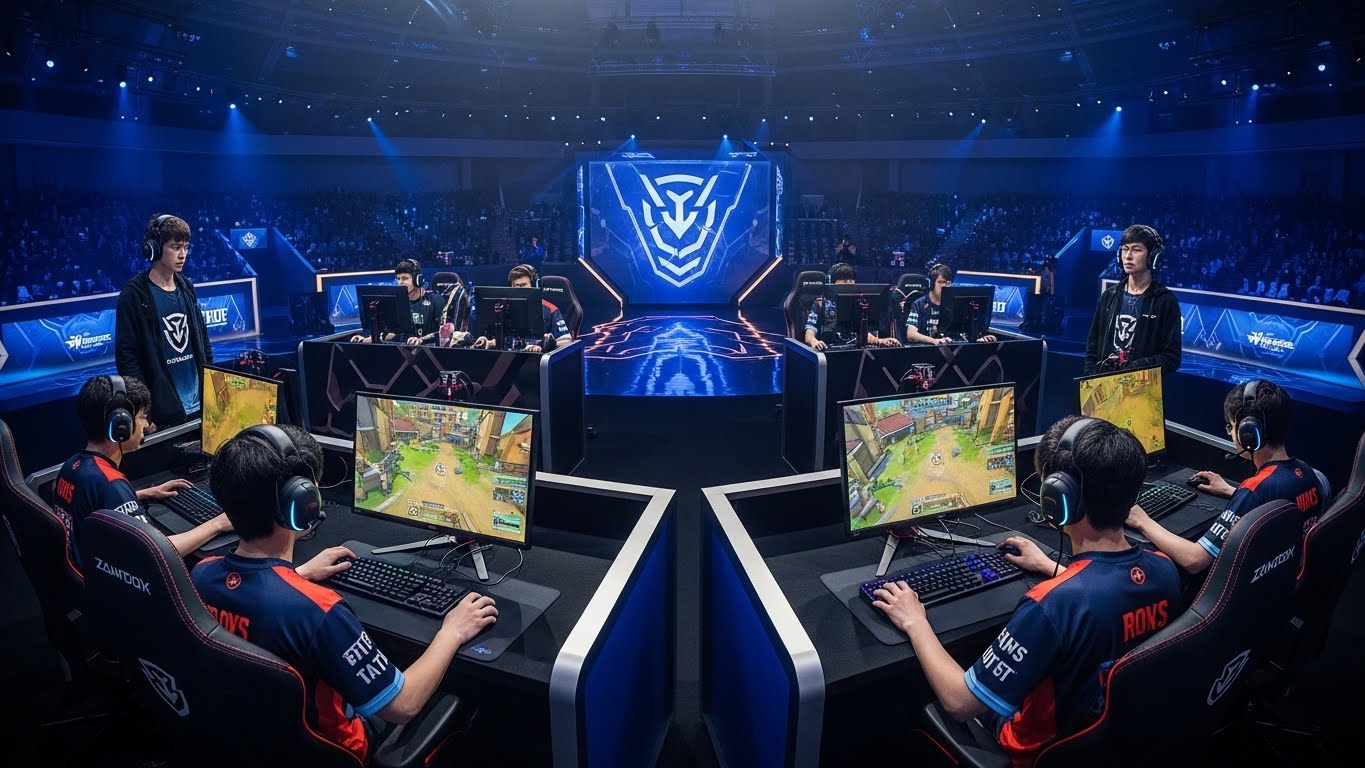
League of Legends in particular revolutionized esports organization. Its developer, Riot Games, introduced structured leagues, seasonal competitions, and franchised teams similar to those in traditional sports. The League of Legends World Championship filled entire stadiums and attracted millions of online viewers, setting records for concurrent streams.
Meanwhile, Valve’s Dota 2 set a new benchmark for prize money with its annual The International tournament. The event’s crowdfunded prize pools often exceeded tens of millions of dollars, demonstrating both the community’s engagement and the financial potential of the industry.
Players were no longer seen as hobbyists but as athletes. They trained for hours daily, practiced teamwork, studied game mechanics, and maintained strict routines to stay at peak performance. Esports organizations began to employ coaches, analysts, nutritionists, and psychologists — the same kind of support networks found in professional sports franchises.
The Role of Streaming and Digital Media
A major catalyst for esports’ rise has been the advent of streaming platforms. Services such as Twitch, YouTube Gaming, and various regional streaming networks turned gaming into a global spectacle. Viewers could watch tournaments live, follow their favorite personalities, and engage directly with players through chats and social media.
Streaming democratized esports. No longer was it necessary to be a major broadcaster or attend an event physically. Anyone with an internet connection could participate in the fandom, whether as a viewer or an aspiring player. The accessibility of content fueled exponential growth in audience size. Esports viewership now regularly surpasses that of some traditional sporting events, with global tournaments drawing audiences in the hundreds of millions.
These digital spaces also fostered the rise of individual creators who blended entertainment with competition. Streamers became influencers, commentators, and celebrities in their own right, often blurring the line between esports athletes and entertainers. The sense of community built around these figures strengthened the connection between fans and the industry, transforming esports into a lifestyle rather than just a sport.
Esports and Traditional Sports: A Converging World
Initially, traditional sports organizations viewed esports with skepticism. It was hard for many to accept that people playing video games could be considered athletes. However, over time, attitudes changed as esports demonstrated discipline, teamwork, strategy, and performance under pressure — all hallmarks of athletic competition.
Today, the worlds of traditional sports and esports increasingly intersect. Major sports franchises own or sponsor esports teams. For example, basketball and football clubs have entered the virtual arena through titles like FIFA, NBA 2K, and even crossover investments in other games. The International Olympic Committee has begun to recognize the potential of esports, with the introduction of the Olympic Esports Series, signaling a step toward broader legitimacy.
Training methods have also converged. Just as physical athletes analyze their performance through video playback, esports players review match footage to study strategies and improve. Both domains require focus, reflexes, and teamwork — only the playing field differs.
The Cultural Impact of Esports
Beyond the competition, esports has had a profound influence on modern culture. It has reshaped entertainment, communication, and even identity. The idea of being a “gamer” has shifted from a niche subculture to a mainstream identity embraced by millions.
Esports has also contributed to global cultural exchange. Players from different countries compete on the same stage, often transcending language and cultural barriers through shared passion. Events like the Overwatch League or Valorant Champions Tour bring together diverse international communities, symbolizing how gaming can unite rather than divide.
The aesthetics of esports — from colorful team logos to futuristic broadcast graphics — have also influenced fashion, music, and digital art. Collaborations between game developers, musicians, and apparel brands are now common, merging pop culture with competitive gaming. The line between digital and physical entertainment continues to blur as virtual concerts and interactive experiences become part of the esports ecosystem.
The Business of Esports
Behind the spectacle lies a complex business structure. Esports is supported by multiple revenue streams, including sponsorships, advertising, merchandise, ticket sales, and media rights. Large corporations see esports as a prime avenue to reach younger, tech-savvy audiences.
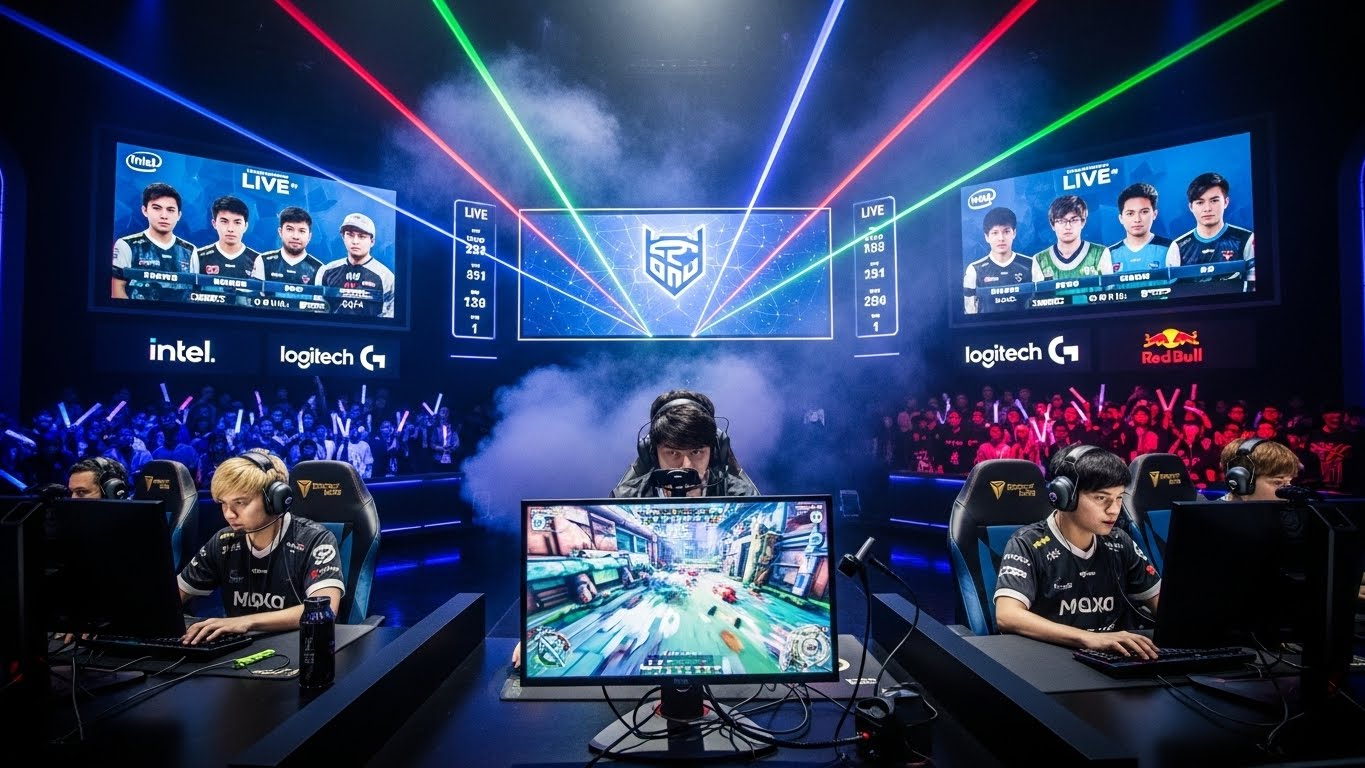
Brands ranging from technology giants to beverage companies invest heavily in esports sponsorships. Tournaments are often named after sponsors, teams wear branded jerseys, and in-game advertisements are seamlessly integrated into broadcasts. These commercial ties provide financial stability and allow the industry to expand at an unprecedented rate.
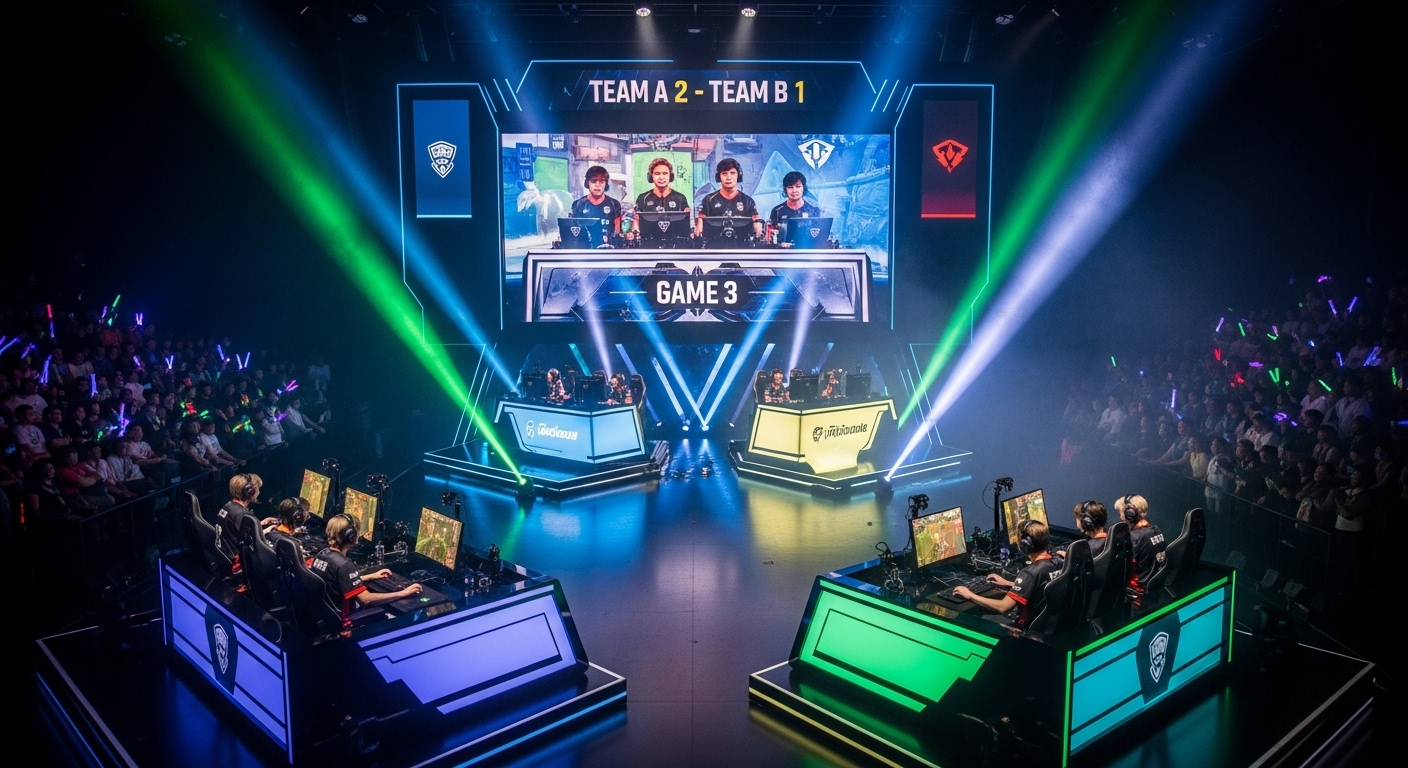
Franchised leagues, such as the Overwatch League and Call of Duty League, have introduced business models similar to professional sports leagues, with franchise fees, revenue sharing, and local team identities. Cities now host esports arenas, and dedicated facilities for training and events are being constructed worldwide.
At the same time, grassroots tournaments continue to thrive, ensuring that the competitive spirit remains accessible to all. Amateur players can rise through the ranks to professional levels, maintaining the dream that skill and dedication can transform anyone into a global star.
Challenges Facing the Esports Industry
Despite its explosive growth, esports faces several challenges. One major concern is sustainability. The industry’s reliance on specific game titles means that popularity can shift quickly. If a game loses its player base, the competitive scene can collapse, affecting teams, sponsors, and players.
Player health is another pressing issue. The intense training schedules, long hours of screen time, and mental pressure can lead to burnout, stress, and physical strain. Organizations are becoming increasingly aware of these risks and are investing in player welfare programs, but the issue remains prevalent.
Monetization and fair compensation are also debated topics. While top players earn substantial salaries and endorsements, many lower-tier professionals struggle to make a living. The industry is still developing its labor standards and governance structures.
Another challenge is maintaining competitive integrity. Issues such as cheating, match-fixing, and the use of third-party software have occasionally plagued tournaments. Strict regulations and advanced anti-cheat systems are being developed to preserve fairness, but the battle between cheaters and developers continues.
Finally, diversity and inclusion remain ongoing discussions in esports. While the community is vast and global, female representation and accessibility for marginalized groups are areas that need continued focus. Efforts are being made to make esports welcoming for everyone, but progress is gradual.
The Educational and Social Potential of Esports
Beyond entertainment, esports has educational and social value. Many schools and universities now include esports programs, offering scholarships and degrees in game design, broadcasting, and management. Esports encourages critical thinking, problem-solving, communication, and collaboration — skills that extend far beyond the digital realm.
Esports clubs in schools create inclusive communities where students who might not engage in traditional athletics can still experience teamwork and competition. The strategic depth of many games fosters cognitive development, while the global nature of esports promotes cultural awareness.
Furthermore, esports offers career opportunities beyond playing. The industry requires coaches, analysts, commentators, event organizers, marketers, and content creators. As the ecosystem grows, it continues to open doors for innovation and professional development across numerous disciplines.
The Future of Esports
Looking forward, the future of esports appears both promising and dynamic. Advances in technology such as virtual reality, augmented reality, and cloud gaming will redefine how games are played and viewed. These innovations could make the experience more immersive for both players and fans.
The integration of artificial intelligence in training tools will help players analyze performance data more efficiently. Meanwhile, cross-platform play and global server networks will continue to make esports more accessible, connecting even more players worldwide.
Esports is also likely to see deeper integration with traditional entertainment industries. We can expect more crossover events, films, documentaries, and even mixed-reality experiences that merge esports with live performance art. The boundary between player and spectator may blur further as interactive technologies allow audiences to influence events in real time.
At the same time, ethical and structural development will be crucial. For esports to sustain its growth, it must ensure fair competition, player welfare, and inclusivity. Organizations, developers, and communities must collaborate to create an environment where esports thrives not just as a business but as a respected global culture.
Conclusion: The Digital Legacy of Esports
Esports represents more than just competitive gaming. It is a reflection of how technology and humanity intersect to create new forms of expression, community, and excellence. It has transformed from a hobby into a global movement, shaping how we define sportsmanship, teamwork, and success in the digital era.
The journey of esports — from small tournaments in university labs to sold-out arenas — embodies the power of innovation and the human desire to compete and connect. Its impact stretches beyond screens, influencing education, culture, and even the economy.
As the world continues to evolve, so too will esports. It stands as one of the defining phenomena of the 21st century, a symbol of how digital interaction can build real-world communities and inspire generations. The arena may be virtual, but the passion, skill, and dedication of those who compete are as real as any sport in history.