The Evolution and Impact of Esports: A Cultural and Technological Phenomenon
Introduction
In the past two decades, one of the most significant shifts in the entertainment and sports industries has been the meteoric rise of esports. From small, grassroots competitions to global tournaments attracting millions of viewers, esports has transformed into a multi-billion-dollar industry, challenging the boundaries of traditional sports and entertainment. But what exactly is esports, and why has it captured the attention of millions around the world? In this post, we will explore the history, cultural impact, technological advancements, and the future of esports.
What is Esports?
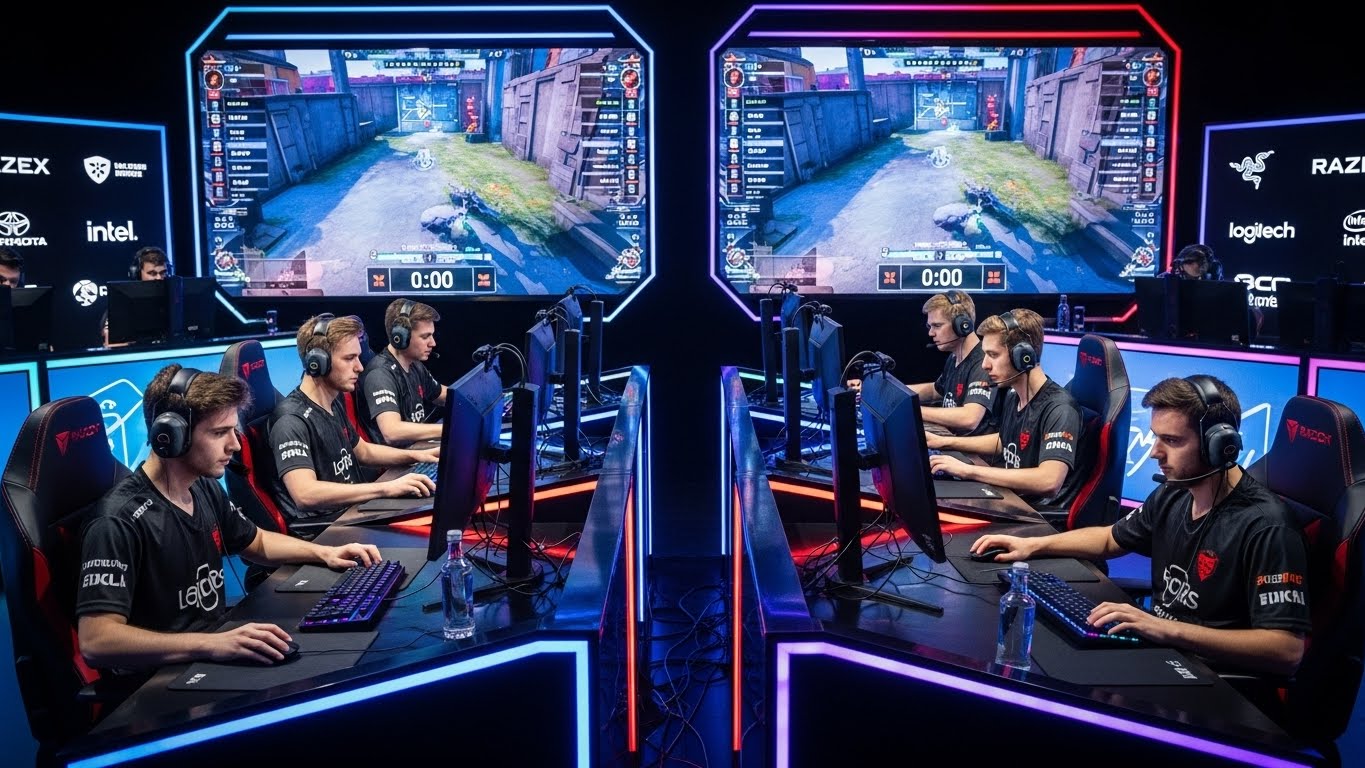
Esports, short for electronic sports, refers to organized, multiplayer video game competitions, particularly between professional players, individually or as teams. While casual gaming has existed for decades, esports elevates gaming to a competitive, professional level, often involving substantial prize pools, sponsorships, live streaming, and global tournaments. Esports encompasses a wide range of video game genres, including first-person shooters (FPS), real-time strategy (RTS), multiplayer online battle arenas (MOBAs), and sports simulation games.
The Birth and Rise of Esports
The origins of esports can be traced back to the early 1970s, when the first gaming tournaments were held, but it was in the late 1990s and early 2000s that esports began to truly take shape. The introduction of high-speed internet and the growing popularity of multiplayer games set the stage for the first wave of competitive gaming.
Early Tournaments
The first major esports tournament occurred in 1997 with the “Red Annihilation” tournament, a Quake competition that gave rise to the concept of esports as we know it. However, esports didn’t achieve widespread recognition until the late 2000s, when titles such as Warcraft III and StarCraft began to dominate the competitive gaming scene. These games, along with Counter-Strike, Dota, and League of Legends, were crucial in developing the infrastructure and culture of esports.
The Growth of Online Platforms
The emergence of online platforms such as Twitch and YouTube, coupled with the increasing availability of high-speed internet, played a critical role in the growth of esports. Streaming services allowed fans to watch live tournaments from the comfort of their homes, while also creating a space for amateur players to showcase their skills. In 2011, Twitch was founded, and by 2014, it had become the leading platform for esports streaming, boasting millions of active viewers and hours of content watched daily.
Key Esports Titles and Their Impact
Over the years, certain games have become synonymous with esports. These games not only introduced innovative gameplay mechanics but also brought together global communities of players and fans.
League of Legends
League of Legends (LoL), developed by Riot Games, is one of the most influential and successful esports titles in history. Released in 2009, LoL quickly became the king of MOBAs. The game’s competitive scene grew exponentially, with the League of Legends World Championship becoming one of the most-watched esports events globally. LoL’s accessibility, frequent updates, and highly competitive nature have contributed to its long-lasting success.
Dota 2
Another MOBA that has played a pivotal role in the evolution of esports is Dota 2, developed by Valve. The International, Dota 2’s premier tournament, boasts one of the largest prize pools in esports, often surpassing $30 million. The game’s complex mechanics, strategic depth, and passionate community have made it a cornerstone of the esports ecosystem.
Counter-Strike: Global Offensive
Counter-Strike: Global Offensive (CS:GO) is one of the longest-running competitive FPS games in esports. Since its release in 2012, CS:GO has continued to captivate players and fans alike with its tactical gameplay, requiring both individual skill and teamwork. The game’s consistent updates and the existence of professional leagues, such as ESL and DreamHack, have helped it maintain a significant presence in the esports landscape.
Fortnite
Fortnite, developed by Epic Games, introduced a new era for battle royale games in esports. Although its competitive scene is relatively young, Fortnite’s large player base, streaming popularity, and high-stakes tournaments, like the Fortnite World Cup, quickly garnered attention. With its cross-platform play and free-to-play model, Fortnite introduced new possibilities for accessibility in esports.
Call of Duty
The Call of Duty series, known for its fast-paced FPS action, has been an integral part of esports for over a decade. The Call of Duty League, established in 2020, has brought professional Call of Duty players into the limelight, with teams competing for significant prize pools in a franchise league model similar to traditional sports.
Esports Infrastructure: Teams, Leagues, and Tournaments
The growth of esports can be attributed not only to the players but also to the development of a professional infrastructure. Esports organizations have formed to recruit top players, manage teams, and host tournaments. These organizations function like traditional sports teams, offering training, sponsorships, and media representation.
Professional Teams and Players
Esports teams, such as T1 (formerly SK Telecom T1) in League of Legends, Team Liquid in Dota 2, and Astralis in CS:GO, have become household names in the competitive gaming community. These teams recruit top-tier players and compete in various tournaments year-round. Players, some of whom are paid salaries, receive sponsorships from major brands, creating an entire ecosystem around esports professionals.
Leagues and Tournaments
Esports has become highly organized with major leagues and tournaments. Titles such as League of Legends, Overwatch, and Call of Duty feature annual seasons with regular competitions leading up to large-scale championship events. In particular, The International (Dota 2), Worlds (League of Legends), and ESL One (CS:GO) have become iconic tournaments, attracting millions of viewers and providing multi-million dollar prize pools.
One of the most impressive developments in esports has been the rise of esports franchises. These league structures, such as the Overwatch League and Call of Duty League, have adopted a model similar to traditional sports, with franchised teams that play in a city-based format, offering stability and long-term investment for both players and fans.
The Role of Technology in Esports
Technology has been a driving force behind the growth of esports, enabling more sophisticated games, seamless online play, and immersive viewing experiences. The development of powerful gaming PCs, high-definition displays, and fast internet connections has paved the way for esports tournaments to run smoothly, while innovations in virtual reality (VR) and augmented reality (AR) are opening up new possibilities for the future of competitive gaming.
Game Streaming and Broadcasting
The rise of streaming platforms like Twitch and YouTube has been crucial for esports. Live streaming allows fans to watch tournaments in real-time, interact with players and commentators, and even bet on matches. This has helped esports build a strong, interactive fan base, and streaming services now act as both the broadcast and social hub for esports.
Hardware and Software
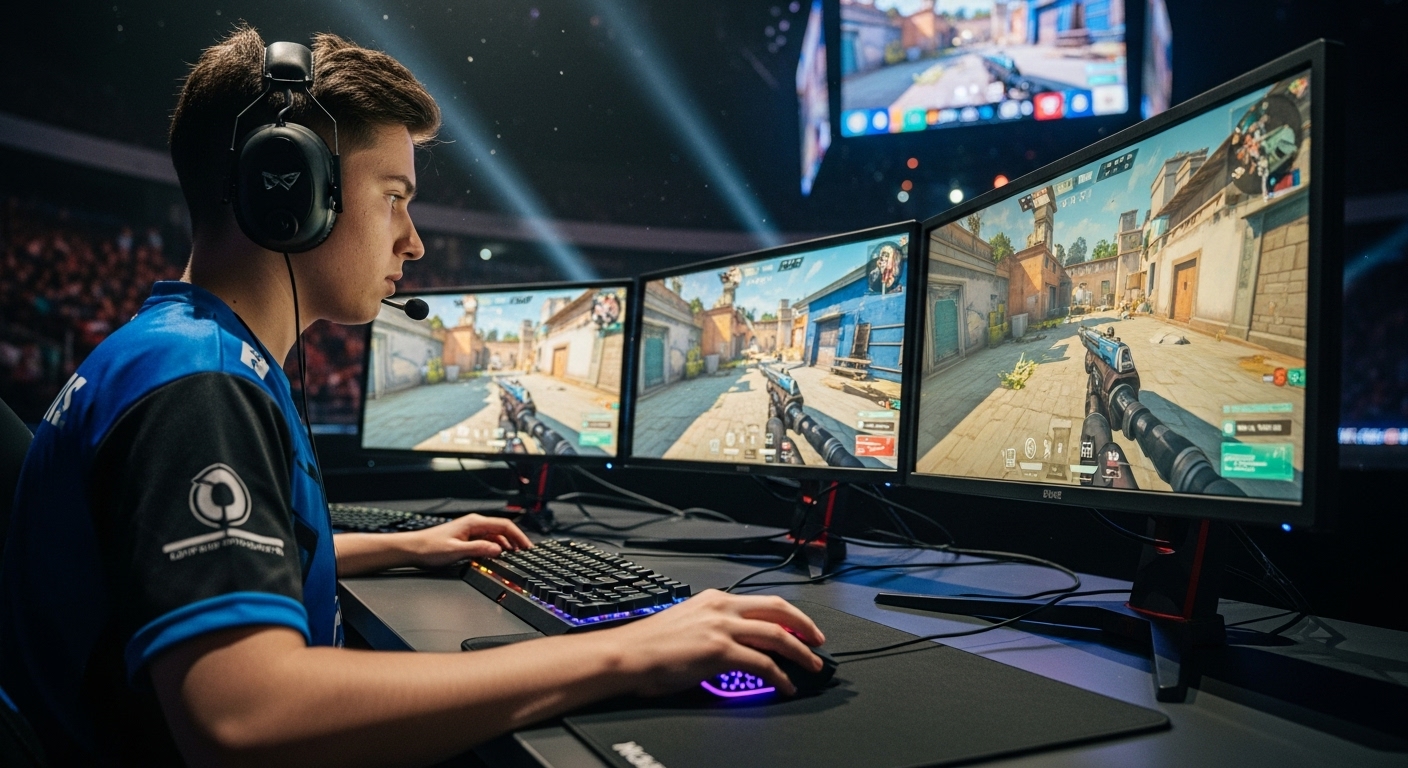
Esports competitions rely on advanced technology, from the custom-built gaming rigs used by professional players to the software that ensures smooth gameplay. Hardware advancements, such as high-refresh-rate monitors, gaming mice, and low-latency peripherals, give players a competitive edge. Similarly, software tools that enhance matchmaking, player statistics, and gameplay analysis have become essential components of esports.
Virtual Reality and Augmented Reality
The future of esports is also likely to involve virtual and augmented reality technologies. Games like Beat Saber and Echo Arena are already utilizing VR, offering players a more immersive experience. In the future, AR and VR could play a significant role in creating entirely new forms of competitive gaming and bringing spectators closer to the action than ever before.
The Cultural Impact of Esports
Esports is not just a form of entertainment; it has evolved into a cultural phenomenon. It has influenced various aspects of popular culture, from fashion to music and social media. Esports has also fostered global communities, breaking down geographical barriers and allowing fans and players from different cultures to interact.
Esports and Global Communities
One of the most remarkable features of esports is its ability to bring together people from all walks of life. Whether through online tournaments, fan meetups, or local viewing parties, esports provides a platform for people to come together and share their love of gaming. Online multiplayer games have developed large, passionate communities, and professional esports teams have created fan bases that rival those of traditional sports teams.
Sponsorships and Endorsements
Just like traditional sports, esports has attracted major corporate sponsors. Brands from a wide range of industries, including tech, fashion, energy drinks, and automotive, have recognized the value of esports audiences. Partnerships with brands like Coca-Cola, Intel, and Nike have given esports additional legitimacy and visibility, bringing the industry closer to mainstream recognition.
The Growing Influence of Esports on Youth Culture
Esports has also influenced youth culture by redefining what it means to be a professional athlete. No longer are athletic careers confined to physical sports; young people now aspire to be professional gamers, streamers, or content creators. Esports has brought gaming into the mainstream and made it a viable career path for many.
The Future of Esports
As esports continues to grow, its future seems bright. The industry’s growth is projected to continue at an exponential rate, with new titles emerging, new technologies shaping the experience, and new audiences being reached every day. Several key trends are likely to shape the future of esports:
Expansion into New Regions
While esports is already a global phenomenon, the industry is poised to expand into regions like South America, the Middle East, and Africa. These areas have untapped potential, with large gaming communities and growing internet infrastructure. This geographical expansion will create new opportunities for players, teams, and sponsors.
The Rise of Mobile Esports
Mobile gaming has exploded in popularity, and mobile esports is on the rise. Games like PUBG Mobile and Arena of Valor are becoming staples of the esports scene, attracting players from all over the world. As mobile phones continue to improve in power and capability, mobile esports will become an increasingly important aspect of the industry.
Integration with Traditional Sports
Esports and traditional sports have already started to converge. Major sports leagues, such as the NBA and NFL, are investing in esports, either by creating their own esports leagues or partnering with existing organizations. The integration of esports into traditional sports infrastructures could lead to a more unified and mainstream acceptance of esports.
Conclusion
Esports has come a long way since its humble beginnings, and it is now a global industry with a massive cultural impact. Whether through the growth of professional leagues, the influence of technology, or the vibrant communities it has created, esports is here to stay. As the industry continues to evolve, it will be exciting to see how it shapes the future of entertainment, sports, and gaming culture. The rise of esports not only marks the growth of a new entertainment medium but also signals a shift in how we view competitive sports in the digital age.