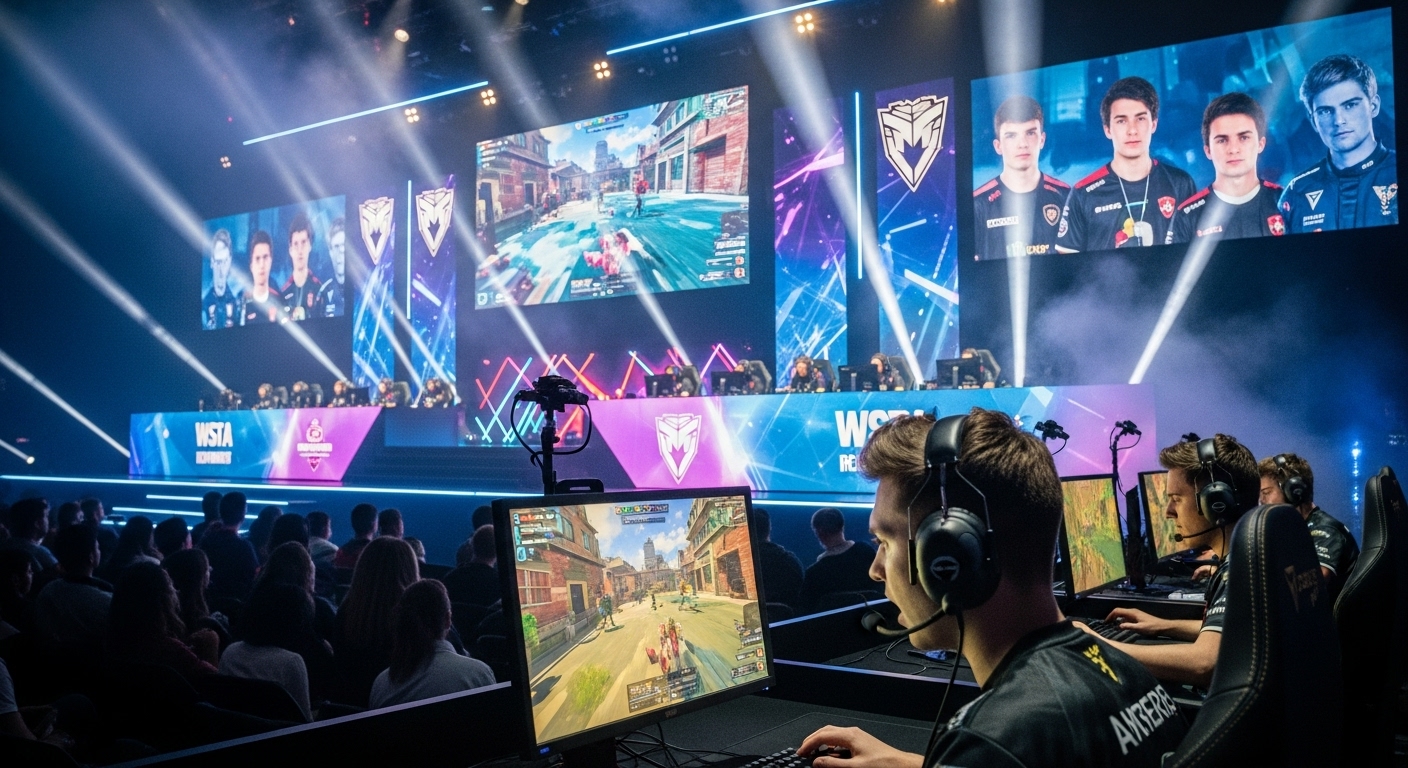
Best Esports Cities Around the Globe
Introduction
Esports has evolved into one of the most influential entertainment industries in the world, uniting millions of fans through the thrill of competitive gaming. But behind every major tournament, professional team, and roaring crowd lies something essential — the cities that host these monumental events. The rise of esports cities around the globe has shaped the way fans experience gaming culture, the way players train and compete, and even how local economies thrive.
These cities are not just locations where tournaments are held; they are ecosystems of innovation, technology, and passion. Each one brings its own culture, infrastructure, and identity to the gaming world. From Seoul’s legendary esports arenas to Los Angeles’ booming gaming industry, from Katowice’s iconic tournaments to Shanghai’s futuristic gaming hubs, the global esports map is dotted with destinations that define the modern era of competition.
In this blog, we’ll explore the best esports cities around the globe, examining what makes them special, how they contribute to the esports scene, and why they’ve become must-visit destinations for gamers and fans alike.
Seoul, South Korea – The Heartbeat of Esports
No discussion of esports cities can begin without mentioning Seoul, the birthplace and beating heart of competitive gaming. South Korea is often credited with pioneering modern esports culture. When broadband internet spread across the country in the late 1990s, PC bangs (internet cafés) became the breeding ground for future legends.
Today, Seoul stands as the epicenter of professional gaming. Games like StarCraft, League of Legends, and Overwatch have turned players into celebrities, and esports events regularly fill arenas such as the LCK Arena and the Sangam World Cup Stadium.
The Korean government’s early recognition of esports as an official sport helped create a structured ecosystem. Professional teams like T1, Gen.G, and DRX are based in Seoul, drawing global talent and attention. Major broadcasters air live tournaments, and the city’s culture celebrates gaming as both a sport and an art.
Seoul’s influence reaches beyond competition. It has set the standard for player development, team training, and fan engagement. Simply put, Seoul is to esports what Hollywood is to film — the ultimate global hub of gaming excellence.
Los Angeles, USA – The Creative Capital of Esports
Los Angeles is not just the home of the entertainment industry; it has also become one of the world’s premier esports capitals. The city’s combination of technology, creativity, and culture makes it a perfect breeding ground for competitive gaming.
Several of the biggest esports organizations in the world — including 100 Thieves, FaZe Clan, Evil Geniuses, and Team Liquid — have headquarters or major operations in Los Angeles. The city hosts tournaments across various games, from League of Legends and Call of Duty to Valorant and Overwatch.
The BlizzCon convention in nearby Anaheim attracts tens of thousands of fans every year, while the League of Legends Championship Series (LCS) arena in LA is one of the most iconic esports venues in North America.
Los Angeles is also a major content creation hub, with countless streamers and influencers based there. Its proximity to Hollywood allows esports to blend seamlessly with mainstream media and entertainment, leading to collaborations, sponsorships, and brand integrations that elevate the entire industry.
From world-class production studios to cutting-edge gaming facilities, Los Angeles continues to shape the global esports narrative, solidifying its role as a creative and cultural powerhouse.
Shanghai, China – The Future of Esports Infrastructure
Shanghai has positioned itself as one of the most ambitious and futuristic esports cities on the planet. China’s massive gaming population and government support have propelled the country to the forefront of esports development, and Shanghai stands as its shining example.
The city has hosted some of the world’s biggest tournaments, including The International 2019 for Dota 2 and League of Legends World Championship 2020. The Shanghai Mercedes-Benz Arena and other venues regularly welcome thousands of fans for world-class competitions.
Shanghai is home to top organizations such as Edward Gaming, Royal Never Give Up, and Invictus Gaming. These teams represent China’s dominance in games like League of Legends and Honor of Kings.
In recent years, Shanghai has invested heavily in esports infrastructure. Entire districts, such as the Shanghai Esports Park, have been developed to support gaming businesses, training centers, and arenas. The local government recognizes esports as a key economic driver, promoting events and tourism to attract international audiences.
With its mix of futuristic architecture, massive fanbase, and government-backed development, Shanghai represents the future of esports — technologically advanced, commercially thriving, and globally influential.
Katowice, Poland – The European Esports Landmark
Katowice might not be the first city that comes to mind when thinking of esports, but it has earned legendary status among fans and players alike. The city’s transformation from an industrial hub to a digital destination is one of esports’ most inspiring stories.
The turning point came in 2013, when the Intel Extreme Masters (IEM) chose Katowice as its main venue. What began as a regional event quickly grew into one of the most important tournaments in the world. Every year, thousands of fans from around the globe flock to the Spodek Arena to witness the world’s best Counter-Strike, StarCraft, and Dota 2 players compete.
Katowice’s success lies in its authenticity. The city embraces esports as part of its identity, with local businesses, tourism boards, and residents supporting the events. The atmosphere during IEM is electric — passionate fans fill the streets, and the city transforms into a celebration of gaming culture.
Because of its consistent success, Katowice is often referred to as the “Cathedral of Esports.” It demonstrates how a smaller city can achieve global recognition through dedication, organization, and community spirit.
Stockholm, Sweden – The Home of Innovation and Talent
Sweden has long been a powerhouse in gaming and esports, producing legendary players, developers, and teams. Stockholm, its capital, serves as the central hub for this innovation-driven gaming culture.
Many of the world’s most successful esports organizations — including Ninjas in Pyjamas and Alliance — originated in Stockholm. The city has hosted numerous international events, including DreamHack tournaments and The International 2021 for Dota 2.
Sweden’s gaming influence also extends beyond competition. Iconic game developers such as DICE, Mojang, and Paradox Interactive are based in Stockholm, making it a hub for both esports and game creation.
The Swedish government and local communities have embraced esports as a legitimate form of entertainment and business, providing infrastructure and support. With a strong emphasis on innovation, technology, and equality, Stockholm continues to lead Europe’s esports scene, inspiring the next generation of players and developers.
Tokyo, Japan – The Cultural Gaming Capital
Japan has always been a giant in the gaming world, but its esports growth has been a more recent phenomenon. Tokyo, as the country’s capital, has emerged as a major esports destination by blending traditional gaming culture with modern technology.
While Japan’s strict regulations initially slowed esports growth, the government has since embraced competitive gaming as a legitimate industry. The city now hosts major events for titles like Street Fighter, Tekken, Valorant, and Apex Legends.
Tokyo’s gaming roots run deep — arcades, anime culture, and console gaming are part of daily life. The city’s esports arenas, such as the RED° Tokyo Tower Esports Park, showcase Japan’s fusion of culture and innovation.
Tokyo is also home to numerous professional teams and leagues, as well as tech companies that invest in esports infrastructure. Its vibrant culture, technological advancements, and rich gaming history make it one of the most fascinating esports destinations on the planet.
Singapore – The Emerging Esports Powerhouse
Singapore has rapidly positioned itself as a leading esports hub in Southeast Asia. Despite its small size, the city-state has made significant investments in digital infrastructure, making it an ideal location for global tournaments.
Singapore hosted The International 2022 for Dota 2, one of the most prestigious events in esports, as well as Valorant Champions Tour and Mobile Legends: Bang Bang championships. Its state-of-the-art venues, efficient logistics, and international connectivity make it a favorite destination for both organizers and fans.
The Singaporean government has also recognized the potential of esports to boost tourism and technology sectors. By promoting education programs, scholarships, and startup initiatives related to gaming, Singapore has built a sustainable foundation for its esports future.
As one of the cleanest, safest, and most technologically advanced cities in the world, Singapore combines professionalism with passion — a model that many other countries aim to replicate.
Berlin, Germany – Europe’s Competitive Hub
Berlin has long been recognized as one of Europe’s creative and tech capitals, and it has naturally become a central player in the esports world. The city hosts major tournaments and serves as the European home base for numerous organizations.
Berlin is the home of the League of Legends European Championship (LEC), held at the LEC Studio, where fans gather weekly to watch Europe’s best teams compete. Beyond League of Legends, Berlin has hosted tournaments for PUBG, CS:GO, and FIFA, drawing international audiences.
What sets Berlin apart is its community culture. The city’s affordable living costs (compared to other European capitals) and artistic atmosphere attract young players, streamers, and content creators. It’s also home to several esports startups and training facilities, creating a thriving ecosystem of innovation.
Berlin’s fusion of technology, creativity, and competition cements its place as one of the most important esports cities in the Western world.
Las Vegas, USA – The Entertainment and Esports Crossover
Known for its bright lights and entertainment heritage, Las Vegas has successfully merged traditional hospitality with the world of esports. The city’s massive resorts and arenas have become ideal venues for tournaments and conventions.
The HyperX Esports Arena at the Luxor Hotel is one of the most advanced dedicated esports facilities in North America. It hosts events across games such as Fortnite, Call of Duty, and Rocket League, attracting international audiences.
Las Vegas also hosts large gaming conventions and expos, drawing fans and industry professionals from around the world. Its tourism infrastructure — hotels, nightlife, and entertainment — complements esports perfectly, creating a full experience for visitors.
As Las Vegas continues to diversify beyond gambling, esports has become a key pillar in its entertainment strategy. The city aims to become the go-to global destination for esports vacations and tournaments, bridging digital competition with physical luxury.
Riyadh, Saudi Arabia – The Esports Capital of the Middle East
Riyadh has rapidly emerged as one of the fastest-growing esports cities in the world. Backed by Saudi Arabia’s Vision 2030 initiative, the country has invested billions into gaming and esports infrastructure, aiming to become a global leader in the field.
The Gamers8 festival, held annually in Riyadh, is one of the largest esports and gaming events on the planet, featuring multiple tournaments, concerts, and cultural activities. It attracts top international teams, influencers, and fans from every corner of the globe.
Riyadh’s commitment to esports goes beyond events. The city is building permanent esports arenas, training facilities, and education programs to develop local talent. Its strategic location also makes it a gateway for the Middle East, Africa, and Asia.
As the region’s first true esports capital, Riyadh is setting the stage for future innovation, cultural exchange, and industry growth.
Conclusion
Esports has transformed cities into global gaming capitals, each contributing its own unique flavor to the competitive landscape. From Seoul’s pioneering spirit to Los Angeles’ creative energy, from Shanghai’s futuristic vision to Katowice’s community-driven success, these cities showcase the diversity and power of the global esports movement.
Each city on this list represents a different aspect of what makes esports special — technology, culture, passion, and connection. Together, they form a global network that keeps the industry thriving and evolving.
As esports continues to grow, new cities will rise, and old ones will expand their influence. But one thing is certain: the spirit of competition and community will keep drawing fans, players, and dreamers from around the world to these vibrant hubs of digital excitement.