Introduction: A New Era of Competition
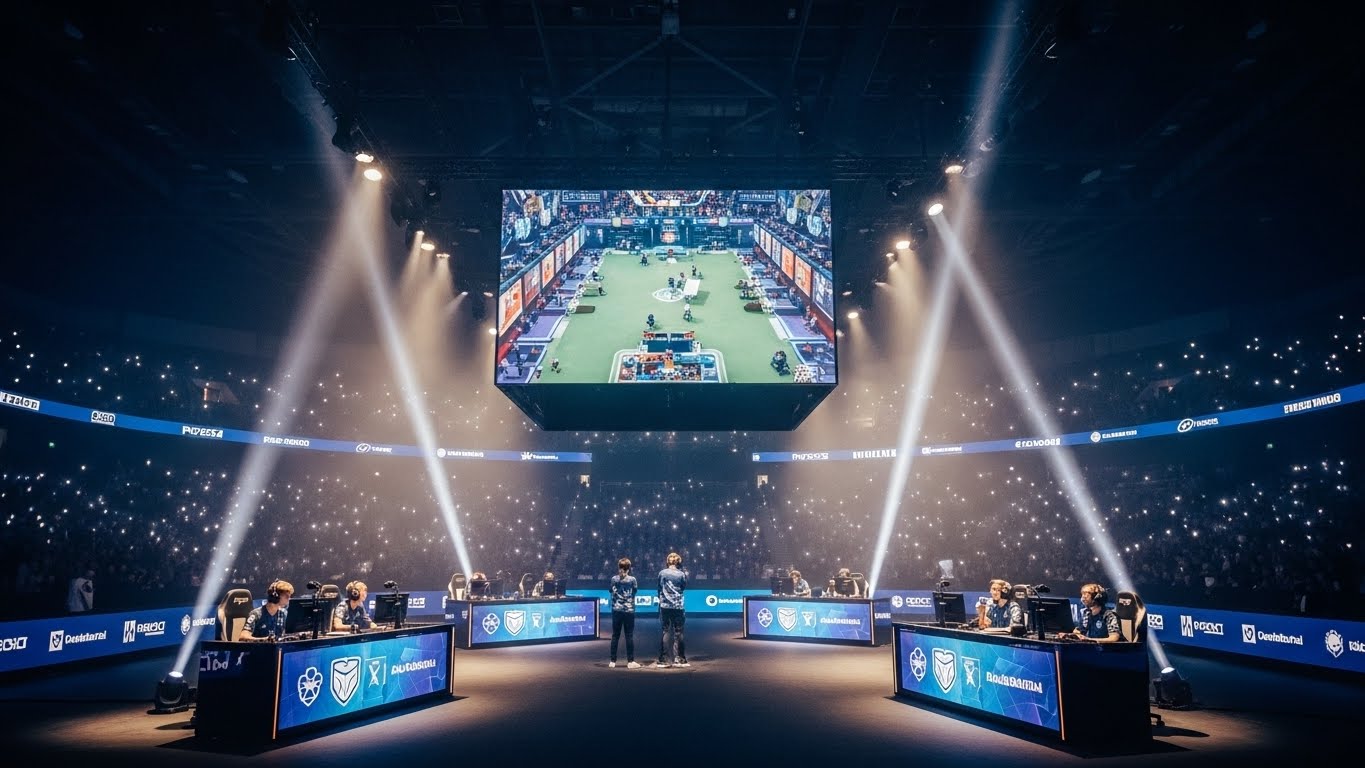
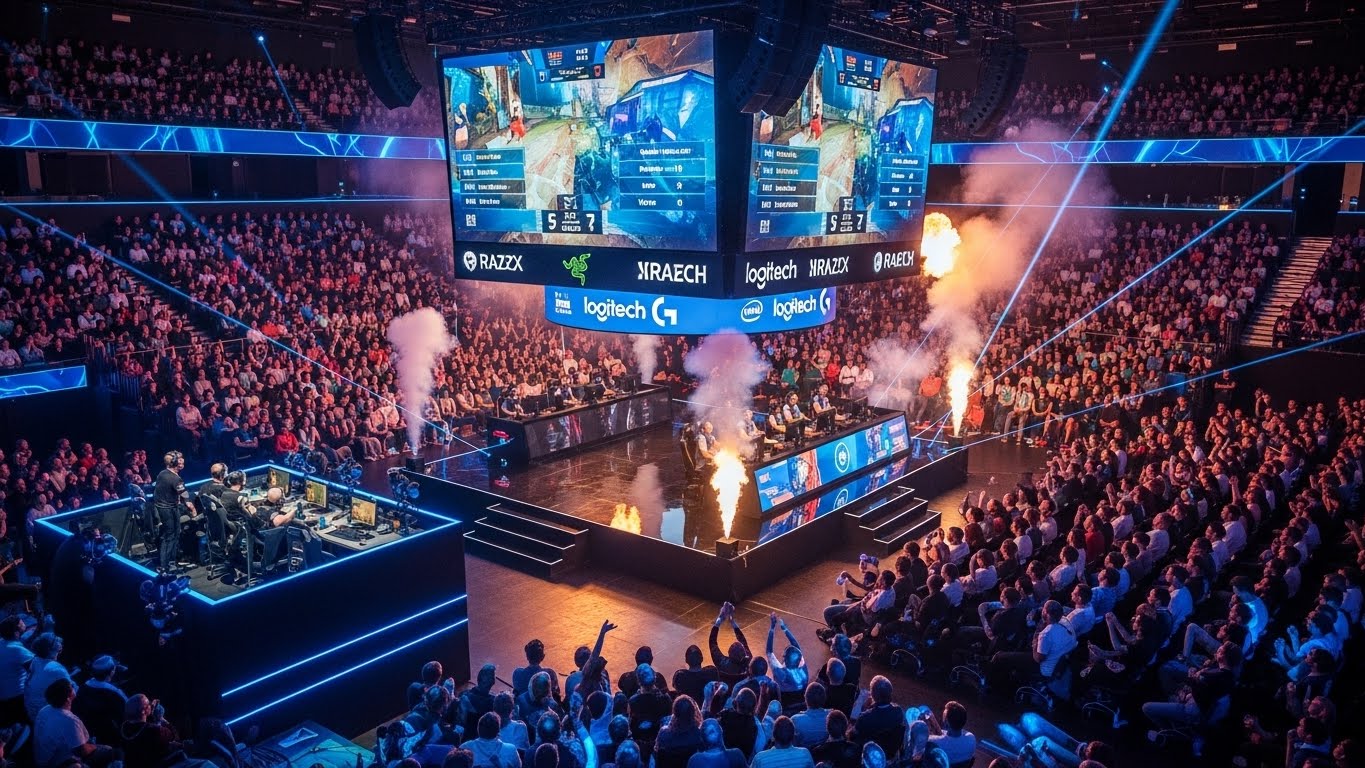
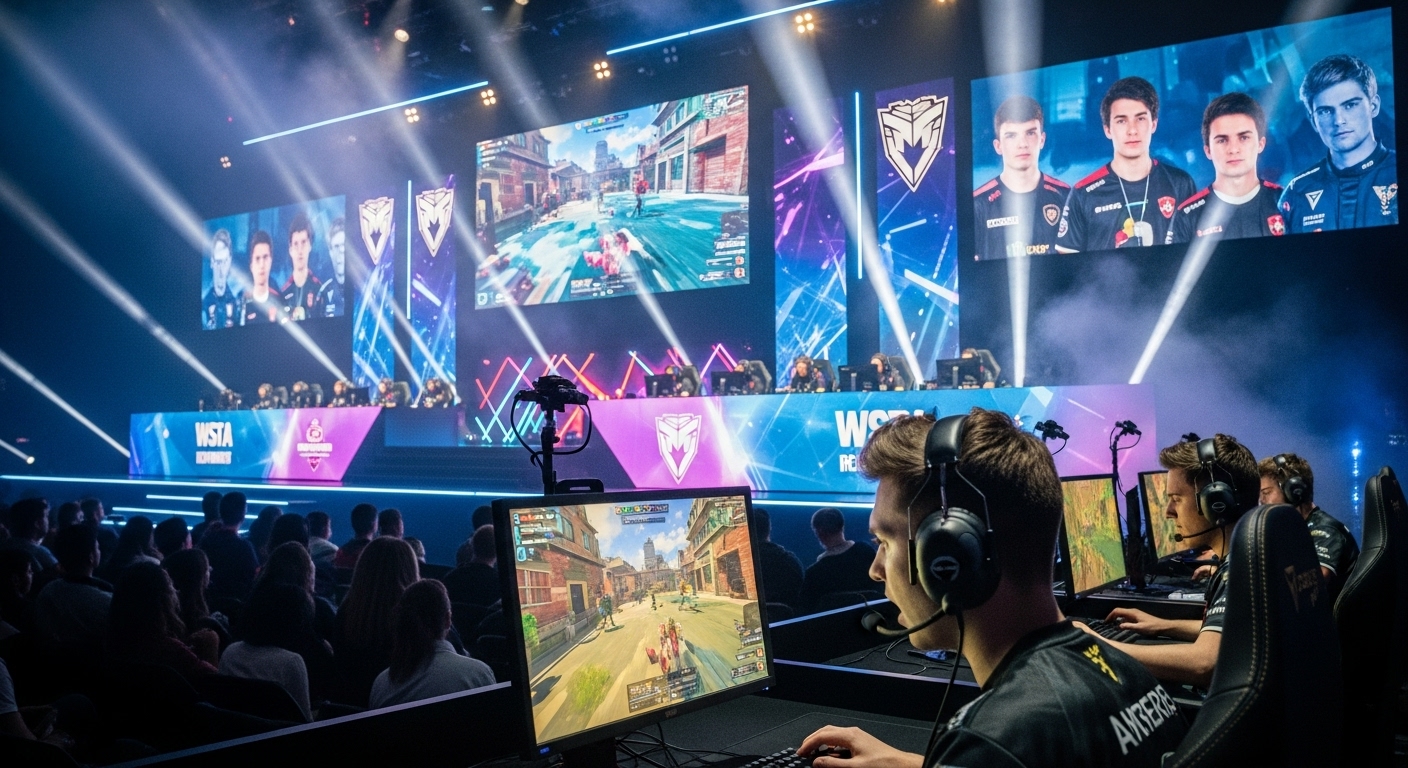
Esports has rapidly emerged as one of the most exciting and influential forms of entertainment in the digital age. What began as small-scale gaming competitions has grown into a global phenomenon, attracting millions of viewers and professional players worldwide. Esports is no longer just a pastime; it is a serious career path, a cultural movement, and a thriving industry that blends technology, skill, and strategy.
The Evolution of Esports
Esports started in the late 20th century with simple arcade competitions and local tournaments. Early games like StarCraft and Counter-Strike set the stage for competitive gaming, while titles like League of Legends and Dota 2 helped bring esports into mainstream popularity. Today, esports encompasses a wide variety of games including first-person shooters, strategy games, sports simulations, and battle royale games. Streaming platforms and professional leagues have turned esports into a worldwide spectacle that rivals traditional sports in both viewership and excitement.
The Life of a Professional Gamer
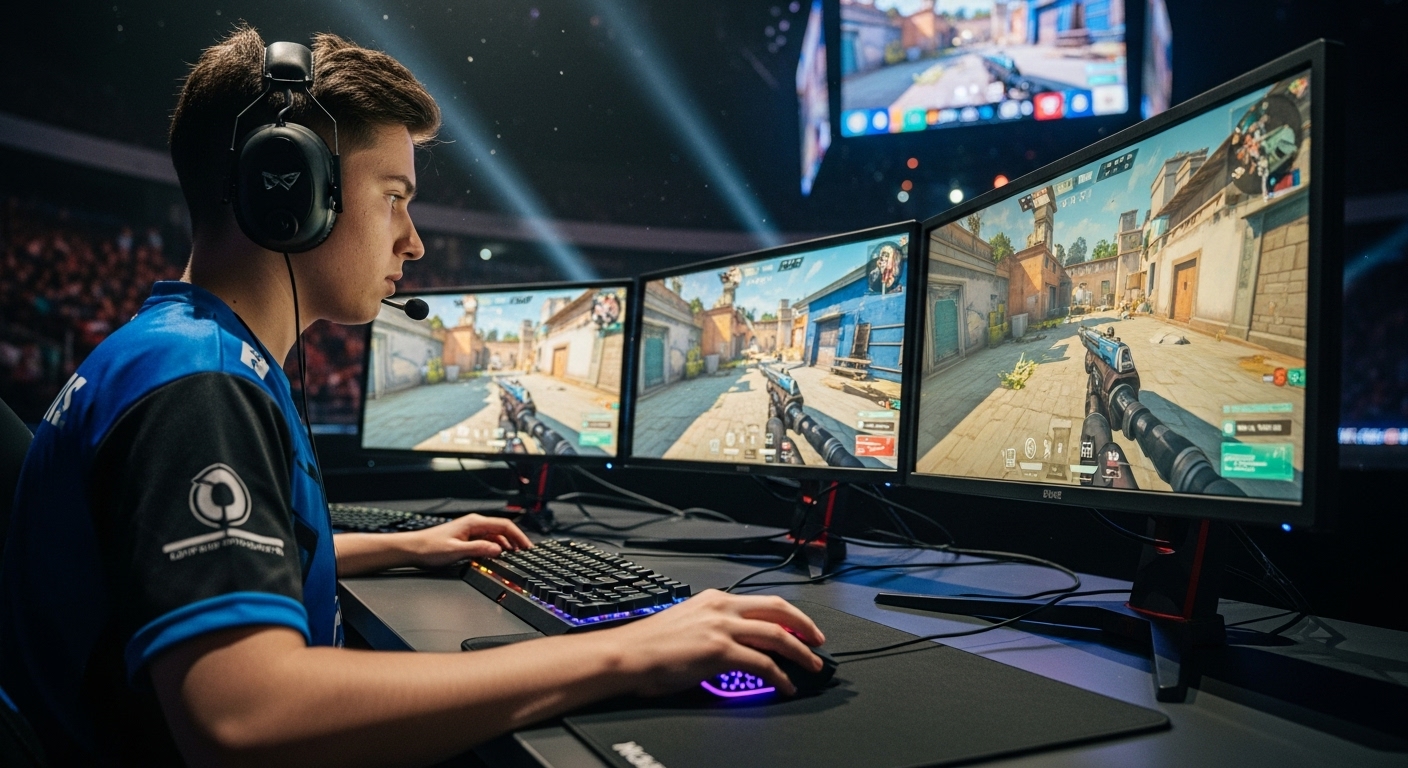
Becoming a professional esports player requires dedication, practice, and strategy. Players often train for hours each day, analyzing gameplay, improving reflexes, and learning advanced techniques. Mental agility, teamwork, and quick decision-making are as important as skill in the game itself. Unlike traditional sports, esports focuses heavily on cognitive ability and strategy, creating a unique combination of mental and competitive challenges.
Community and Fan Engagement
One of the key factors behind esports’ success is its vibrant community. Fans can engage with players directly, follow live tournaments, and discuss strategies and game updates online. This interactive culture builds loyalty and fosters a sense of belonging. Communities often create fan art, videos, and commentary, making esports not just a form of competition but also a shared cultural experience that brings people together across the globe.
Economic Impact and Career Opportunities
The esports industry has grown into a multi-billion-dollar global market. Revenue comes from tournament prize pools, sponsorships, merchandise, advertising, and media rights. Companies from technology, sports, and entertainment sectors are investing heavily, recognizing the potential of reaching younger, highly engaged audiences. Beyond professional players, esports offers careers in event management, broadcasting, coaching, marketing, and game development, making it a diverse and dynamic industry.
Challenges Facing Esports
Despite its rapid growth, esports faces significant challenges. Players often experience burnout due to long training hours and intense competition. Mental health and career longevity are ongoing concerns. Additionally, the industry requires better regulation, fair play policies, and structured support systems to ensure sustainable growth. Addressing these issues is essential for esports to continue thriving as a legitimate global sport and entertainment platform.
The Future of Esports
The future of esports is promising, with new technologies like virtual reality, augmented reality, and cloud gaming set to transform how games are played and watched. Esports may increasingly integrate with mainstream entertainment and traditional sports, further solidifying its cultural and economic impact. As the industry grows, esports will continue to inspire new generations of players, fans, and innovators worldwide.
Conclusion: The Global Impact of Esports
Esports is more than just gaming—it is a revolution in competition, entertainment, and digital culture. Its growth demonstrates the power of technology to connect people, create communities, and redefine what it means to be an athlete. As esports continues to expand, it promises to shape the future of both gaming and global entertainment, proving that competitive gaming is here to stay.