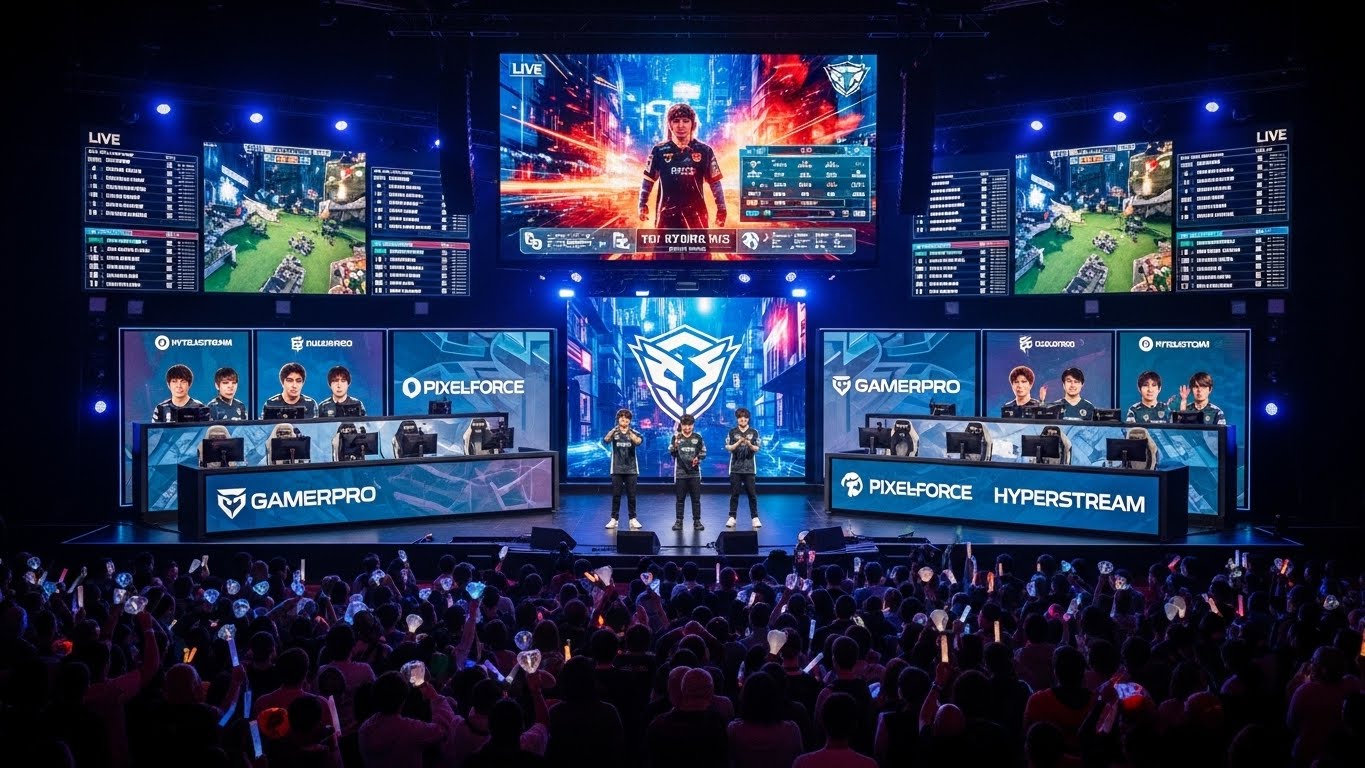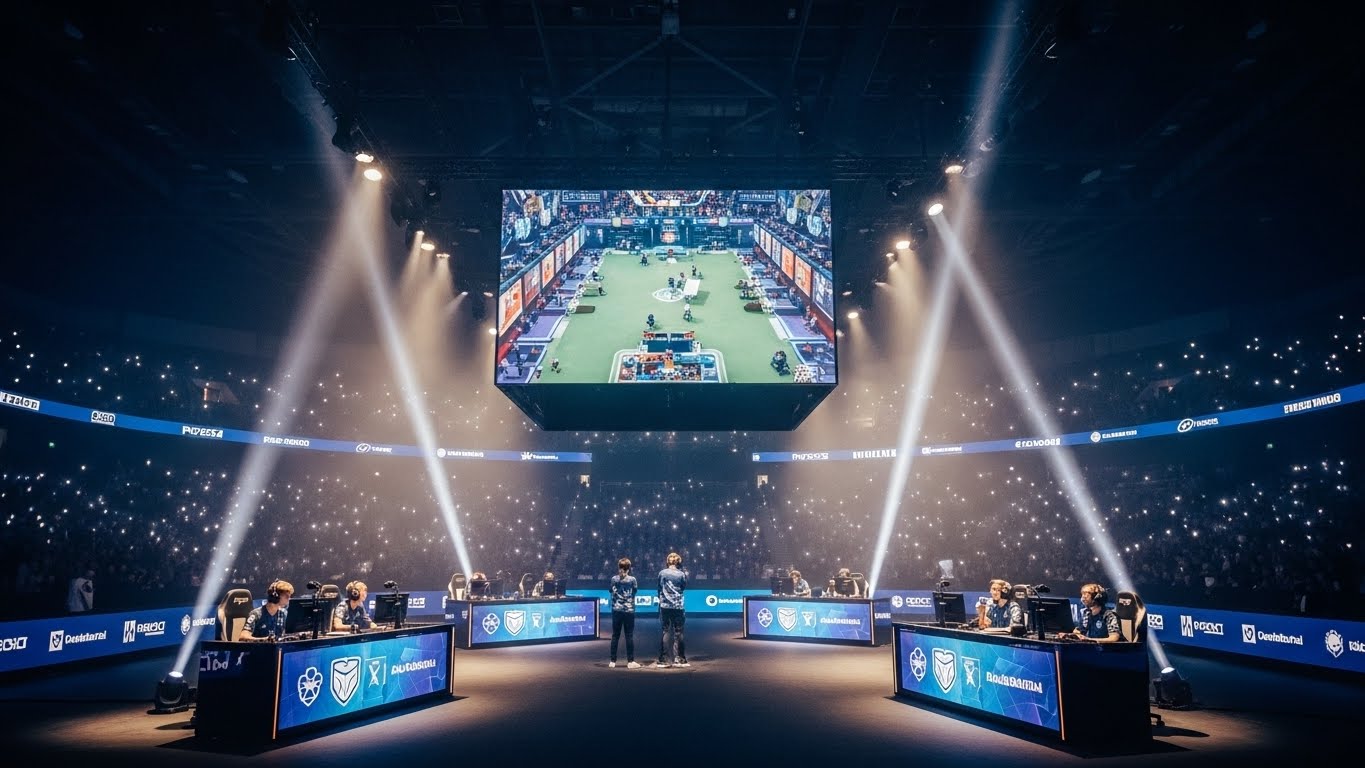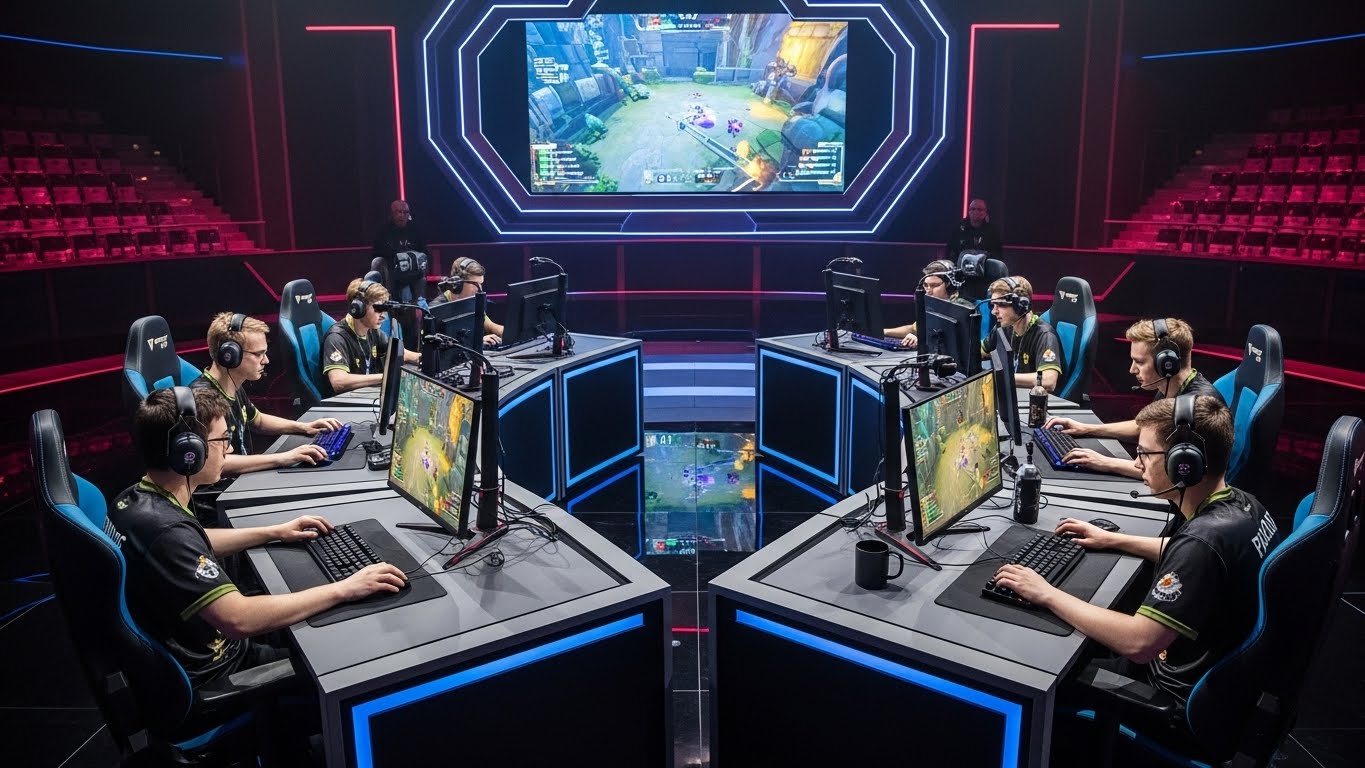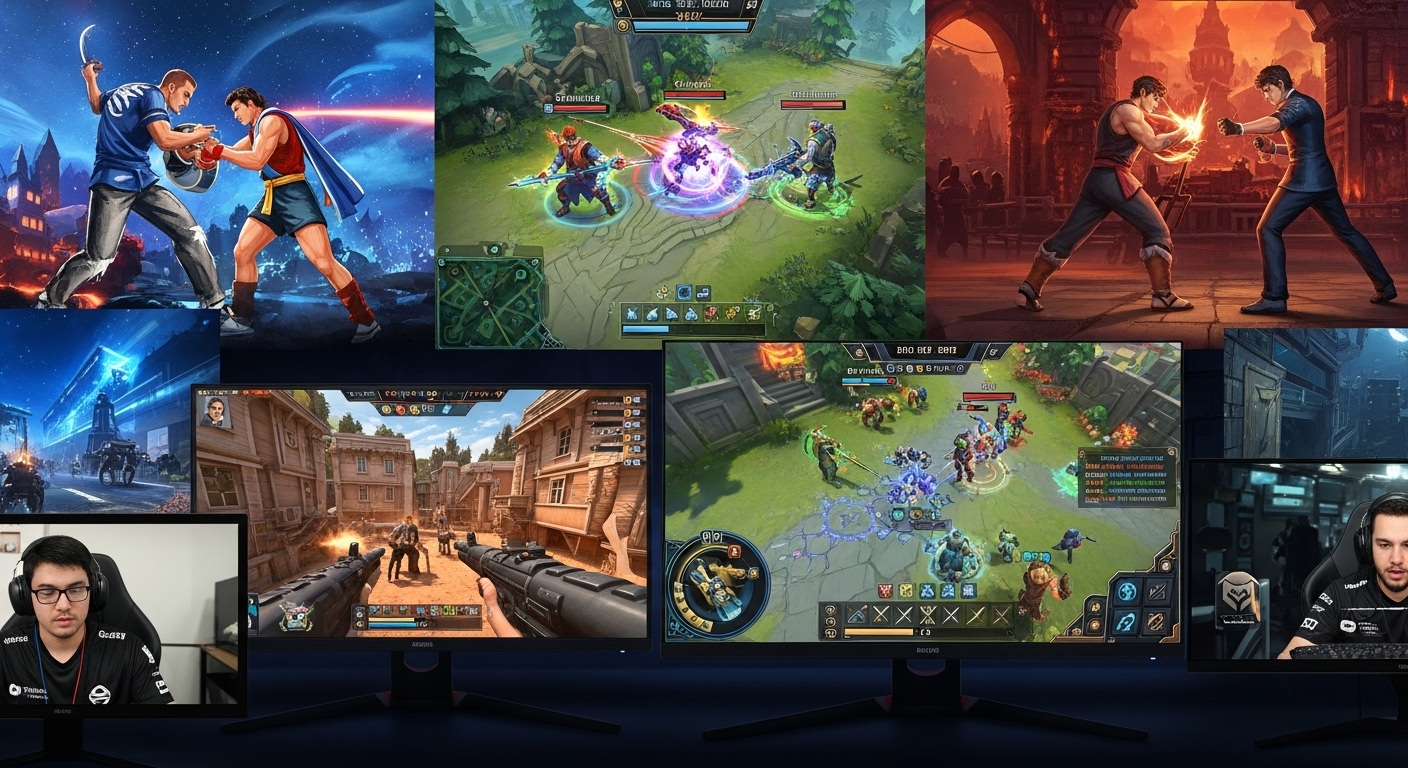
Esports have gone from niche interest to a global phenomenon, with millions of players, viewers, and fans across the world. What started as a pastime for gamers has transformed into a professional industry that rivals traditional sports in terms of viewership, revenue, and global influence. The growth of esports represents not just a shift in how we view gaming, but also how we understand competition, entertainment, and community in the digital age. In this post, we will explore the evolution of esports, its impact on traditional sports, and what makes esports such a unique and compelling experience for players and fans alike.
The Evolution of Esports: From Hobby to Industry
Esports can trace its origins back to the early days of video gaming. In the 1970s and 1980s, arcade games like Space Invaders and Pong were the first to inspire competitive gaming, with players facing off to achieve high scores. However, it wasn’t until the late 1990s and early 2000s that the concept of organized competitions and tournaments began to take shape. Games like StarCraft, Quake, and Warcraft III were some of the first to host major esports tournaments, establishing a foundation for the professional scene we know today.
By the 2010s, esports was no longer a hobbyist’s dream but a thriving industry. Titles like League of Legends, Dota 2, Counter-Strike: Global Offensive, and Fortnite became household names. Major leagues, international competitions, and sponsorships flooded the esports ecosystem, with prize pools reaching millions of dollars. Esports companies like Riot Games, Blizzard Entertainment, and Valve revolutionized how gaming was experienced, turning it into a form of spectator entertainment on a global scale.
Today, esports have their own leagues, massive fanbases, and even broadcast on major television networks. The industry generates billions in revenue from tournament viewership, sponsorships, merchandise sales, and advertising, rivaling the financial pull of traditional sports in many ways.
The Global Phenomenon: Esports as a Cultural Movement
Esports isn’t just a competitive activity; it’s a cultural movement that has captured the attention of people across the world. With players representing countries and teams from all corners of the globe, esports has fostered an international community that transcends borders and languages. This global aspect has been crucial in the rise of esports, as it unites millions of fans from different cultures under the banner of gaming.
Streaming platforms like Twitch and YouTube have also been pivotal in esports’ cultural growth. They’ve made it possible for fans to watch live matches, interact with players, and become a part of the esports community without ever having to leave their homes. These platforms have allowed professional gamers to build massive followings, with some players accumulating millions of subscribers, creating their own brands, and even transitioning into mainstream media figures.
The rise of esports has also given birth to new forms of entertainment and new job opportunities. Influencers, streamers, content creators, and coaches are now integral parts of the esports ecosystem, with their own fanbases and revenue streams. Esports is no longer just about playing games—it’s a multi-faceted industry that encompasses everything from marketing and sponsorships to content creation and broadcasting.
The Impact on Traditional Sports: Rivalry or Partnership?
For years, traditional sports like football, basketball, and soccer were seen as the gold standard in entertainment and competition. Esports, with its virtual nature, was often dismissed as a passing trend or an inferior form of competition. However, that narrative is quickly changing as esports carve out their own space in the competitive landscape.
One of the most significant ways that esports have impacted traditional sports is through the shift in how we view competition. In the past, athleticism was associated with physical prowess, but esports have broadened the definition of what it means to compete. Esports players, often referred to as “athletes” in their own right, must have immense mental dexterity, strategic thinking, and hand-eye coordination to perform at the highest levels. The focus has shifted from physical endurance to mental endurance, making esports a unique and intellectually demanding field.
Traditional sports organizations are also recognizing the growing influence of esports. Teams like the Los Angeles Lakers, Paris Saint-Germain, and Manchester City have invested in esports teams, creating crossover between traditional sports and gaming. This has helped to legitimize esports in the eyes of the public, drawing in fans of both domains and expanding the market even further.
Furthermore, esports have introduced innovative ways of engaging fans, such as live-streaming, interactive fan experiences, and even virtual arenas. Traditional sports organizations are beginning to adopt some of these practices, blending the best aspects of both worlds to create a new hybrid model of competition and entertainment.
The Players: Building Stars in the Digital Arena
One of the most fascinating aspects of esports is the emergence of its athletes—players who are now regarded as stars in their own right. Just like professional athletes in traditional sports, esports players have dedicated their lives to mastering their games. Their training regimens often involve hours of practice, strategy discussions, and even physical conditioning to ensure their reaction times are optimal.
Esports players come from all over the world, bringing diverse backgrounds and unique perspectives to the competitive scene. Some start their careers as teenagers, competing in online tournaments before being scouted by professional teams, while others may rise through the ranks after years of dedication to their craft. Regardless of their path, these players quickly become household names, recognized by millions of fans who follow their careers, watch their streams, and attend live events.
Beyond the competition, esports players often serve as role models, encouraging young gamers to pursue their passions, work hard, and stay disciplined. With the increasing visibility of esports, these players also have a responsibility to act as ambassadors for the gaming community, promoting inclusivity, fair play, and positive behavior.
The Future of Esports: What’s Next?
As esports continue to grow, the future looks incredibly promising. New technologies, like virtual reality (VR) and augmented reality (AR), are beginning to find their way into esports competitions, offering fans more immersive experiences and opening up new possibilities for gameplay. VR could change the way games are played, creating even more engaging and realistic environments for both players and viewers alike.
Another exciting development is the potential for esports to be included in major events like the Olympics. While esports are not currently featured in the Olympic Games, there have been ongoing discussions about including esports as a recognized event. The International Olympic Committee has shown interest in the growing industry, acknowledging the role esports could play in the future of international competition.
As esports become more mainstream, we can expect greater corporate sponsorship, larger prize pools, and even more elaborate tournament formats. The growth of esports infrastructure, including stadiums specifically designed for esports events, will also continue to fuel the industry’s expansion.
The potential for esports to evolve into a dominant force in global entertainment is enormous. With the support of fans, sponsors, and media outlets, esports may soon be as ubiquitous as traditional sports, providing a new avenue for competition, entertainment, and community-building in the digital age.
Conclusion: A New Chapter in Competitive Entertainment
Esports have revolutionized the world of competitive entertainment, transforming gaming from a solitary activity into a global, multi-billion-dollar industry. With its growing fanbase, increasing media presence, and legitimate professional status, esports have become a powerful force that can no longer be ignored. As the industry continues to evolve, it will undoubtedly shape the future of gaming, competition, and entertainment in ways that we are just beginning to understand.
For players, fans, and organizations alike, the rise of esports represents a new chapter in the history of competitive entertainment, one that combines the excitement of traditional sports with the limitless potential of the digital world. The world of esports is just getting started, and its influence will continue to grow in the years to come.