Introduction
Esports has rapidly transformed from a niche interest into a global powerhouse of entertainment and competition. It has redefined what it means to be an athlete in the modern world, blending skill, technology, and strategy into a thrilling digital sport. Today, esports stands as a billion-dollar industry that attracts millions of players and viewers, making it one of the most exciting revolutions in modern culture.
The Journey of Esports
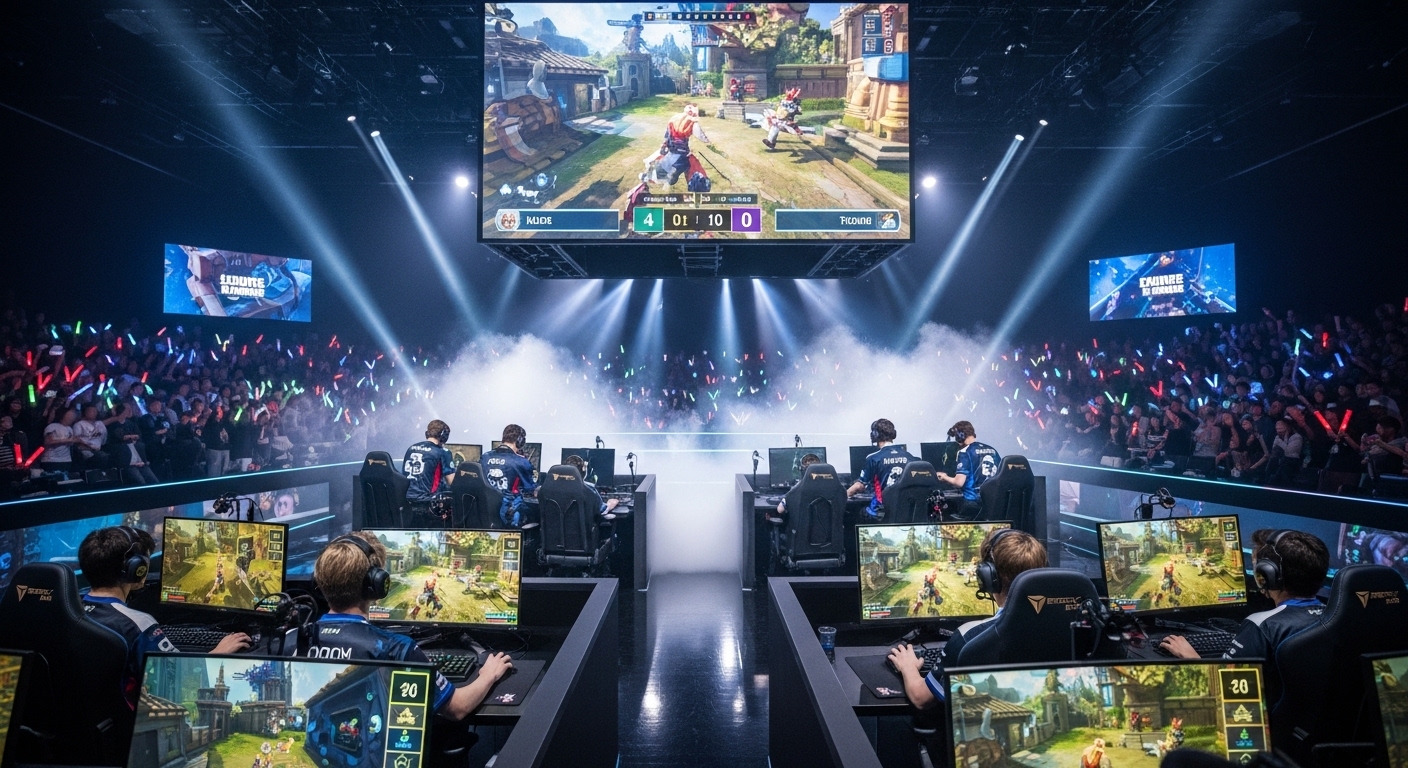
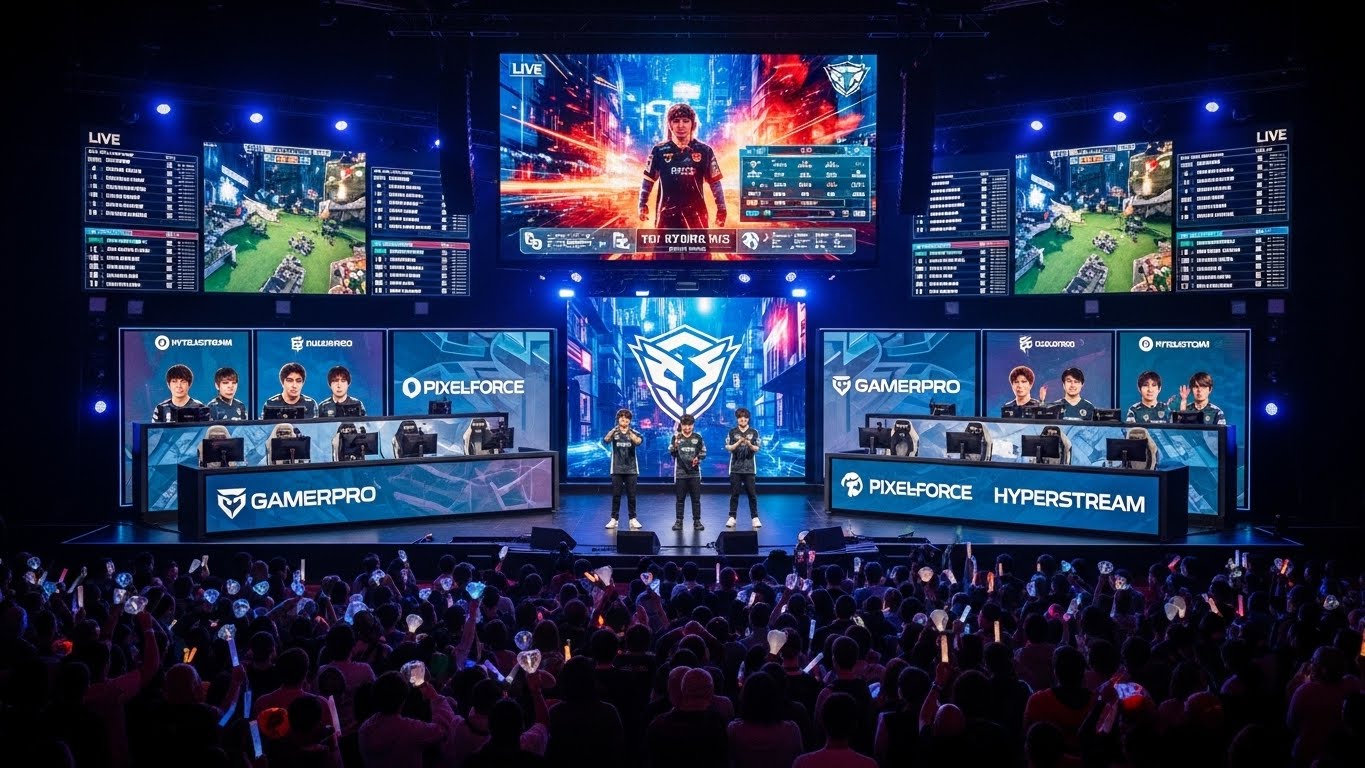
The roots of esports trace back to the early days of gaming competitions held in small rooms and arcades. Over time, as technology advanced and internet connectivity improved, gaming communities grew across the globe. What began as friendly contests among enthusiasts evolved into professional tournaments featuring world-class players. Esports now hosts massive events watched by millions online and in packed stadiums, proving that competitive gaming is here to stay.
The World of Professional Players
Behind every successful esports team is a group of highly skilled and dedicated players. These professionals spend long hours training, improving reflexes, mastering strategies, and building strong teamwork. Their commitment mirrors that of traditional athletes, requiring discipline, endurance, and mental strength. Esports players also face challenges such as pressure, fatigue, and constant competition, but their passion for gaming drives them to reach new heights.
The Esports Industry Boom
Esports has become more than just competition; it’s a thriving business. Sponsors, advertisers, and tech companies invest heavily in tournaments, teams, and gaming organizations. Major events offer millions of dollars in prize money, while streaming platforms provide players with global visibility. The rise of content creation, gaming merchandise, and online broadcasting has turned esports into a full-scale entertainment ecosystem.
Opportunities Beyond Gaming
The world of esports offers opportunities far beyond playing. Careers in coaching, event management, broadcasting, game development, and marketing have emerged within the industry. Many universities and institutions now offer esports programs that teach students valuable skills in communication, teamwork, and technology. This growing ecosystem is creating a future where gaming is recognized as both a passion and a profession.
Esports and Global Connection
Esports has united people from all over the world under a shared love for gaming. It breaks down barriers of language, culture, and geography, creating a truly international community. Fans cheer for their favorite teams, participate in online discussions, and even form friendships through gaming platforms. This sense of connection has made esports not just a sport, but a cultural movement that celebrates diversity and creativity.
The Future of Esports
As technology continues to evolve, the future of esports looks brighter than ever. Virtual reality, artificial intelligence, and 5G networks promise to make gaming more immersive and accessible. Governments and organizations around the world are beginning to support esports as a legitimate sport, further validating its influence. The next generation of competitors will not only play games but also shape the future of digital entertainment.
Conclusion
Esports represents the perfect blend of passion, innovation, and community. It has proven that competition can exist beyond physical boundaries, creating a new kind of athlete—the digital champion. With its growing popularity and influence, esports is not just the future of gaming; it is the future of global entertainment.