Inside the Life of a Professional Gamer: The Journey Behind the Screen
Becoming a professional gamer is a dream for many, but the path to reaching the top of the esports world is not as easy as it seems. With millions of viewers watching their every move, pro gamers are the stars of a rapidly growing industry. But what does a professional gamer’s life really look like behind the screen? What are the challenges, rewards, and sacrifices that come with competing at the highest level of esports?
In this blog post, we’ll take you inside the life of a professional gamer, exploring the daily routines, training, mindset, and experiences that shape their journey to success. Whether you’re an aspiring pro or simply a fan curious about the esports world, this behind-the-scenes look will give you an inside view of what it takes to thrive in the competitive gaming industry.
1. The Road to Professional Gaming
Starting as a Hobbyist
The journey to becoming a pro gamer doesn’t happen overnight. For most esports professionals, the path starts with a deep love for gaming. Many pro players start their journey as casual gamers, honing their skills in local competitions, online tournaments, or even playing just for fun. However, as they develop their abilities and start to outpace their peers, the possibility of going pro becomes a very real and exciting goal.
The transition from a hobbyist to a professional involves a combination of talent, dedication, and a bit of luck. Pro players often have a competitive drive and a willingness to sacrifice their time for improvement. While some may find success early, others have to grind for years, participating in smaller tournaments, streaming their gameplay, and constantly striving to improve.
2. Training: Beyond Just Playing the Game
Mastering Skills Through Repetition
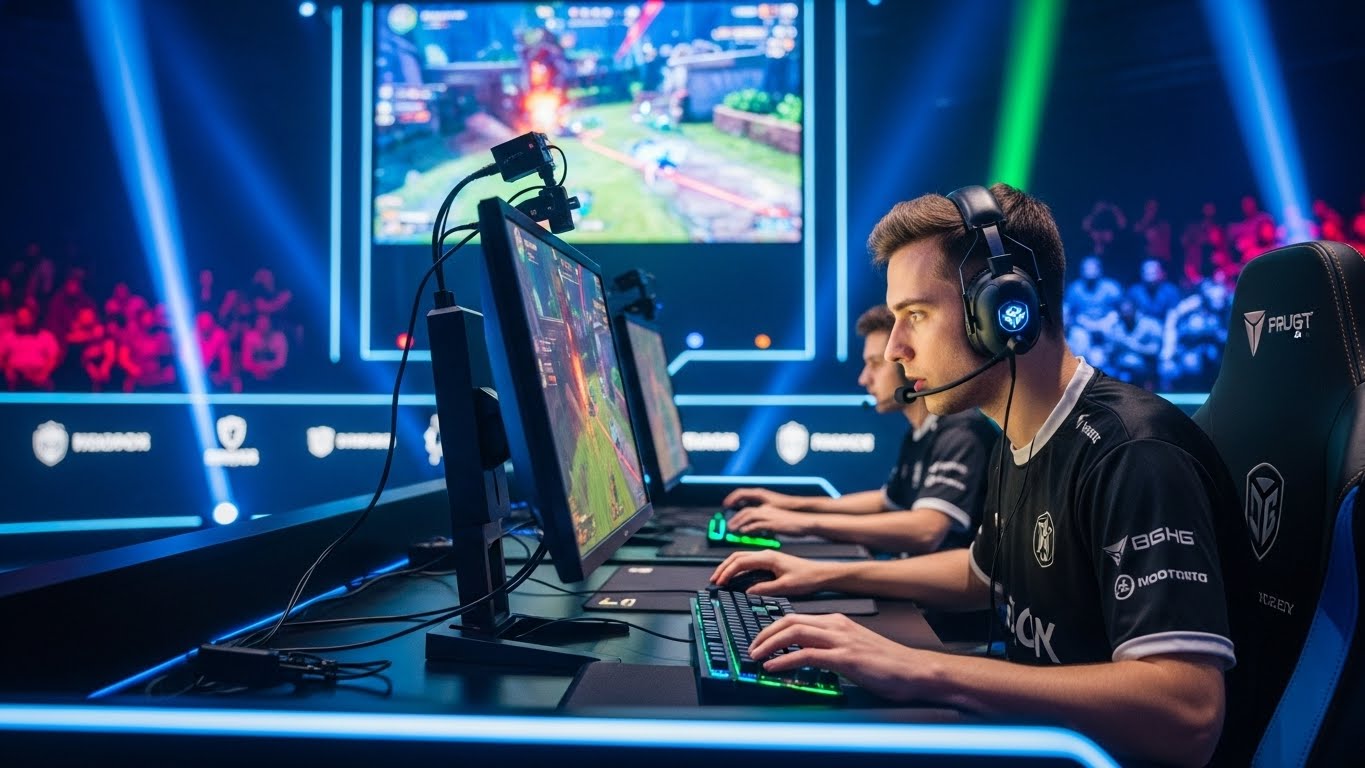
Contrary to popular belief, professional gamers don’t simply play games all day for fun—they train. And training is a serious commitment. For esports athletes, skill development goes far beyond the basics of the game. Pro players spend hours honing their mechanical abilities, understanding the game’s strategy, and perfecting their team coordination.
Professional gaming practice is often broken down into different segments:
- Solo Practice: This is where players focus on improving their individual skills, such as aiming, reflexes, and decision-making. For FPS games like Counter-Strike or Valorant, this could mean practicing aiming in training maps, while in MOBAs like League of Legends, it might mean mastering champion mechanics or map awareness.
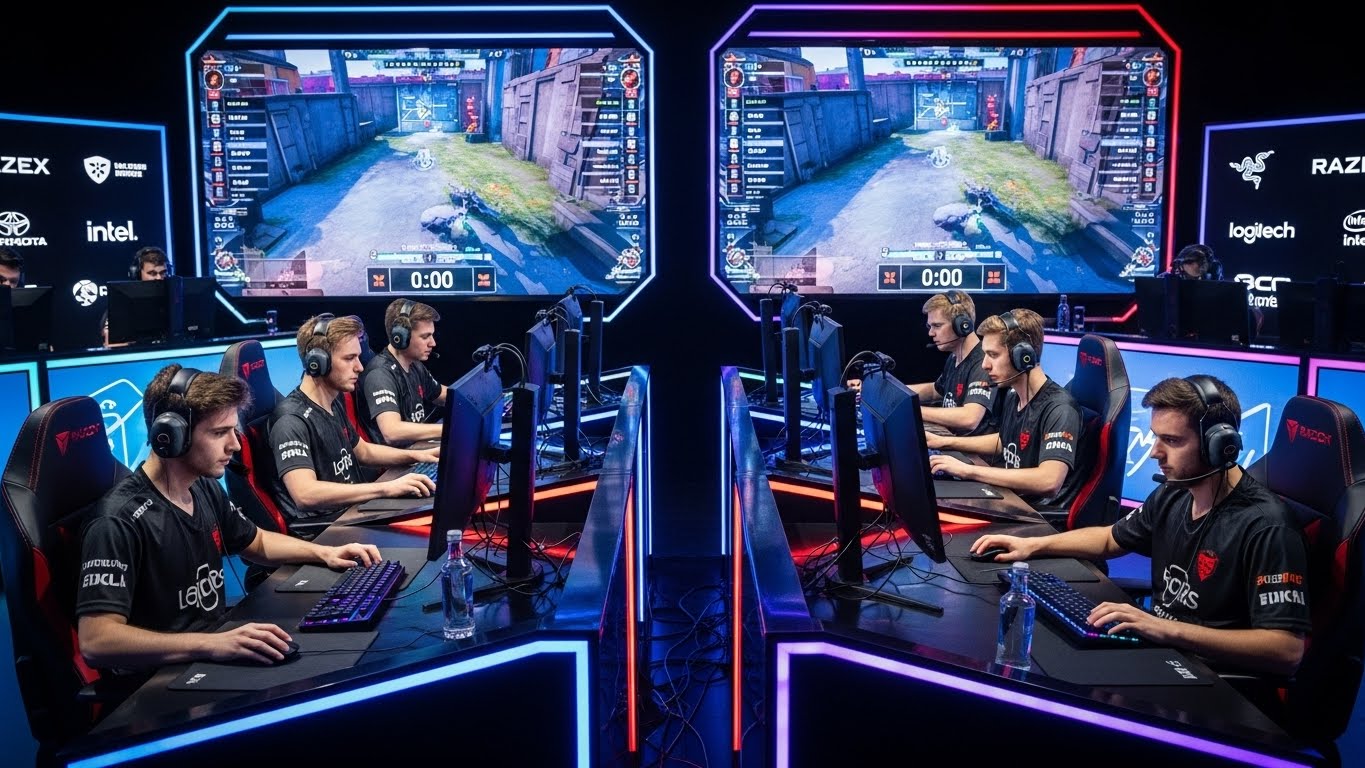
- Team Practice: Many esports titles are team-based, so coordination with teammates is essential. Players spend time practicing team strategies, communication, and tactics to ensure they’re in sync during competitive matches. This can involve scrims (practice matches), strategy sessions, and sometimes even reviewing past performances to learn from mistakes.
- Reviewing Gameplay: Pro players analyze their own gameplay footage and that of their competitors to identify areas for improvement. This often involves reviewing entire matches, pinpointing key moments, and understanding why certain decisions were made. It’s not just about playing better; it’s about playing smarter.
3. The Daily Routine of a Pro Gamer
A Structured Day of Gaming and Wellness
While the life of a professional gamer may sound like a non-stop grind of gaming, it’s not all about sitting in front of a screen for hours on end. Just like any athlete, esports players need a structured routine to stay at the top of their game.
- Morning: The day typically starts with a good breakfast and some light physical activity to get the blood flowing. Many pro players incorporate stretching, yoga, or even quick workouts into their daily schedule to maintain their physical health. A solid morning routine helps with focus and energy throughout the day.
- Afternoon: This is when most pro players begin their practice sessions. Training can last anywhere from 4 to 8 hours a day, depending on the team’s schedule and upcoming tournaments. Practice sessions can include individual play, team scrims, or strategic planning sessions. During breaks, players may review previous matches or engage in some mental exercises to sharpen their concentration.
- Evening: After intense practice, evenings are often reserved for unwinding. While some players might engage in casual gaming or stream for their followers, others may take time off to relax or engage in hobbies outside of gaming. It’s crucial for players to have downtime to recharge mentally and physically.
- Night: Before bed, many pro players reflect on their performance during the day and make plans for the next. Ensuring proper sleep is essential for cognitive function and recovery, so most players aim for 7-9 hours of sleep to remain sharp and ready for the next day’s challenges.
4. The Mental and Physical Toll of Professional Gaming
The Hidden Struggles of Being a Pro
While the glamour of esports might make it seem like an easy job, the life of a professional gamer can be mentally and physically demanding. Pro players often face burnout, stress, and fatigue due to the intense nature of their training schedules and competition. Here are some of the common struggles they face:
- Mental Fatigue: Constantly focusing on the game, analyzing strategies, and making split-second decisions can take a significant toll on mental health. Long practice sessions and the pressure of performing in high-stakes tournaments can cause stress and anxiety. Players must develop mental resilience and stress management techniques to cope with these pressures.
- Physical Strain: Sitting for long periods, staring at a screen, and using a mouse and keyboard for hours can lead to physical ailments such as back pain, wrist injuries, and eye strain. To combat this, pro gamers need to focus on ergonomics, regular exercise, and eye care. Many pro players work with physiotherapists and sports psychologists to stay in top shape.
- Burnout: The constant grind of practice, travel, and competition can lead to burnout. It’s crucial for esports players to find a balance between work and personal life, including taking breaks from gaming when needed. Mental health resources and support systems are becoming more prevalent in the esports industry to help players manage the pressures of their career.
5. Travel and Tournaments: The Road to Glory
Competing on the Global Stage
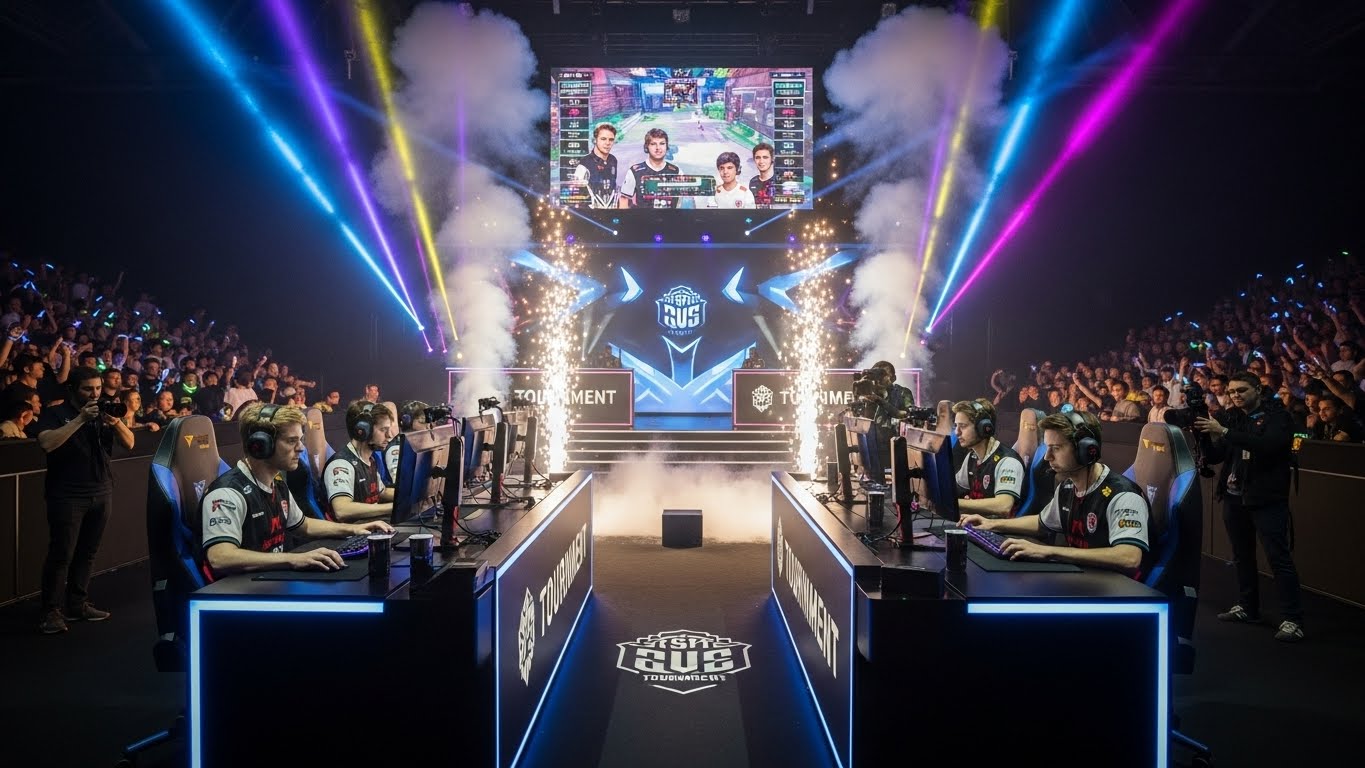
For pro gamers, tournaments are the pinnacle of their careers. Whether it’s the League of Legends World Championship, The International (Dota 2), or a CS:GO major, these competitions offer not only large cash prizes but also the prestige of being crowned the best in the world.
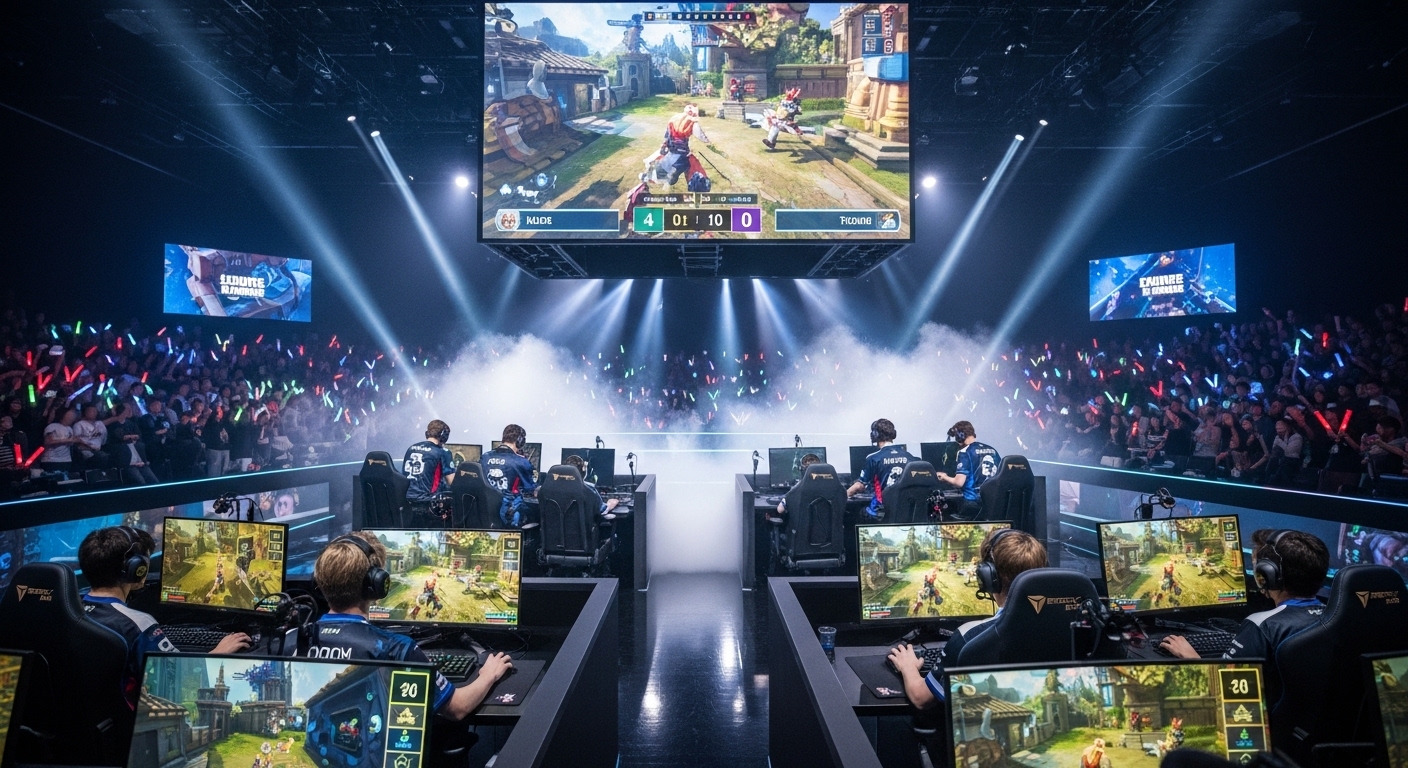
Traveling for these tournaments can be both exciting and exhausting. Players often spend weeks away from home, traveling to different countries, adjusting to new time zones, and dealing with the pressures of performing in front of thousands of fans and millions of viewers. While some enjoy the thrill of competition and the opportunity to meet fellow gamers from around the world, the travel schedule can be grueling.
Tournaments are typically intense, requiring players to perform at their peak under immense pressure. The preparation for these events starts months in advance, with teams practicing, refining their strategies, and reviewing potential opponents. The stakes are high, and the competition is fierce, making it a high-stress environment that requires peak mental and physical performance.
6. The Community and Fan Interaction
Building a Relationship with Fans
Beyond the gameplay and tournaments, professional gamers also play a huge role in building the esports community. Many pros interact with their fans through streaming platforms like Twitch, YouTube, or social media. Streaming allows fans to see a more personal side of the players, as well as interact with them directly. It’s not uncommon for professional gamers to have large followings on these platforms, where fans can watch live gameplay, hear commentary, and even engage in live Q&A sessions.
The relationship between pro gamers and their fans is crucial in esports. Fans not only support players during tournaments but also contribute to their careers by watching streams, donating, or purchasing team merchandise. Many professional gamers use their platform to raise awareness about gaming-related causes, mental health, or other charitable endeavors, creating a positive impact in the gaming world.
7. Life After Professional Gaming
Transitioning from Player to Content Creator
The life of a professional gamer doesn’t necessarily end when they retire from competitive play. Many pro players transition into content creation, coaching, or other esports-related roles once their playing career slows down. This can involve streaming full-time, creating YouTube content, or even joining organizations as a coach, analyst, or commentator.
The transition from playing to content creation can be difficult, as it requires adjusting to a new role within the esports ecosystem. However, many former pro players find success in these new positions, leveraging their experience and knowledge of the game to help the next generation of players.
Conclusion
Being a professional gamer is a thrilling and rewarding career, but it comes with its own set of challenges and sacrifices. From intense training sessions to the pressures of tournament play and the toll on mental and physical health, the life of a pro gamer is far more demanding than many might realize. However, for those who are dedicated, resilient, and passionate about gaming, the rewards—both in terms of career and personal fulfillment—can be immense.
While the esports world continues to grow, the story of each pro gamer is unique. Their journeys are shaped by their passion for the game, their commitment to excellence, and the love of connecting with an ever-growing community of fans. Inside the life of a professional gamer, there’s much more than just winning—it’s about building a legacy, impacting the community, and making gaming history.