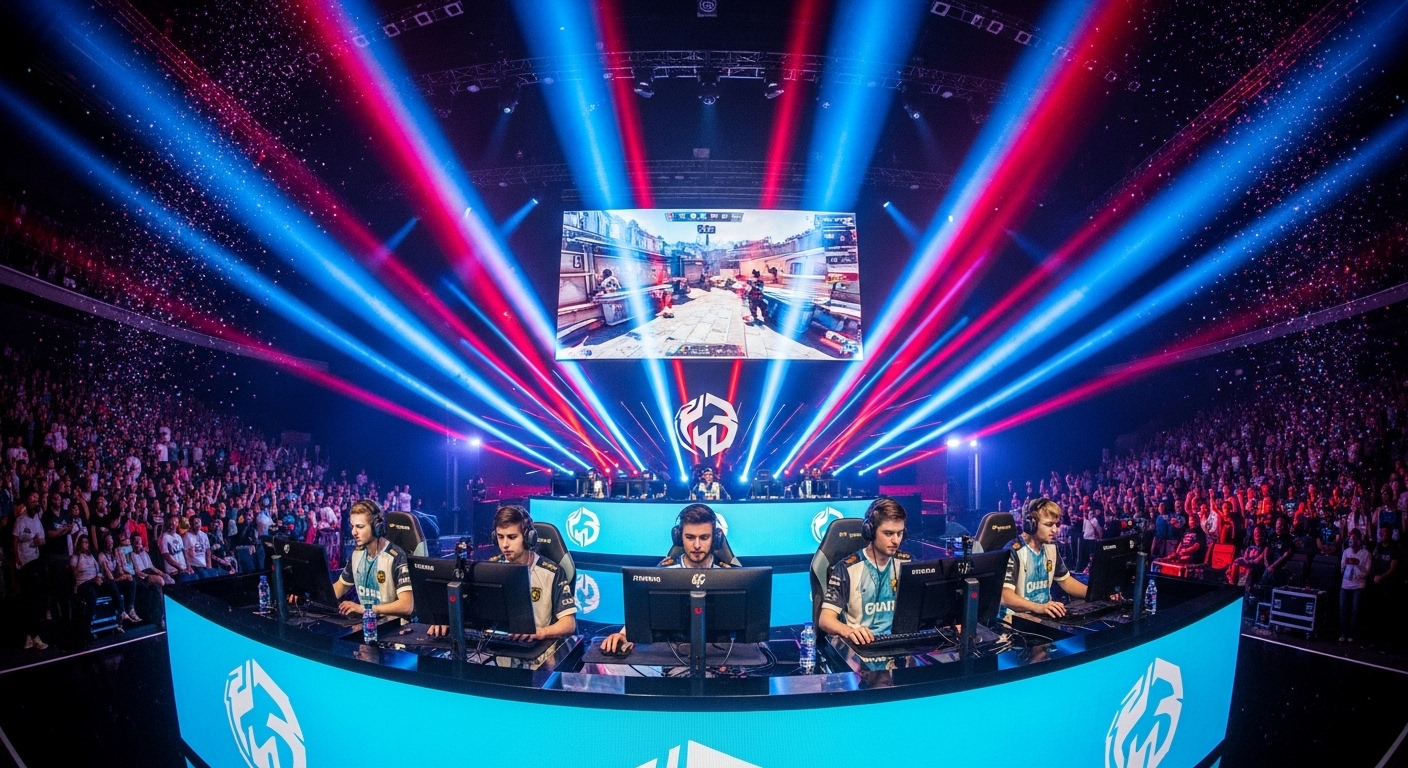
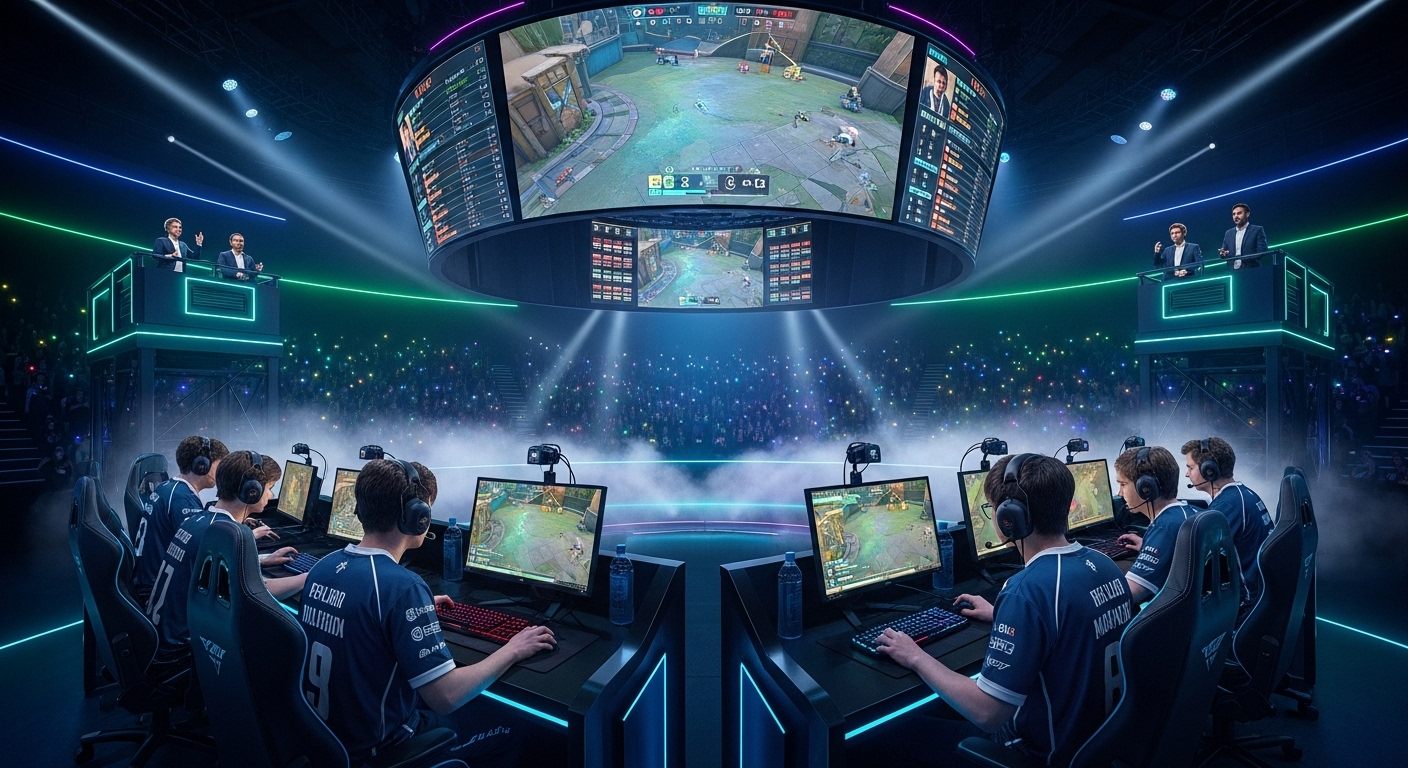
Esports, or electronic sports, has transformed the world of gaming from a casual hobby into a global competitive phenomenon. Over the past two decades, esports has evolved into a multi-billion-dollar industry that rivals traditional sports in viewership, fan engagement, and economic impact. What started as small community gatherings and local tournaments has now become an international spectacle, complete with professional teams, sponsorship deals, and massive arenas filled with cheering fans. This blog explores the history, growth, cultural impact, challenges, and future of esports, shedding light on why it has captured the imagination of millions worldwide.
The Origins of Esports
Esports is not as new as many people think. The roots of competitive gaming can be traced back to the 1970s and 1980s when arcade games became a popular pastime. The first recognized video game competition occurred in 1972 at Stanford University for the game “Spacewar,” where participants competed for recognition rather than monetary rewards. As arcade games like Pac-Man, Donkey Kong, and Street Fighter gained popularity, informal tournaments began to emerge, laying the groundwork for what would later become esports.
The 1990s saw the rise of PC gaming, which brought a significant shift in competitive gaming. Games like Doom, Quake, and StarCraft created opportunities for players to compete over networks, enabling them to challenge opponents beyond their local area. StarCraft, in particular, became a cultural phenomenon in South Korea, where professional players were treated as celebrities, and matches were broadcast on television. These developments marked the beginning of esports as a serious form of competition, paving the way for professional leagues and international tournaments.
The Evolution of Competitive Gaming
With the turn of the millennium, esports began to evolve rapidly. Online multiplayer games became increasingly popular, and platforms such as Battle.net and GameSpy allowed players from around the world to compete in real time. This period also saw the emergence of the first major esports organizations and sponsorship deals. Companies recognized the potential of gaming as a marketing platform, and tournaments began offering substantial prize pools, attracting top-tier talent.
Games like Counter-Strike, Warcraft III, and Dota 2 played a pivotal role in shaping the competitive scene. Counter-Strike tournaments popularized team-based gameplay and strategy, while Warcraft III and Dota 2 emphasized the importance of skill, teamwork, and strategic thinking. The International, Dota 2’s premier tournament, became famous for its enormous prize pools, some exceeding tens of millions of dollars, showcasing the financial potential of esports and attracting mainstream attention.
The Role of Streaming and Digital Platforms
The rise of streaming platforms such as Twitch, YouTube Gaming, and Mixer transformed esports from a niche hobby into a global spectacle. Unlike traditional sports, which rely on television broadcasting, esports found its natural home online. Streaming allowed fans to watch matches live, interact with players through chat, and even follow tournaments from their mobile devices. This accessibility helped esports reach younger audiences and created a sense of community among fans.
Streaming also provided opportunities for professional gamers to build personal brands and generate revenue through subscriptions, donations, and sponsorships. Many esports personalities have become influencers, shaping gaming culture and inspiring new generations of players. Platforms like Twitch have also democratized content creation, enabling amateur players to gain visibility and recognition without needing to join professional teams.
The Cultural Impact of Esports
Esports has had a profound cultural impact, particularly among younger generations. It has redefined what it means to be an athlete and expanded the concept of competition beyond physical prowess. Players are celebrated for their strategic thinking, reflexes, teamwork, and adaptability. Esports has also influenced fashion, music, and entertainment, with players and teams collaborating with brands and celebrities to create unique experiences for fans.
Moreover, esports has fostered a sense of global community. International tournaments bring together players from diverse backgrounds, promoting cultural exchange and understanding. Fans engage in discussions, debates, and fan art, creating vibrant online communities that thrive beyond the competitive scene. This cultural significance has led to increased recognition, with esports being included in discussions about potential Olympic events and receiving acknowledgment from governments and educational institutions.
Professionalization and Career Opportunities
One of the most remarkable aspects of esports is its professionalization. What was once a hobby has evolved into a viable career path for talented individuals. Professional players undergo rigorous training regimens, similar to traditional athletes, focusing on strategy, reflexes, teamwork, and mental resilience. Many teams employ coaches, analysts, nutritionists, and psychologists to support players, emphasizing the high level of professionalism within the industry.
Beyond playing professionally, esports offers numerous career opportunities. These include casting and commentary, content creation, event management, marketing, game development, and analytics. Educational institutions have even started offering scholarships and degree programs in esports management, demonstrating the growing legitimacy of esports as a career field.
The Economics of Esports
The esports industry has experienced exponential financial growth in recent years. Revenue streams include sponsorships, advertising, media rights, merchandise, and ticket sales for live events. Major companies, including tech giants, beverage brands, and sports organizations, have invested heavily in esports, recognizing its ability to reach engaged and tech-savvy audiences.
Tournaments now offer prize pools that rival traditional sports, attracting elite talent from around the world. The economic impact extends beyond players and teams, creating jobs for event organizers, production crews, broadcasters, and marketers. This economic ecosystem has solidified esports as a sustainable and influential industry with long-term growth potential.
Esports and Technology
Esports thrives at the intersection of gaming and technology. Advances in hardware, software, and internet infrastructure have enabled seamless online competition, high-quality streaming, and immersive gameplay experiences. Virtual reality and augmented reality are beginning to shape the future of esports, offering new dimensions of interaction and engagement.
Artificial intelligence and data analytics also play a critical role. Teams use advanced analytics to study opponents, develop strategies, and optimize performance. AI-driven training tools allow players to simulate scenarios and improve their skills systematically, illustrating how technology continues to elevate the competitive standards of esports.
Challenges Facing the Esports Industry
Despite its growth, esports faces several challenges. One of the primary concerns is player burnout, as professional gaming requires intense practice, long hours, and high mental pressure. Unlike traditional sports, esports athletes often have shorter career spans, necessitating careful career planning and support systems.
Another challenge is regulation and standardization. The esports ecosystem is diverse, with multiple games, leagues, and governing bodies. Establishing standardized rules, fair competition, and anti-doping measures remains a complex issue. Additionally, issues such as harassment, toxicity, and online abuse continue to affect players and communities, requiring proactive solutions to ensure a safe and inclusive environment.
Esports and Education
Esports has also found a place in education. Many schools and universities have established esports programs and clubs, offering students opportunities to compete, develop skills, and explore career paths. Esports promotes critical thinking, teamwork, communication, and problem-solving, making it an educational tool as well as a competitive pursuit.
Scholarships for esports athletes are becoming increasingly common, allowing talented players to pursue higher education while competing at a high level. This integration of esports into academic environments further legitimizes the industry and provides a structured pathway for aspiring professionals.
The Future of Esports
The future of esports looks incredibly promising. Emerging technologies, increasing mainstream acceptance, and expanding global audiences suggest that esports will continue to grow and evolve. Virtual and augmented reality, cloud gaming, and AI-driven innovations will redefine gameplay experiences and create new competitive formats.
Esports may also become more intertwined with traditional sports, with collaborations, crossover events, and shared audiences. Governments and international organizations may provide greater support, leading to standardized regulations, infrastructure development, and broader recognition. As esports continues to mature, it is likely to influence culture, technology, and entertainment in ways that extend far beyond gaming.
Conclusion
Esports represents a digital revolution that has reshaped the world of competition, entertainment, and culture. From humble beginnings in arcades and early PC tournaments to global spectacles with millions of fans and multi-million-dollar prize pools, esports has demonstrated the power of gaming as a professional and cultural phenomenon. The industry continues to evolve, driven by technological innovation, professionalization, and community engagement. As esports grows in influence and scope, it not only challenges traditional notions of sports but also opens new opportunities for creativity, career development, and global connection.
Esports is more than just a trend; it is a transformative force shaping the future of digital entertainment. For players, fans, and industry professionals alike, the world of esports offers excitement, opportunity, and inspiration, proving that competitive gaming is here to stay.