The Importance of Teamwork and Leadership in Esports
Esports, or competitive video gaming, has rapidly evolved from a niche hobby to a global phenomenon. With millions of players and viewers worldwide, esports has established itself as a legitimate form of competition, entertainment, and even a career. However, beyond flashy individual skills and strategic gameplay, two elements stand out as critical pillars to success: teamwork and leadership. These factors are essential in shaping not only the outcome of matches but also the growth and sustainability of esports organizations and players. This article explores the profound impact of teamwork and leadership in esports, detailing why they matter and how they contribute to success.
Understanding the Basics of Esports
Before diving into teamwork and leadership, it’s important to understand what esports encompasses. Esports involves organized, multiplayer video game competitions between professional players or teams. Popular games include titles like League of Legends, Dota 2, Counter-Strike: Global Offensive, Overwatch, and many others. Each game has its own mechanics, strategies, and roles for players, but most require a high level of coordination and collaboration.
Unlike traditional sports, esports relies heavily on digital communication and rapid decision-making in a virtual environment. The pressure is intense, and the margin for error is slim. Because of these demands, individual talent alone cannot guarantee victory. Team dynamics and strong leadership are what often differentiate champions from the rest.
The Role of Teamwork in Esports
1. Coordination and Communication
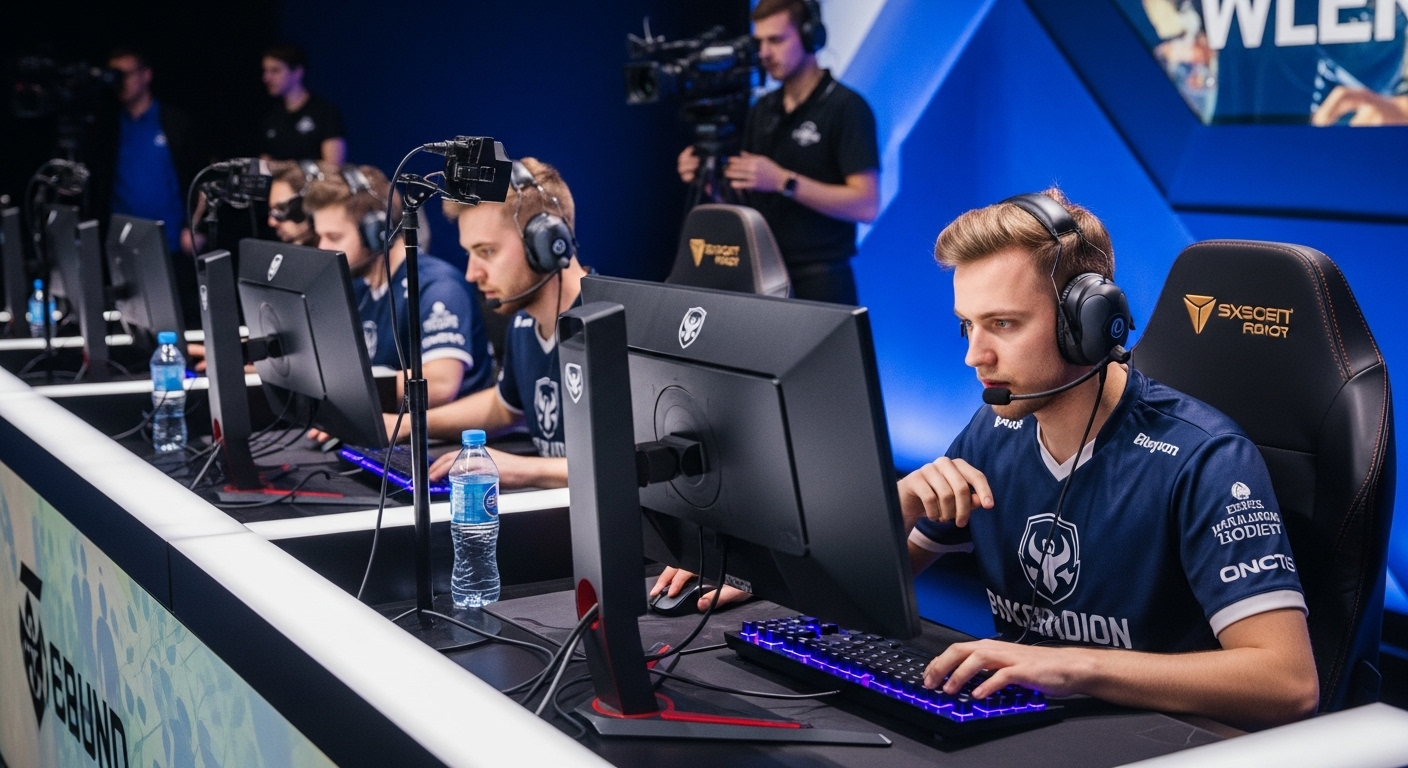
One of the fundamental aspects of esports is real-time coordination among teammates. Players must communicate efficiently to execute strategies, call out enemy positions, and adapt to changing game scenarios. Poor communication can lead to misunderstandings, missed opportunities, and ultimately, defeat.
Teams that excel at communication can synchronize their actions, cover each other’s weaknesses, and optimize their collective strengths. This requires trust, clarity, and a shared understanding of objectives. Voice chat, in-game pings, and even non-verbal cues play a vital role in fostering this communication.
2. Complementary Roles and Synergy
Esports teams are typically composed of players who specialize in different roles. For example, in a game like League of Legends, players take on positions such as top lane, mid lane, jungle, ADC (attack damage carry), and support. Each role has distinct responsibilities that contribute to the team’s overall success.
Effective teamwork means that players not only excel individually but also work together harmoniously. Each player’s role should complement the others, creating synergy. When roles mesh well, teams can control objectives, dominate battles, and maintain map control more effectively.
3. Conflict Resolution and Emotional Intelligence
High-stakes competition can bring stress, frustration, and conflict within teams. How a team manages interpersonal challenges often affects performance more than technical skill. Teams with good emotional intelligence—understanding and managing emotions within themselves and others—are better equipped to handle pressure and disagreements constructively.
Successful teams create an environment where members feel valued and heard. They resolve conflicts quickly and maintain morale even during tough losses. This emotional stability is crucial for long-term success.
4. Shared Goals and Commitment
A strong team shares a common vision and commitment to excellence. Each player must buy into the team’s goals, whether it’s winning a tournament, improving skills, or growing as a group. This shared purpose fuels motivation and persistence.
Teams that align their individual aspirations with collective objectives often outperform those with fragmented or selfish priorities. Unity in vision encourages cooperation and sacrifices for the team’s benefit.
The Crucial Role of Leadership in Esports
1. Strategic Direction and Decision Making
Leadership in esports involves guiding the team through strategic decisions and game planning. A good leader understands the game mechanics, meta strategies, and opponents’ tendencies. They help devise game plans that leverage the team’s strengths while exploiting weaknesses in the opposition.
In-game leaders (IGLs) or captains often make crucial calls such as when to engage or retreat, how to allocate resources, and what objectives to prioritize. Their ability to analyze situations rapidly and make sound decisions directly influences the team’s performance.
2. Motivation and Morale Boosting
A team leader is also responsible for maintaining motivation and morale. Esports can be mentally taxing, with long hours of practice, travel, and competition. Leaders inspire their teammates to push through challenges, maintain focus, and believe in their potential.
Motivation often comes from leading by example—displaying discipline, positivity, and resilience. Leaders who recognize achievements, provide constructive feedback, and encourage continuous improvement foster a healthy team atmosphere.
3. Conflict Management and Mediation
As mentioned earlier, conflicts inevitably arise. Leaders must step in as mediators to resolve disputes fairly and diplomatically. They ensure that disagreements do not escalate into toxic environments that harm team cohesion.
Effective leaders listen to different perspectives and work towards solutions that satisfy the team’s best interest. This role requires emotional intelligence, patience, and strong communication skills.
4. Development of Individual Players
Great leaders also focus on individual growth. They identify each player’s strengths and weaknesses, offering personalized coaching and support. This development helps players refine skills, increase confidence, and maximize their contributions to the team.
By nurturing talent, leaders ensure the team remains competitive over time. They also help players set realistic goals and hold them accountable, fostering a culture of continuous learning.
Case Studies of Successful Teamwork and Leadership in Esports
To understand the importance of teamwork and leadership in esports, examining successful teams provides valuable insights.
Case Study 1: Team Coordination in Dota 2
Dota 2 is a complex strategy game requiring meticulous teamwork. Teams like OG and Team Secret have demonstrated how strong communication and role synergy can lead to championship victories. These teams excel not only in individual skill but also in coordinating ganks, objective control, and team fights with precision.
Their success highlights how well-practiced strategies and mutual trust can turn games around even when facing setbacks.
Case Study 2: Leadership in League of Legends
In League of Legends, teams such as T1 and G2 Esports have thrived under strong leadership. The in-game leaders on these teams are known for their strategic acumen and ability to keep their teammates focused. They make decisive calls in high-pressure situations and maintain composure.
Their leadership often becomes the backbone of the team, ensuring that players work in harmony and adapt quickly to the evolving meta.
Building Strong Teams in Esports
1. Recruitment and Team Composition
Building a successful esports team starts with recruitment. Managers and coaches look for players whose skills and personalities fit the team’s philosophy. Compatibility is crucial because players must work closely, often under stressful conditions.
Diversity in skills and play styles can be an asset, but it must be balanced with a unified team culture.
2. Practice and Team Building Exercises
Regular practice is essential for developing teamwork. Beyond playing games, teams engage in team-building activities that enhance trust and communication. These exercises can include scenario training, reviewing gameplay footage, and even off-game social activities.
Such practices help players understand each other’s tendencies and build rapport.
3. Coaching and Leadership Training
Coaches play a pivotal role in guiding teams, focusing not only on gameplay but also on interpersonal dynamics. Leadership training can help captains and in-game leaders develop skills in communication, conflict resolution, and motivation.
This holistic approach strengthens the team’s internal structure and resilience.
Challenges in Teamwork and Leadership in Esports
1. Remote and Online Play
Many esports teams operate remotely or split across different locations. This geographic separation can hinder effective communication and bonding. Leaders must find ways to bridge these gaps through digital tools and regular meetings.
2. Personality Clashes
Highly competitive environments sometimes lead to clashes between strong personalities. Managing egos and ensuring mutual respect is an ongoing challenge for leaders.
3. Mental Health and Burnout
The intense schedule and pressure of esports can lead to burnout and mental health issues. Leadership must prioritize player well-being and foster open conversations about stress and mental health.
The Future of Teamwork and Leadership in Esports
As esports continues to grow, the importance of teamwork and leadership will only increase. Advances in technology, such as virtual reality and AI coaching tools, will enhance training and communication.
Organizations are investing more in leadership development programs and mental health resources. This holistic approach promises to make esports more sustainable and competitive.
Conclusion
Teamwork and leadership are the cornerstones of success in esports. While individual skill can create moments of brilliance, it is the coordinated effort of a well-led team that consistently wins championships. Effective communication, role synergy, conflict resolution, and shared goals build strong teams. Meanwhile, visionary leadership guides strategic decisions, motivates players, manages conflicts, and nurtures talent.
As esports evolves, embracing these human elements will remain vital. Players, coaches, and organizations who prioritize teamwork and leadership will not only achieve competitive success but also contribute to the long-term growth and professionalism of the esports industry.