How Universities Embrace Competitive Gaming
In recent years, universities around the world have increasingly recognized competitive gaming—also known as esports—as a legitimate and powerful force within both education and entertainment. What was once considered a casual hobby has become a global industry valued in the billions, drawing millions of players and fans across continents. Universities, long-standing institutions of learning and culture, are now embracing esports not only as a student activity but as an academic field, a career pathway, and a means of community building.
This transformation marks a significant cultural and educational shift. From building dedicated esports arenas to offering scholarships and degrees, universities are investing heavily in competitive gaming to attract students, encourage innovation, and prepare graduates for emerging careers in digital industries.
This article explores how universities are embracing competitive gaming—covering its rise on campuses, academic integration, scholarship opportunities, community impact, and what this means for the future of education.
The Rise of Esports in Higher Education
Esports’ journey from casual pastime to a cornerstone of university life has been rapid and transformative. As competitive gaming gained mainstream popularity through titles like League of Legends, Valorant, Dota 2, and Counter-Strike, educational institutions began noticing its potential to engage students, promote teamwork, and enhance technological literacy.
Initially, universities saw esports clubs as student-led initiatives—groups of passionate gamers gathering to compete and represent their schools informally. However, as esports tournaments became larger and more organized, universities realized the opportunities lying within structured support.
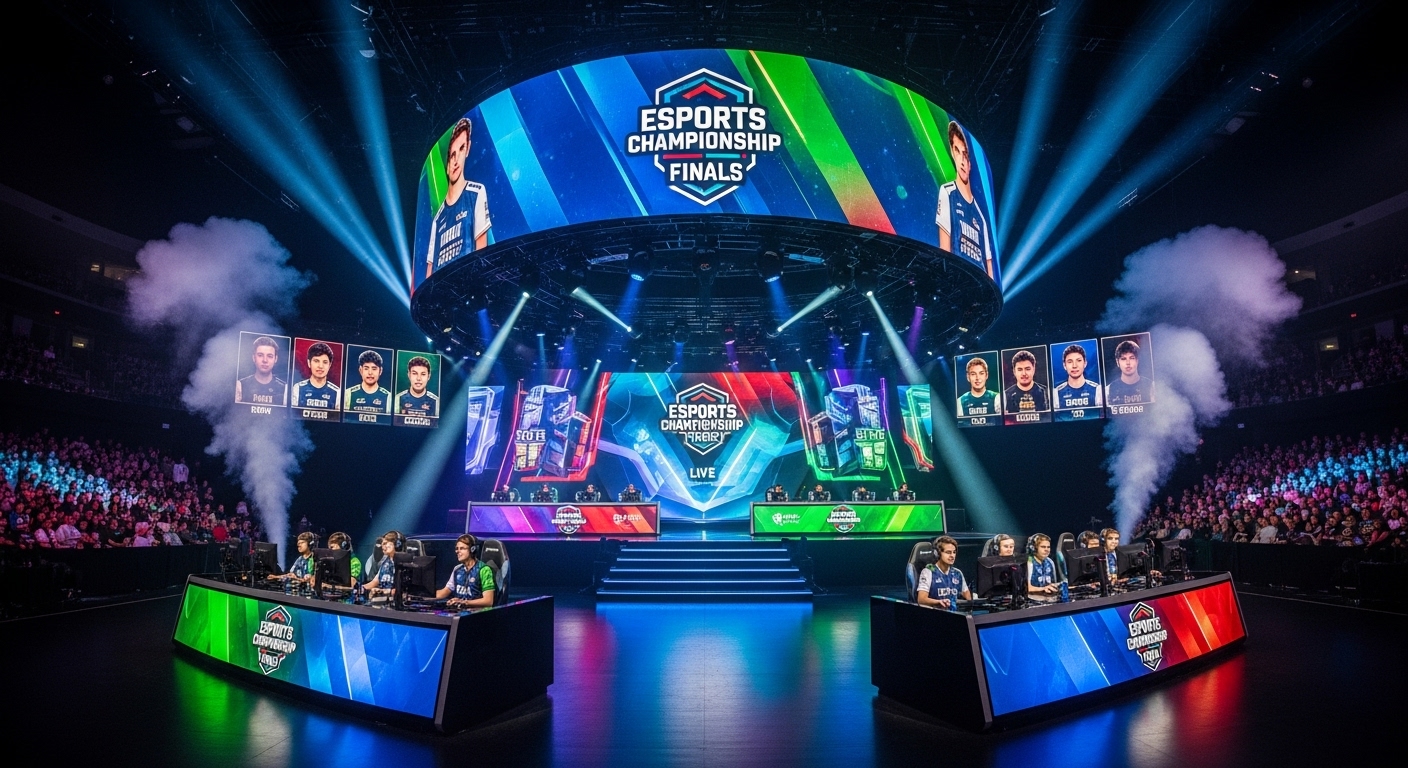
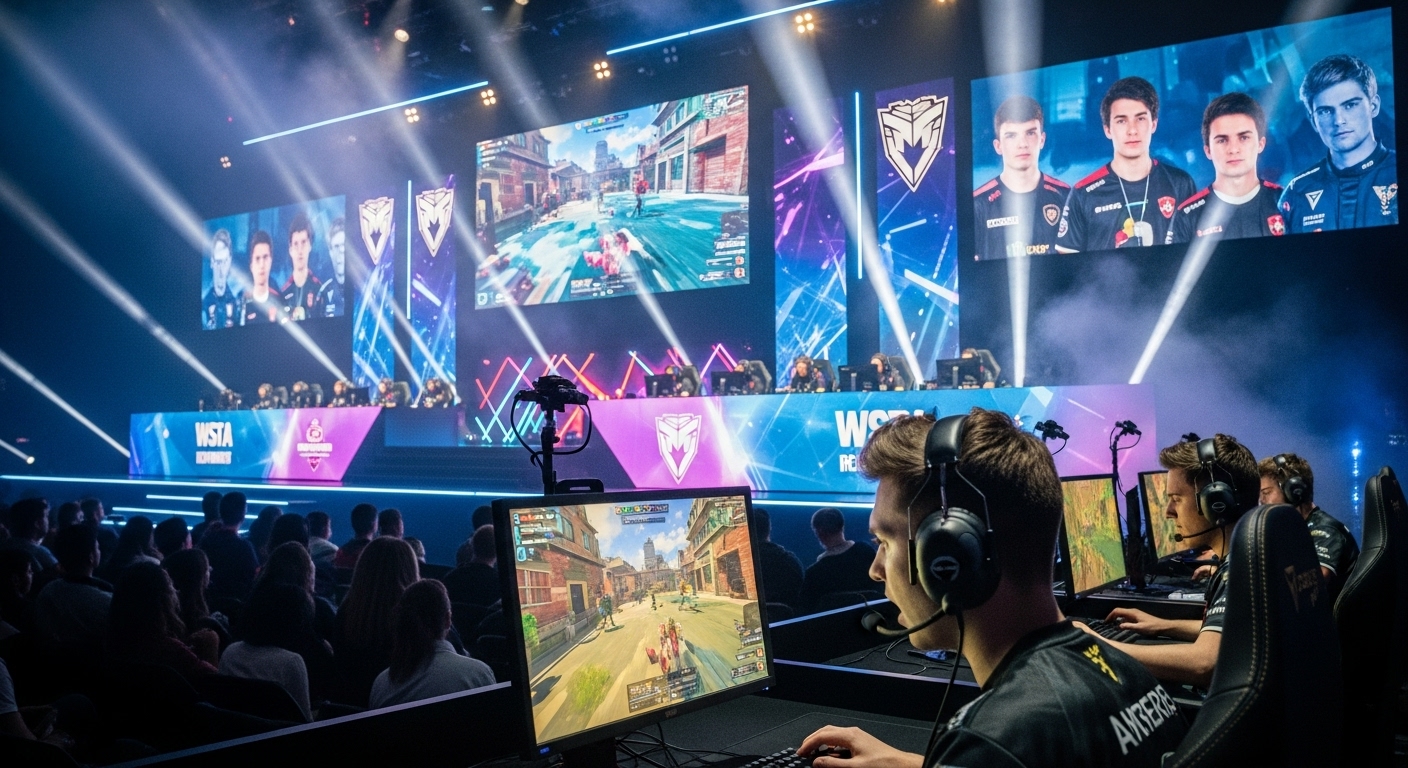
Today, universities across North America, Europe, and Asia host official esports programs, some even competing in national and international collegiate leagues. These programs provide players with resources comparable to traditional sports teams—coaches, analysts, training schedules, and dedicated facilities.
Why Universities Are Investing in Esports
The decision to embrace esports is not just about entertainment; it’s a strategic investment. Universities recognize several key benefits that competitive gaming brings to their campuses and reputations.
1. Student Engagement and Recruitment
In an increasingly digital world, universities compete to attract and retain students. Esports provides a unique avenue for engagement—appealing to tech-savvy, passionate students who might not participate in traditional athletics.
Esports teams and clubs create a vibrant campus culture and often serve as a gateway to attracting students interested in game design, computer science, and media studies.
2. Career Preparation
Esports is not just about playing games—it encompasses business, marketing, event management, broadcasting, coaching, and data analytics. Universities that incorporate esports into their curricula are preparing students for a variety of career paths in this growing industry.
By teaching technical, strategic, and creative skills, institutions bridge the gap between gaming passion and professional opportunity.
3. Innovation and Research
Esports has become a fertile ground for academic research in areas such as artificial intelligence, psychology, and performance analytics. Universities use competitive gaming to explore human behavior, teamwork, cognitive performance, and machine learning applications.
4. Inclusivity and Community Building
Unlike traditional sports, esports can be more inclusive—allowing people of diverse backgrounds, genders, and physical abilities to compete on equal footing. Universities value esports for its community-driven nature, which helps foster social interaction, cultural exchange, and campus unity.
University Esports Programs Around the World
The adoption of esports varies by region, but the trend is unmistakably global. Here’s how universities in different parts of the world are embracing competitive gaming.
United States
The U.S. leads in collegiate esports, with hundreds of universities running varsity-level programs. Institutions like the University of California Irvine (UCI), Maryville University, and Boise State University are pioneers.
UCI was among the first to establish an official esports program, complete with scholarships, professional coaching, and a dedicated esports arena.
Additionally, organizations like the National Association of Collegiate Esports (NACE) help regulate and support collegiate leagues, ensuring fair competition and structured development.
United Kingdom
In the UK, universities collaborate through NUEL (National University Esports League) and British Esports Federation to organize tournaments and workshops. Institutions such as Staffordshire University and the University of Roehampton offer degrees specifically focused on esports management and production.
These programs blend academic theory with practical training, preparing students for roles in broadcasting, event planning, and marketing within the gaming sector.
Asia
Asia’s universities, particularly in South Korea, China, and Singapore, have integrated esports deeply into their educational frameworks.
- South Korea, known as the birthplace of esports, has universities offering specialized esports courses and degrees. Students can major in areas like game strategy, coaching, and event management.
- China recognizes esports as a professional career, and universities such as the Communication University of China now train students for gaming-related roles.
- Singapore’s polytechnics have esports diplomas that focus on media production and entrepreneurship, helping bridge technology with creative industries.
Europe and the Middle East
Countries like France, Germany, and the Netherlands have begun funding esports academies within universities, often supported by national governments. The United Arab Emirates hosts international university esports events, positioning itself as a regional hub for gaming education.
Academic Integration of Esports
Beyond competition, esports has found its way into academic programs and research initiatives. Universities are offering dedicated degrees, minors, and modules that cover various aspects of the industry.
1. Esports Management and Business
Courses in esports management teach students how to organize tournaments, handle sponsorships, market teams, and build esports brands.
For example, Staffordshire University’s Bachelor’s in Esports focuses on strategic management, event production, and digital marketing.
2. Game Design and Development
Many universities connect esports programs with their computer science or game development departments. Students learn to design competitive games, create balanced mechanics, and understand player psychology.
3. Broadcasting and Production
Esports tournaments rely heavily on high-quality broadcasting. Students in media or communication programs gain hands-on experience in live production, streaming technology, and content creation.
4. Health and Performance Studies
Some institutions explore the physical and psychological aspects of esports. They research topics like player ergonomics, reaction times, and mental health—aiming to improve athlete well-being and performance sustainability.
5. Artificial Intelligence and Data Analytics
AI is revolutionizing how esports teams analyze performance. Universities use esports data to train algorithms for predicting outcomes, improving player decision-making, and designing smarter gaming systems.
Scholarships and Funding Opportunities
One of the most tangible signs of universities embracing esports is the rise of esports scholarships. Much like traditional sports scholarships, these programs reward talented players and support them academically and financially.
- North America leads the way, with universities like Robert Morris University and Harrisburg University offering substantial scholarships to top players.
- In Europe, several universities provide partial scholarships or funding for esports societies and travel expenses to tournaments.
- Asia has also started implementing esports scholarships, particularly in China and South Korea, where esports is considered a recognized profession.
These scholarships validate gaming as a serious pursuit and motivate students to balance academics with competitive performance.
Esports Facilities on Campus
Universities have begun constructing high-end esports facilities to provide students with professional-level environments for training and competition.
These spaces often include:
- State-of-the-art gaming PCs and peripherals
- Broadcast and recording studios
- Spectator seating for live matches
- Analysis rooms for coaches and data teams
- VR or AR labs for experimental gameplay
Examples include:
- University of California Irvine’s Esports Arena, one of the first university-owned esports centers in the U.S.
- Boise State University’s Esports Arena, known for live broadcasts and production training.
- Singapore’s Temasek Polytechnic Esports Lab, where students collaborate with industry professionals for real-world experience.
Such facilities not only enhance player performance but also serve as innovation hubs for research and community events.
The Role of University Esports Clubs
Even before official programs, student-led esports clubs were the heartbeat of campus gaming culture. These clubs remain essential to fostering grassroots enthusiasm.
Clubs organize inter-university tournaments, workshops, and charity streams. They encourage inclusivity and leadership development, teaching students teamwork, communication, and organizational skills.
In many universities, successful clubs have evolved into formal varsity teams after proving their value through competitive success and community engagement.
Research and Innovation in Esports
Universities are also leveraging esports as a research frontier. The competitive nature of gaming provides data-rich environments for studying performance psychology, human-computer interaction, and AI applications.
Researchers analyze player decision-making under pressure, strategies for stress management, and the impact of gaming on cognitive development. Additionally, collaborations with gaming companies allow universities to contribute to technological innovation in areas like real-time analytics and adaptive game design.
Global University Esports Leagues
University-level competition has grown immensely, with leagues providing structure and visibility to college esports programs.
Some major examples include:
- College League of Legends (CLOL) in North America, run by Riot Games
- European University Esports League (EUEL)
- ASEAN University Esports Championship in Southeast Asia
- Global Esports Games (GEG) which includes university-level divisions
These tournaments give students the chance to compete internationally, network with professionals, and gain exposure to global audiences.
Challenges Universities Face in Esports Integration
While the momentum is strong, integrating esports into academia comes with challenges.
- Balancing Academics and Competition: Students must manage gaming schedules alongside coursework.
- Health and Well-Being: Excessive screen time and high competition pressure can lead to burnout.
- Funding and Infrastructure: Smaller universities may lack resources to build esports programs.
- Recognition and Stigma: Some traditionalists still view gaming as non-educational, requiring ongoing advocacy to shift perceptions.
Addressing these challenges is essential to making esports a sustainable part of university life.
The Future of Esports in Universities
The future looks bright for collegiate esports. As technology evolves, universities will likely integrate gaming more deeply into learning, research, and student development. Expect to see:
- Expanded degree programs in esports and gaming sciences
- Increased partnerships between universities and esports organizations
- Greater emphasis on wellness and mental health for players
- More global inter-university competitions
- Inclusion of esports in career services and internship opportunities
Esports could soon become as central to campus identity as traditional sports—bridging digital innovation with student life.
Conclusion
The embrace of competitive gaming by universities represents a major milestone in both education and entertainment. What began as small gaming clubs has blossomed into a global academic movement supported by scholarships, research, and career opportunities.
By recognizing esports as both a discipline and a cultural force, universities are preparing students for a future where digital competition, creativity, and technology intersect.
As more institutions adopt esports programs, the line between virtual and traditional competition continues to blur—creating new communities, inspiring innovation, and shaping the next generation of professionals in gaming and beyond.