The Digital Arena: How Esports is Redefining the Future of Competitive Gaming
Esports has rapidly evolved from a small niche of video game enthusiasts into a global phenomenon that rivals traditional sports in scale, viewership, and revenue. Over the past decade, competitive gaming has transformed from local arcade tournaments into multi-million-dollar global championships, drawing millions of spectators from around the world. This digital revolution has not only created new career paths but also redefined how people perceive sports, entertainment, and technology. In this blog, we will explore the rise of esports, its impact on society, the industries it influences, and the future it promises in an increasingly connected world.
The Origins and Evolution of Esports
The concept of competitive gaming dates back to the 1970s when video games first became accessible to the public. Early competitions were small events held in universities or local arcades, where players would compete in games like Space Invaders and Pong. These early contests laid the foundation for what would eventually become the modern esports industry.
The 1990s saw a major shift with the rise of the internet, which allowed players to compete against each other globally rather than being limited to physical venues. Games like Doom, Quake, and StarCraft became the cornerstone of early online gaming competitions. South Korea, in particular, played a pivotal role in shaping the esports landscape during this period. The country’s government invested in digital infrastructure, and gaming quickly became a national pastime. Televised gaming tournaments began airing regularly, and professional gamers were treated like celebrities.
As technology advanced in the 2000s, high-speed internet, improved graphics, and streaming platforms like Twitch and YouTube revolutionized how audiences could watch and engage with esports. These platforms turned gaming into a spectator sport, allowing fans to watch their favorite players and teams in real-time, no matter where they were in the world.
The Growth of the Esports Industry
Today, esports has grown into a billion-dollar industry. Major gaming titles such as League of Legends, Dota 2, Counter-Strike, Valorant, and Fortnite have become staples of the competitive gaming world. These games host international tournaments with massive prize pools, often exceeding tens of millions of dollars.
What sets esports apart is its accessibility. Unlike traditional sports, which require physical prowess, expensive equipment, or specific environments, esports can be played by anyone with a computer, console, or smartphone. This inclusivity has contributed to the rapid growth of its player base and audience.
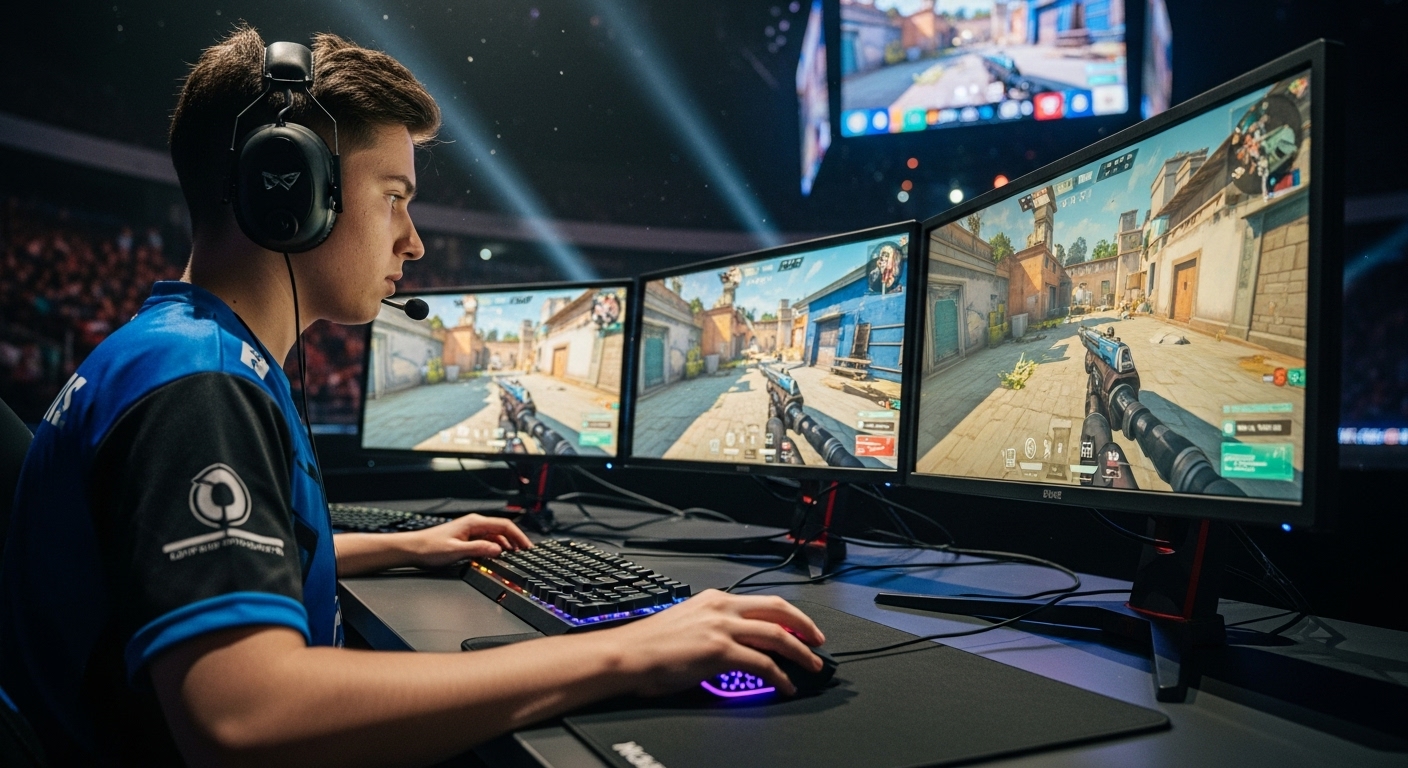
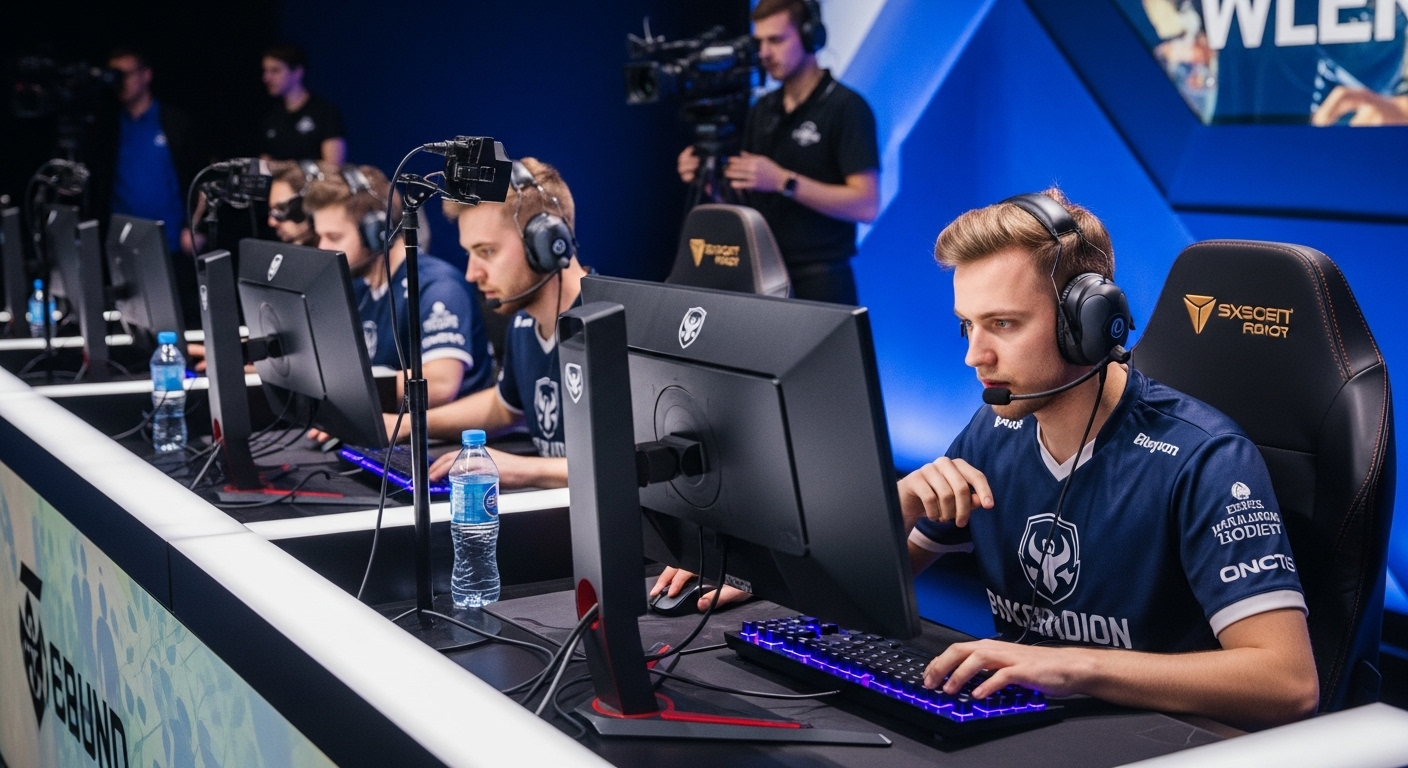
Organizations have formed professional teams, complete with coaches, analysts, and sponsors. Esports athletes train rigorously, often practicing for ten or more hours a day to refine their skills and strategies. Many teams operate out of gaming houses, where players live and train together, developing coordination and teamwork comparable to traditional sports teams.
The involvement of major corporations has also propelled esports into the mainstream. Companies in technology, energy drinks, apparel, and even traditional sports franchises have invested heavily in esports sponsorships. This influx of capital has further legitimized esports as a professional and financially viable career path.
Esports as a Career
One of the most fascinating aspects of esports is how it has created entirely new professions. Beyond professional players, there are now opportunities in game design, event management, broadcasting, coaching, and content creation.
Professional esports players, often referred to as pro gamers, can earn income through tournament winnings, streaming, sponsorships, and brand deals. Top players can earn millions annually, rivaling the salaries of athletes in traditional sports. For instance, Dota 2’s The International has awarded record-breaking prize pools, making it one of the highest-paying tournaments in esports history.
In addition to players, commentators known as shoutcasters have become central figures in esports entertainment. Their energetic and insightful commentary enhances the viewing experience, much like sports commentators in football or basketball.
Content creators and streamers also play a huge role in the esports ecosystem. Platforms like YouTube and Twitch have enabled gamers to build personal brands, connect with fans, and generate revenue through advertisements, subscriptions, and donations.
Esports has also opened doors for coaches, analysts, and support staff. Coaches guide players on strategies, team coordination, and psychological preparedness, while analysts study opponents’ gameplay to provide insights and counter-strategies. This professionalization mirrors traditional sports teams, showing how structured and serious competitive gaming has become.
The Cultural Impact of Esports
The cultural influence of esports extends beyond gaming itself. It has created communities, shaped modern entertainment, and influenced fashion, music, and even education.
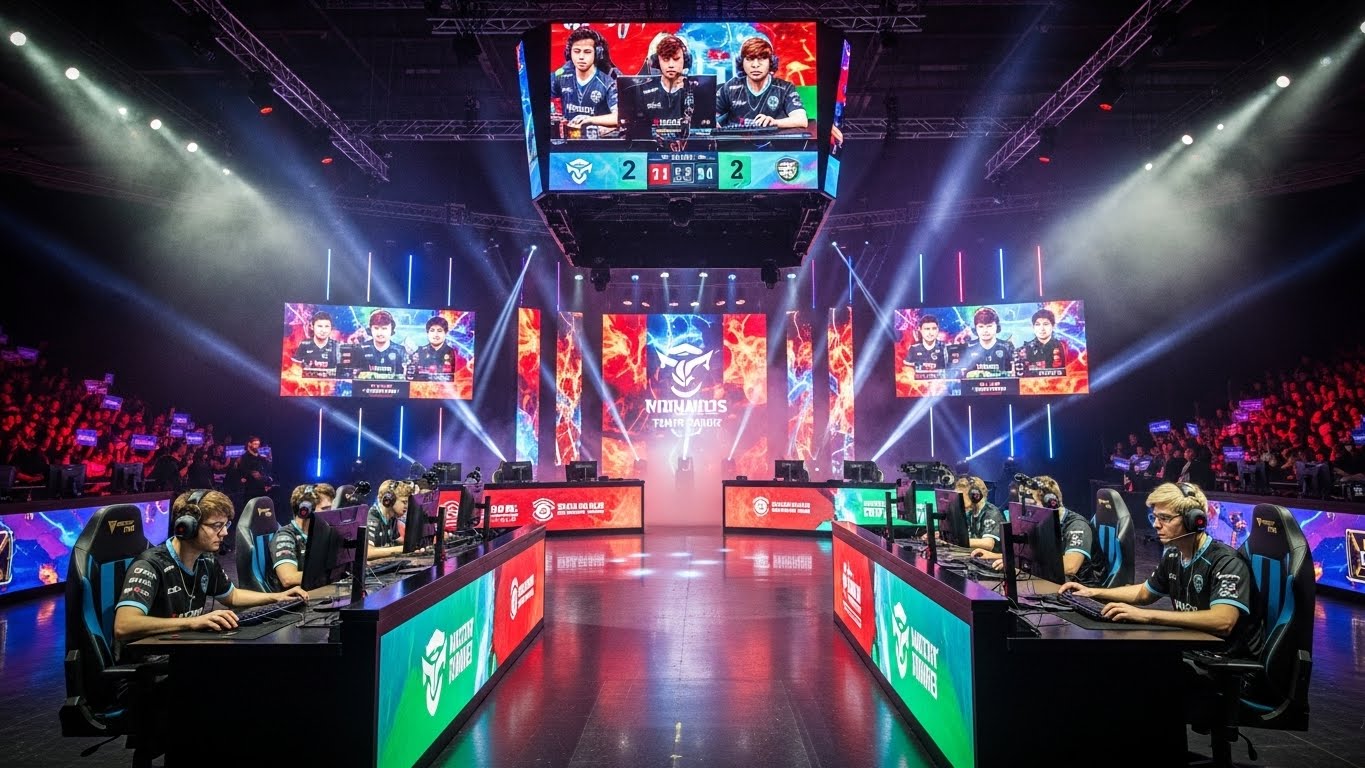
Gaming culture, once perceived as niche, is now mainstream. Esports events fill stadiums and arenas, with fans cheering for their favorite teams just like they would at a football or basketball game. The 2018 League of Legends World Championship, for example, had more viewers than the Super Bowl that same year, highlighting how massive the esports audience has become.
Moreover, esports has contributed to a sense of global community. Players and fans from around the world come together to share their passion, transcending geographical and cultural boundaries. This inclusivity has fostered friendships, collaborations, and shared experiences that unite people in ways traditional sports sometimes cannot.
Fashion and lifestyle brands have also embraced esports culture. Major clothing companies have launched collaborations with esports teams and organizations, creating apparel lines inspired by gaming aesthetics. Music artists frequently perform at major esports events, blending pop culture with competitive gaming in a way that appeals to younger audiences.
Esports and Education
The growing recognition of esports has also reached educational institutions. Many universities and colleges now offer esports scholarships, much like traditional sports programs. These scholarships encourage students to pursue their passion for gaming while earning a degree.
Additionally, esports education extends beyond playing. Courses on game design, event management, marketing, and broadcasting are being introduced to equip students with skills relevant to the expanding esports industry. This academic integration not only validates esports as a legitimate pursuit but also creates future career pathways for aspiring professionals.
Some schools even use esports as a teaching tool to develop skills such as teamwork, strategic thinking, and communication. By participating in esports clubs and tournaments, students learn how to collaborate effectively, manage time, and handle both victory and defeat gracefully.
The Economic Influence of Esports
Esports has become a significant contributor to the global economy. The industry generates revenue through sponsorships, advertising, ticket sales, merchandise, and digital media rights. Major esports events attract millions of viewers, making them attractive platforms for brands to advertise their products.
Cities around the world are recognizing the economic potential of hosting esports tournaments. Similar to how traditional sports attract tourism and boost local economies, esports events fill hotels, restaurants, and arenas with fans and professionals. Some governments are even supporting esports initiatives to promote technology development and digital entrepreneurship.
The esports industry also drives innovation in related sectors such as hardware, software, and streaming technology. Companies continue to develop advanced gaming equipment, including high-performance computers, peripherals, and virtual reality devices, to enhance the competitive gaming experience.
Challenges Facing Esports
Despite its success, esports faces several challenges that could affect its long-term growth. One major issue is player burnout. The intense training schedules, constant travel, and competitive pressure can take a toll on players’ mental and physical health. Many professional gamers retire in their early twenties due to stress or fatigue.
Another challenge is the lack of standardized regulations across different games and regions. Unlike traditional sports, which have governing bodies, esports operates in a fragmented ecosystem. Each game developer often sets its own rules and tournament formats, which can create inconsistencies.
Toxicity and online harassment are also concerns within the gaming community. Efforts are being made to promote inclusivity and create safer online environments, but there is still progress to be made.
Lastly, maintaining the balance between commercialization and authenticity remains a challenge. As esports grows more lucrative, there is a risk that the focus could shift from passion and competition to profit and marketing. Maintaining the community-driven spirit that originally fueled esports is crucial for its continued success.
The Future of Esports
The future of esports looks incredibly bright. Technological advancements, such as virtual reality (VR), augmented reality (AR), and artificial intelligence (AI), are expected to reshape the gaming experience. These innovations could make esports even more immersive and interactive, both for players and viewers.
The introduction of mobile esports is another trend that is expanding accessibility. Mobile gaming allows anyone with a smartphone to compete, widening the global player base, especially in regions where gaming consoles and high-end computers are less common.
Moreover, as esports continues to grow, it is gaining recognition as a legitimate sport. The International Olympic Committee has already begun discussions about incorporating esports into future Olympic events. This acknowledgment further cements esports as a major force in the global entertainment and sports industries.
With increasing investment, technological advancement, and global participation, esports is set to become one of the defining cultural movements of the digital age.
Conclusion
Esports has transcended the boundaries of gaming to become a global cultural and economic powerhouse. It represents the perfect fusion of technology, entertainment, and competition. What started as a pastime for a few passionate gamers has evolved into a profession that inspires millions.
As the industry continues to grow, it will influence future generations in ways we can only begin to imagine. Esports is not just about playing games; it is about innovation, community, and the power of digital connection. The rise of esports marks a new chapter in human competition—one where skill, strategy, and technology come together to create the sports of the future.