Introduction to Esports
Esports, or electronic sports, has rapidly evolved from a niche hobby into a global phenomenon. It is not merely about playing video games for fun anymore; it has transformed into a professional and organized form of competition that attracts millions of viewers, sponsors, and investors worldwide. The growth of esports has redefined the meaning of sports and entertainment in the digital age, combining skill, strategy, teamwork, and technology in a way that resonates deeply with modern audiences.
In the early 2000s, few could have predicted that video games would one day fill stadiums, attract corporate sponsorships, and produce millionaire players. Yet today, esports is not only recognized as a legitimate competitive discipline but also a major industry with its own culture, stars, and fanbase. The journey from arcade competitions to multimillion-dollar tournaments is a story of innovation, passion, and digital revolution.
The Origins of Esports
The roots of esports stretch back to the late 20th century, long before it became a mainstream spectacle. The first known video game competition took place in 1972 at Stanford University, where students competed in the game “Spacewar.” The prize was modest—a subscription to a technology magazine—but it marked the beginning of organized competitive gaming.
In the 1980s, arcade games like “Pac-Man” and “Donkey Kong” popularized high-score challenges, with players striving to get their names at the top of leaderboards. Television programs even began to feature gaming contests, further fueling public interest. However, it was the 1990s that truly laid the foundation for modern esports, thanks to advancements in computer technology and internet connectivity. Games like “Quake,” “StarCraft,” and “Counter-Strike” introduced competitive multiplayer formats that allowed players from different locations to face off in real-time.
By the early 2000s, professional gaming organizations began to emerge, offering structured leagues, sponsorships, and cash prizes. South Korea played a pivotal role during this period, with the establishment of the Korean e-Sports Association and the massive popularity of “StarCraft: Brood War.” Korean players became national celebrities, and televised esports matches drew millions of viewers, setting the stage for the global expansion that followed.
The Explosion of Esports in the 2010s
The 2010s marked the golden decade for esports, where it transitioned from underground tournaments to mainstream entertainment. Streaming platforms revolutionized the way audiences consumed esports content. Services such as Twitch, YouTube, and various regional platforms allowed fans to watch professional players compete live from anywhere in the world. This democratization of content made esports accessible to a broader audience and turned professional gamers into global influencers.
Game developers also began to recognize the massive potential of esports as a business and cultural force. Titles like “League of Legends,” “Dota 2,” and “Counter-Strike: Global Offensive” became household names in the competitive scene. These games built strong ecosystems with professional leagues, structured tournaments, and consistent prize pools. “The International,” the annual Dota 2 championship, became one of the most lucrative tournaments in history, with prize pools surpassing tens of millions of dollars, largely funded by the community itself.
Another factor behind esports’ explosion was its ability to unite diverse audiences. Unlike traditional sports that often require physical skill or regional infrastructure, esports opened the door for anyone with talent and access to technology to compete on an international level. The inclusivity and accessibility of the scene encouraged young players to dream big, often practicing for years to join the ranks of professional gamers.
The Professionalization of Esports
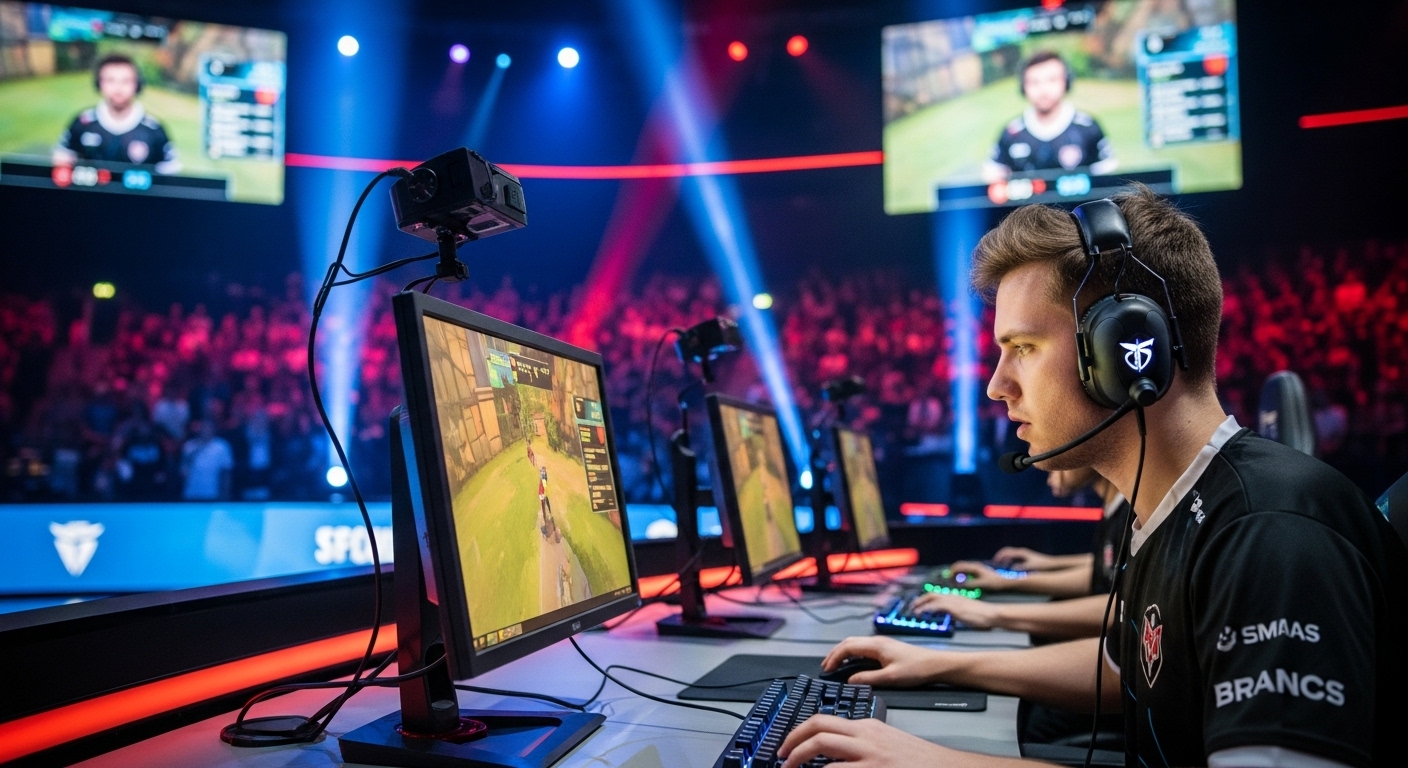
As esports matured, it began adopting the structure and professionalism of traditional sports. Teams now have managers, coaches, analysts, nutritionists, and even psychologists. Players sign contracts with organizations, often worth hundreds of thousands of dollars annually. Training facilities, known as boot camps, provide environments where players can practice for up to ten hours a day, focusing on mechanics, communication, and teamwork.
Sponsorship and branding became major revenue sources. Global corporations from technology, energy drinks, fashion, and automotive industries began investing heavily in esports. This influx of corporate interest not only brought financial stability but also added legitimacy to the industry. Esports athletes started appearing in advertisements, documentaries, and mainstream talk shows.
Education institutions also entered the scene. Universities in countries like the United States, South Korea, and China started offering scholarships for esports players, while others developed academic programs dedicated to esports management, marketing, and game design. These steps highlighted how esports was not just a pastime but a viable career path and industry sector.
The Global Esports Ecosystem
The esports landscape is vast and diverse, covering multiple genres and regions. Major esports titles can be divided into several categories:
- Multiplayer Online Battle Arenas (MOBA): Games like “League of Legends” and “Dota 2” dominate this genre, focusing on team strategy, coordination, and real-time decision-making.
- First-Person Shooters (FPS): “Counter-Strike,” “Valorant,” and “Call of Duty” are prime examples of FPS games where reflexes, aim, and tactics determine victory.
- Battle Royale Games: Titles such as “Fortnite” and “PUBG” popularized large-scale survival-based gameplay where many players compete until only one remains.
- Sports Simulations: Games like “FIFA” and “NBA 2K” replicate traditional sports in virtual environments, appealing to fans of real-world athletics.
- Fighting Games: “Street Fighter,” “Tekken,” and “Super Smash Bros.” remain favorites for players who prefer one-on-one skill-based competition.
Each of these genres has its own global circuit, community, and culture. Regional tournaments feed into international championships, creating a year-round calendar of events that keep fans engaged.
The Role of Technology in Esports
Technology is the backbone of esports. High-performance computers, ultra-fast internet, and advanced graphics have elevated gaming experiences to new heights. The introduction of 5G and cloud gaming technologies promises even smoother performance, making esports more accessible on mobile and low-cost devices.
Artificial intelligence and data analytics are also playing a crucial role in improving player performance and viewer engagement. Teams analyze player statistics, game patterns, and opponent tendencies to develop strategies. On the spectator side, production teams use augmented reality and real-time graphics to create dynamic broadcasts that rival traditional sports coverage.
Moreover, virtual reality (VR) and augmented reality (AR) are expected to revolutionize how audiences experience esports in the coming years. Interactive and immersive viewing experiences could allow fans to watch games from within the virtual arena itself, blurring the line between player and spectator.
Esports and the Media
Esports has become a major content driver for digital media. Streaming personalities and professional players have amassed millions of followers on platforms where they share live gameplay, tutorials, and lifestyle content. The relationship between streamers and their fans is personal and direct, creating strong community bonds that traditional sports rarely achieve.
Major television networks and streaming services have started broadcasting esports events, bringing them to even broader audiences. Documentaries and films about esports athletes have also emerged, highlighting the dedication, pressure, and mental challenges involved in professional gaming.
Social media has amplified esports’ influence. Twitter, Instagram, and TikTok serve as platforms for instant highlights, fan discussions, and promotional content, further integrating esports into popular culture.
The Cultural Impact of Esports
Beyond competition, esports has become a cultural movement. It reflects the values of the digital generation—innovation, inclusivity, and creativity. Gaming communities are vibrant social spaces where friendships form across borders, languages, and backgrounds.
Esports has also influenced fashion, music, and entertainment. Many game developers collaborate with musicians and fashion brands to create in-game concerts, virtual merchandise, and cross-media events. These collaborations merge the physical and digital worlds in ways that resonate with younger audiences.
Furthermore, esports has challenged traditional perceptions of athletes and physicality. It has proven that mental agility, focus, and teamwork are as crucial as physical strength. The debate over whether esports should be included in events like the Olympics continues, but its growing popularity indicates that digital sports are here to stay.
The Economic Power of Esports
The financial impact of esports is staggering. The global esports market is projected to generate billions of dollars annually through sponsorships, advertising, media rights, and merchandise. Prize pools for major tournaments rival those of traditional sporting events, while streaming platforms generate additional income through subscriptions and donations.
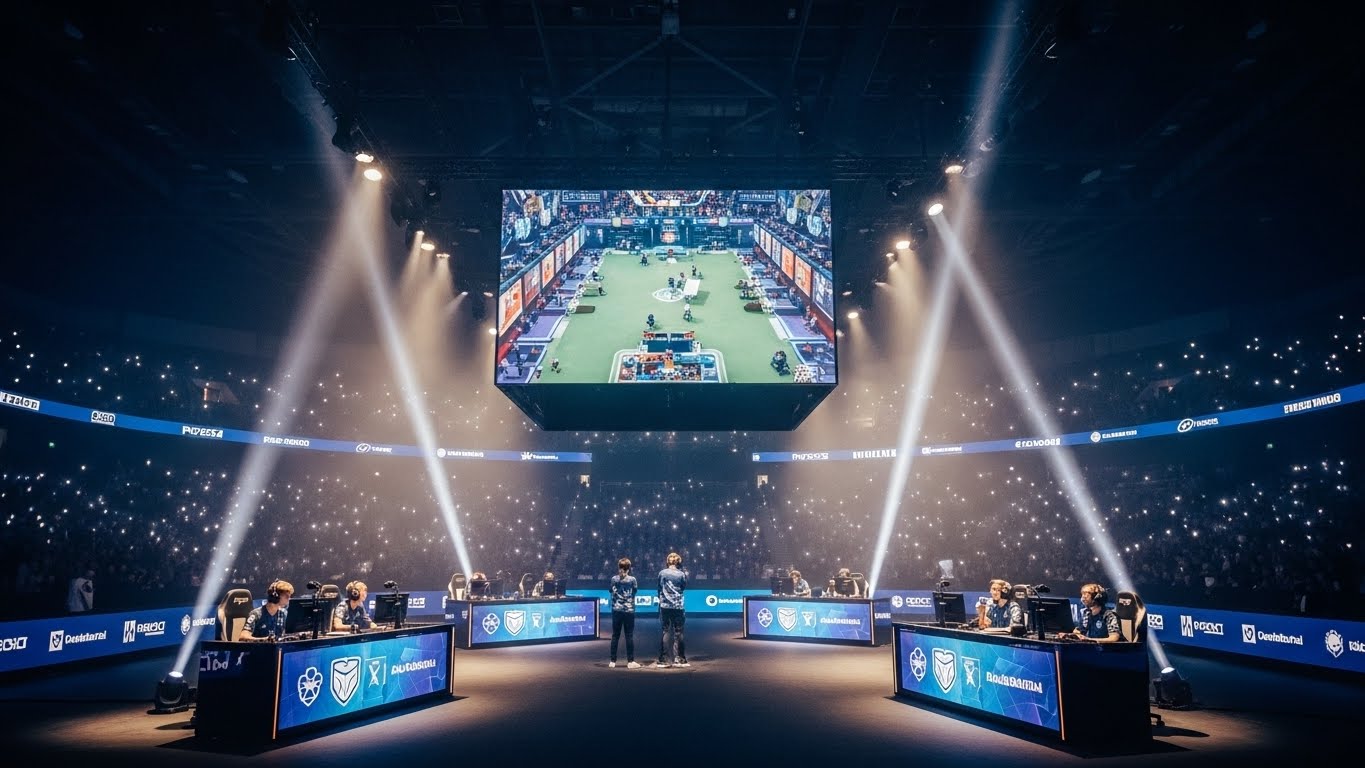
Esports arenas are being built around the world, hosting sold-out events that bring fans together just like football or basketball games. Cities that host major tournaments benefit economically from tourism, media exposure, and local business growth.
Additionally, the gaming industry itself benefits from esports’ popularity. When a game gains competitive recognition, its player base often expands dramatically, boosting sales and in-game purchases. This symbiotic relationship between gaming and esports fuels continuous innovation and market growth.
The Challenges Facing Esports
Despite its success, esports faces several challenges. Player burnout is a significant issue due to intense schedules, long practice hours, and mental pressure. The lack of standardized regulations across different regions and games can also lead to inconsistencies in player treatment and tournament management.
Another major concern is cheating and match-fixing. As the stakes grow higher, so does the temptation to manipulate outcomes. Organizations have implemented strict anti-cheating measures, but maintaining integrity remains a constant battle.
Toxic behavior and online harassment within gaming communities are additional hurdles. Many esports organizations are actively promoting positive conduct and mental health awareness to create a more inclusive and sustainable environment.
The Future of Esports
The future of esports looks incredibly promising. With the rise of mobile gaming, more people than ever are engaging in competitive play. Regions such as South Asia, the Middle East, and Africa are emerging as new hotspots for esports growth, bringing fresh talent and audiences to the global stage.
Educational institutions will likely play an even bigger role, producing not just players but also professionals skilled in event management, broadcasting, marketing, and game development. Government recognition and support are also increasing, with some countries establishing national esports federations and including esports in sporting policies.
As technology evolves, so will the formats and experiences surrounding esports. Virtual stadiums, interactive viewership, and AI-driven commentary are on the horizon, potentially redefining how we perceive competition altogether.
Conclusion
Esports represents more than just gaming—it symbolizes the transformation of entertainment, technology, and human connection in the digital age. From humble beginnings in university basements to sold-out arenas and billion-dollar sponsorships, esports has proven its power to unite people across the globe through passion, skill, and innovation.
Its rise has blurred the line between sports and technology, creating a dynamic and inclusive industry that continues to shape modern culture. As we look to the future, esports stands as a testament to how digital creativity and human competition can coexist, evolve, and inspire generations to come.
In essence, esports is not just the future of gaming—it is the future of entertainment itself.