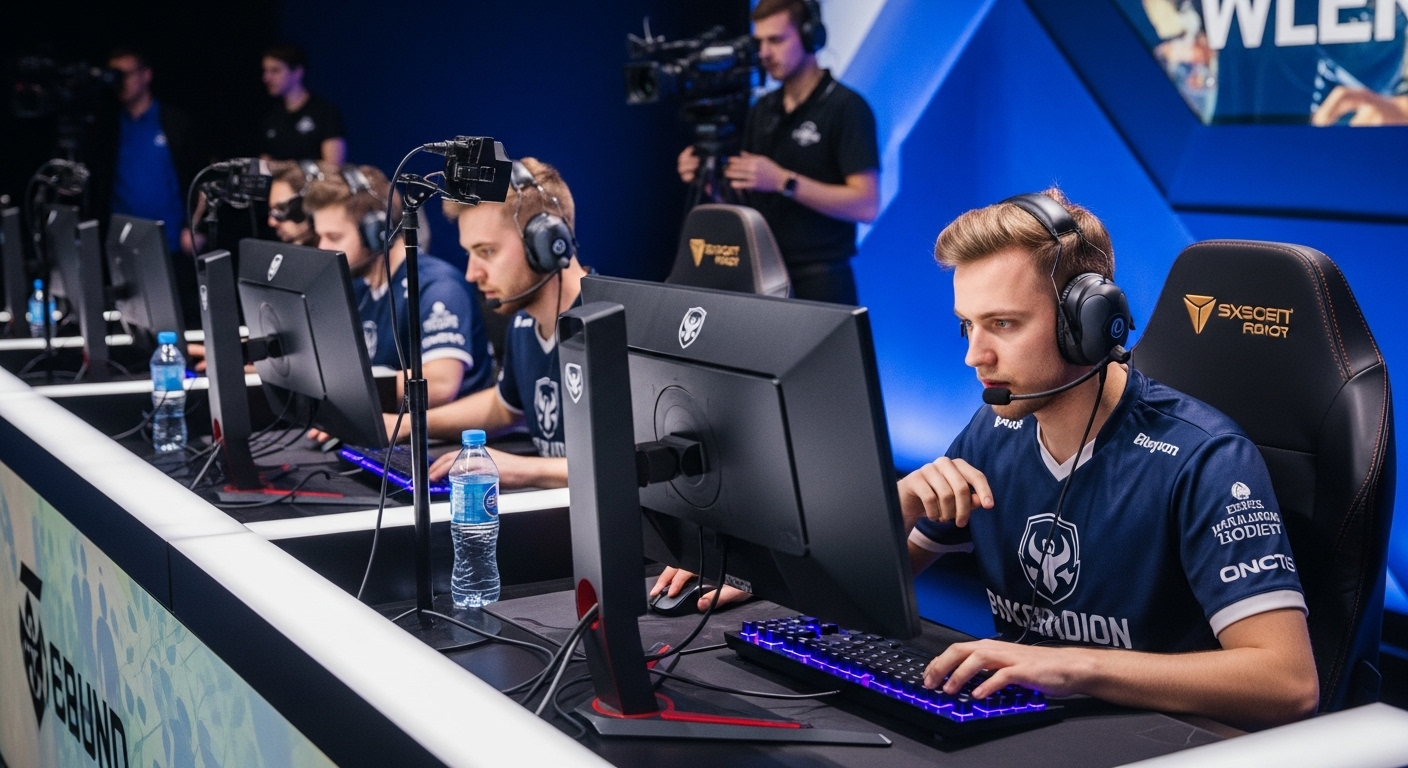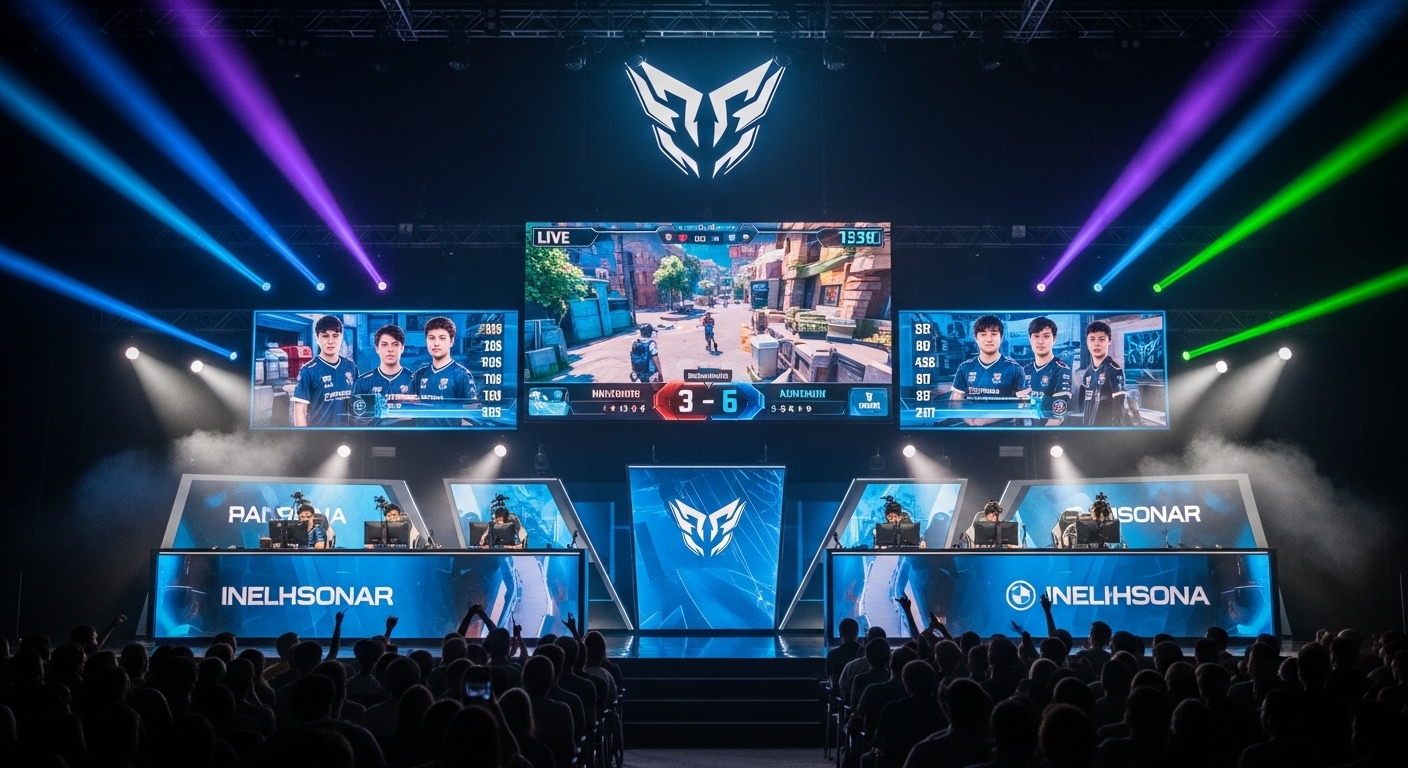
Introduction: The Birth of a Digital Revolution
In the past, competition was defined by the roar of the crowd in physical arenas, the sweat of athletes, and the sheer intensity of traditional sports. Yet, as the world moved into the digital age, a new form of competition began to rise—one that existed not on a field or a court, but within the glowing pixels of screens. This new phenomenon is eSports, a rapidly evolving industry where players compete in video games at a professional level, captivating millions across the globe.
The journey of eSports is not just about gaming; it’s about innovation, technology, community, and the redefinition of entertainment. What started as casual matches between friends has become a billion-dollar global industry with professional teams, sponsorships, training facilities, and world championships watched by millions.
The Origins of eSports: From Arcades to Arenas
To understand the magnitude of eSports today, we must trace its humble beginnings. The early roots of competitive gaming can be found in the 1970s and 1980s when video games like Space Invaders, Pong, and Pac-Man captivated the imagination of a new generation. The first recognized video game competition took place in 1972 at Stanford University, where players battled in the game Spacewar! for a year’s subscription to a science magazine.
As technology advanced, gaming arcades became social hubs where young enthusiasts gathered to prove their skills. These early competitions planted the seeds for what would later become a structured and globally recognized competitive scene.
The real transformation began in the 1990s with the advent of the internet. Titles like StarCraft, Quake, and Counter-Strike brought players together in online arenas. South Korea, in particular, became the heart of this revolution. Government support, high-speed internet, and a passionate gaming culture helped turn eSports into a mainstream spectacle. By the early 2000s, televised tournaments, professional teams, and fan followings emerged, setting the foundation for global expansion.
The Rise of Professional eSports
The 21st century witnessed an explosion of interest in eSports. The accessibility of broadband internet, streaming platforms, and powerful gaming PCs allowed millions of players to connect, compete, and broadcast their skills. Titles like League of Legends, Dota 2, Counter-Strike: Global Offensive, and Overwatch became household names.
Professional eSports players began training with the same dedication as traditional athletes. Organizations provided structured coaching, nutrition guidance, mental health support, and strategic analysis. Players no longer competed just for fun—they competed for glory, fame, and life-changing prize pools.
The International Dota 2 Championship, for example, broke records with its massive prize funds, reaching tens of millions of dollars. Events like the League of Legends World Championship and Fortnite World Cup attracted millions of viewers, rivaling traditional sports broadcasts in audience numbers.
The Structure of the eSports Ecosystem
The eSports ecosystem is a complex network of developers, publishers, players, teams, sponsors, event organizers, and fans. Each part plays a vital role in shaping the industry.
-
Game Developers and Publishers: They create the games that serve as the foundation of eSports. Their support determines whether a title becomes competitive or fades away. Games like Riot Games’ League of Legends or Valve’s Dota 2 thrive because of consistent updates and well-organized tournaments.
-
Teams and Organizations: Professional eSports teams operate like traditional sports clubs. They recruit talented players, provide training environments, and engage in brand partnerships. Some well-known organizations include Fnatic, Team Liquid, T1, and Cloud9.
-
Tournaments and Leagues: Events range from local competitions to massive international championships. These tournaments not only determine the best players but also generate significant revenue through sponsorships, advertising, and ticket sales.
-
Streaming and Broadcasting Platforms: Services such as Twitch, YouTube Gaming, and other streaming sites turned eSports into accessible entertainment for the masses. They transformed gaming into a spectator sport, where fans can watch live matches, interact with players, and form communities.
-
Sponsors and Advertisers: Brands recognize the marketing power of eSports. Sponsorship deals with technology companies, energy drink brands, and even luxury fashion labels have become common.
The Cultural Impact of eSports
Beyond competition, eSports has become a cultural phenomenon. It transcends age, geography, and language barriers. For many, it represents a sense of belonging—a global community united by shared passion.
Young gamers no longer view professional gaming as an impossible dream. With the rise of online tournaments, content creation, and scholarships, gaming has evolved into a legitimate career path. Schools and universities across the world are introducing eSports programs, offering degrees in game design, management, and broadcasting.
The influence of eSports can also be seen in mainstream entertainment. Collaborations between musicians, artists, and game developers have produced unforgettable moments, such as virtual concerts within games or cross-media storytelling. This merging of pop culture and gaming has solidified eSports’ place in modern society.
The Technology Driving eSports
The success of eSports relies heavily on cutting-edge technology. From gaming hardware to broadcasting innovations, each advancement enhances the competitive experience.
1. Hardware and Performance:
High-performance computers, low-latency monitors, and specialized peripherals ensure that players can perform at their best. Even a millisecond delay can determine victory or defeat.
2. Network Infrastructure:
Stable and fast internet connections are essential for real-time gameplay. Regions with better infrastructure have naturally become centers for eSports excellence.
3. Streaming and Virtual Production:
Modern broadcasting tools have transformed how fans consume eSports. Multiple camera angles, instant replays, and digital overlays enhance viewer engagement. Virtual studios and augmented reality features have also elevated production quality.
4. Artificial Intelligence and Data Analytics:
Teams use AI-driven analytics to study gameplay patterns, develop strategies, and predict opponent behavior. Just like traditional sports use statistics, eSports now thrives on data.
The Economics of eSports
The financial growth of eSports has been nothing short of phenomenal. The global industry now generates billions in revenue, with multiple income streams including sponsorships, advertising, media rights, merchandise, and ticket sales.
Players and teams earn through salaries, prize money, and brand endorsements. Event organizers profit from broadcasting deals and partnerships. Streaming platforms benefit from viewer subscriptions and advertisements.
The economic ripple effect extends beyond digital screens. Host cities for major tournaments experience boosts in tourism, hospitality, and local business. As eSports continues to grow, it contributes significantly to global economies and job creation in related sectors such as event management, marketing, and software development.
The Global Reach of eSports
One of eSports’ greatest strengths is its universality. Unlike traditional sports limited by geography or physical ability, eSports is accessible to anyone with a device and an internet connection.
In Asia, countries like South Korea, China, and Japan lead the charge with professional leagues and fan cultures that rival traditional sports. Europe and North America have developed strong eSports infrastructures with franchised leagues, training academies, and government recognition. Even regions like South America, the Middle East, and Africa are emerging as competitive markets, fueled by younger generations passionate about gaming.
eSports and Education
An often-overlooked aspect of eSports is its educational potential. Schools and universities now use gaming as a tool to teach teamwork, strategy, leadership, and digital literacy. eSports clubs encourage students to collaborate, communicate, and problem-solve effectively.
Moreover, the industry opens diverse career opportunities beyond playing. Students can pursue roles in broadcasting, marketing, coaching, event organization, and software development. The integration of eSports into academic institutions proves that gaming is not merely entertainment—it is a modern educational platform.
The Challenges Facing eSports
Despite its remarkable growth, the eSports industry faces significant challenges.
1. Player Burnout:
Professional gamers often endure long hours of practice, leading to physical and mental exhaustion. The lack of standardized player welfare systems remains a concern.
2. Cheating and Fair Play:
Online competition can invite cheating, hacking, and match-fixing. Maintaining integrity through strict regulations and anti-cheat systems is critical for sustainability.
3. Gender Inequality:
Women in eSports often face discrimination and underrepresentation. Efforts to create inclusive environments and women-only leagues are slowly improving the landscape, but there’s still much progress to make.
4. Financial Stability:
While top-tier organizations thrive, smaller teams struggle to sustain operations. Balancing profitability and accessibility remains a key challenge for the industry.
The Role of Media and Streaming Platforms
Streaming platforms have revolutionized how audiences experience eSports. Twitch and similar services allow millions to watch live matches, engage in chat discussions, and follow their favorite players. This level of interaction creates a direct connection between fans and competitors that traditional sports can rarely match.
The popularity of gaming influencers and streamers also blurs the line between entertainment and competition. Some streamers transition into professional play, while others focus on creating engaging content. Together, they expand the eSports audience far beyond hardcore gamers.
The Future of eSports: A Vision Beyond Screens
The future of eSports is bright, dynamic, and full of potential. As technology continues to evolve, new dimensions of competition will emerge. Virtual reality and augmented reality are poised to introduce entirely new gaming experiences, blending the digital and physical worlds.
Moreover, as artificial intelligence becomes more integrated into gaming, players may soon face AI opponents that adapt and learn in real time, pushing human creativity and strategy to new limits.
Traditional sports organizations are also investing in eSports, recognizing its long-term potential. Football clubs, basketball teams, and even Olympic committees have begun integrating eSports into their programs, signaling a future where digital and physical sports coexist harmoniously.
Social Impact and Community Building
Perhaps the most powerful aspect of eSports lies in its community. Gamers around the world come together to share their passion, support one another, and celebrate victories. Online forums, fan art, and social media have created a vast global network where friendships are formed and cultures collide.
eSports has also proven to be a force for good. Charity streams, community events, and awareness campaigns showcase the positive impact gaming can have on society. It unites people across borders, fostering collaboration and empathy in a digital age often criticized for isolation.
Conclusion: The Legacy of Digital Competition
eSports is no longer a niche hobby—it is a global movement reshaping how we perceive competition, entertainment, and technology. What began in small arcades has evolved into massive arenas filled with roaring fans and million-dollar championships. It is a testament to human innovation, creativity, and connection.
As we look to the future, eSports stands as a symbol of the digital generation’s spirit—driven by passion, empowered by technology, and united by play. Whether one is a professional competitor, a casual gamer, or a devoted fan, eSports represents the limitless potential of human collaboration and imagination in the modern era.
The digital arena is here to stay. And its champions are not just players—they are pioneers of a new world where gaming is more than a pastime. It is a global phenomenon, a career, a culture, and a vision of the future of competition itself.