Introduction: A New Age of Competition
Esports has evolved from a casual form of digital entertainment into a powerful global industry that rivals traditional sports in popularity, influence, and economic value. Competitive gaming is no longer limited to hobbyists playing for fun; it has become a professional arena where skill, discipline, strategy, and teamwork define success. Millions of fans follow esports tournaments, celebrate their favorite players, and engage with a rapidly growing digital culture. This blog explores the journey of esports, its structure, cultural impact, challenges, and the future that lies ahead.
The Early Foundations of Esports
The roots of esports can be traced back to the early days of video gaming, when players competed for high scores in arcades. These competitions were informal and driven purely by passion. As home gaming consoles and personal computers became more accessible, players began organizing small-scale tournaments, often within local communities.
The growth of the internet marked a turning point for competitive gaming. Online multiplayer games allowed players from different parts of the world to compete in real time. This connectivity transformed gaming into a shared competitive experience and laid the groundwork for esports as an organized activity. Over time, structured tournaments, standardized rules, and prize rewards gave competitive gaming a professional identity.
What Defines Esports Today
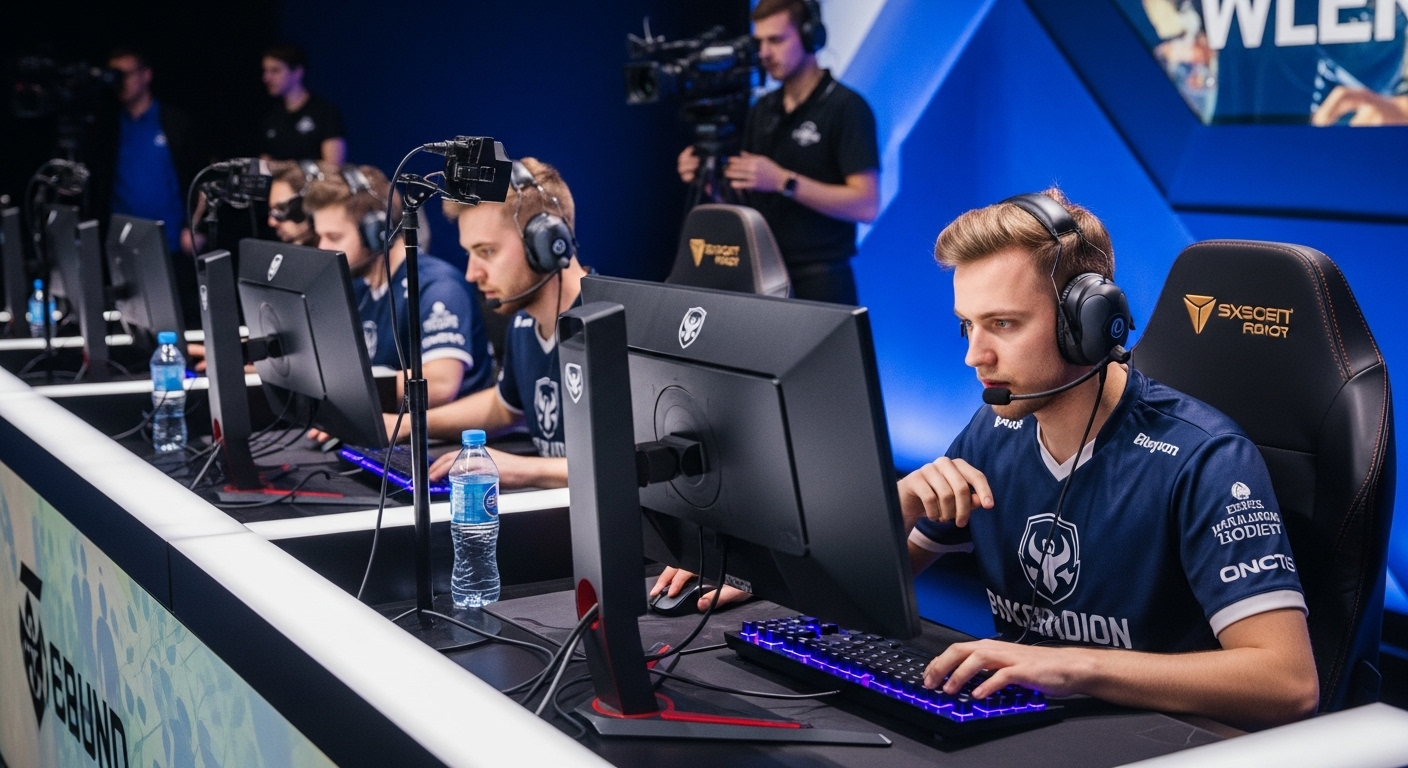
Modern esports is a highly organized ecosystem. Professional players train full time, sign contracts, and represent teams that function similarly to traditional sports clubs. These teams employ coaches, analysts, and support staff to help players refine strategies and maintain peak performance.
Esports covers a wide range of game genres, including strategy-based games, first-person shooters, sports simulations, and multiplayer battle arenas. Each genre demands a different skill set, but all require precision, fast decision-making, and deep understanding of game mechanics. Competitive matches are broadcast to global audiences, complete with commentary, analysis, and high-quality production.
The Skill and Dedication Behind Competitive Gaming
Esports athletes are often misunderstood as casual gamers, but the reality is far more demanding. Professional players dedicate long hours to practice, focusing on mechanics, teamwork, and strategic planning. Reaction time, hand-eye coordination, memory, and situational awareness are critical skills that must be constantly refined.
Mental strength is equally important. High-pressure situations, long tournaments, and public scrutiny can take a toll on players. The ability to stay calm, adapt quickly, and recover from mistakes often determines the outcome of matches. Discipline, resilience, and focus are essential traits for anyone aiming to succeed in esports.
Teamwork and Strategic Depth
Team-based esports titles highlight the importance of collaboration and communication. Players must coordinate movements, share information, and execute strategies with precision. Success often depends on how well a team works together rather than individual performance alone.
Strategy plays a central role in esports. Teams study opponents, analyze previous matches, and develop tactics to exploit weaknesses. Adaptability is crucial, as strategies must change based on in-game developments. This level of strategic depth makes esports intellectually engaging for both players and spectators.
Esports as Entertainment
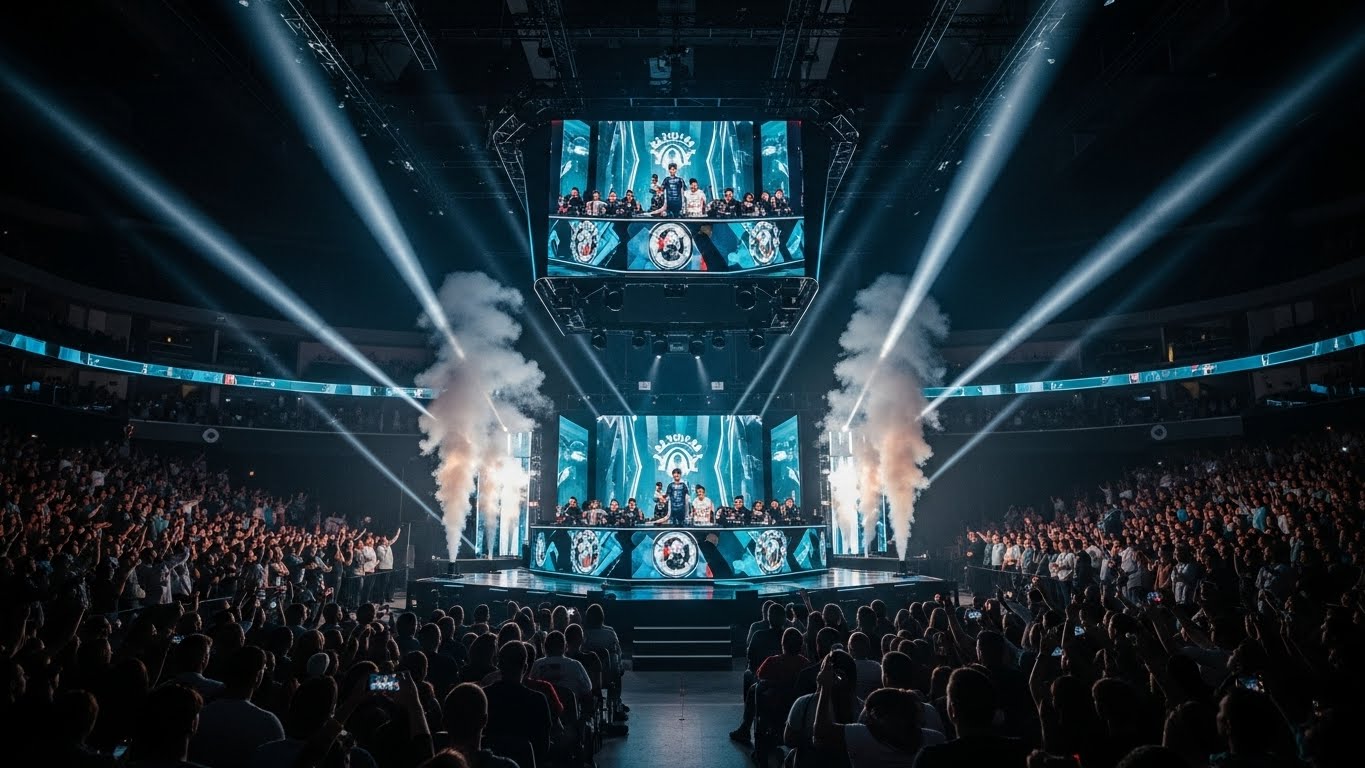
One of the key reasons for esports’ popularity is its entertainment value. Esports tournaments are designed to be immersive experiences, combining competition with storytelling, visual effects, and audience engagement. Fans follow narratives of rivalry, redemption, and championship pursuits, creating emotional investment in the outcome of matches.
The interactive nature of esports sets it apart from traditional sports. Fans can engage with live broadcasts, discuss strategies, and follow players beyond competitions. This direct connection fosters a strong sense of community and makes spectators feel like active participants rather than passive viewers.
Economic Growth and Career Opportunities
Esports has become a significant economic force. Revenue is generated through sponsorships, advertising, merchandise, ticket sales, and media distribution. Brands across various industries invest in esports to reach younger audiences who are deeply connected to digital culture.
Career opportunities in esports extend far beyond playing. Event organizers, broadcasters, content creators, marketers, analysts, coaches, and game developers all contribute to the industry. Educational institutions are beginning to offer esports programs and scholarships, recognizing the field as a legitimate professional pathway.
Cultural Impact and Global Reach
Esports is inherently global, connecting players and fans across cultures and regions. International tournaments bring together competitors from different backgrounds, promoting cultural exchange and shared passion. Language barriers become less relevant as gameplay and competition take center stage.
Beyond gaming, esports influences fashion, music, and lifestyle trends. Team jerseys are worn as everyday apparel, gaming slang enters popular language, and esports personalities become role models for younger generations. For many, esports represents identity, ambition, and belonging in a digital world.
Health, Balance, and Player Well-Being
As esports grows, player well-being has become an important focus. Long hours of practice and competition can lead to physical strain and mental fatigue. Professional teams now emphasize balanced routines that include physical exercise, healthy nutrition, and mental health support.
Maintaining balance is essential for long-term success. Proper rest, stress management, and structured schedules help players sustain performance and avoid burnout. This growing awareness reflects the industry’s maturity and commitment to responsible development.
Challenges Within the Esports Industry
Despite its success, esports faces challenges that must be addressed. Player burnout, inconsistent regulations, and concerns about competitive integrity are ongoing issues. Ensuring fair play and ethical conduct is essential for maintaining trust among fans and participants.
Financial sustainability is another challenge. Rapid growth has led to high expectations and significant investments, which can create instability for teams and organizations. Developing long-term strategies and stable business models will be crucial for the industry’s future.
The Relationship Between Esports and Traditional Sports
Esports and traditional sports are increasingly interconnected. Many established sports organizations have launched esports divisions, while professional athletes often participate in competitive gaming. Training methods, analytics, and branding strategies from traditional sports are now widely adopted in esports.
This convergence reflects a broader change in how society defines sports and competition. Physical location is no longer the only measure of athleticism. Skill, dedication, and competitive spirit thrive equally in digital arenas.
Technology as the Backbone of Esports
Technology is the foundation of esports. Advances in gaming hardware, software, and network infrastructure enable smooth gameplay and high-quality broadcasts. Data analytics plays a growing role in performance improvement, helping teams identify patterns and refine strategies.
Emerging technologies such as artificial intelligence and immersive digital environments are expected to further enhance esports. These innovations may transform training methods, fan experiences, and competitive formats, pushing esports into new territory.
The Future of Esports
The future of esports is filled with opportunity. Grassroots tournaments and community leagues will continue to nurture emerging talent. Greater integration with education and mainstream media will expand esports’ reach and acceptance.
As the industry evolves, inclusivity, sustainability, and player welfare will play key roles in shaping its direction. Esports has the potential to become a permanent pillar of global entertainment and competition.
Conclusion: Competition Redefined for the Digital Generation
Esports represents a fundamental shift in how competition is experienced in the modern world. It blends technology, strategy, and human skill to create a dynamic form of sport that resonates with a digital generation. More than just games, esports is a cultural movement that inspires passion, innovation, and global connection.
As esports continues to grow, it will challenge traditional definitions of sports and entertainment. From pixels on a screen to podiums in packed arenas, esports has proven that the spirit of competition knows no boundaries, redefining what it means to compete, connect, and succeed in the digital age.