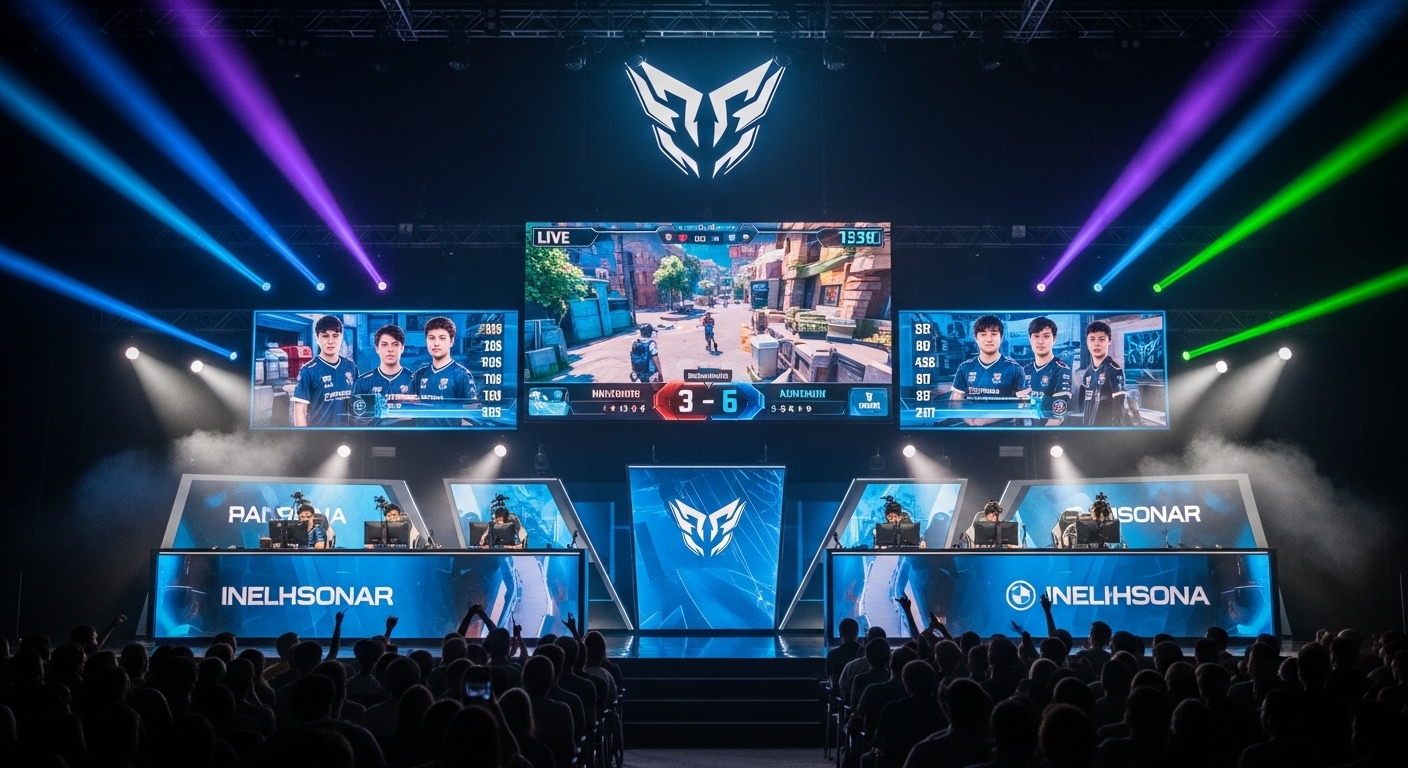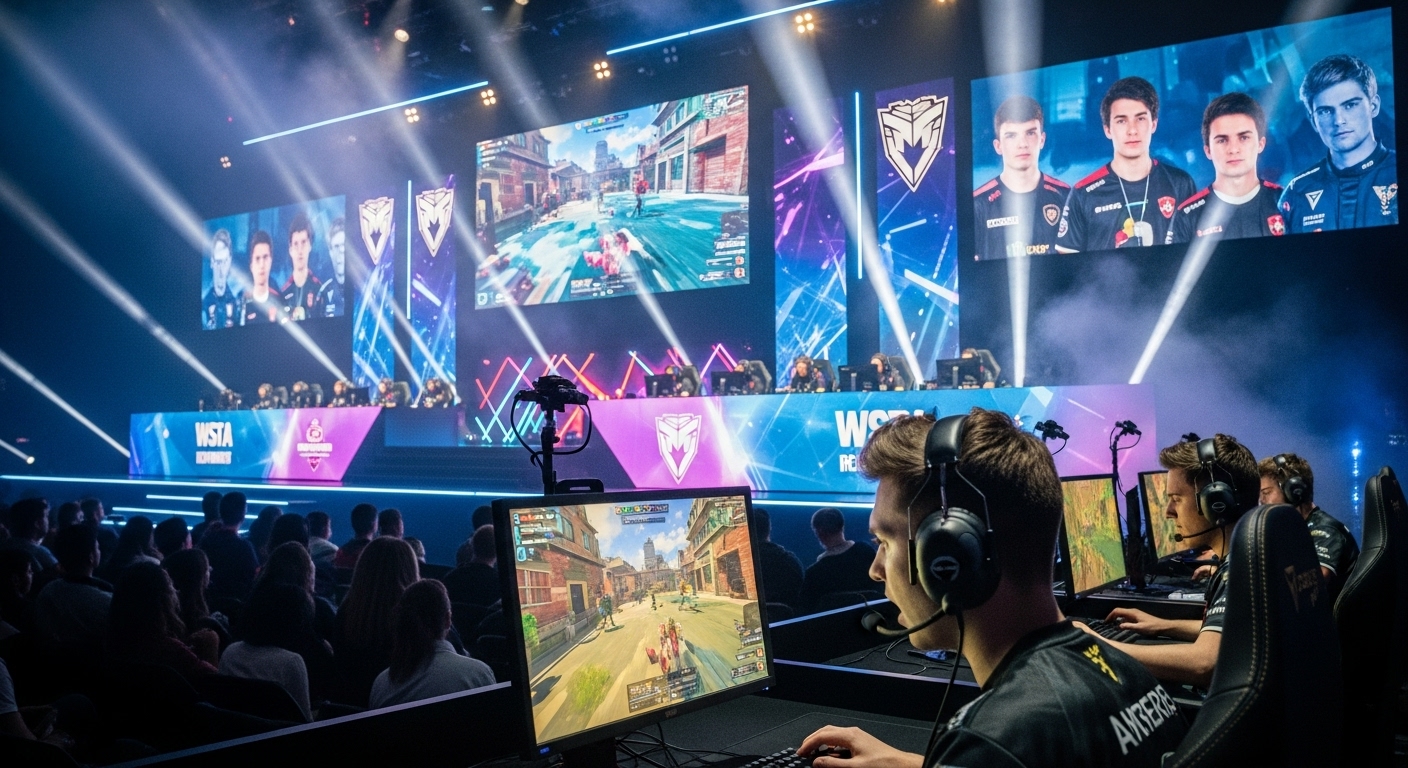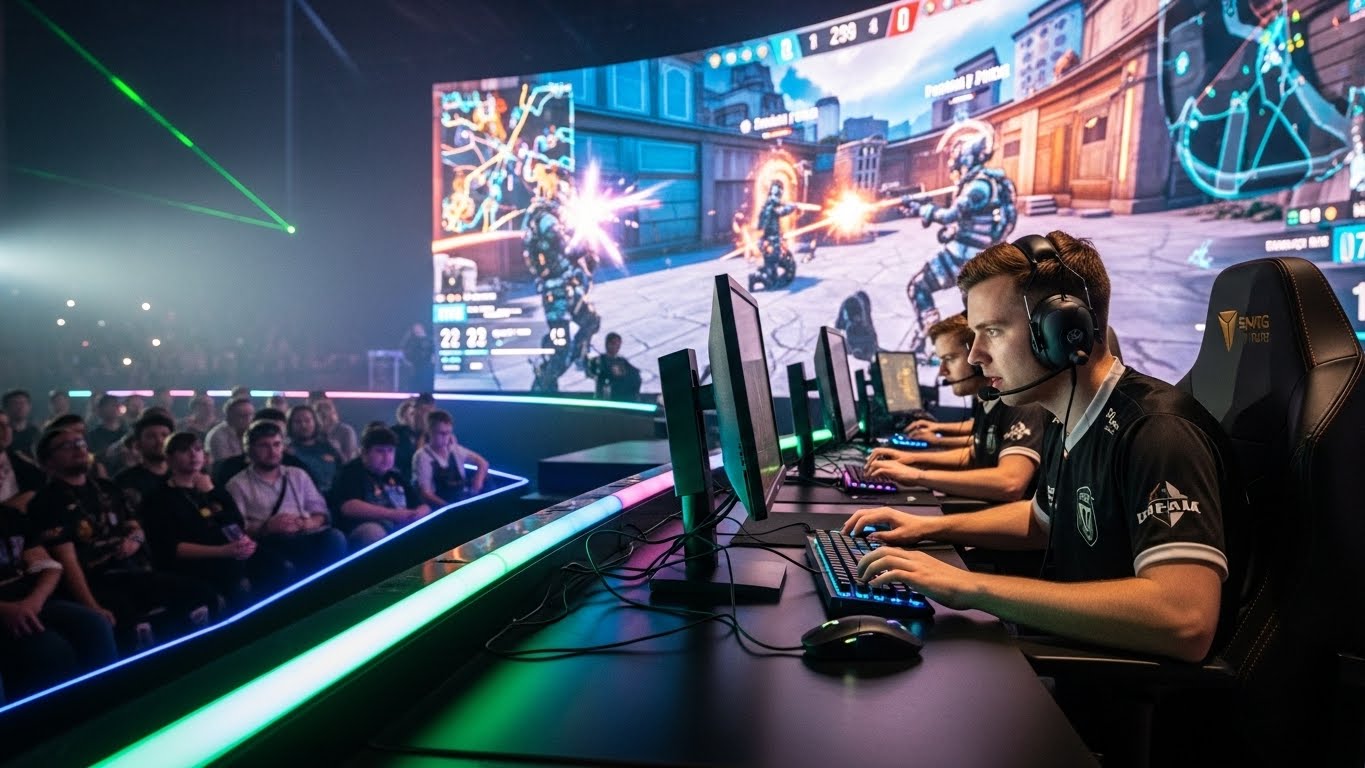
Esports, or electronic sports, has seen an explosive growth trajectory over the past two decades. What started as a niche hobby for dedicated gamers has now transformed into a multi-billion dollar industry, captivating millions of fans across the globe. From large-scale tournaments to high-profile sponsorships, esports has undeniably become a dominant force in the world of entertainment. But what exactly is driving this rapid rise in popularity, and what does the future hold for this digital sports revolution?
The Evolution of Esports: From Hobby to Profession
Esports traces its origins to the early days of competitive gaming. The first notable competitions were held in the 1970s and 1980s with games like Space Invaders and Pong. However, it wasn’t until the late 1990s and early 2000s that esports truly began to gain traction. During this period, games such as StarCraft, Quake, and Counter-Strike became central to competitive gaming, with regional tournaments offering modest prizes.
The internet’s increasing accessibility and the development of online multiplayer games significantly boosted the scope of esports. By the mid-2000s, esports organizations and events began to emerge globally. The World Cyber Games and Electronic Sports World Cup, for example, laid the foundation for the professional infrastructure we see today. In the next few years, games like League of Legends and Dota 2 became the heart of the esports community, attracting millions of viewers and transforming the landscape of competitive gaming into a mainstream spectacle.
Esports Today: A Billion-Dollar Industry
Today, esports has evolved far beyond a simple pastime. It is a globally recognized industry worth billions, with projections estimating its value to exceed $1.5 billion in 2025. Esports tournaments, especially those centered around games like League of Legends, Fortnite, Valorant, and Counter-Strike: Global Offensive, now draw in millions of viewers, rivaling traditional sports broadcasts. These tournaments are held in massive stadiums, and the most popular events are streamed to a global audience on platforms like Twitch, YouTube, and Facebook Gaming.
A big part of esports’ financial boom comes from sponsorships. Major brands, ranging from tech companies like Intel and Nvidia to non-endemic sponsors like Coca-Cola and Red Bull, have poured millions into the esports ecosystem. These partnerships are beneficial for both the brands and the esports organizations, as they reach a young, tech-savvy audience that is hard to engage through traditional advertising.
Streaming platforms have also played a massive role in the industry’s growth. Platforms like Twitch and YouTube Gaming have revolutionized the way people consume content, providing fans with direct access to live esports events, player streams, and community interactions. These platforms allow anyone, anywhere, to become a part of the esports experience.
The Role of Players and Teams in Esports
The players themselves are at the heart of the esports phenomenon. As esports have grown, so too has the prominence of individual players. Top-tier gamers have achieved celebrity status, with some amassing millions of followers on social media and their own sponsorship deals. For example, players like Faker in League of Legends and Ninja in Fortnite have become household names, with their success transcending the games they play.
These players often have highly specialized skill sets, honing their craft through hours of practice every day. Professional esports players typically spend between 8 to 12 hours daily playing their game, perfecting their mechanics, teamwork, and strategic thinking. This level of dedication is comparable to that of traditional athletes in sports like football or basketball.
Esports teams, much like traditional sports teams, play a crucial role in shaping the competitive landscape. Teams are made up of highly skilled players who collaborate to compete in tournaments, with organizations such as Cloud9, Team Liquid, and Fnatic becoming some of the most well-known names in the industry. These teams often have dedicated coaches, analysts, and managers to help players optimize their gameplay, mental focus, and overall performance.
The Fan Experience: A Digital Revolution
One of the most fascinating aspects of esports is the community that surrounds it. Unlike traditional sports, where fans might need to be in close proximity to a stadium or arena to enjoy a live game, esports fans can connect from anywhere in the world. The digital nature of the sport allows for a truly global audience, with fans in North America watching matches from South Korea, or Europeans tuning in to see American tournaments. The barriers of geography are non-existent in esports.
Esports events have also embraced technology in ways that traditional sports never have. Spectators can access in-depth statistics, player performance data, and live-streamed feeds from various perspectives, giving them a more immersive experience. Many tournaments have been broadcast in 4K, with 360-degree cameras and real-time updates on the strategies being employed by the teams. This level of interactivity has brought a new dimension to the fan experience, making it feel more like an interactive event rather than just a passive viewing experience.
The rise of social media has further amplified this connection. Esports organizations, players, and fans interact on platforms like Twitter, Instagram, and Reddit, discussing strategies, game updates, and player performances. These platforms allow fans to not only watch the events but also participate in the conversation surrounding them. This sense of community and engagement is one of the key factors behind the rapid growth of esports.
The Future of Esports: Expanding Beyond Gaming
As esports continues to thrive, it is beginning to branch out into other areas of entertainment. Major media outlets have started investing heavily in esports broadcasting, with platforms like ESPN and BBC airing esports tournaments and news. The 2022 Asian Games, for example, included esports as a medal event, marking a historic step for esports as it gains legitimacy as a competitive discipline. It is only a matter of time before esports becomes an Olympic sport, as the International Olympic Committee has already started exploring the potential for inclusion.
Additionally, esports is slowly merging with other forms of entertainment, such as music and pop culture. In-game concerts and events, such as Fortnite’s collaboration with artists like Travis Scott and Marshmello, have proven to be massively successful. These virtual events offer a new way for fans to experience their favorite music and esports simultaneously, showcasing the potential for esports to blend into other entertainment industries.
Furthermore, esports is making strides in education and professional development. Esports management programs, game design degrees, and coaching certifications are now available at universities worldwide. As esports grows, more professionals are needed to manage everything from production and marketing to event coordination and broadcasting. This expansion is creating new job opportunities and opening up pathways for young individuals who are passionate about gaming to pursue careers in the industry.
Conclusion: A New Era of Competitive Entertainment
Esports has come a long way since its humble beginnings. What was once a niche hobby has transformed into a multi-faceted global industry with millions of fans, billions in revenue, and a bright future ahead. With its mix of cutting-edge technology, global reach, and passionate fanbase, esports is undeniably one of the most exciting and dynamic sectors in the entertainment world today.
As the industry continues to evolve, it will likely continue to blur the lines between traditional sports, entertainment, and digital culture. The rapid growth of esports has demonstrated that gaming is no longer just a hobby or pastime – it’s a legitimate and thriving industry that holds incredible potential. For players, fans, and organizations alike, the future of esports looks incredibly bright.
Esports is no longer a passing trend. It’s here to stay, and as it continues to grow and evolve, it will undoubtedly leave a lasting impact on the entertainment landscape for generations to come.