Esports Unleashed: How Competitive Gaming is Transforming Entertainment and Culture
Esports, or electronic sports, has grown into one of the most influential and dynamic sectors of modern entertainment. Once considered a niche hobby for gamers, it has now evolved into a global phenomenon, attracting millions of viewers, creating professional athletes, and generating significant revenue worldwide. Esports combines the thrill of competition, technological innovation, and digital community, redefining how people engage with games and entertainment. This blog explores the rise of esports, its structure, cultural significance, economic impact, challenges, and the promising future of competitive gaming.
The Origins and Evolution of Esports
The journey of esports began decades ago with simple arcade competitions and local gaming tournaments. Players initially competed for high scores on games like Pac-Man and Space Invaders, but the competitive spirit was undeniable. As home consoles and personal computers became more widespread, multiplayer games allowed for more complex interactions and global competition. Titles such as StarCraft, Counter-Strike, and Warcraft II became the foundation of organized competitive gaming.
The internet revolutionized esports. Online multiplayer platforms allowed players to compete across continents in real-time, creating a connected gaming community. The advent of live streaming further amplified esports’ reach, allowing fans worldwide to watch competitions, support their favorite teams, and engage with professional players. From small-scale contests to international tournaments, esports has grown into a structured, professional industry.
The Structure of Esports Competitions
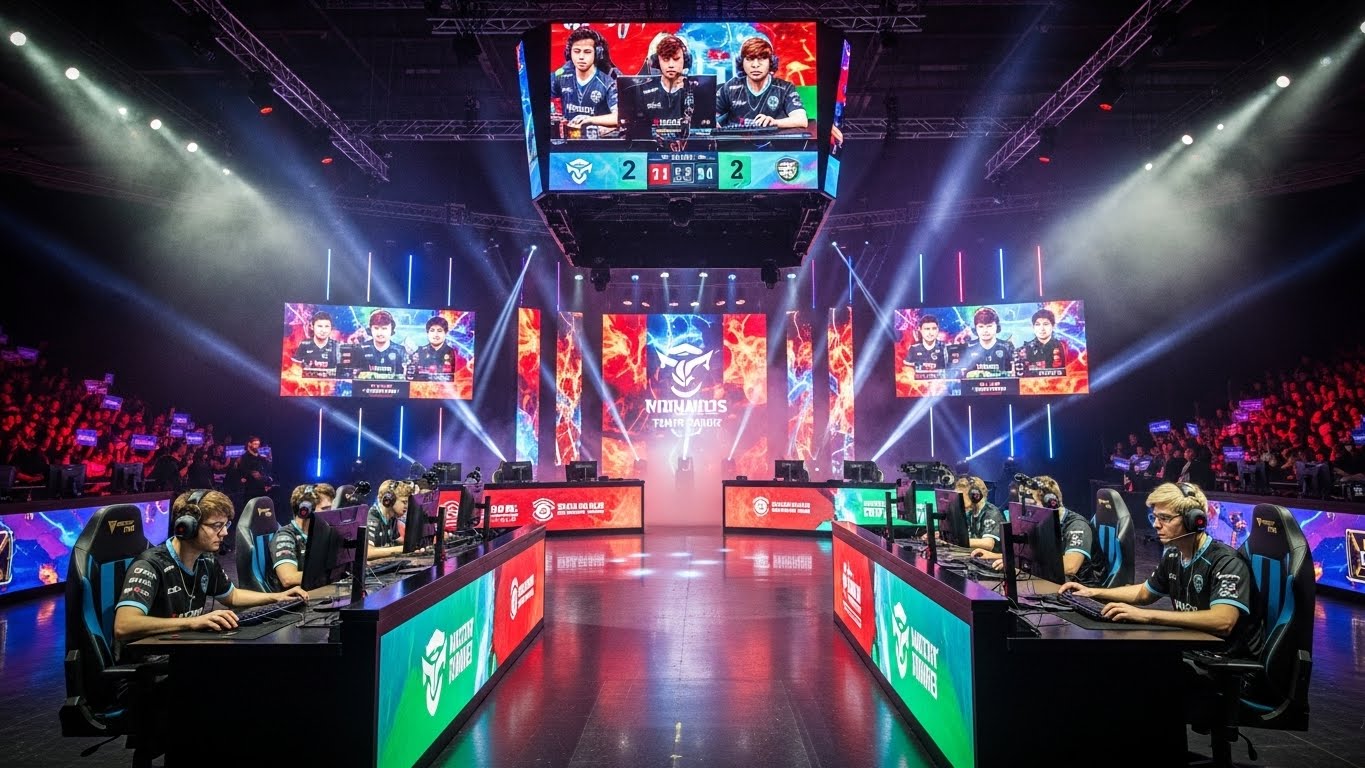
Esports competitions range from local and collegiate tournaments to massive international championships with millions of viewers. These events often mirror traditional sports, featuring professional teams, league standings, and ranked competitions. Popular esports titles include League of Legends, Dota 2, Counter-Strike: Global Offensive, Valorant, and Fortnite. Each game has a unique competitive ecosystem, requiring strategy, precision, and teamwork.
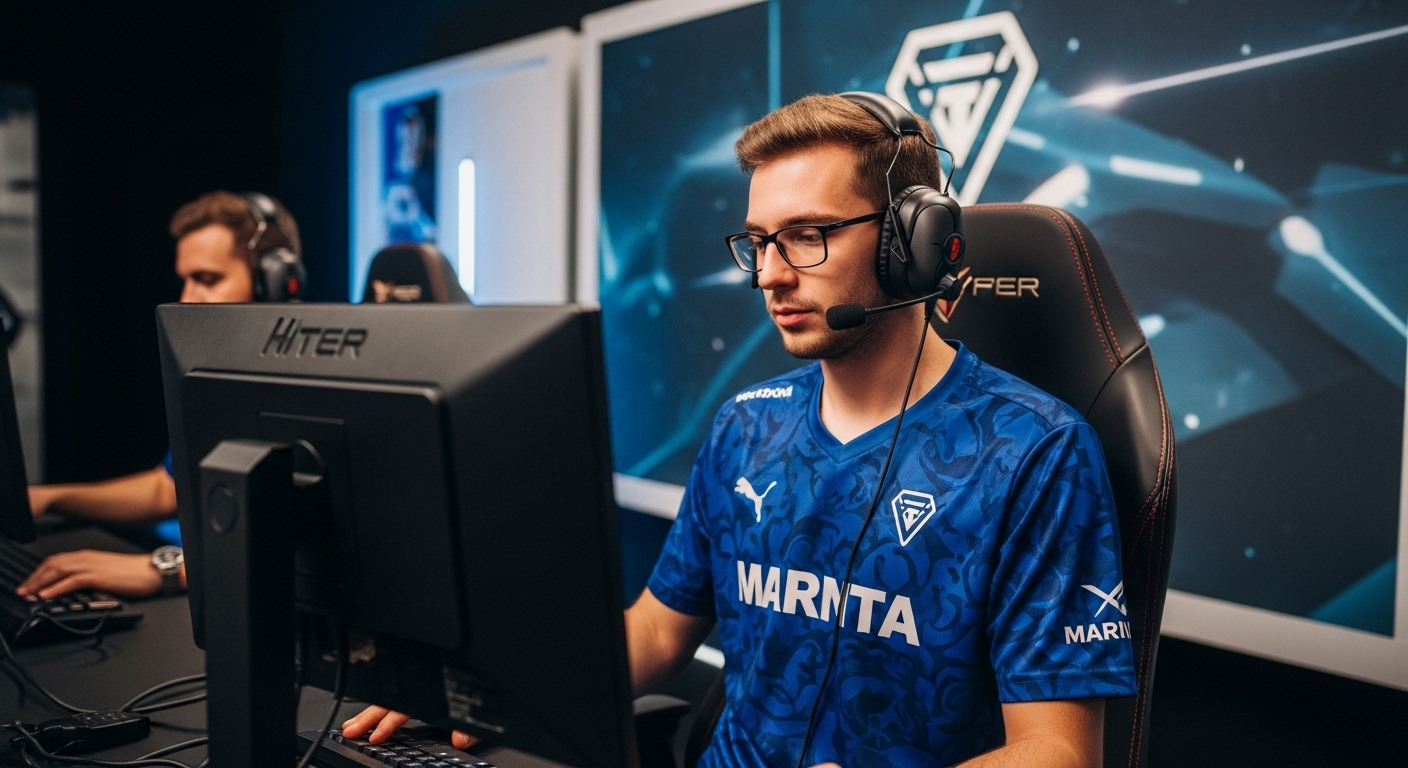
Professional esports players follow rigorous training routines similar to traditional athletes. They practice for several hours daily, focusing on technical skills, strategy, coordination, and communication. This preparation highlights that esports demands not only gaming proficiency but also mental endurance, teamwork, and discipline, challenging misconceptions about the legitimacy of competitive gaming.
Teams, Organizations, and Player Development
Professional esports teams are the backbone of the industry. Teams recruit talented players, provide coaching, develop strategies, and manage schedules to ensure consistent performance. Organizations also focus on mental health support, physical fitness, and career development for players, ensuring long-term sustainability.
Fans play an integral role in esports culture. Like traditional sports, esports supporters follow teams passionately, attend live events, purchase merchandise, and engage with players online. This interaction creates a vibrant community where fans celebrate victories, analyze gameplay, and contribute to the shared excitement of competitive gaming.
Cultural Impact of Esports
Esports has had a significant cultural influence, impacting fashion, language, entertainment, and lifestyle. Popular games inspire fan art, music, memes, and creative content. Professional players have become cultural icons, influencing trends and social media conversations. Major tournaments rival traditional sporting events in viewership, with live audiences and online streams reaching millions globally.
Esports challenges conventional definitions of athleticism. While physical exertion may not be comparable to traditional sports, competitive gaming demands reflexes, strategic thinking, communication, and mental resilience. This has broadened society’s understanding of what constitutes competition and excellence.
Economic Growth and Career Opportunities
The esports industry has seen tremendous economic growth. Revenue streams include sponsorships, advertising, ticket sales, media rights, and merchandise. Global brands from gaming hardware to lifestyle companies are investing heavily in esports, recognizing its reach and influence.
Esports also offers a wide range of career opportunities beyond professional play. Analysts, coaches, commentators, event managers, content creators, marketers, and technical specialists all contribute to the ecosystem. This diversity demonstrates that esports is a multifaceted industry offering professional growth and creative opportunities.
The Mental and Physical Demands of Esports
Professional esports players face significant mental and physical challenges. The pressure to perform, long practice hours, and competitive intensity can lead to stress and burnout. Mental resilience, focus, teamwork, and adaptability are essential for sustaining peak performance.
Physical wellness is also crucial. Repetitive strain injuries, eye strain, and posture-related issues are common among players. Many organizations implement fitness routines, nutrition plans, and ergonomic solutions to support player health, emphasizing the importance of a holistic approach to competitive gaming.
Esports in Education
Esports is increasingly integrated into education. Schools and universities have introduced esports programs and scholarships, providing structured training and opportunities for competition. Students develop critical skills such as problem-solving, teamwork, communication, and leadership through gaming.
These programs also foster digital literacy and strategic thinking, equipping students with skills applicable to broader career paths. By including esports in education, institutions recognize gaming as a legitimate and valuable field for personal and professional growth.
Challenges Facing Esports
Despite its growth, esports faces several challenges. Player burnout and mental health pressures are ongoing concerns. Ensuring balance between practice, competition, and personal well-being is crucial for sustaining careers.
Diversity and inclusivity remain areas for improvement. While progress has been made, there is still a need to create environments where players of all genders, backgrounds, and abilities feel welcome. Public perception also continues to be a hurdle, as some still question the legitimacy of esports as a serious competitive pursuit.
Global Expansion and International Influence
Esports has grown into a global phenomenon, with strong presence in Asia, North America, Europe, and beyond. Countries like South Korea, China, and the United States have established professional infrastructures, including dedicated arenas, leagues, and training centers. International tournaments bring together players from different countries, fostering cross-cultural exchange and global community building.
The international reach of esports also allows strategies, trends, and innovations to spread rapidly. Players learn from global competition, fans interact across borders, and organizations collaborate worldwide, creating a dynamic and interconnected ecosystem.
Technological Innovations Driving Esports
Esports has been a catalyst for technological innovation. High-performance gaming rigs, advanced graphics engines, and low-latency networks enable smooth, immersive gameplay. Virtual reality and augmented reality are starting to reshape competitive experiences, creating interactive formats that enhance both playing and spectating.
Artificial intelligence and data analytics have further transformed esports. Teams analyze gameplay data to refine strategies, predict opponent behavior, and improve performance. Fans benefit from enhanced viewing experiences with real-time stats, immersive commentary, and interactive features.
The Future of Esports
The future of esports promises continued innovation and growth. Virtual reality, augmented reality, and AI-driven gameplay will create more immersive and personalized experiences. Cloud gaming will make high-quality competitive gaming accessible without expensive hardware, expanding the player base worldwide.
Esports will also continue to intersect with other entertainment forms, including music, film, and fashion. Collaborative events and hybrid experiences will broaden esports’ appeal, attracting new audiences and establishing it as a central pillar of global entertainment.
Conclusion: Esports as a Cultural and Professional Revolution
Esports is more than competitive gaming; it is a cultural and professional revolution. It has transformed entertainment, created career opportunities, and redefined what it means to compete. From local tournaments to global championships, esports connects players, fans, and communities worldwide, celebrating skill, strategy, creativity, and collaboration.
The growth of esports demonstrates that gaming is a legitimate platform for achievement, education, and cultural influence. As the industry continues to expand, esports will remain a vital part of entertainment, shaping how people play, watch, and engage with games. It is a testament to the power of technology, community, and human creativity, proving that competitive gaming is here to stay and will continue to evolve in ways that inspire, challenge, and unite audiences around the world.