The Expanding Universe of Esports: A Deep Dive into the Digital Battleground
The Rise of Esports in Modern Culture
Over the last two decades, the gaming industry has transformed from a casual pastime into a global phenomenon, and at the heart of this transformation lies esports. Once dismissed as a niche hobby for teenagers, esports has grown into a billion-dollar industry that rivals traditional sports in popularity, scale, and influence. Today, millions of fans tune in to watch professional gamers compete on virtual battlegrounds, while players train rigorously to achieve mastery and recognition. Esports is not just about playing video games anymore; it is about teamwork, strategy, passion, and an evolving digital culture that connects players and fans across the globe.
The origins of esports can be traced back to the late 20th century when arcade gaming and early PC tournaments began to bring players together. Games like Space Invaders and Street Fighter gave rise to local competitions, laying the foundation for what would eventually become organized professional gaming. However, it was the rise of the internet and online multiplayer games in the early 2000s that truly ignited the esports revolution. Titles such as Counter-Strike, StarCraft, and Warcraft III turned competitive gaming into a global stage, introducing international tournaments and professional teams that began to draw sponsorships and large audiences.
From Basement Battles to Global Arenas
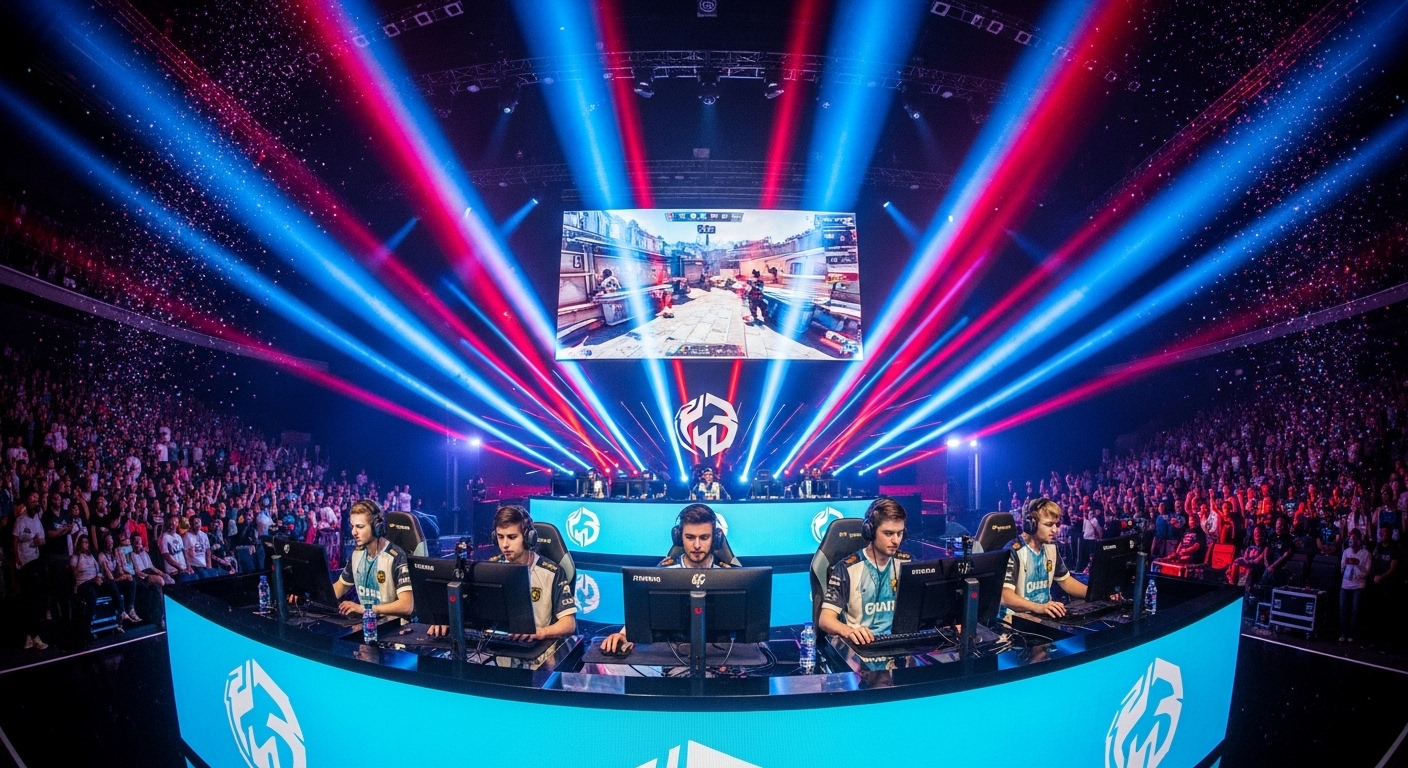
What makes esports extraordinary is how quickly it has evolved from small local gatherings to filling massive stadiums with roaring fans. Once, a gaming tournament might have taken place in a cramped computer café or college hall. Now, international events like The International (for Dota 2) or the League of Legends World Championship are held in arenas that also host the world’s biggest concerts and sporting events. These tournaments are broadcasted live, with professional commentators, analysts, and production values that rival major television broadcasts.
This transformation did not happen overnight. The esports community was built by passionate gamers who believed that their skill and dedication deserved recognition equal to athletes in traditional sports. As more players began to compete and more fans started watching, sponsors and media companies took notice. Corporate partnerships, advertising deals, and brand endorsements began to flow in, leading to the birth of professional organizations and leagues. Today, top esports teams operate like traditional sports franchises with coaches, analysts, nutritionists, and even psychologists on their payrolls to ensure that players perform at their best.
The Professional Gamer’s Journey
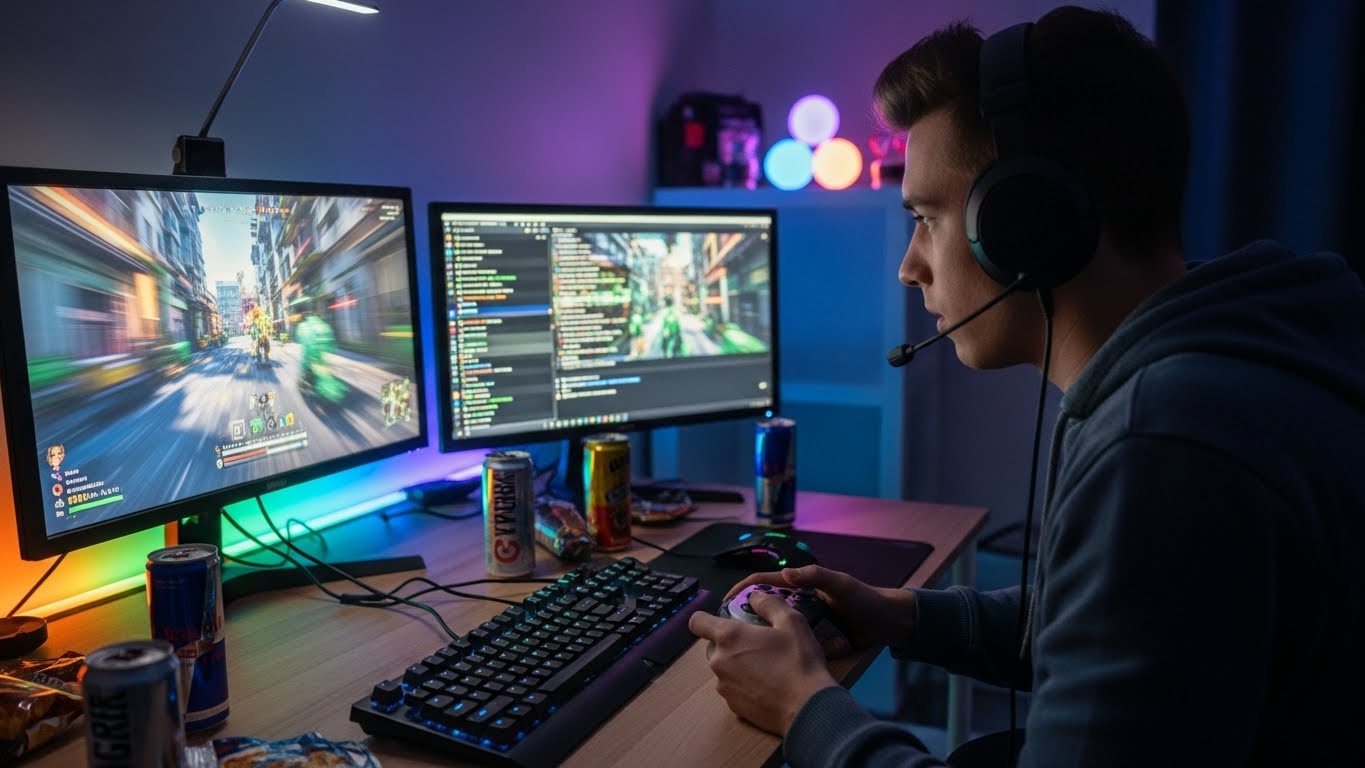
Being a professional esports player is not an easy path. Many young players begin their journey in their teenage years, dedicating countless hours to improving their skills. Just like in any sport, raw talent is only the beginning. The top players spend up to ten hours a day practicing, studying strategies, and analyzing their opponents. They need sharp reflexes, mental endurance, and the ability to remain calm under pressure.
Unlike traditional athletes, esports players often face unique challenges such as physical strain from long hours of gameplay, mental fatigue, and a relatively short career span. Reaction times and concentration tend to peak early, so many professional gamers retire in their mid-twenties, transitioning into coaching, streaming, or content creation. Despite these challenges, the pursuit of excellence and the thrill of competition drive thousands of players to chase their dreams of becoming champions.
The Power of Community and Streaming
One of the strongest pillars of esports is its community. Platforms such as Twitch and YouTube have allowed gamers to connect with audiences in ways that traditional sports could never imagine. Fans don’t just watch tournaments; they interact with their favorite players daily, learning from them, supporting them, and even donating to keep their streams running. This direct relationship between players and audiences has made esports one of the most interactive entertainment forms in the world.
Streaming has also given rise to a new kind of celebrity. Streamers who entertain audiences through personality and skill can earn as much, if not more, than professional players. The boundary between professional competition and casual streaming has blurred, creating a dynamic ecosystem where anyone with a computer and dedication can find an audience. This accessibility has made gaming culture more inclusive, allowing fans to participate in discussions, contribute to community events, and even influence the direction of games themselves.
The Economic Impact of Esports
The business of esports has become a powerhouse within the entertainment sector. The industry’s value has surpassed billions of dollars, driven by sponsorships, merchandise, ticket sales, and broadcasting rights. Global brands from technology, energy drinks, apparel, and even traditional sports sectors have invested heavily in esports. Major corporations sponsor tournaments, while media giants compete for broadcasting rights to attract younger audiences.
This economic growth has also fueled job creation in multiple areas. Beyond the players themselves, the esports industry employs commentators, event organizers, game developers, marketers, and social media managers. Cities across the world are investing in esports infrastructure, building arenas and training facilities designed specifically for digital competition. Universities are offering scholarships for esports athletes, and academic programs are emerging to train students in game design, esports management, and broadcasting.
Esports and Education
Esports has begun to play an important role in education. Schools and universities are increasingly incorporating esports programs to engage students and teach valuable skills such as teamwork, strategic thinking, and leadership. Competitive gaming has proven to improve problem-solving abilities and cognitive skills, making it more than just entertainment. Some institutions have even established varsity esports teams that compete at national and international levels.
For students, esports can serve as both a passion and a pathway to a career. The esports industry now offers roles in production, event management, marketing, analytics, and journalism. Students who love gaming can now pursue professional careers connected to their interests without facing the stigma once associated with gaming. Educational initiatives are also working to ensure that young gamers balance academics and gaming responsibly, helping them develop both intellectual and emotional discipline.
Diversity and Inclusion in Esports
As the esports world expands, so does the conversation around diversity and inclusion. The industry has faced criticism for gender imbalance and lack of representation, but change is slowly happening. More female gamers, commentators, and leaders are stepping into the spotlight, challenging stereotypes and reshaping the landscape of competitive gaming. Organizations and communities are promoting initiatives to make esports welcoming to all, regardless of gender, background, or nationality.
This inclusivity strengthens the industry by introducing new perspectives and talent. Esports has the potential to unite people globally through shared passion, breaking down barriers that often divide traditional sports. In virtual arenas, players compete not based on physical attributes but on skill, strategy, and creativity. This makes esports one of the most egalitarian platforms for competition in the modern era.
The Role of Technology in Esports Evolution
Technology is the backbone of esports. High-speed internet, powerful gaming hardware, and streaming innovations have made it possible for millions to compete and watch without leaving their homes. The constant evolution of gaming technology also drives the industry forward. Graphics are becoming more realistic, game physics more complex, and virtual environments more immersive.
The rise of virtual reality (VR) and augmented reality (AR) promises to push esports into a new dimension. Imagine players stepping into fully immersive arenas, battling in virtual spaces that feel almost tangible. Cloud gaming is another game-changer, allowing high-quality games to be played on any device without expensive hardware. Artificial intelligence is also influencing esports by analyzing player data, optimizing strategies, and even creating smarter training programs.
The Cultural Impact of Esports
Esports has become a defining part of global youth culture. Gaming influences music, fashion, language, and even lifestyle. Artists collaborate with gaming franchises, fashion brands design esports-inspired collections, and memes born in gaming communities spread across the internet. For many young people, esports represents not just entertainment but identity and belonging.
In many ways, esports reflects the digital age itself—a world that thrives on connectivity, creativity, and competition. It has created its own heroes and legends, from players who achieve impossible victories to teams that build loyal fan bases across continents. The emotional highs and lows, the rivalries, and the stories behind every match have turned esports into a form of storytelling that captivates audiences as deeply as any movie or sport.
Challenges Facing the Esports Industry
Despite its rapid growth, esports still faces challenges that need to be addressed for sustainable success. One major concern is player burnout. The intense schedule, pressure to perform, and lack of proper regulation can lead to mental and physical health issues. The industry is now recognizing the importance of player welfare, implementing measures to ensure rest, mental health support, and career guidance.
Another challenge lies in standardization. Unlike traditional sports, esports is heavily dependent on game publishers who own the rights to their games. This means that competitive rules, league structures, and even prize pools can vary greatly. Establishing a universal regulatory body for esports could bring consistency, protect players, and create fairer opportunities across regions.
Cheating, match-fixing, and toxic behavior in online communities are also pressing issues. The competitive integrity of esports must be safeguarded through better monitoring, stricter penalties, and education about fair play. As the industry grows, maintaining transparency and trust will be essential to keeping fans and players engaged.
The Future of Esports
The future of esports looks brighter than ever. With the ongoing integration of advanced technologies and the growing acceptance of gaming as a legitimate profession, esports is set to become one of the pillars of global entertainment. Predictions suggest that in the coming years, esports could even be included in major international sporting events. Some countries have already recognized esports players as official athletes, granting them the same status as Olympic competitors.
As 5G technology expands and virtual experiences improve, esports will become even more accessible. Fans will be able to watch and interact with matches in real-time through immersive technologies. New genres of games will emerge, and hybrid experiences blending physical and digital sports could redefine competition altogether.
Esports also has a powerful role to play in uniting people. In a world often divided by borders and ideologies, gaming creates a universal language of competition and collaboration. It encourages global friendships, teamwork, and understanding through shared passion. The next generation of players and fans will not only consume esports but also shape its direction, ensuring that the digital battleground remains a space for creativity and innovation.
Conclusion
Esports has evolved from a pastime into a worldwide cultural movement. It stands at the crossroads of technology, entertainment, and human ambition, embodying the spirit of modern innovation. The journey from pixelated screens in local arcades to massive international tournaments has been nothing short of extraordinary. What started as friendly competition between gamers has become a global stage for excellence, creativity, and connection.
As we look to the future, esports will continue to grow, adapt, and inspire. Its influence reaches far beyond gaming—it impacts education, business, and culture itself. The digital arena has proven that passion, skill, and community can turn pixels into history. Esports is not just the future of competition; it is a reflection of our evolving world, where technology and human spirit meet to create something truly remarkable.