The Evolution and Impact of Esports
Esports, or electronic sports, has grown from a niche hobby into a global phenomenon over the past few decades. What began as casual competition among friends playing video games has transformed into a multi-billion-dollar industry with professional players, teams, leagues, and international tournaments. Today, esports is not only a form of entertainment but also a cultural and economic powerhouse, influencing technology, media, and society. This blog explores the history, rise, and impact of esports, examining how it has shaped modern entertainment and predicting its future trajectory.
The Origins of Competitive Gaming
The origins of esports date back to the late 1970s and early 1980s when video games first gained popularity. Early arcade games like Space Invaders and Pac-Man encouraged friendly competition through high-score leaderboards. Players would gather in arcades to challenge one another, and these environments became the first social spaces for competitive gaming.
The 1980s also saw the rise of home consoles and personal computers, which made gaming more accessible. Competitions emerged around popular titles, often organized in local communities or through gaming magazines that announced high-score contests. These early competitions laid the groundwork for more structured tournaments and organized competitive play in the years to come.
By the 1990s, multiplayer PC games such as Doom, Quake, and Warcraft III introduced networked competition through local area networks. LAN parties became common, allowing players to compete in real-time while fostering communities built around shared gaming experiences. These early competitive events demonstrated that gaming could be more than a casual pastime; it could be an organized, skill-based activity with dedicated players and spectators.
The Internet Revolution and Global Connectivity
The advent of the internet in the late 1990s and early 2000s transformed esports. Online multiplayer games enabled players from different regions and countries to compete against one another, creating the first truly global esports communities. Games such as StarCraft, Counter-Strike, and Warcraft III became the foundation of competitive gaming, with international tournaments emerging and prize money beginning to attract serious players.
South Korea played a pivotal role in the professionalization of esports. The country embraced competitive gaming, with televised matches, dedicated internet cafes, and professional training facilities. Korean players achieved celebrity status, and esports became a viable career path. The innovations in coaching, strategy, and league structure from South Korea influenced esports worldwide, setting a standard for professionalism and organization.
In the United States and Europe, esports expanded through organizations like Major League Gaming and DreamHack. These leagues established rules, rankings, and tournament structures, helping transition esports from casual play into a structured industry. The combination of internet connectivity, organized leagues, and growing audiences set the stage for the global esports boom.
Iconic Games That Shaped Esports
Several games have defined the trajectory of esports and contributed to its global popularity. StarCraft, particularly the Brood War expansion, became the cornerstone of professional gaming in South Korea due to its high skill ceiling and strategic depth. Its popularity led to televised leagues and tournaments, establishing a professional ecosystem for players and teams.
Counter-Strike, a tactical first-person shooter, emphasized teamwork, communication, and precision. Its competitive nature attracted players worldwide and became a staple in international tournaments. The Counter-Strike series remains central to esports today, demonstrating its enduring appeal and competitive viability.
Other influential games include League of Legends, Dota 2, Overwatch, and Fortnite. League of Legends pioneered the modern esports league model with franchised teams, structured seasons, and global competitions. Dota 2 is renowned for The International, which consistently offers record-breaking prize pools and attracts players from around the world. Overwatch introduced fast-paced, team-based gameplay with international leagues, while Fortnite popularized the battle royale genre and brought esports to a younger, mainstream audience.
These games have contributed uniquely to esports’ growth, drawing large player bases, developing competitive structures, and creating international fan communities. They have also demonstrated the diversity of esports, encompassing strategy, shooter, and multiplayer online battle arena genres.
Professional Players and Teams
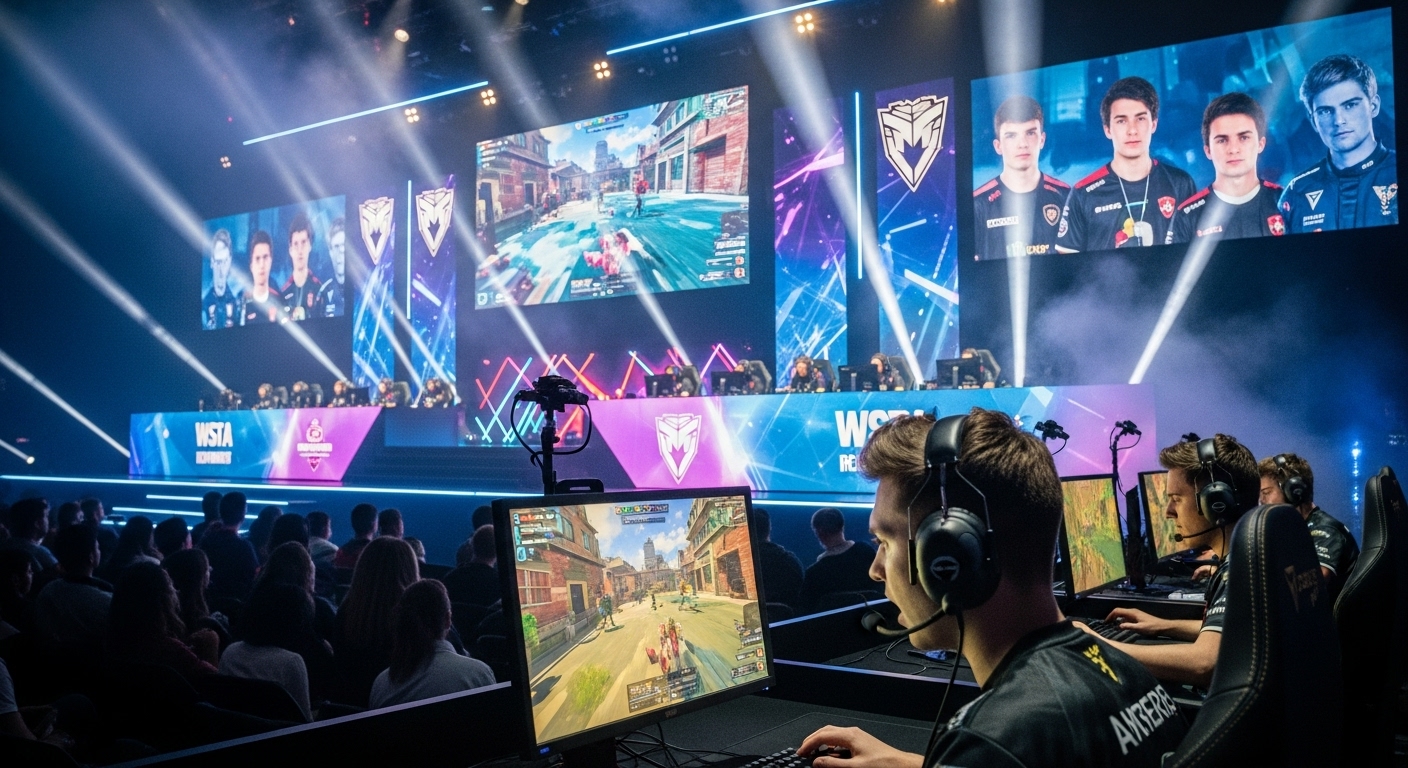
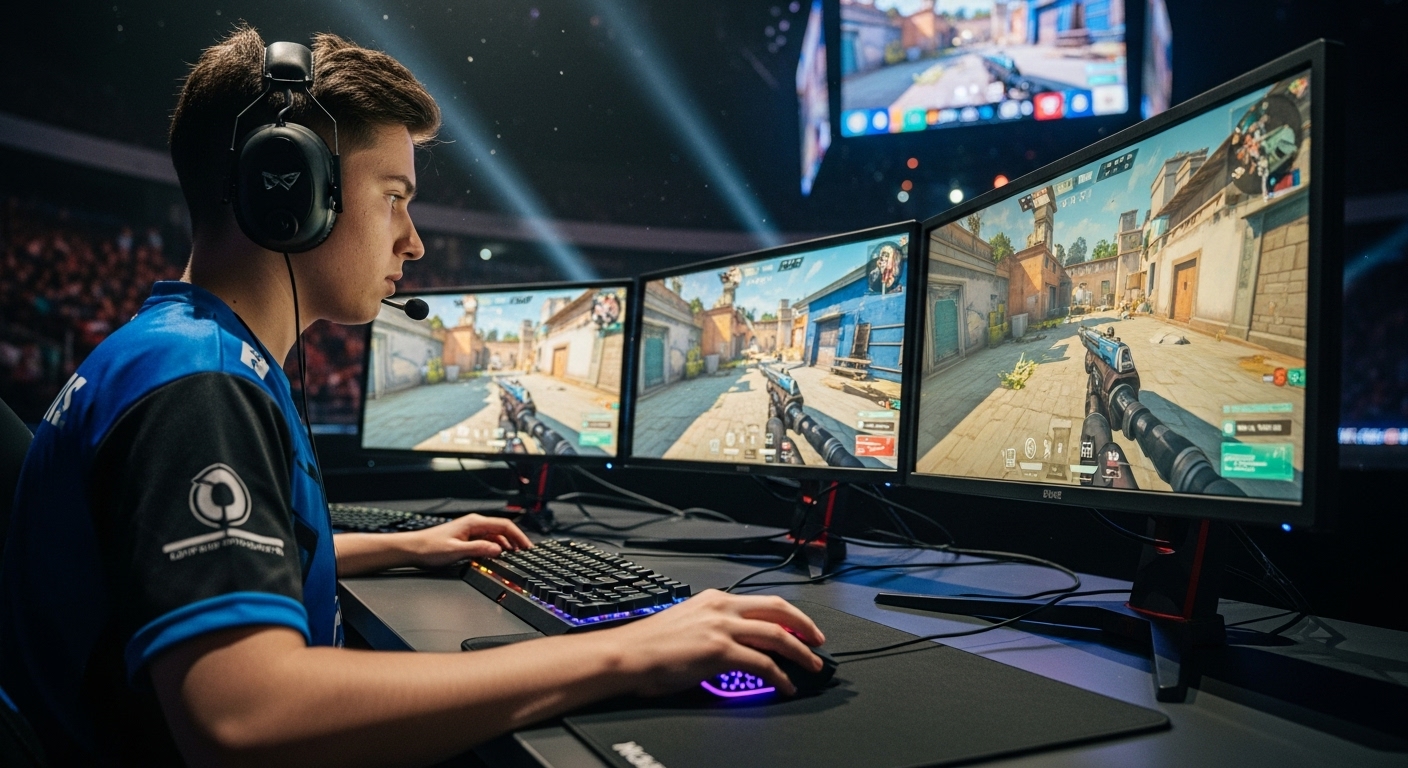
Professional esports players are central to the industry’s success. These individuals dedicate countless hours to training, strategy development, and studying opponents. Many teams employ coaches, analysts, nutritionists, and psychologists to optimize performance and maintain peak condition. Professional players are not only skilled in gameplay but also disciplined, strategic, and resilient under pressure.
Esports players achieve celebrity status within the gaming community. Icons like Faker in League of Legends, s1mple in Counter-Strike: Global Offensive, and N0tail in Dota 2 have become symbols of talent, dedication, and influence. Beyond tournament winnings, players build personal brands through streaming, social media, and sponsorships, connecting with fans and creating long-term career opportunities.
Training in esports mirrors traditional sports, with structured schedules, team strategies, and mental and physical conditioning. The professionalization of players has elevated esports to a level comparable to mainstream athletic competition, emphasizing dedication, teamwork, and skill.
Major Esports Tournaments
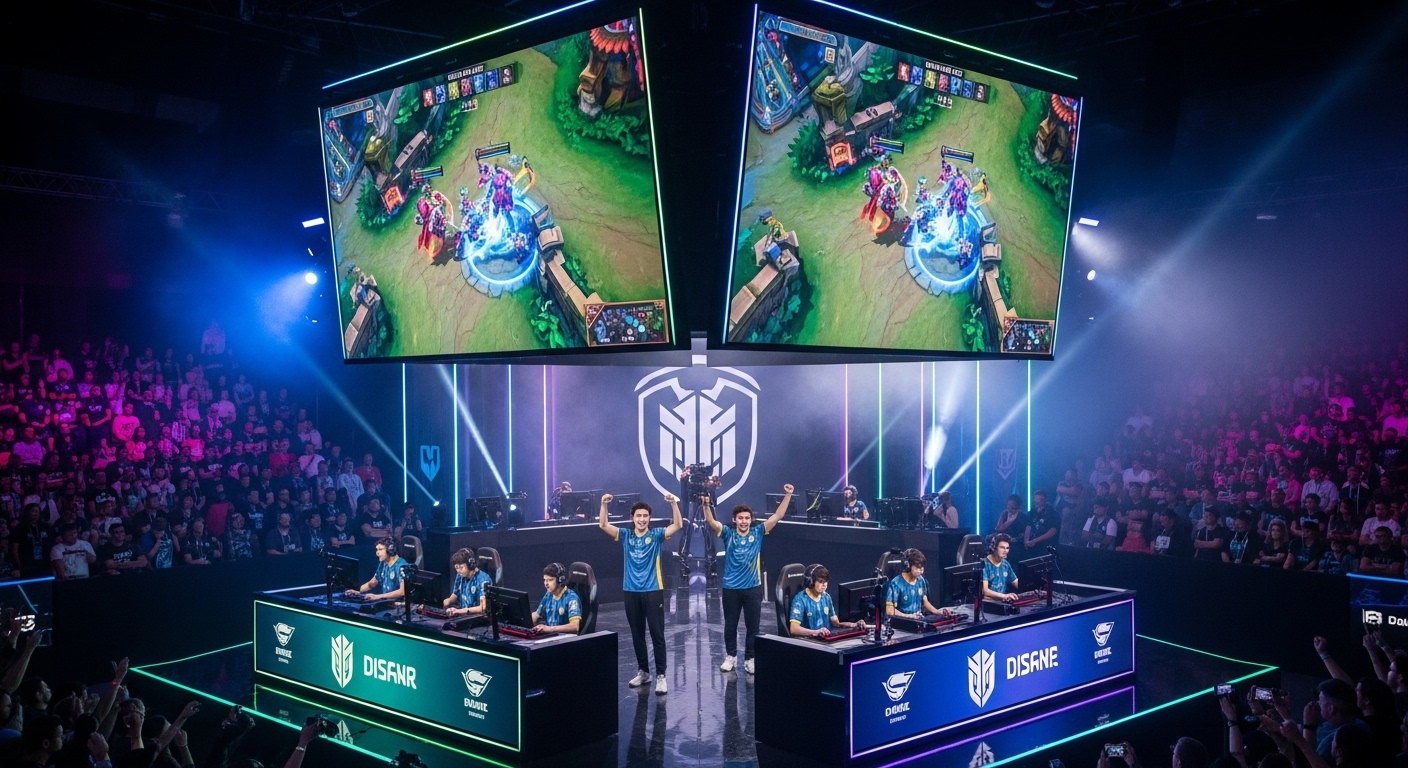
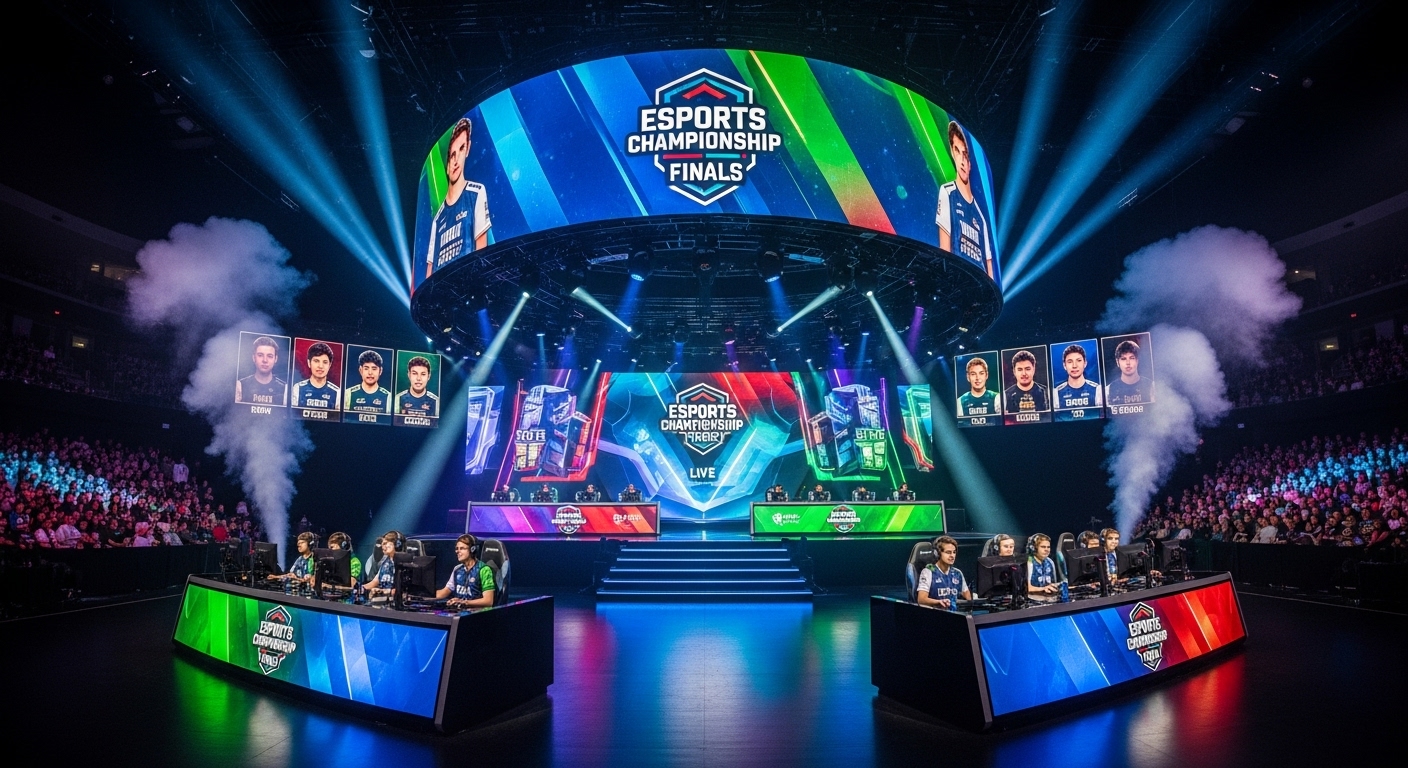
Tournaments are the lifeblood of esports, providing competition, entertainment, and community engagement. Events like The International for Dota 2, the League of Legends World Championship, and the Fortnite World Cup attract global audiences and offer multimillion-dollar prize pools. These events combine live performances, commentary, analysis, and immersive production values, creating experiences similar to traditional sports championships.
Regional leagues feed into international competitions, allowing players to advance from amateur to professional levels. Franchised league systems, such as those established in League of Legends, provide stability for teams, structured competition for players, and consistent content for fans. Tournaments also generate secondary industries, including event production, broadcasting, analytics, and merchandising, contributing to esports’ economic impact.
The growth of tournaments has elevated esports from a niche activity to a global entertainment industry. Spectators watch live events in stadiums, engage online through streaming platforms, and participate in fan communities, creating a dynamic ecosystem that extends beyond gameplay.
Streaming and the Spectator Experience
The rise of streaming platforms has revolutionized how esports is consumed. Twitch, YouTube Gaming, and Facebook Gaming allow viewers to watch live matches, interact with players, and engage with communities in real-time. Streaming platforms provide accessibility, allowing fans worldwide to follow players, teams, and tournaments without geographical limitations.
Streaming has also enhanced the entertainment value of esports. Commentators, analysts, and content creators provide insights, strategy breakdowns, and storytelling, making competitions more engaging for audiences. Fans can interact with players and other viewers, creating an interactive, immersive experience that traditional sports cannot fully replicate.
Streaming has further empowered professional players to monetize their skills through subscriptions, donations, sponsorships, and content creation. This has expanded the career opportunities available in esports, contributing to its sustainability and growth.
Sponsorships and Economic Growth
Esports has developed into a thriving business ecosystem. Sponsorships, advertising, merchandise, media rights, and event ticket sales generate billions of dollars annually. Brands recognize the opportunity to reach engaged, tech-savvy audiences through partnerships with teams, tournaments, and players.
Major companies such as Intel, Nike, Coca-Cola, and Red Bull have invested heavily in esports, sponsoring players, leagues, and events. Sponsorships provide financial stability for teams and organizations, allowing them to support player salaries, infrastructure, and competitive participation. In-game monetization, merchandise sales, and ticketed events diversify revenue streams, creating a sustainable economic model for the industry.
The financial growth of esports has transformed it into a professional and commercialized ecosystem. Players, organizations, event organizers, and content creators can pursue long-term careers, reflecting esports’ legitimacy as a global industry.
Cultural and Social Impact
Esports has a profound cultural and social impact, reshaping how people engage with entertainment and competition. It challenges traditional notions of sports and athleticism by emphasizing mental acuity, reflexes, strategy, and teamwork. Esports also fosters global communities, connecting players across borders through shared experiences and competition.
Esports has influenced fashion, music, media, and digital culture. Merchandise, branded content, and collaborations with mainstream artists bring gaming into broader cultural awareness. The industry also provides youth engagement opportunities, with schools and universities establishing esports programs, competitive leagues, and scholarships.
Furthermore, esports is increasingly a platform for social initiatives. Organizations promote diversity, inclusion, and accessibility, reflecting the industry’s responsibility to its global audience. Competitive gaming has become more than entertainment—it is a cultural movement that connects, educates, and inspires.
Challenges Facing Esports
Despite its rapid growth, esports faces challenges. Player burnout, mental health issues, and career longevity are ongoing concerns. The intense schedules, high-pressure competitions, and public scrutiny can take a toll on players’ well-being. Professional organizations are addressing these challenges through structured support systems, wellness programs, and balanced training regimens.
Regulation and standardization remain critical. Ensuring fair play, combating cheating, and establishing consistent rules across regions are necessary for long-term credibility. Intellectual property disputes, sponsorship conflicts, and ethical considerations also require careful management.
Cultural perception is another challenge. While some countries formally recognize esports and provide professional gaming visas, others still regard it as casual gaming. Overcoming skepticism is essential for continued mainstream acceptance.
The Future of Esports
The future of esports is poised for continued growth and innovation. Emerging technologies like virtual reality, augmented reality, and cloud gaming will create more immersive and accessible experiences. AI-powered analytics and training tools will enhance strategy, preparation, and performance.
Education and youth programs will expand, providing structured opportunities for aspiring players. Schools and universities are investing in esports programs and scholarships, cultivating talent and professional pathways. Globalization will connect players, teams, and audiences, fostering cross-cultural collaboration and international competitions.
Inclusivity, diversity, and ethical considerations will shape the next generation of esports. As the industry matures, it will balance commercial growth with social responsibility, ensuring long-term sustainability and cultural relevance.
Conclusion
Esports has evolved from arcade competitions and LAN parties into a global phenomenon that rivals traditional sports in popularity, professionalism, and cultural impact. It has created opportunities for players, teams, and organizations, fostered global communities, and influenced media, technology, and culture.
The rise of esports illustrates the transformative power of technology, creativity, and human engagement. It connects people worldwide, promotes skill and strategy, and offers entertainment that is interactive, immersive, and inclusive. As esports continues to grow, it will shape the future of entertainment, creating new possibilities for competition, storytelling, and community engagement.
Esports is more than gaming—it is a professional pursuit, a cultural movement, and a reflection of human ambition, skill, and passion. Its impact on society, media, and global culture is undeniable, and its future promises even greater innovation, accessibility, and excitement.