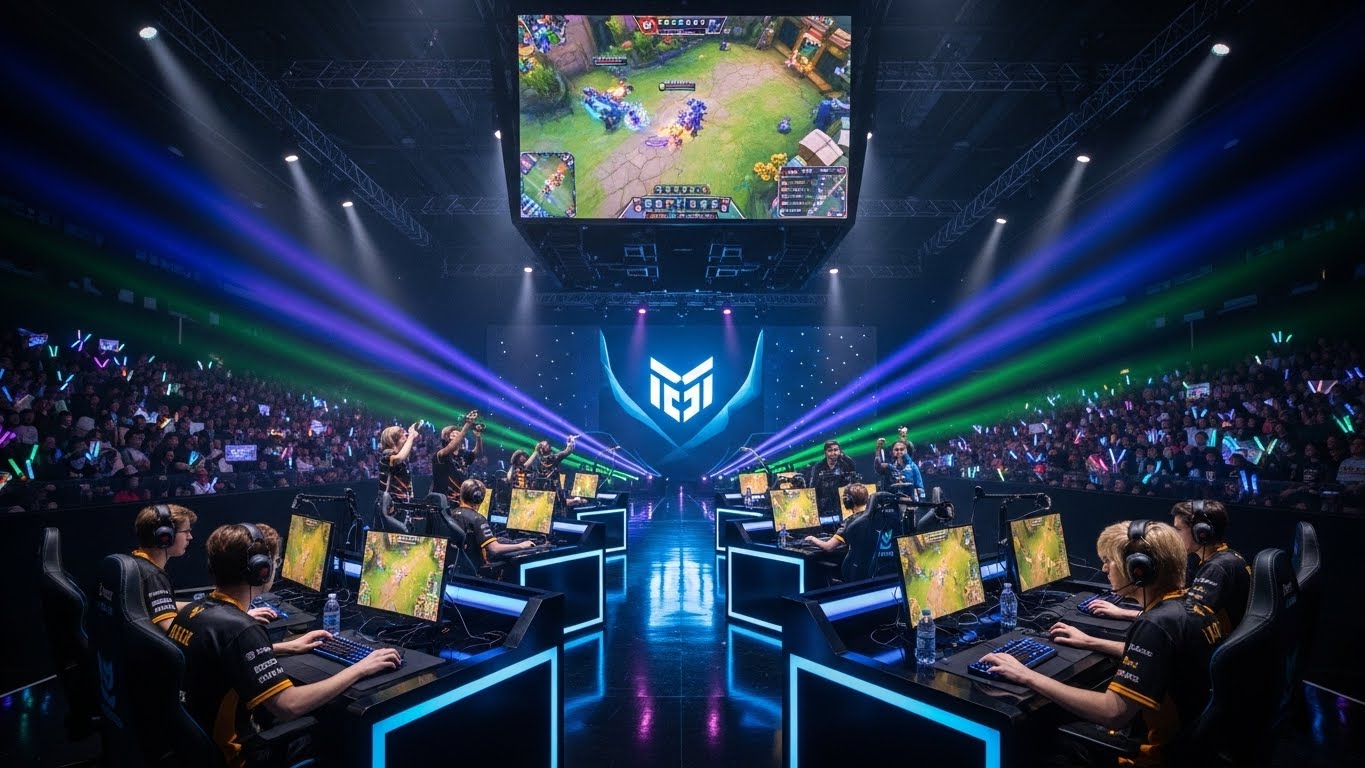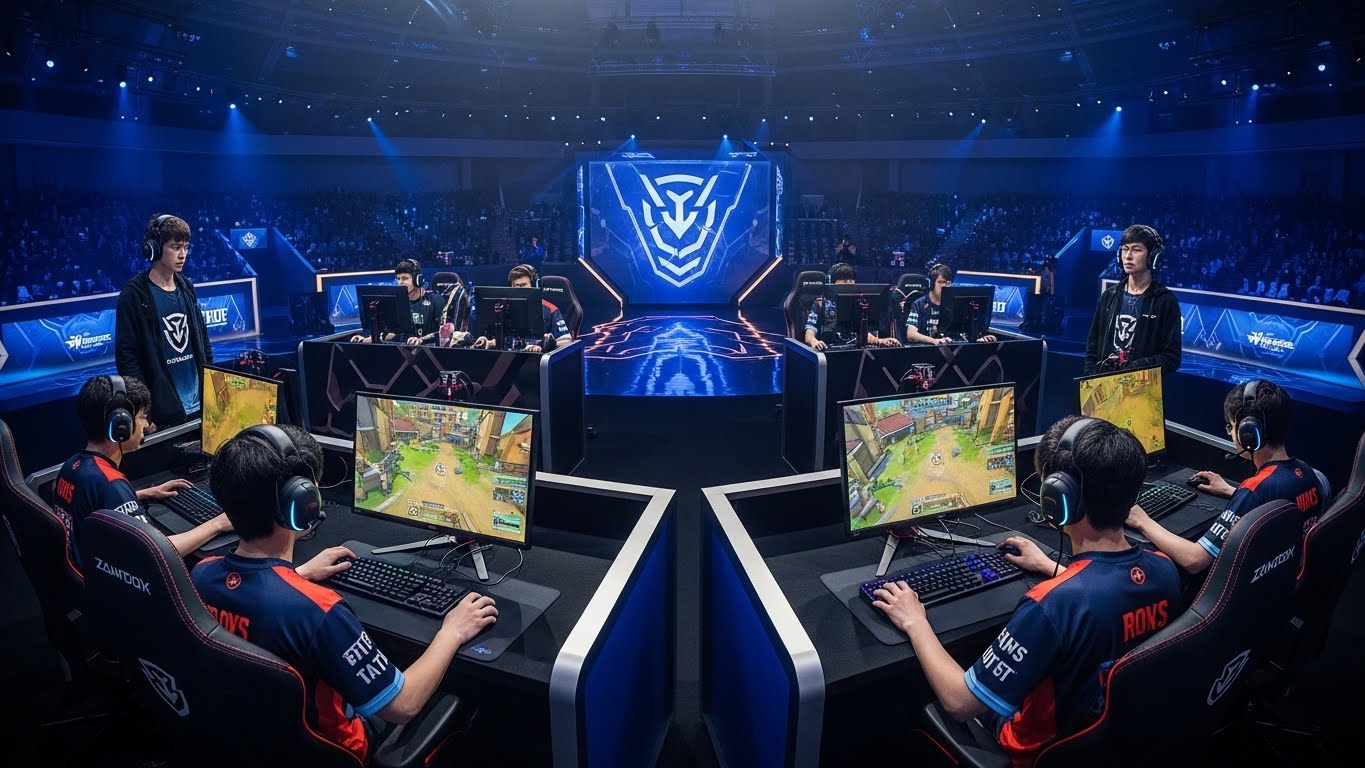
Sports are more than just games played on fields, courts, or tracks. They are a universal language that brings people together, inspires passion, and teaches essential life skills. From informal street games to professional leagues and international competitions, sports have played a critical role in shaping human culture, identity, and community. They influence physical health, mental well-being, social cohesion, and even economies. This blog explores the multifaceted world of sports, examining its history, impact, challenges, and future.
The Historical Significance of Sports
The roots of sports can be traced back thousands of years, where athletic competitions were part of rituals, military training, or community gatherings. Ancient civilizations such as Greece, Egypt, and China held competitions to honor their gods, celebrate harvests, or prepare warriors for battle. The Olympic Games in ancient Greece were not only about physical excellence but also about honor, discipline, and unity among city-states.
Throughout history, sports have served as a platform for cultural expression and social engagement. Traditional games, folk sports, and regional tournaments reflected the values, skills, and identity of communities. This historical significance underlines the idea that sports are deeply intertwined with the human experience and social development.
The Modern Evolution of Sports
The modern era has transformed sports from community pastimes into organized, professional, and global industries. Standardized rules, international federations, and professional leagues have created structured environments for athletes to compete at national and global levels. Sports like football, cricket, basketball, tennis, and athletics have transcended cultural boundaries and become global phenomena.
Modern technology has revolutionized training, performance analysis, and fan engagement. Sports science, biomechanics, nutrition, and psychology contribute to improving athletic performance. High-definition broadcasting, online streaming, and social media allow fans worldwide to follow their favorite teams and athletes in real-time. The evolution of sports reflects the combination of tradition, innovation, and human ambition.
Sports as a Tool for Physical Health
Engaging in sports has profound benefits for physical health. Regular participation strengthens muscles, improves cardiovascular endurance, enhances flexibility, and promotes overall fitness. Children who participate in sports develop motor skills, coordination, and agility, forming the foundation for a healthy lifestyle.
For adults, sports provide a structured way to maintain fitness while offering recreational enjoyment. From running and swimming to team sports like football and basketball, the physical demands of sports contribute to disease prevention, weight management, and longevity. The positive impact on physical health makes sports a critical element of public health initiatives worldwide.
Mental and Emotional Benefits of Sports
Beyond physical fitness, sports play a vital role in mental and emotional well-being. Engaging in athletic activities reduces stress, improves mood, and enhances focus. The sense of accomplishment from achieving goals or mastering a skill boosts self-esteem and confidence.
Team sports, in particular, promote social interaction and collaboration, which contribute to emotional resilience. Athletes learn to cope with wins, losses, pressure, and criticism, developing mental toughness and adaptability. By combining physical activity with psychological growth, sports foster holistic well-being.
Character Development Through Sports
Sports are powerful tools for building character and life skills. They teach discipline, perseverance, teamwork, leadership, and strategic thinking. Athletes learn the importance of dedication, time management, and responsibility, as consistent training is required to achieve success.
Participation in sports also teaches ethical values, including fair play, integrity, and respect for opponents. These lessons extend beyond the field, influencing personal and professional life. By instilling resilience and moral principles, sports contribute to shaping well-rounded, responsible individuals.
Sports and Education
Educational institutions recognize the critical role sports play in student development. Schools and universities incorporate physical education and competitive sports into their curricula to promote balanced growth. Participation in school sports encourages teamwork, leadership, problem-solving, and social skills, complementing academic learning.
Colleges and universities also provide scholarships for talented athletes, combining educational opportunities with athletic development. These programs create pathways for professional sports careers while emphasizing the importance of academics. Sports in education help develop both mind and body, preparing students for future challenges.
Professional Sports and Global Influence
Professional sports have become global industries with tremendous economic and cultural impact. Leagues, tournaments, and championships attract millions of spectators, generate billions in revenue, and create employment opportunities across coaching, broadcasting, marketing, and event management.
Athletes often achieve celebrity status, serving as role models and influencers. Their achievements inspire millions, and many use their platforms to advocate for social causes, education, and equality. International sports events, such as the Olympics and World Cups, foster global unity, cultural exchange, and national pride. Professional sports influence society not only as entertainment but also as a driver of economic and social engagement.
Technology and Innovation in Sports
Technology has dramatically transformed how sports are played, watched, and analyzed. Wearable devices track athletes’ performance, monitor heart rate, and provide real-time feedback. Video replay systems and digital analysis improve decision-making, fairness, and performance evaluation.
Virtual reality and augmented reality technologies offer immersive training and fan experiences. Online streaming and digital platforms allow fans to follow events from anywhere, creating global sports communities. Technology ensures continuous innovation, elevating both athlete performance and fan engagement while expanding the reach and accessibility of sports.
Sports and Social Cohesion
Sports have a unique ability to unite communities, regardless of social, cultural, or economic differences. Local leagues, school competitions, and community events foster interaction, teamwork, and collective identity. Spectators and fans bond over shared enthusiasm, creating a sense of belonging and social cohesion.
In times of crisis or conflict, sports often act as a unifying force. International tournaments and friendly matches provide opportunities for dialogue, reconciliation, and solidarity. The social dimension of sports demonstrates its power to foster harmony and strengthen community ties.
Economic Impact of Sports
Sports contribute significantly to national and local economies. Revenue streams include ticket sales, broadcasting rights, sponsorships, merchandise, and tourism. Mega-events like the Olympics, FIFA World Cup, and international championships generate billions in revenue, stimulate infrastructure development, and create employment.
Sports also drive entrepreneurship and innovation. Companies invest in equipment, apparel, nutrition, digital services, and media, creating industries that revolve around athletic activity. The economic impact of sports extends beyond the field, supporting diverse sectors and promoting sustainable growth.
Challenges in the World of Sports
Despite its benefits, sports face multiple challenges. Doping, corruption, match-fixing, and unethical practices threaten the integrity of competitions. Pressure on athletes to perform at elite levels can lead to mental health issues, burnout, and physical injuries.
Inclusivity is another challenge, as women’s sports and programs for differently-abled athletes often receive less support and recognition. Ensuring equal opportunities, safe environments, and ethical practices is essential for maintaining trust, fairness, and sustainability in sports.
The Future of Sports
The future of sports is bright, driven by technological innovation, social awareness, and global participation. Virtual sports, artificial intelligence, wearable tech, and data analytics will continue to shape training, performance, and fan engagement.
Women’s sports are gaining greater recognition, expanding opportunities and representation across professional leagues and international competitions. Adaptive sports for differently-abled athletes are also growing, promoting inclusivity and inspiring audiences. Sustainability will become increasingly important, with eco-friendly stadiums, energy-efficient facilities, and reduced environmental impact being central to future sporting events.
The future of sports lies in innovation, inclusivity, and global connectivity, ensuring that athletic pursuits continue to inspire, unite, and elevate society.
Conclusion
Sports are much more than games; they are a reflection of human spirit, culture, and ambition. From the earliest communal competitions to modern professional leagues, sports have influenced physical health, mental well-being, character development, and social cohesion. They inspire millions, drive economies, and foster global unity.
As sports continue to evolve, they will remain a powerful force in shaping individuals and communities. Through discipline, teamwork, and passion, sports teach life lessons that transcend age, nationality, and background. They are a timeless testament to human potential, perseverance, and the joy of competition. In the end, sports are not just about winning or losing—they are about connection, growth, and the shared experience of being part of something greater than oneself.