eSports Revolution: How Competitive Gaming is Redefining Entertainment
In the past decade, eSports has transformed from a niche hobby into a global phenomenon. What once was considered casual gaming among friends is now a multi-billion-dollar industry with professional players, competitive leagues, sponsorship deals, and millions of viewers worldwide. eSports, short for electronic sports, refers to organized, competitive video gaming where individuals or teams compete in various genres ranging from first-person shooters and strategy games to sports simulations and battle arenas. This blog explores the rise of eSports, its impact on culture and technology, the professional ecosystem, and the future of competitive gaming.
The Origins of eSports
Competitive gaming has roots dating back to the late 1970s and 1980s when arcades and early video games attracted local tournaments. Games like Space Invaders and Pac-Man were played for high scores, and small competitions began forming communities around them. The 1990s marked the rise of PC gaming with titles like Doom, Quake, and StarCraft, which introduced networked multiplayer gameplay. Players could compete against each other online, forming early eSports communities.
These early competitive experiences laid the foundation for modern eSports by demonstrating the appeal of skill-based competition and spectator interest. Tournaments were small-scale, often localized, but they highlighted the potential of gaming as a structured and competitive activity.
The Growth of eSports Leagues
The 2000s marked a significant turning point for eSports with the emergence of organized leagues and professional tournaments. Games such as Counter-Strike, Warcraft III, and StarCraft II established competitive ecosystems with clear rules, rankings, and prize money. The formation of leagues like the Cyberathlete Professional League and Major League Gaming provided structure and legitimacy to competitive gaming.
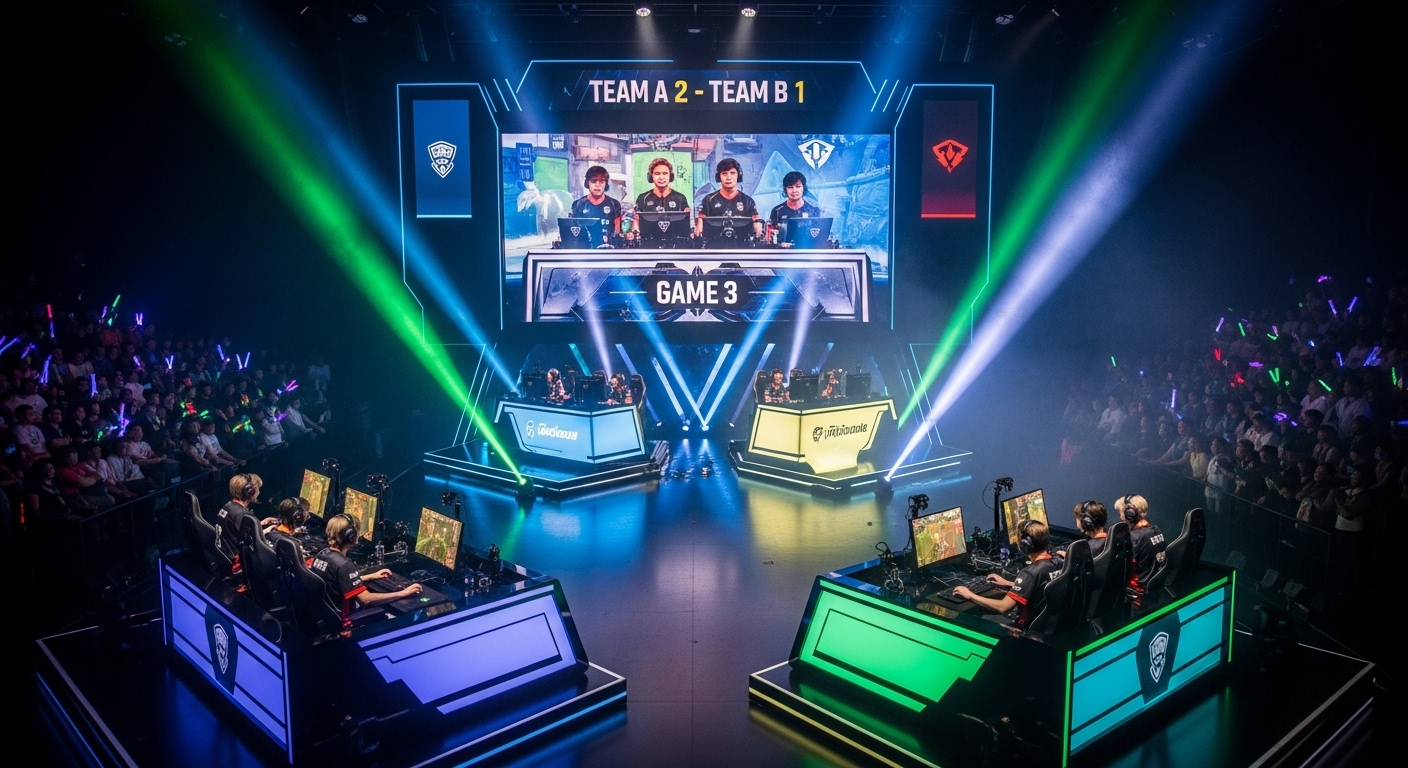
Today, eSports leagues span the globe, hosting thousands of players and attracting millions of viewers. Games such as League of Legends, Dota 2, Fortnite, and Call of Duty dominate professional competition. Leagues now feature seasonal events, playoffs, and world championships, mirroring traditional sports structures. This formalization has elevated eSports from a hobbyist activity to a professional industry with career opportunities, sponsorships, and media coverage.
Professional eSports Players
Professional eSports players have become celebrities in their own right. Top players dedicate countless hours to practice, often following strict training schedules, strategic planning, and mental conditioning. These athletes require high levels of coordination, strategic thinking, and teamwork.
Professional players compete for substantial prize pools. For example, international tournaments for games like Dota 2 and League of Legends offer millions of dollars in winnings. Beyond monetary rewards, players gain recognition, brand partnerships, and fan followings. Professional eSports requires discipline, resilience, and adaptability, highlighting the athletic and intellectual demands of competitive gaming.
eSports as a Spectator Sport
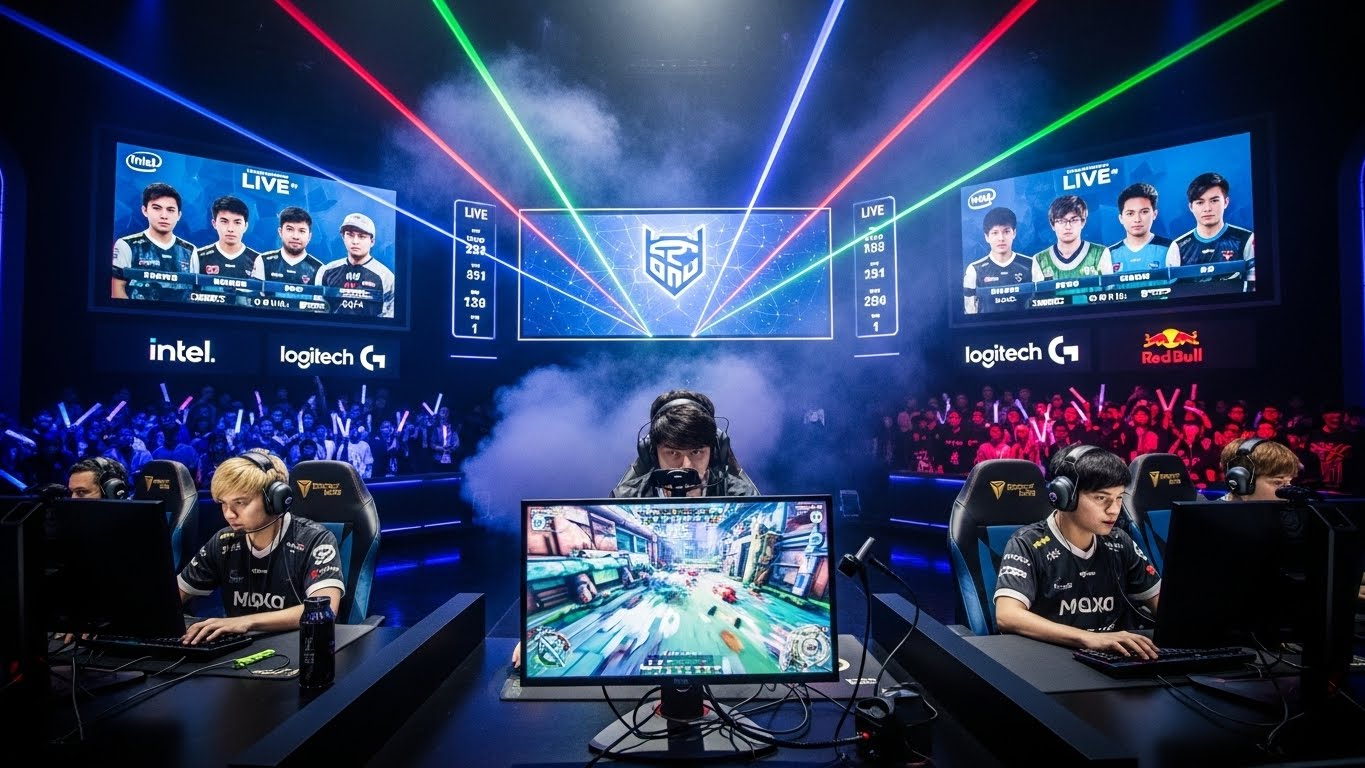
One of the most remarkable aspects of eSports is its appeal as a spectator sport. Streaming platforms such as Twitch and YouTube Gaming allow fans to watch live competitions, interact with players, and participate in communities. The accessibility of streaming technology has enabled eSports to reach audiences that rival traditional sports in viewership.
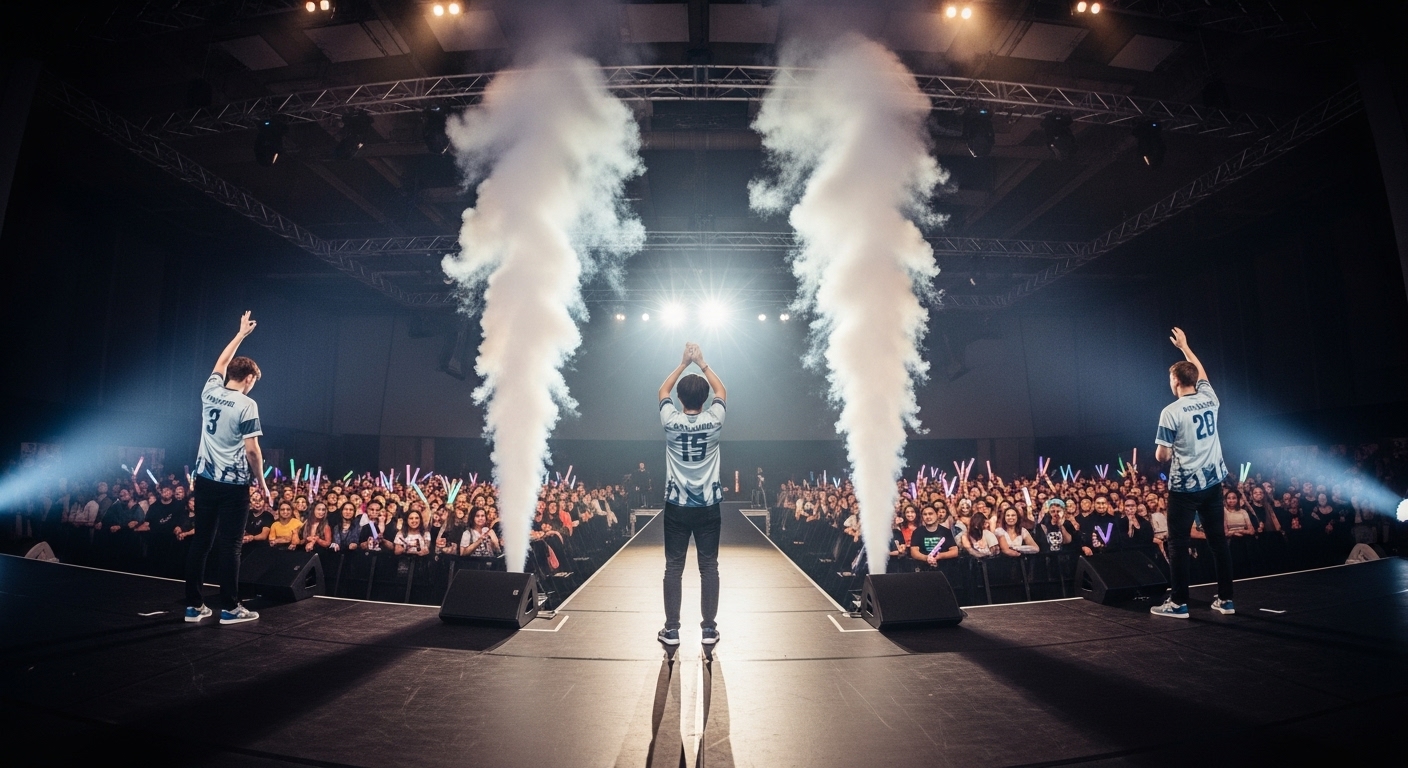
Major tournaments attract stadium audiences as well as millions of online viewers. Professional commentary, live analysis, and interactive engagement enhance the spectator experience. Fans follow teams and players much like traditional sports fans, creating communities that celebrate competition, strategy, and personality. The spectator dimension of eSports has been instrumental in its mainstream acceptance.
The Impact of Technology on eSports
Technology is at the heart of eSports. High-performance computers, gaming consoles, streaming infrastructure, and fast internet connectivity enable competitive play and global viewership. Advanced software and analytics help teams strategize, analyze opponents, and improve performance.
Virtual reality and augmented reality technologies are beginning to influence competitive gaming, offering new ways for players to interact with games and audiences. Additionally, AI-driven training tools allow players to simulate opponents, refine techniques, and gain insights into game mechanics. Technology ensures that eSports remains dynamic, competitive, and accessible worldwide.
Economic Impact of eSports
eSports has grown into a multi-billion-dollar industry with significant economic influence. Revenue streams include tournament prize pools, sponsorship deals, merchandising, ticket sales, streaming subscriptions, and advertising. Major corporations invest in teams, events, and content creation, recognizing eSports as a valuable marketing platform.
Beyond direct revenue, eSports contributes to local economies by creating jobs in event management, broadcasting, content production, and gaming technology. Universities and educational institutions have begun offering scholarships for eSports, highlighting its legitimacy as a professional and academic pursuit. The economic impact underscores how competitive gaming has evolved into a sustainable and influential industry.
Social and Cultural Impact of eSports
eSports has a profound cultural and social influence. Competitive gaming fosters global communities, bringing together players and fans from diverse backgrounds. Online multiplayer games create social networks where players collaborate, communicate, and develop relationships.
eSports has also challenged traditional perceptions of sports and athleticism. It demonstrates that mental acuity, strategy, and precision can be as demanding as physical prowess. Moreover, eSports has become a platform for cultural exchange, storytelling, and identity expression. Cosplay, fan art, online discussions, and streaming communities contribute to a vibrant ecosystem that transcends geographical boundaries.
Education and eSports
The integration of eSports into education has grown significantly. Schools and universities offer programs, clubs, and scholarships for competitive gaming. These initiatives teach teamwork, strategic thinking, problem-solving, and leadership skills. Players learn to manage time, balance responsibilities, and collaborate effectively—skills that translate beyond gaming into professional and academic contexts.
Educational eSports programs also provide pathways for students interested in careers in game design, broadcasting, event management, and digital marketing. By recognizing eSports as a legitimate avenue for skill development, education systems contribute to the professionalization and sustainability of the industry.
Challenges Facing eSports
Despite its rapid growth, eSports faces challenges. Regulatory concerns, including fair play, cheating, and match-fixing, require ongoing attention. Player well-being, including mental health, burnout, and physical strain, is another significant concern in professional competition.
Inclusivity and diversity remain challenges within eSports communities. Ensuring representation across gender, ethnicity, and socioeconomic background is essential for the long-term health of the industry. Additionally, balancing monetization with accessibility is critical to maintaining engagement while avoiding exploitation of players or audiences. Addressing these challenges is vital for sustaining eSports as a respected and inclusive industry.
The Future of eSports
The future of eSports is bright, with continued growth, technological innovation, and mainstream recognition. Virtual and augmented reality could transform competitive gameplay, creating new formats and immersive experiences. Artificial intelligence may enhance training, strategy, and audience engagement.
Global expansion will continue, bringing competitive gaming to new regions and cultures. Universities, professional leagues, and international governing bodies may formalize structures, creating standardized rules, rankings, and ethical practices. Social engagement, streaming innovation, and cross-media integration will further elevate eSports as both entertainment and profession.
eSports is likely to continue merging with traditional sports, media, and technology platforms, creating hybrid experiences that appeal to broader audiences. The future promises innovation, accessibility, and sustainability, ensuring that eSports remains a defining feature of modern entertainment.
Conclusion
eSports has revolutionized the concept of competitive entertainment. From humble beginnings in arcades and local tournaments to a global industry with millions of players and spectators, competitive gaming has demonstrated the power of skill, strategy, and technology. Professional players, leagues, and tournaments have created a structured ecosystem that parallels traditional sports in professionalism, popularity, and economic impact.
The cultural, social, and economic influence of eSports is undeniable. It fosters global communities, challenges conventional notions of sports, and offers opportunities for education, career development, and creative expression. As technology advances and audiences expand, eSports will continue to redefine entertainment, bridging gaming, competition, and social engagement. Competitive gaming is no longer just a pastime—it is a thriving, dynamic, and transformative industry that reflects the evolving nature of human interaction, culture, and entertainment in the digital age.