Esports, or electronic sports, has transformed from a niche activity into a global entertainment powerhouse in the last few decades. What started as a simple pastime for video game enthusiasts has now blossomed into an industry worth billions of dollars, with professional players, massive tournaments, and a fanbase that spans continents. In this post, we will dive deep into the rise of esports, its cultural impact, and the future of competitive gaming.
The Origins of Esports
The roots of esports can be traced back to the 1970s and 1980s, when video games first began to enter arcades and homes. Early competitive gaming often revolved around arcade machines, where players competed for high scores in games like Pong and Space Invaders. However, it wasn’t until the late 1990s and early 2000s that the modern concept of esports began to take shape.
The introduction of multiplayer games like Quake, StarCraft, and Warcraft laid the foundation for organized competitive play. These games offered players the opportunity to face off in real-time, creating a competitive landscape that appealed to both players and spectators alike. Tournaments began to spring up, with the first notable event being the Red Annihilation tournament in 1997, where Quake players competed for a Ferrari. This event is often cited as one of the first truly major esports tournaments, setting the stage for the large-scale competitions that would follow.
The Rise of Online Platforms
As the internet became more widespread in the early 2000s, the potential for online gaming exploded. Platforms like Battle.net and GameSpy allowed players to connect globally, creating communities where players could practice, compete, and share their passion for gaming. During this period, games like StarCraft and Counter-Strike began to dominate the competitive scene, with professional players emerging in countries like South Korea, where esports would become a national phenomenon.
In South Korea, the rise of internet cafes or “PC bangs” fueled the growth of competitive gaming. StarCraft, in particular, became a cultural cornerstone, with professional players achieving celebrity status. This laid the groundwork for the esports ecosystem as we know it today. Tournaments like the Ongamenet Starleague (OSL) and World Cyber Games (WCG) became global touchstones, attracting millions of viewers and substantial sponsorships.
The Globalization of Esports
With the rise of streaming platforms like Twitch, esports underwent a significant transformation in the 2010s. Twitch, launched in 2011, became the go-to platform for live streaming video games, and its influence cannot be overstated. It allowed fans to watch professional players live, interact with them in real-time, and participate in the community. This marked the point where esports shifted from a niche activity to a mainstream phenomenon.
In tandem with the growth of streaming, the quality and scale of tournaments also skyrocketed. Major esports titles like League of Legends, Dota 2, Counter-Strike: Global Offensive, and Overwatch became household names, with players forming professional teams and competing for millions of dollars in prize money. For example, The International for Dota 2 became one of the largest esports tournaments in terms of prize pool, with the 2018 event offering over $25 million in rewards. The huge success of these tournaments led to more mainstream media coverage, including broadcasting deals with television networks and sponsorships from major brands.
This period also saw the rise of dedicated esports organizations like Cloud9, Team Liquid, and Fnatic, which began to invest heavily in building successful teams, recruiting top-tier players, and organizing global events. The development of franchise leagues like the Overwatch League and League of Legends Championship Series further legitimized esports as a professional sport, establishing structures similar to traditional sports leagues like the NFL or NBA.
The Esports Industry Today
Today, esports has evolved into a multifaceted industry that touches on every aspect of entertainment. Professional players, analysts, commentators, coaches, and event organizers all play crucial roles in the ecosystem. The rise of esports has also opened up new career opportunities, with many players transitioning into content creation or becoming influencers on platforms like YouTube and TikTok.
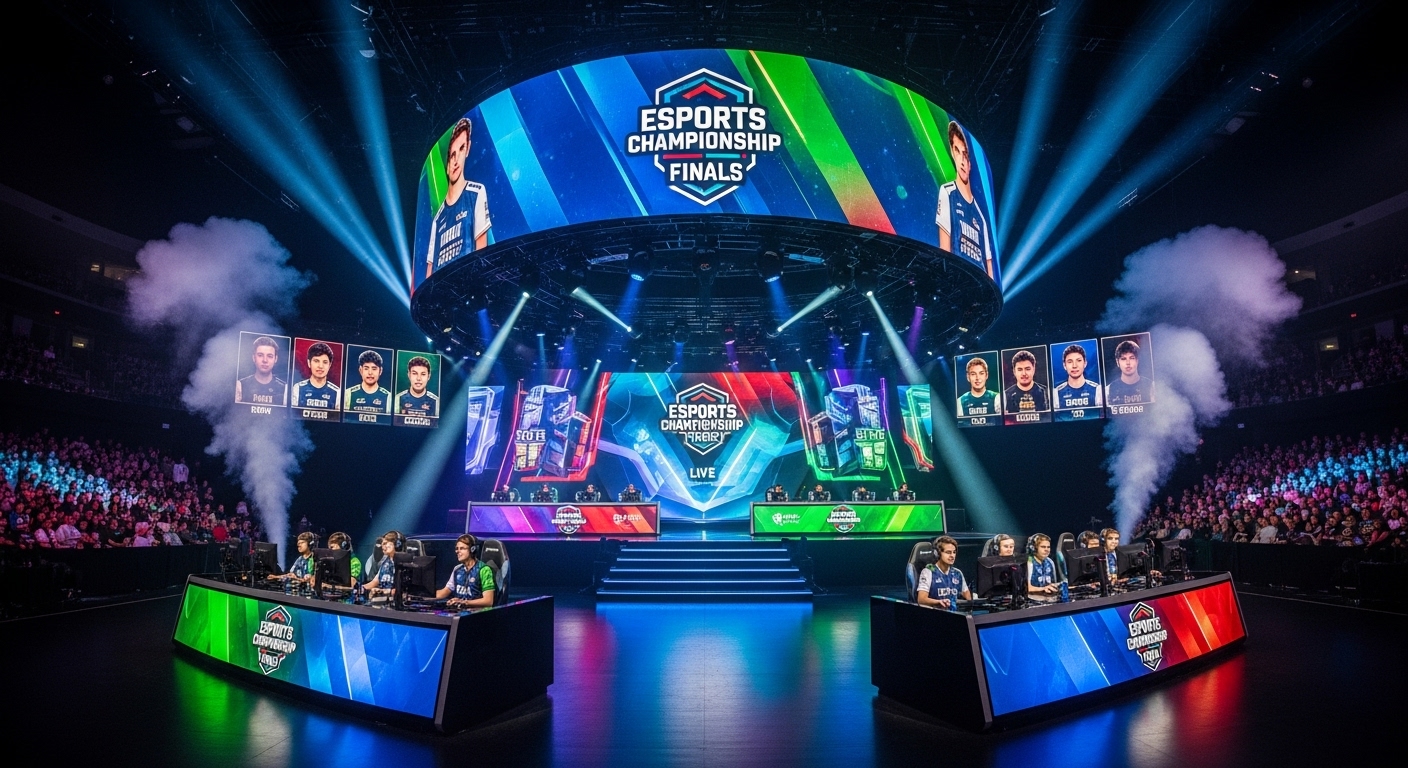
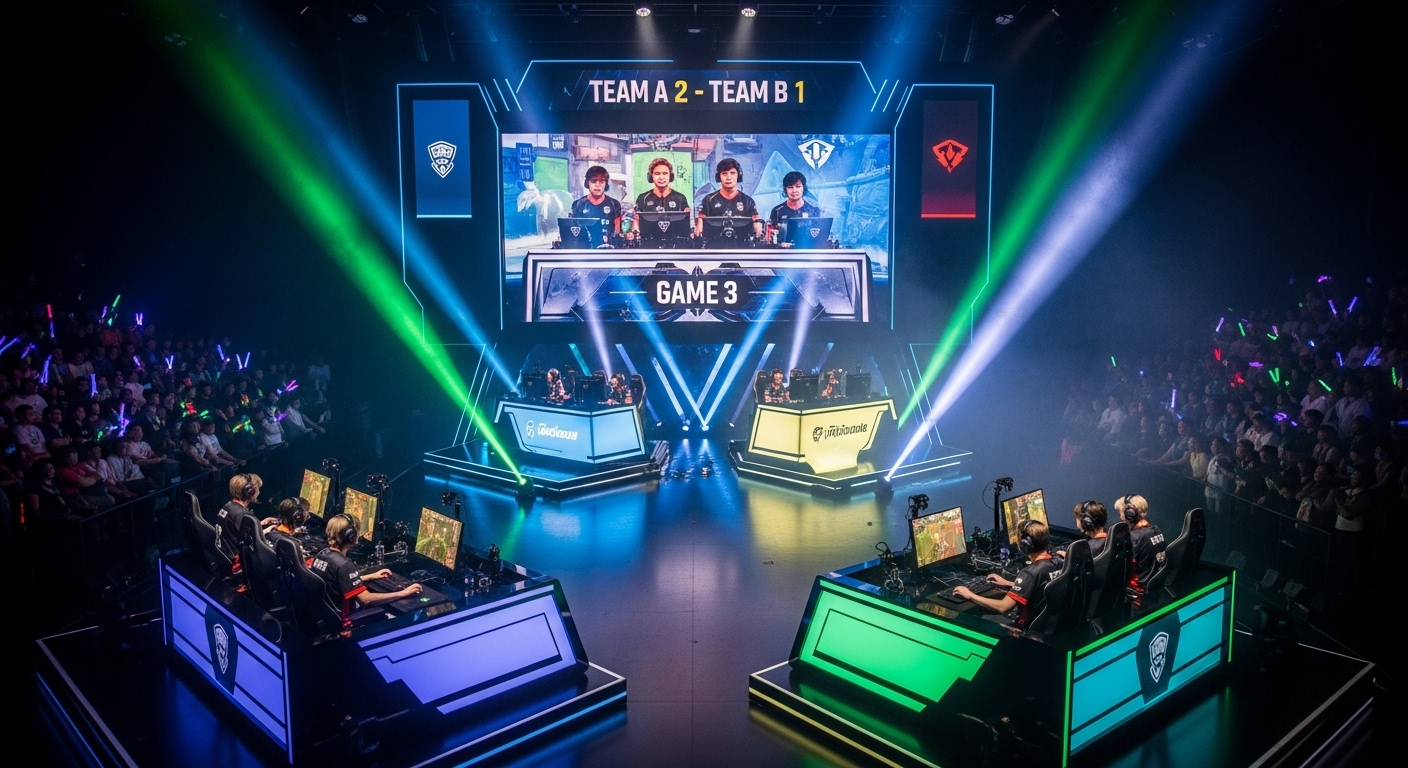
The global reach of esports is also evident in the massive tournaments held throughout the year. These events, ranging from regional competitions to global spectacles, draw in millions of viewers both online and in person. The League of Legends World Championship is one of the most-watched esports events annually, with viewership often rivaling that of traditional sports finals like the Super Bowl. For instance, in 2020, the League of Legends World Championship drew over 100 million viewers, a staggering figure that highlights the scale of esports’ global appeal.
Esports is also intertwined with technology. The rapid advancement of gaming hardware, such as high-performance PCs, consoles, and peripherals, has elevated the experience of both players and viewers. High-quality graphics, ultra-low latency, and 4K streaming have made competitive gaming more immersive than ever. Additionally, virtual reality (VR) and augmented reality (AR) are beginning to shape the future of esports, with games and tournaments exploring new ways to engage audiences.
The Cultural Impact of Esports
Esports has had a profound impact on global culture, particularly among younger generations. Gaming has evolved from a solitary hobby to a communal experience that brings people together across the world. Esports fans are passionate, loyal, and highly engaged with the content. Fans not only watch tournaments but also follow their favorite players, teams, and content creators, engaging with them on social media platforms like Twitter, Instagram, and Discord.
The rise of esports has also led to the development of gaming as a form of social interaction. Online multiplayer games allow players to form teams, make friends, and create shared experiences in ways that traditional sports or activities do not. This sense of community has been one of the driving forces behind the popularity of esports, as fans and players alike form lasting connections with people who share their interests.
Moreover, esports has become a legitimate career choice for many individuals. Professional players, coaches, analysts, and content creators can now make a living from their involvement in esports, thanks to sponsorship deals, prize money, and streaming revenue. This has led to the development of esports universities and scholarships, with some educational institutions offering specialized programs to help students develop the skills necessary to succeed in the industry.
Esports has also become a major force in promoting diversity and inclusion. Many competitive games feature gender-neutral elements, allowing players of all backgrounds and identities to compete on an equal playing field. Esports organizations have been at the forefront of creating inclusive environments, with initiatives to support women in gaming and combat toxicity in online communities.
The Future of Esports
As the esports industry continues to expand, the future looks incredibly promising. With advancements in technology, particularly in areas like virtual reality (VR), augmented reality (AR), and artificial intelligence (AI), esports may evolve in ways that are difficult to predict. The rise of new gaming platforms and the continued growth of online streaming will also open up new opportunities for both players and fans.
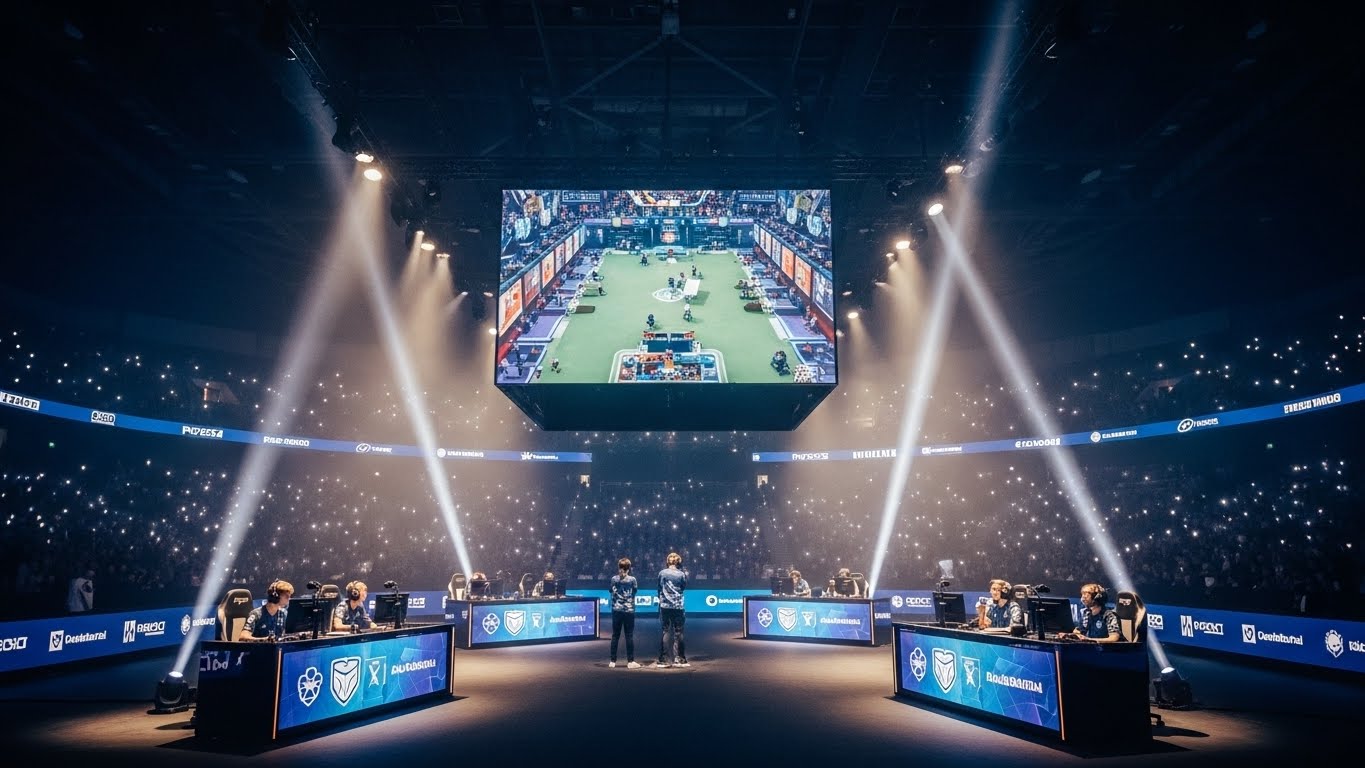
The potential for esports in traditional sports environments is also significant. The integration of esports into mainstream sports stadiums and arenas, as well as the development of esports-specific venues, signals a new era of hybrid events that blend the physical and digital realms. Additionally, as esports grows in popularity across regions like Asia, Europe, and North America, the international appeal of competitive gaming will only increase.
Esports will also likely continue its growth as a spectator sport. Just as fans tune into traditional sports for the excitement and drama of the competition, esports viewers are drawn to the high skill level and intense rivalries of their favorite teams and players. Live streaming platforms like Twitch and YouTube will remain central to the viewing experience, but it’s also possible that esports may make its way into traditional television networks and even receive coverage during major sporting events.
Conclusion
Esports has undoubtedly come a long way from its humble beginnings in the 1970s. What was once a small community of gamers has now transformed into a global industry that attracts millions of viewers, top-tier players, and major sponsors. As technology continues to evolve, and more people discover the thrill of competitive gaming, esports will likely continue to grow in ways that shape both the gaming and entertainment industries.
For those who are part of the esports community, the future is filled with boundless opportunities. Whether you’re a player, a fan, or someone looking to work in the industry, esports has become a vibrant and dynamic field that shows no signs of slowing down. The journey of esports from a niche hobby to a mainstream cultural force is a testament to the power of gaming and its potential to bring people together in ways that few other forms of entertainment can.