Beyond the Arena: How Esports Became a Global Cultural Force
Introduction
Esports has transformed from a niche pastime into one of the world’s fastest-growing entertainment industries. What once started as small gatherings of enthusiasts competing for bragging rights has evolved into packed stadium events, multimillion-dollar tournaments, and global audiences rivaling traditional sports. The rise of esports reflects the evolution of gaming culture, the advancement of technology, and the changing expectations of a new generation of sports fans. This blog explores how esports became a cultural powerhouse, why it matters, and what its future may hold.
The Origins of Competitive Gaming
The roots of esports stretch back further than many realize. In the early days of arcade machines, gamers gathered around cabinets to compete for high scores. Titles like Pac-Man, Donkey Kong, and Space Invaders sparked the earliest sparks of organized competition. College tournaments and small gaming expos in the late 20th century laid the groundwork for today’s professional format. Although these early competitions lacked modern production value, they fueled a growing belief that gaming could evolve into something greater.
As personal computers became more powerful and internet connectivity spread, competitive gaming jumped from local arcades into online arenas. Games like StarCraft, Counter-Strike, and Quake helped define the online competitive landscape. While modest, these early online tournaments established the structure of modern esports: organized teams, structured brackets, dedicated strategies, and global participation.
The Birth of the Modern Esports Era
The early 2000s marked the true emergence of competitive gaming on a global scale. Professional teams were formed, sponsorships began appearing, and leagues started gaining international attention. A key development was the rise of multiplayer online battle arena games and large-scale strategy titles that allowed intense strategic competition.
During this period, tournaments began offering real prize pools, drawing interest from players who wanted to treat gaming as a professional career. The success of these early events proved that esports was not just a hobby but a legitimate competitive discipline.
Streaming: The Game-Changer
While tournaments and competitive titles laid the foundation, streaming platforms propelled esports into global consciousness. Streaming allowed fans to engage directly with players, follow tournaments live, and understand the personalities behind their favorite teams. Unlike traditional sports broadcasters, streaming platforms made esports accessible to anyone with an internet connection.
This accessibility democratized the industry. Fans no longer had to travel to events—they could watch from home, interact with streamers, learn game mechanics, and even practice their own skills by observing professionals. Streaming did not just broadcast esports; it built communities around them.
The Rise of Professional Teams and Leagues
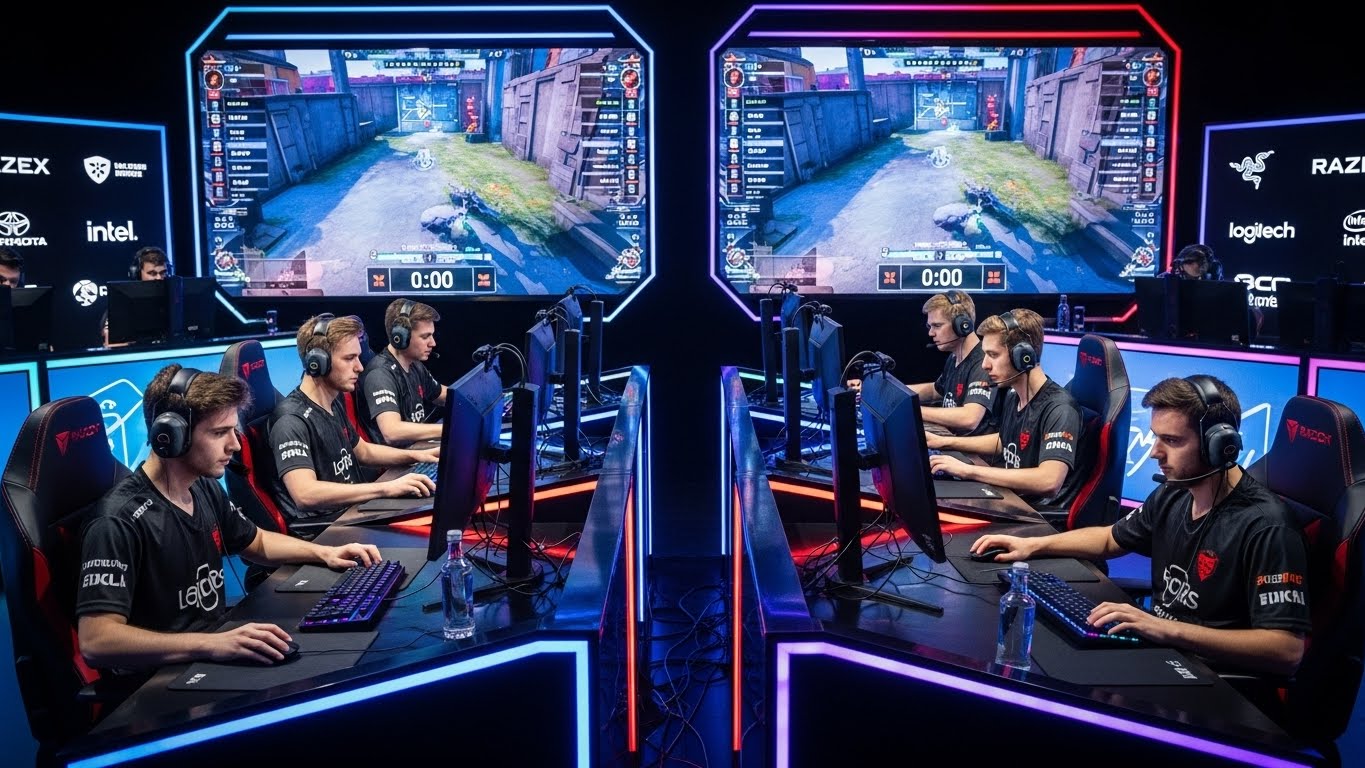
As visibility increased, professional organizations began forming more structured and sustainable systems for players. Teams operated with coaches, analysts, managers, and training facilities. This level of professionalism mirrored traditional sports and brought credibility to the industry.
Large leagues adopted long-season formats, branded merchandise, and consistent schedules. The franchise model used by some leagues attracted significant investment from entertainment companies, celebrities, and even traditional sports franchises. This infusion of investment accelerated the industry’s growth, allowing larger venues, higher production value, and improved support systems for players.
The Cultural Impact of Esports
Esports has had a profound effect on modern culture. It has reshaped how young audiences consume entertainment, participate in communities, and follow their favorite players.
One of the most notable shifts is the redefinition of what it means to be an athlete. While esports athletes may not rely on physical strength, they demonstrate extreme mental endurance, quick reflexes, and intense strategic thinking. The dedication required mirrors that of traditional athletes, challenging outdated stereotypes about gamers.
Esports has also influenced fashion, music, and media. Collaborations with clothing brands, the rise of gaming-inspired music, and appearances of esports stars in mainstream media have blurred the line between gaming and pop culture. The digital nature of esports aligns perfectly with a generation raised on social media and online entertainment.
Technology’s Role in Esports Expansion
The growth of esports is deeply intertwined with technological progress. High-speed internet, powerful gaming hardware, and sophisticated game engines have made competitive gaming smoother and more engaging. Spectator modes designed directly into games allow viewers to switch camera angles, view replays, and analyze plays in real time.
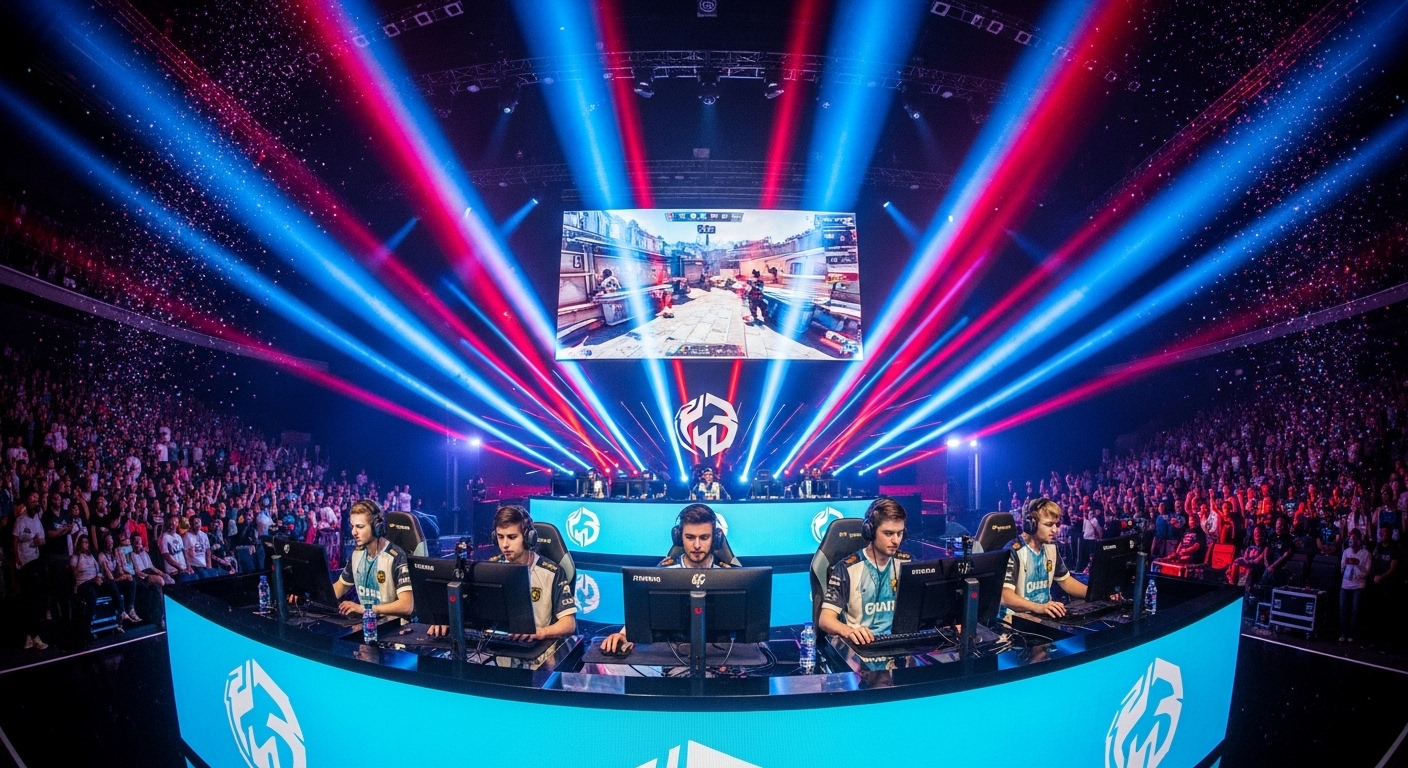
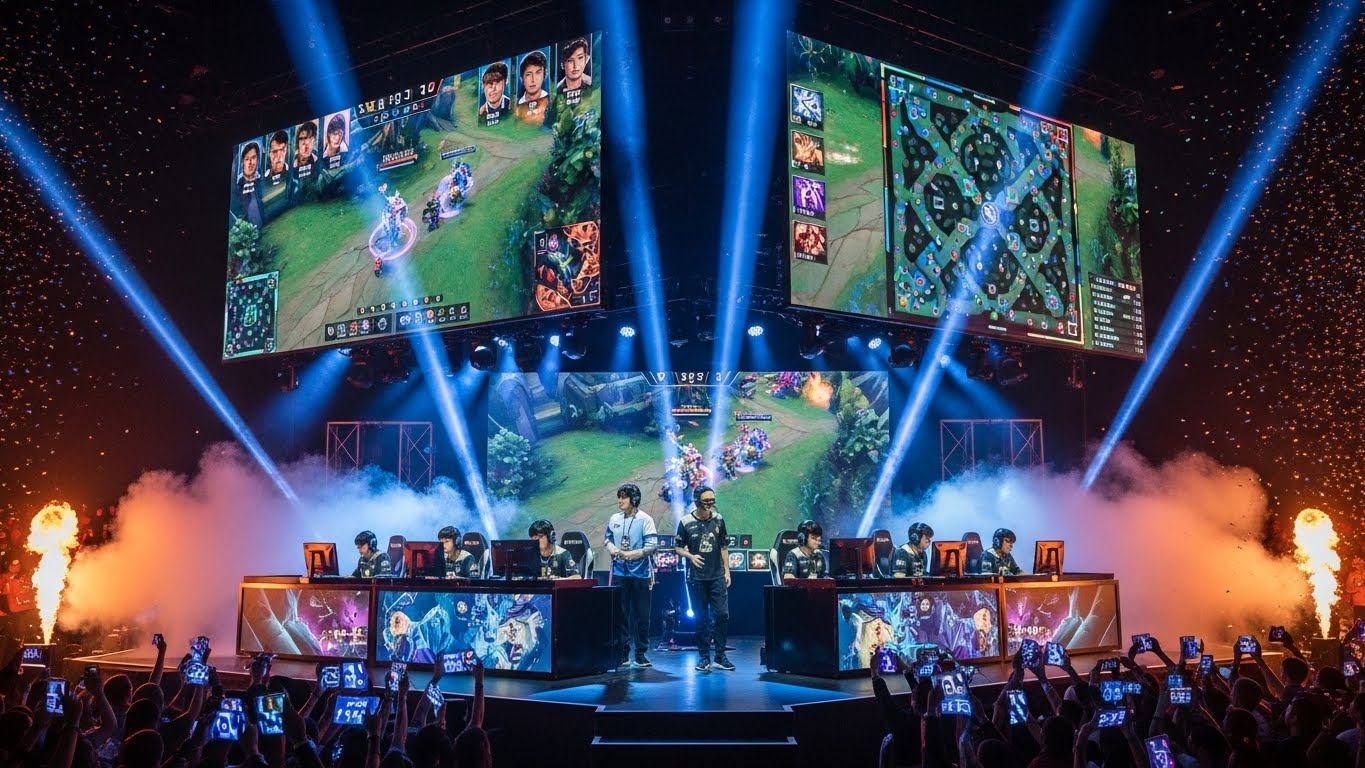
Advances in virtual production, augmented reality, and broadcast technology have transformed esports tournaments into visually stunning events. These improvements help esports captivate global audiences and maintain excitement in a highly competitive entertainment landscape.
The Economics of Esports
The economic footprint of esports has expanded dramatically. Revenue flows from sponsorships, advertising, merchandise, ticket sales, media rights, and in-game purchases. Professional players can earn substantial incomes through tournament winnings, team salaries, and personal branding.
Brands see esports as a gateway to a young, tech-savvy audience. As a result, non-gaming companies have become major sponsors. Energy drink brands, technology companies, car manufacturers, and financial services all invest heavily in esports marketing. This diversity of sponsorship helps sustain teams and allows tournaments to grow even larger.
Colleges and universities have also recognized the economic potential of esports. Many institutions now offer scholarships for esports athletes and create dedicated esports facilities, positioning competitive gaming alongside other collegiate sports.
Esports as a Career Path
One of the most transformative aspects of esports is the variety of career opportunities it creates. Beyond the professional players who compete on stage, the ecosystem relies on commentators, analysts, coaches, event organizers, content creators, designers, and community managers.
The rise of esports academies, training programs, and educational initiatives has made the industry more accessible. Young gamers who dream of going pro now have clearer paths, structured development environments, and a better understanding of what it takes to succeed.
Challenges Facing the Industry
Despite its massive growth, esports still faces challenges. Player burnout is a significant concern, as the intense training schedules and constant competition can take a toll on mental health. Establishing standardized player welfare systems is crucial for long-term sustainability.
Another challenge is maintaining competitive integrity. Cheating, match-fixing, and security risks pose threats to the credibility of the industry. Strong regulations, fair oversight, and robust anti-cheat technologies are essential to protect the integrity of the sport.
Additionally, while the global audience is enormous, monetizing that audience consistently remains a challenge. Finding ways to create sustainable income for teams, players, and tournament organizers is a focus for the industry moving forward.
Esports and Education
Educational institutions increasingly see the value of esports in developing teamwork, leadership, communication, and problem-solving skills. Esports clubs and academic programs encourage students to engage in structured competition and learn about digital media, game design, broadcasting, and marketing.
Some schools even incorporate esports into STEM programs, using gaming as a bridge to teach coding, physics, and digital literacy. This educational integration helps reshape the perception of gaming as a productive, skill-building activity rather than a simple pastime.
The Global Reach of Esports
Esports is one of the few entertainment industries that transcends geographic boundaries. Global tournaments feature players from different countries competing at the highest level. Fans connect across cultures through shared love for specific games and teams.
Certain regions have emerged as esports powerhouses, developing massive fan bases and nurturing top players. The global nature of esports expands its appeal, making it a truly international phenomenon.
The Future of Esports
Looking ahead, the esports industry is poised for even greater evolution. New technologies such as virtual reality competitions, advanced analytics, and immersive fan experiences may change how games are played and watched. Esports could become even more integrated with mainstream sports, potentially leading to joint events or crossover competitions.
Mobile esports is also emerging as a powerful force, making competitive gaming more accessible worldwide. As devices become more powerful, mobile competitions may reach audiences that traditional esports has not yet tapped.
Youth participation will continue to fuel growth. As more children grow up with gaming as a central part of their lives, the future fan base for esports expands naturally.
Conclusion
Esports is no longer an underground movement or a passing trend. It is a dynamic, evolving ecosystem that blends technology, competition, entertainment, and community. Its rise reflects broader cultural shifts toward digital interaction and global connectivity.
What began as a simple form of entertainment has grown into a cultural and economic powerhouse. Esports connects people across borders, creates new career opportunities, inspires creativity, and continues to reshape modern entertainment. As the industry evolves, its influence will only grow stronger. The arena may be digital, but the passion of its community is as real as any traditional sport—and it is this passion that will carry esports forward into an even brighter future.