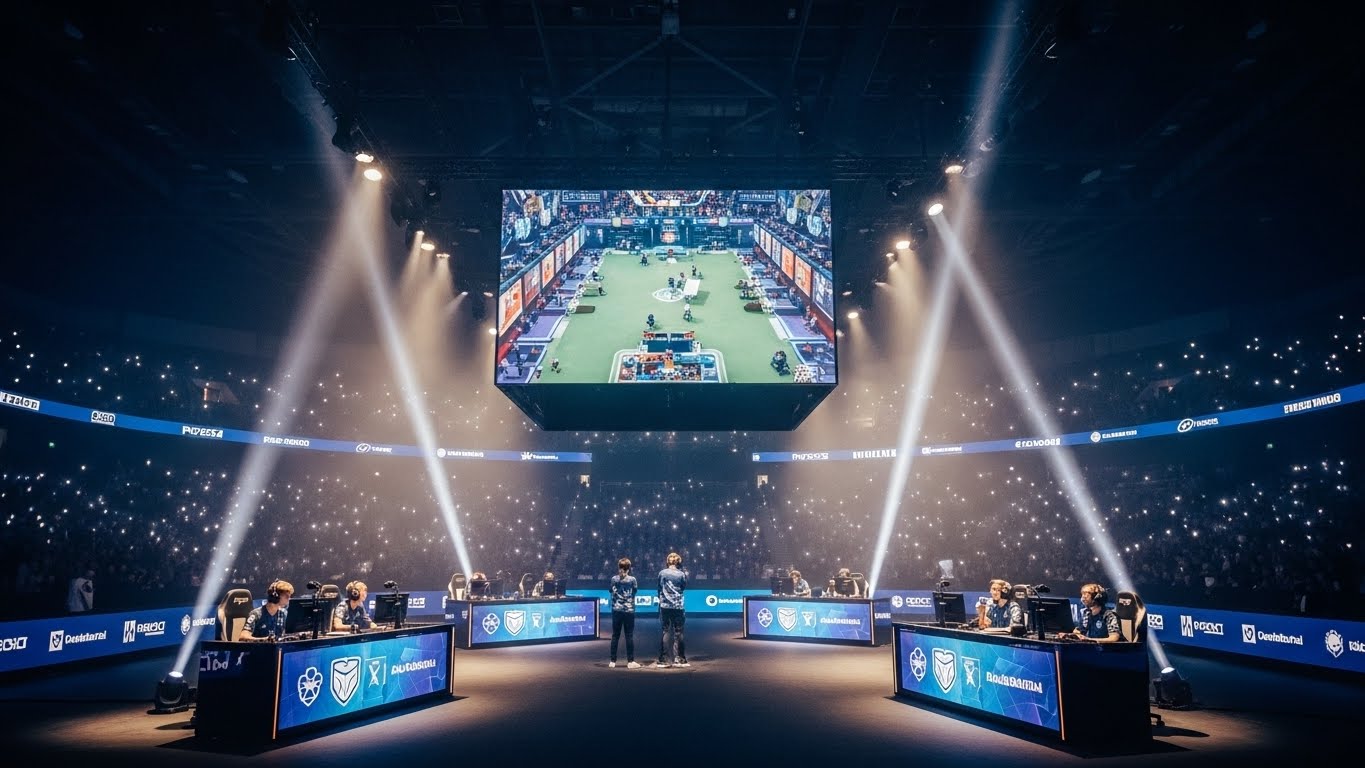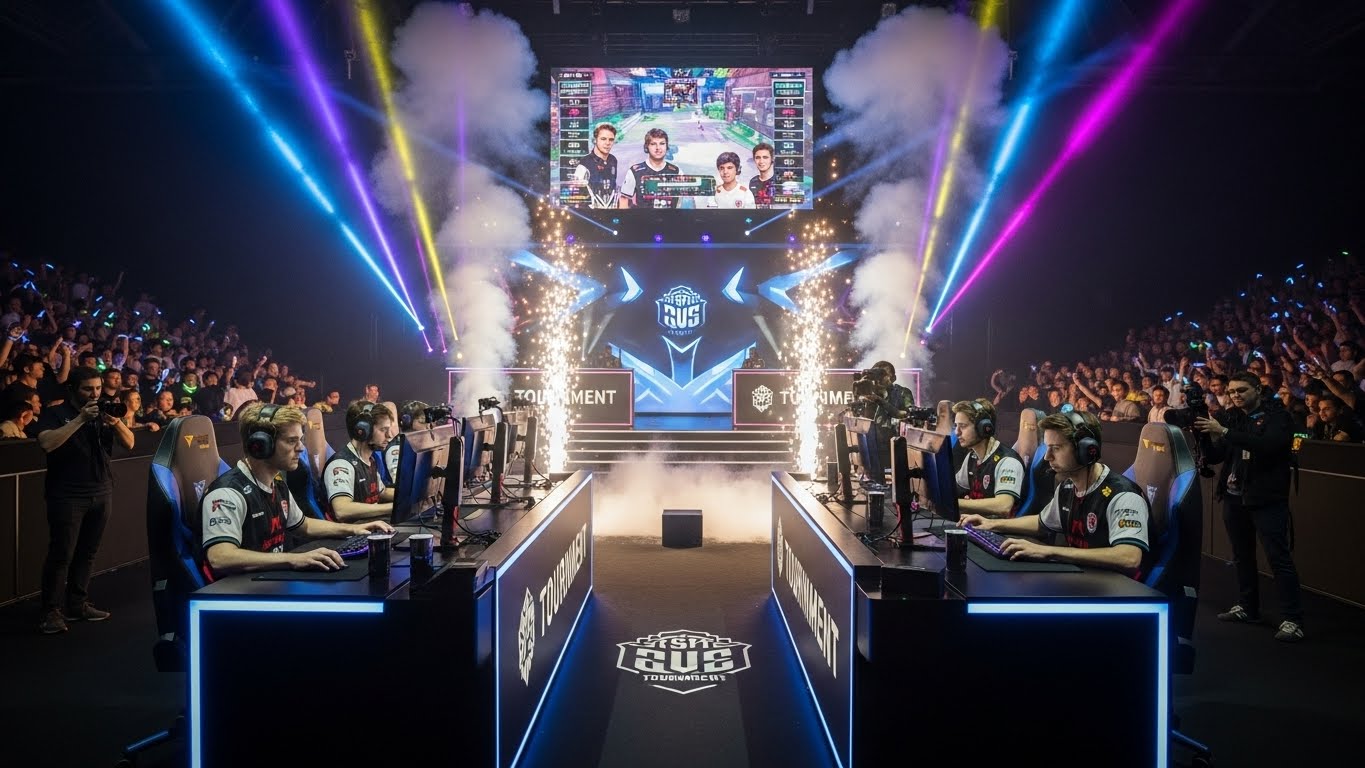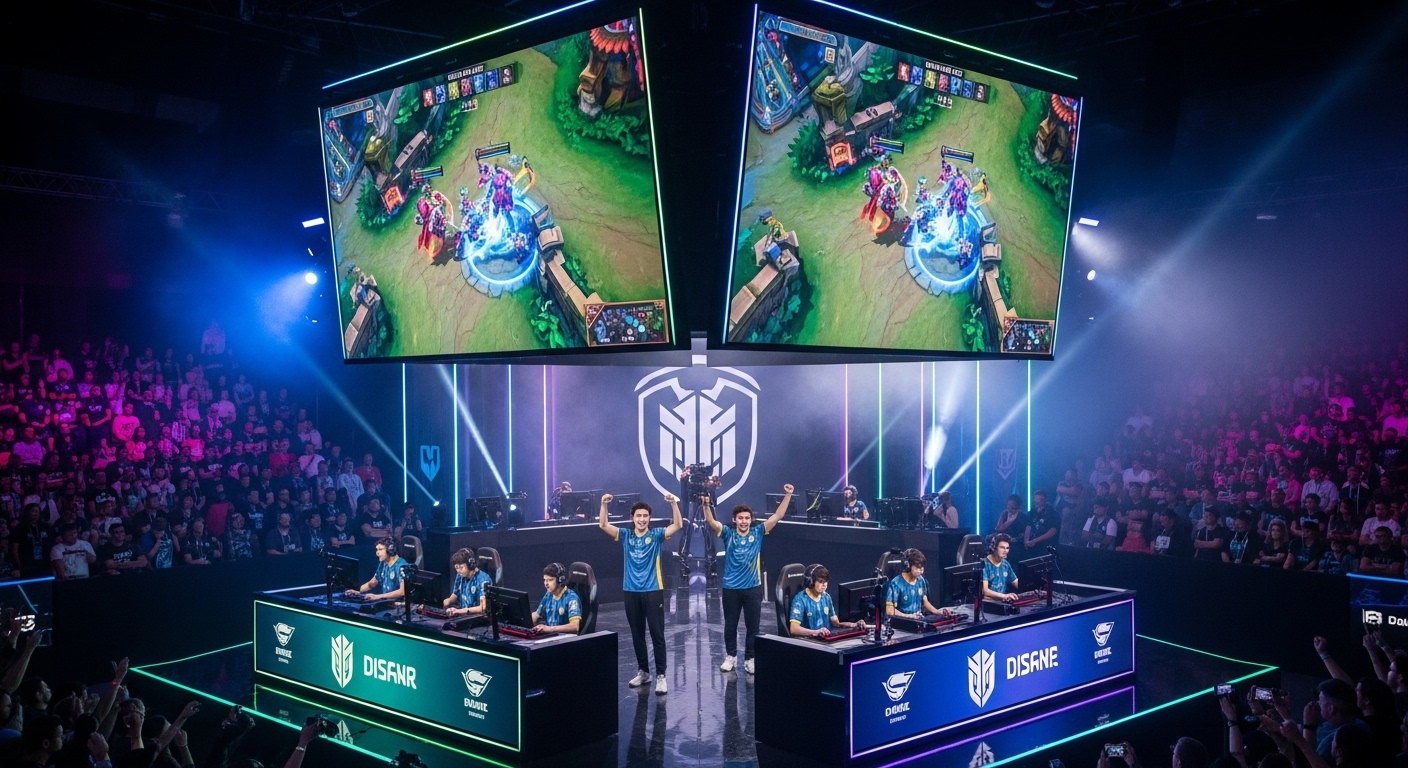
Esports, short for electronic sports, has transformed the world of competitive gaming into a massive, global industry. Once considered a niche hobby, esports has evolved into a highly lucrative and culturally significant phenomenon. Today, millions of players, fans, and investors engage with esports on a daily basis. With live tournaments drawing massive crowds and global media attention, esports has reached a level of prominence once reserved for traditional sports. But what factors have contributed to this rapid rise? This post explores the history, growth, and impact of esports, and why it continues to shape the future of both gaming and entertainment.
The Humble Beginnings of Esports
Esports did not appear overnight. In fact, its origins trace back to the early 1970s and 1980s when video games were still in their infancy. The first major tournament that could be considered a precursor to modern esports took place in 1972, when Stanford University hosted a competition for the game Spacewar. Though this was a relatively small event, it demonstrated the potential for video games to bring players together in a competitive setting.
Throughout the 1980s and 1990s, competitive gaming began to gain traction in arcades and at LAN (Local Area Network) parties. The rise of games like Doom and Quake opened new doors for multiplayer competitions. These early events, while still small, began to attract passionate communities. Quake in particular played a significant role in the development of modern esports, as its fast-paced action and online multiplayer modes created a platform for competitive play.
By the late 1990s and early 2000s, the expansion of broadband internet made online multiplayer gaming more accessible, and games like StarCraft and Warcraft became popular in competitive circles. These games laid the groundwork for what would become one of the biggest entertainment industries in the world.
The Golden Age of Esports: Rise of Professional Leagues
As technology improved and internet speeds increased, the world of competitive gaming began to formalize. Professional esports leagues began to emerge, and game developers recognized the value of supporting competitive gaming ecosystems. This period marked the true “golden age” of esports, as top-tier players, coaches, and sponsors entered the fray.
One of the most pivotal games in this phase was StarCraft: Brood War, which became a cultural phenomenon, particularly in South Korea. By the early 2000s, StarCraft tournaments were being broadcast on television, and the game’s professional scene reached an unparalleled level of popularity. South Korea’s professional gaming leagues, such as the Proleague, became the blueprint for the development of esports leagues worldwide.
During this period, game developers also began to embrace the competitive scene, designing games with a focus on esports. League of Legends, released in 2009 by Riot Games, became one of the most successful esports titles of all time. Its free-to-play model, coupled with regular updates and a strong competitive structure, allowed the game to thrive in the esports ecosystem.
The launch of streaming platforms like Twitch in 2011 further accelerated the growth of esports. For the first time, fans could watch live gameplay from anywhere in the world, and this dramatically expanded the reach of competitive gaming. The accessibility of esports content allowed fans to engage with their favorite players and teams, creating a sense of community around the events.
The Business of Esports: Sponsorships and Streaming
With the rise of esports, the financial potential of the industry became evident. Sponsorships from major brands, particularly those in the technology, energy drink, and gaming hardware sectors, began to pour into the esports world. Companies like Intel, Coca-Cola, and Red Bull sponsored high-profile tournaments, allowing organizations to grow their operations and increase prize pool sizes.
The esports ecosystem began to resemble that of traditional sports, with organizations signing players to contracts, hiring coaches and analysts, and attracting investors. The growth of the professional esports scene gave birth to major teams and organizations such as Team Liquid, Cloud9, and Fnatic, each representing the pinnacle of competitive gaming.
Streaming platforms such as Twitch and YouTube Gaming also played an essential role in the financial success of esports. These platforms not only allowed players to broadcast their gameplay but also introduced new revenue streams such as subscriptions, donations, and ad revenue. Esports tournaments, previously broadcast on television in select regions, could now reach global audiences, further monetizing the industry.
Tournaments like The International for Dota 2 and the League of Legends World Championship attracted millions of viewers and offered prize pools worth tens of millions of dollars. The rise of these tournaments highlighted the profitability of esports, proving that the industry was a serious contender in the global entertainment landscape.
The Social and Cultural Impact of Esports
Esports has had a significant impact on popular culture, particularly among younger generations. It has transformed how people perceive video games, moving away from the stereotype of gaming as a solitary, hobbyist activity. Esports has created an inclusive space for people to connect over shared interests, whether they’re competing in a tournament, watching a live stream, or discussing strategies online.
One of the defining aspects of esports is the sense of community it fosters. Fans from all over the world connect through online platforms such as Discord, Reddit, and Twitter, engaging in discussions about games, players, and teams. The interactive nature of these communities allows fans to feel involved in the action, even if they are not participating directly in the games themselves.
Esports has also bridged the gap between traditional sports and digital entertainment. As a result, many professional athletes, including those from major sports like basketball and football, have started investing in esports teams and sponsoring events. This crossover between traditional sports and esports has legitimized the competitive gaming scene and helped esports gain acceptance as a mainstream entertainment medium.
Moreover, the global nature of esports has helped create a truly international community. Tournaments are streamed worldwide, and players from different countries face off against one another in a display of skill and strategy. This international focus has not only expanded esports’ reach but also reinforced the idea that gaming is a universal language that can bring people together.
Career Opportunities in Esports
As esports has grown, so too have the career opportunities within the industry. Professional players are the most visible members of the esports ecosystem, but they are not the only individuals benefiting from the rise of competitive gaming. The esports industry has created a wide range of jobs in areas such as event management, broadcasting, marketing, and content creation.
Esports teams often employ a variety of roles beyond players, including coaches, analysts, team managers, social media specialists, and graphic designers. These professionals work behind the scenes to ensure the smooth operation of events, manage team logistics, and engage with fans online.
In addition, streaming and content creation have become major career paths for those interested in esports. Platforms like Twitch and YouTube have allowed content creators to build substantial followings by streaming their gameplay, commentating on tournaments, or creating informative videos for aspiring players. Some streamers, such as Ninja and Shroud, have even parlayed their online success into mainstream media opportunities, including television appearances and brand partnerships.
Esports has also led to the development of academic programs focused on competitive gaming, esports management, and game development. Universities and colleges are now offering scholarships and degrees specifically for students interested in pursuing a career in the esports industry, further legitimizing esports as a viable professional path.
The Future of Esports: New Technologies and Global Expansion
The future of esports looks incredibly bright, with technology continuing to drive innovation in the field. Virtual reality (VR) and augmented reality (AR) are already beginning to make an impact in gaming, and esports could soon see a wave of VR tournaments and AR-enhanced experiences. As these technologies become more refined, they could introduce entirely new dimensions to competitive gaming, allowing for more immersive and interactive experiences for both players and spectators.
In addition, esports is expanding rapidly into new regions of the world. While the United States, South Korea, and Europe remain the primary hubs of esports activity, countries in Southeast Asia, South America, and the Middle East are quickly embracing esports, hosting their own tournaments and creating local professional leagues. As internet infrastructure improves globally, esports will continue to grow in popularity and accessibility.
Esports is also expected to become even more integrated into traditional sports. As more major sporting leagues embrace esports, we could see collaborations between the two industries, such as the formation of hybrid events that combine physical sports with digital competition.
Conclusion: Esports as a Global Entertainment Force
Esports has come a long way from its early days in arcades and LAN parties. Today, it is a multi-billion-dollar industry, attracting millions of viewers, players, and sponsors. The rise of esports is a testament to the power of competitive gaming and its ability to unite people from across the globe.
Esports has forever changed the way we view gaming, offering career opportunities, fostering international communities, and creating new forms of entertainment. With advancements in technology, the global expansion of competitive leagues, and an ever-growing fanbase, esports will continue to redefine the landscape of gaming and entertainment for years to come.