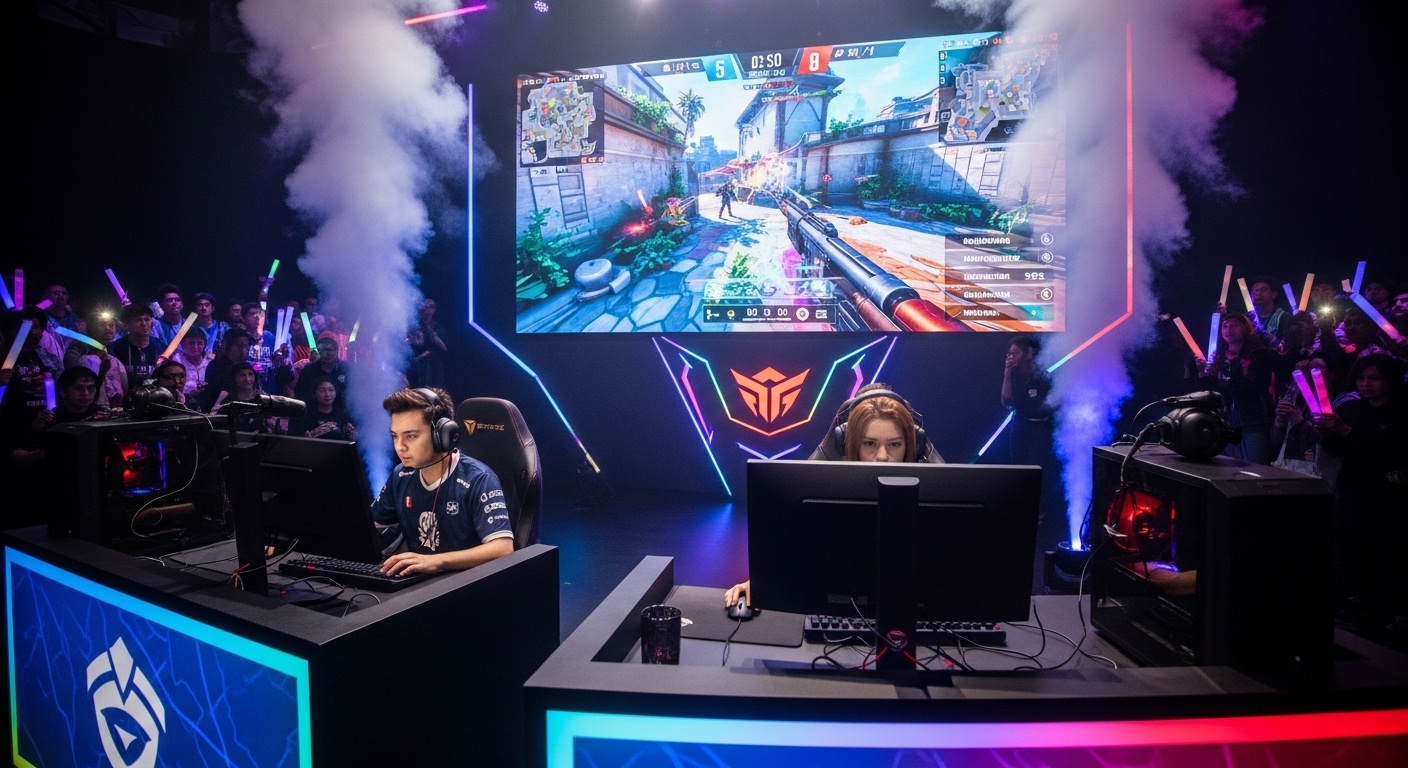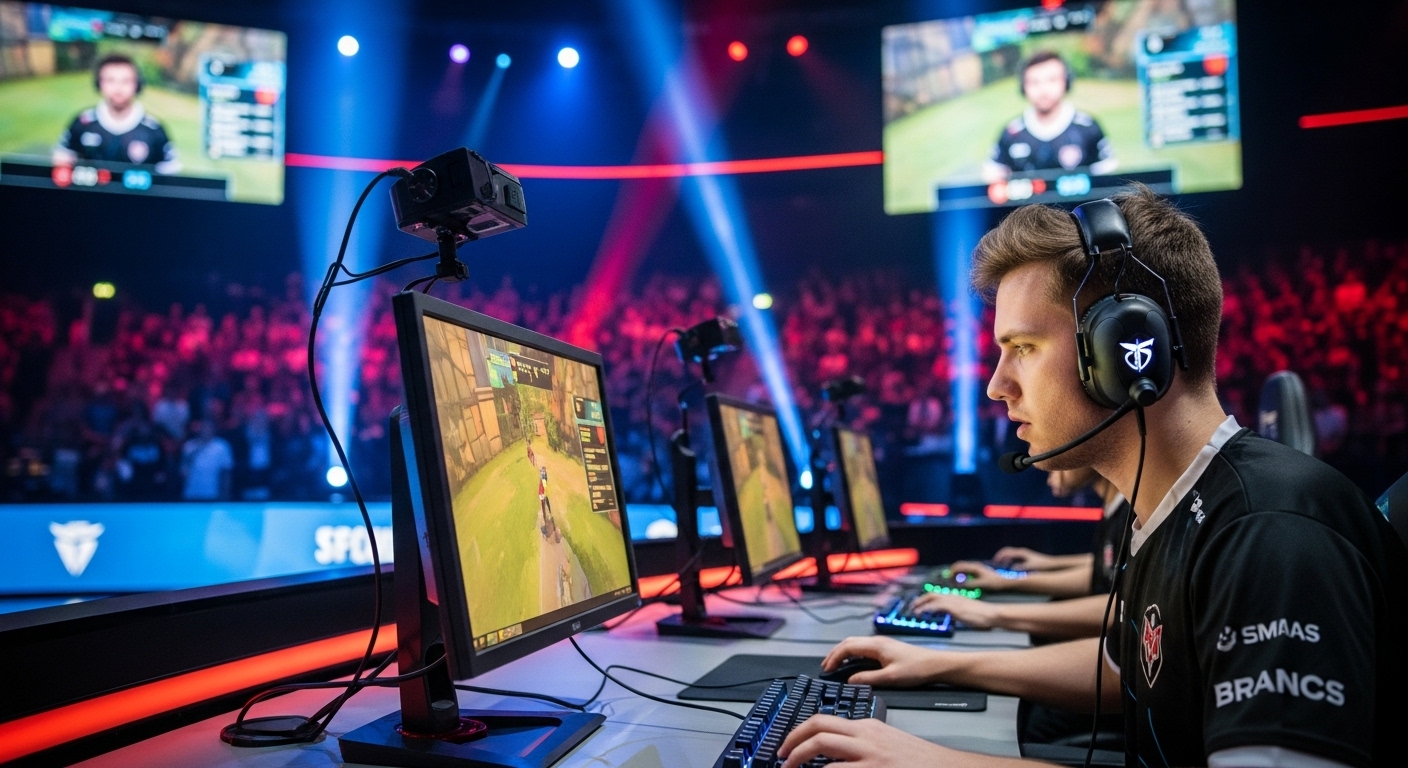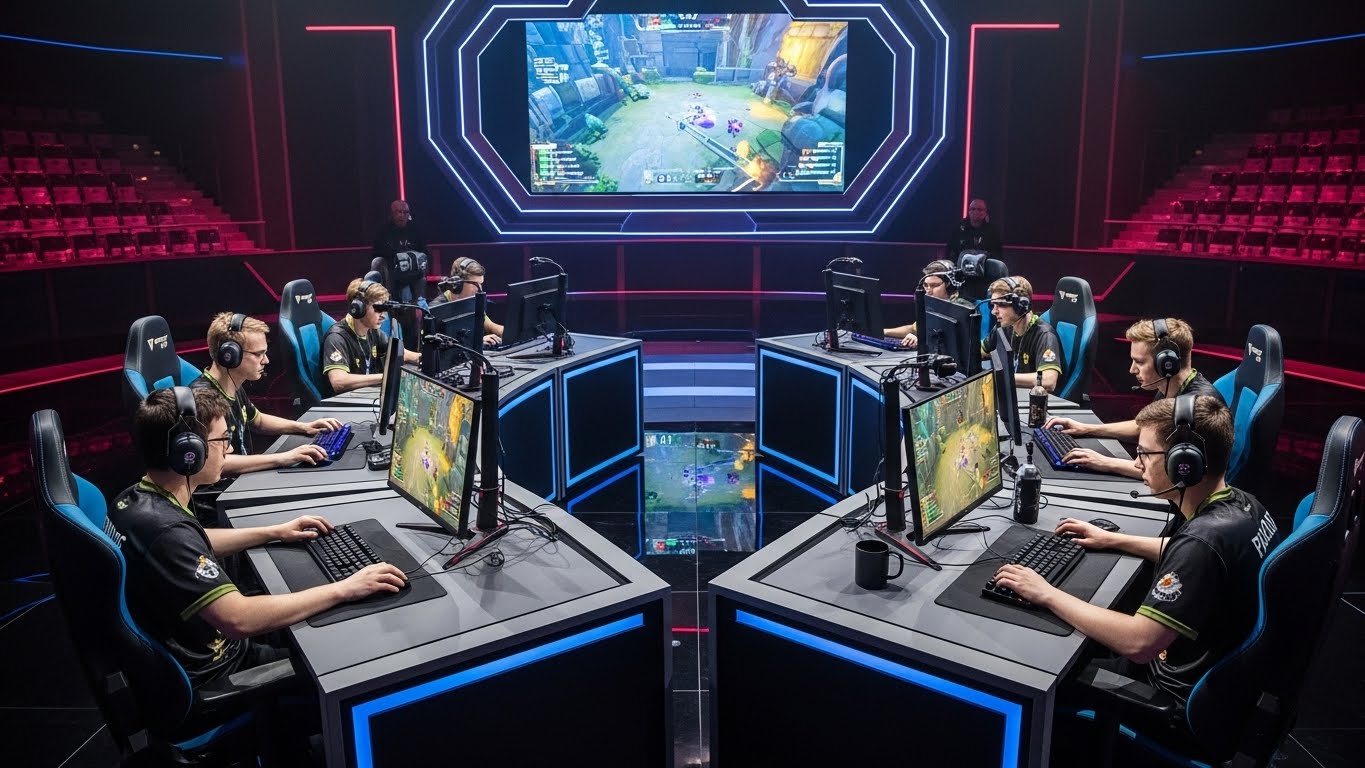
Esports has transformed the landscape of modern entertainment and competition, evolving from casual gaming sessions into a multi-billion-dollar global industry. What started as informal competitions among friends has developed into highly organized tournaments, professional teams, and a worldwide fan base. Today, esports rivals traditional sports in both viewership and cultural influence, creating new opportunities for players, organizations, and fans alike.
This blog explores the rise of esports, the structure of competitive gaming, its cultural and economic impact, the skills required for success, and the challenges and opportunities that define its future.
Understanding Esports
Esports, or electronic sports, refers to organized competitive video gaming played at professional, semi-professional, and amateur levels. Unlike casual gaming, esports follows structured rules and competitive formats, often with official tournaments, leagues, and rankings. Popular genres include multiplayer online battle arenas, first-person shooters, real-time strategy games, and sports simulations.
Esports requires a combination of precision, strategy, and teamwork. Professional players train extensively to master game mechanics, develop strategies, and refine communication skills. Matches are not only skill-based but also spectator-friendly, making esports a legitimate form of competition that blends entertainment, strategy, and athleticism.
The Origins of Competitive Gaming
The roots of esports can be traced back to arcade tournaments and early computer competitions in the late 20th century. These early events were primarily local and informal but laid the foundation for organized gaming culture. High-score contests for games like Pac-Man and Space Invaders were the first taste of competitive gaming.
With the rise of home consoles and personal computers, competitive gaming expanded beyond local venues. Online multiplayer platforms in the late 1990s allowed players to compete globally, fostering communities centered around skill and rivalry. This period marked the beginning of esports as a structured and professional pursuit.
Global Expansion of Esports
Esports has experienced rapid global growth in the past two decades. High-speed internet, streaming platforms, and advanced hardware have allowed tournaments to reach international audiences. Major events now attract millions of viewers, both online and in live venues, creating a global spectator sport.
The industry’s expansion has led to professional leagues, sponsorship deals, and team organizations. Esports is increasingly recognized alongside traditional sports, with some tournaments offering prize pools comparable to major athletic events. International competition fosters diverse fan bases, promoting inclusion and global connectivity.
Skills Required in Esports
Success in esports demands a unique combination of cognitive, technical, and social skills. Players must have quick reflexes, hand-eye coordination, and precise control to excel in fast-paced games. Strategic thinking, pattern recognition, and adaptability are essential, as gameplay scenarios change rapidly and require immediate decision-making.
Team-based esports also require communication, collaboration, and leadership. Players must execute complex strategies while maintaining composure under pressure. Emotional resilience is critical, as the competitive environment often involves long hours, high stakes, and public scrutiny.
Training and Lifestyle of Professional Players
Esports athletes follow rigorous training routines similar to those of traditional athletes. Daily schedules often include individual practice, team scrimmages, strategy analysis, and performance review. Coaches and analysts work closely with players to refine techniques, identify weaknesses, and prepare for opponents.
Physical health is increasingly emphasized, with exercise, nutrition, and proper sleep considered crucial for sustained performance. Mental well-being is also a priority, as players face intense pressure and the risk of burnout. Many professional organizations provide psychological support to help athletes maintain focus and resilience.
Esports as a Cultural Phenomenon
Esports has become a significant cultural force, influencing entertainment, fashion, and digital media. Online communities allow fans to connect globally, discuss strategies, and support their favorite teams. Popular players often achieve celebrity status, shaping trends and inspiring audiences worldwide.
Live tournaments combine competition with entertainment, featuring commentary, fan interaction, and immersive production values. Esports has established its own culture, complete with rituals, memes, and shared experiences that unite communities across borders.
Career Opportunities in Esports
Beyond playing professionally, esports offers a wide range of career paths. Coaches, analysts, team managers, broadcasters, content creators, and event organizers all contribute to the industry. Game developers, marketers, and media professionals also play critical roles in supporting and expanding esports ecosystems.
Educational programs are beginning to recognize esports as a legitimate career pathway. Universities and schools are offering scholarships and courses focused on esports management, marketing, and performance, providing structured opportunities for students to pursue careers in this growing field.
Educational Benefits of Esports
Esports can serve as a valuable educational tool. Participation teaches strategic thinking, teamwork, time management, and leadership skills. Students learn how to analyze complex scenarios, make decisions under pressure, and collaborate effectively in team settings.
School and university esports programs emphasize balance, encouraging participants to excel academically while competing in tournaments. These initiatives demonstrate that gaming can be both a constructive activity and a platform for skill development.
Economic Impact of Esports
The esports industry generates significant economic value globally. Revenue streams include sponsorships, media rights, ticket sales, merchandise, and advertising. Major tournaments create economic activity through event staffing, tourism, and infrastructure investment.
Esports organizations invest in training facilities, technology, and professional development, creating jobs and stimulating innovation. The economic impact extends beyond players and teams, influencing technology, media, and entertainment industries worldwide.
Challenges Facing Esports
Despite its rapid growth, esports faces several challenges. Player burnout is common due to intense training and competitive schedules. Mental health, stress, and long hours require careful management to sustain careers.
Ethical issues, including cheating, harassment, and exploitation, pose threats to competitive integrity. Accessibility and diversity also remain concerns, as not all players have equal access to resources, infrastructure, and mentorship. The industry must address these challenges to ensure sustainable growth.
The Role of Technology in Esports
Technology is the backbone of esports. Advanced hardware, high-speed internet, and sophisticated software ensure competitive integrity and immersive experiences. Data analytics and artificial intelligence assist in strategy development, performance evaluation, and audience engagement.
Emerging technologies such as virtual reality, cloud gaming, and AI-driven tools are poised to redefine how players compete and how audiences experience esports. Technological innovation continues to drive the industry forward, expanding its reach and potential.
The Future of Esports
The future of esports is dynamic and promising. Continued institutional recognition, increased investment, and educational initiatives will strengthen the industry. Inclusivity, sustainability, and ethical governance are expected to play pivotal roles in its long-term success.
Esports is likely to become more integrated with traditional sports and entertainment sectors, creating hybrid experiences that appeal to broader audiences. Technological advancements will further enhance immersion, accessibility, and interactivity, solidifying esports as a dominant form of modern competition.
Conclusion: Esports as a Defining Force in Digital Competition
Esports represents a new era of competition where strategy, skill, and technology converge. It challenges traditional notions of athleticism and entertainment, offering opportunities for players, audiences, and industries worldwide. From grassroots communities to international tournaments, esports demonstrates its ability to inspire, unite, and innovate.
As digital landscapes continue to expand, esports stands at the forefront of competitive and cultural evolution. It is not merely a trend but a lasting movement that defines the future of entertainment, sport, and human creativity in the digital age.