Esports Unleashed: The Digital Revolution of Competitive Gaming
Introduction
In the past decade, esports has transformed from a niche hobby into a global phenomenon. What once was a pastime of casual gamers has now evolved into a professional arena with millions of dedicated players, fans, and investors. Esports, short for electronic sports, is competitive gaming where individuals or teams compete in video games at a professional level. Its rise has reshaped entertainment, culture, and even sports industries, merging technology and skill in unprecedented ways. The digital revolution of esports demonstrates that competition is no longer limited to physical fields or courts—it thrives online, connecting millions worldwide.
The Evolution of Esports
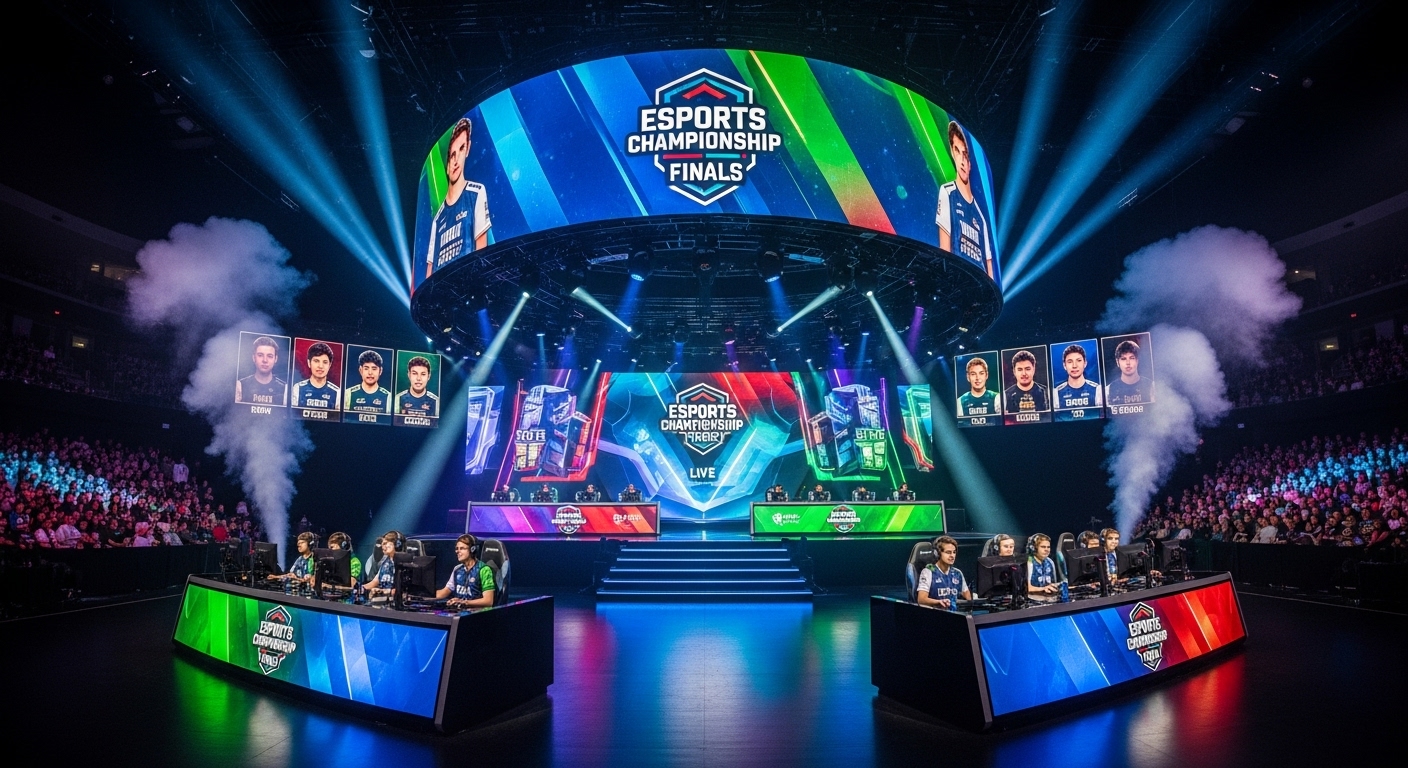
Esports’ roots can be traced back to the 1970s and 1980s when video games became more accessible and competitive gaming emerged in small arcades and computer labs. Early competitions like Space Invaders tournaments drew enthusiastic players, but the scale was modest. The real breakthrough came with the proliferation of the internet in the late 1990s and early 2000s, allowing players to connect globally. Games like StarCraft and Counter-Strike paved the way for professional leagues, while streaming platforms amplified the reach of tournaments. Today, esports tournaments fill stadiums, attract global viewership, and generate revenue rivaling traditional sports, marking its journey from hobby to mainstream spectacle.
The Esports Ecosystem
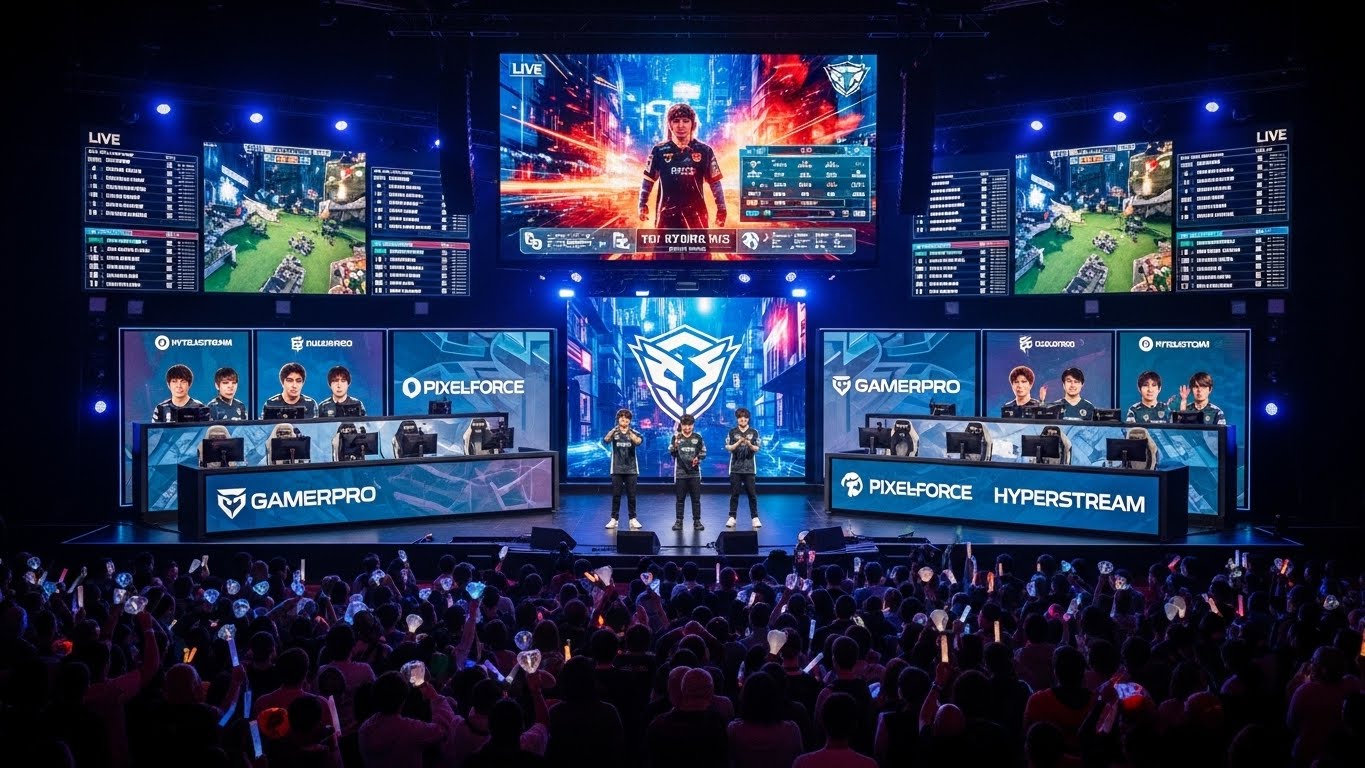
The esports ecosystem is intricate and multifaceted. At its core are the professional players, who dedicate extensive hours to training, strategy development, and teamwork. Teams organize themselves much like traditional sports clubs, with managers, coaches, analysts, and support staff. Tournament organizers provide structured competition, ranging from regional leagues to international championships, often offering substantial prize pools. Sponsors and brands fuel the industry by providing financial backing, merchandise, and media coverage. Finally, the fans form an integral part of the ecosystem, supporting players, engaging on social platforms, and attending events. This interconnected network has made esports a professional, organized, and globally recognized industry.
Skills Required in Esports
Success in esports demands a unique combination of cognitive, physical, and social skills. Reflexes, hand-eye coordination, and precise control are fundamental, but strategy and analytical thinking often determine victory. Players must adapt to rapidly changing scenarios, anticipate opponents’ moves, and make split-second decisions under pressure. Team-based games emphasize communication, collaboration, and trust, highlighting the importance of synergy between players. Mental resilience is equally crucial, as professional gaming often involves rigorous schedules, high stakes, and constant public scrutiny. Esports demonstrates that competitive gaming requires as much dedication, discipline, and intellect as traditional sports.
The Influence of Esports on Youth
Esports has a profound impact on younger generations. For many youths, competitive gaming offers a pathway for skill development, social interaction, and potential careers. Schools and universities have increasingly embraced esports programs, offering scholarships and organized leagues that nurture talent while encouraging educational success. Participation in esports cultivates essential life skills such as time management, critical thinking, and teamwork. Moreover, exposure to technology-driven environments encourages interest in fields like game design, software development, broadcasting, and digital marketing. Esports is not only entertainment; it is an avenue for personal growth and professional opportunities.
Esports as a Spectator Experience
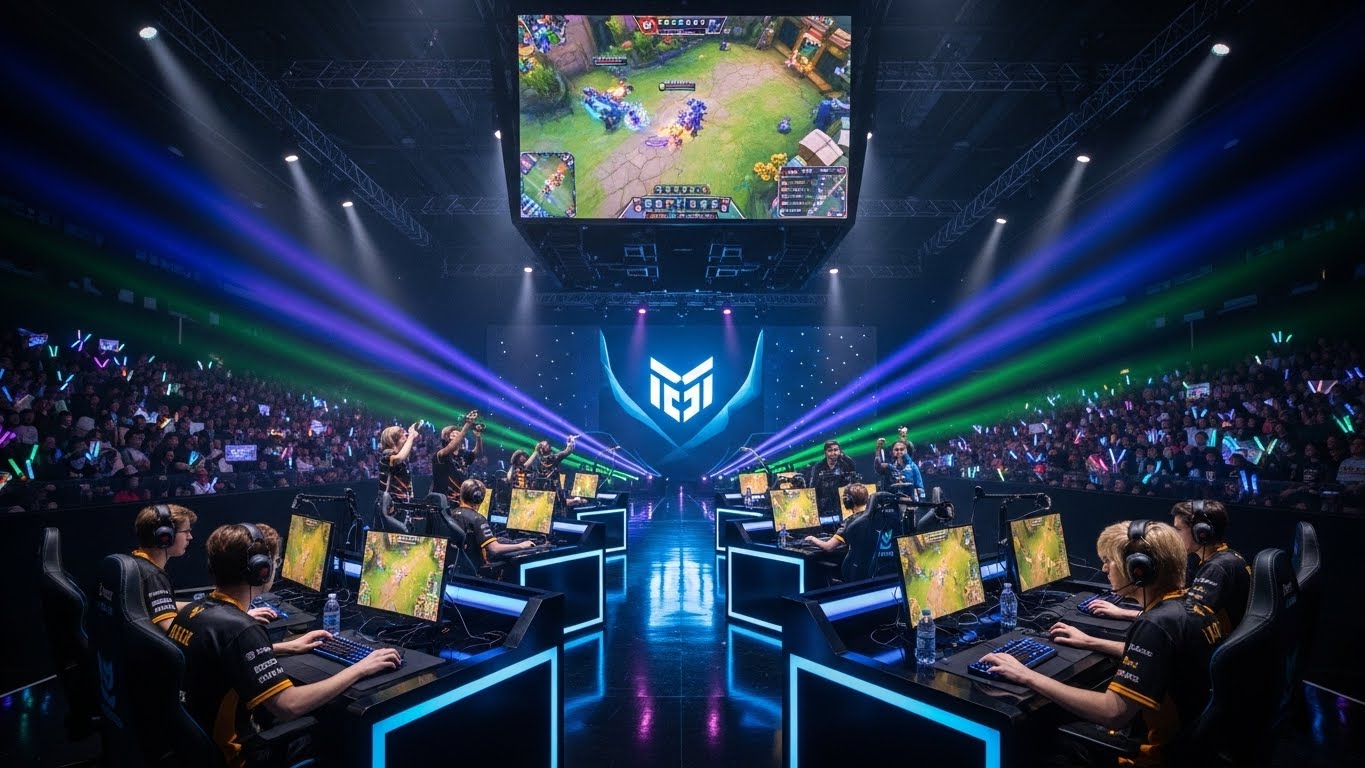
Watching esports has become a major form of entertainment. Live streaming platforms allow millions of fans to watch tournaments, follow their favorite players, and engage in online communities. Professional commentary, in-depth analysis, and immersive production enhance the spectator experience, making it comparable to traditional sports broadcasts. Fans interact with content through live chats, fan art, and social media discussions, forming communities that transcend geographic boundaries. The spectator culture of esports creates a dynamic, interactive environment where viewers are active participants, further differentiating it from traditional forms of entertainment.
Economic Significance of Esports
Esports is a powerful economic force. The industry generates revenue from multiple streams, including sponsorships, media rights, merchandise, tournament tickets, and streaming subscriptions. Professional players can earn substantial incomes through prize winnings, endorsements, and personal brand development. The growth of esports has also created new career paths, including coaching, content creation, event management, and digital marketing. Investment in esports infrastructure, such as training facilities and arenas, has revitalized local economies and created job opportunities. The economic impact of esports demonstrates how digital competition has matured into a sustainable and influential global industry.
The Role of Technology in Esports
Technology is the backbone of esports. High-performance gaming equipment, fast internet connectivity, and advanced software platforms enable seamless competition. Streaming technology allows fans to watch events live, while data analytics help players optimize performance and refine strategies. Innovations such as virtual reality and cloud gaming are beginning to expand the scope of competitive gaming, offering new formats and immersive experiences. Technology has not only enhanced gameplay but also transformed the way audiences interact with esports, creating a truly global, connected digital arena.
Social and Cultural Impact of Esports
Esports has had a profound impact on social and cultural landscapes. Contrary to the misconception that gaming is solitary, esports encourages social interaction, community building, and collaboration. Online platforms, fan forums, and in-person tournaments provide opportunities for players and fans to connect, share knowledge, and celebrate achievements together. Culturally, esports has influenced music, fashion, and media, reflecting the lifestyle and identity of a digitally native generation. Major tournaments inspire national pride and global camaraderie, showcasing esports as both a competitive pursuit and a cultural phenomenon.
Challenges Facing the Industry
Despite its success, esports faces challenges that require attention. Player burnout, mental health pressures, and intense competition are significant concerns. Issues such as cheating, online harassment, and lack of standard regulations threaten the integrity of the industry. Access to esports opportunities can be unequal, with socioeconomic barriers limiting participation in certain regions. Addressing these challenges requires ethical governance, community engagement, and industry-wide initiatives to promote fair play, inclusivity, and sustainability. Successfully navigating these obstacles will ensure that esports continues to grow responsibly and equitably.
Diversity and Inclusion in Esports
Diversity and inclusion are critical for the future of esports. Historically dominated by male players, the industry is increasingly welcoming women, players from different cultural backgrounds, and individuals with disabilities. Inclusive programs, mentorship opportunities, and equitable recognition help foster a diverse competitive environment. Promoting diversity enriches gameplay, introduces fresh perspectives, and broadens the fan base. A truly inclusive esports culture not only reflects the global nature of gaming but also sets an example for fairness, respect, and equality in competitive environments.
Esports and Professionalism
Professionalism is key to esports’ legitimacy. Players follow structured training routines, maintain strict schedules, and work with coaches and analysts to refine their skills. Teams invest in physical and mental health, nutrition, and performance tracking to sustain long-term success. Professional leagues operate with regulations, standardized rules, and ethical guidelines to maintain competitive integrity. The professionalization of esports ensures that players and teams are recognized for their dedication, skill, and achievements, positioning esports alongside traditional professional sports in terms of respect and credibility.
The Future of Esports
The future of esports is bright and evolving. Technological advancements such as virtual reality, augmented reality, and artificial intelligence are likely to redefine gameplay and fan engagement. The industry will continue to expand globally, with more schools, universities, and professional leagues embracing competitive gaming. Investment in esports infrastructure, media rights, and sponsorship will grow, further legitimizing the field. As esports continues to integrate entertainment, technology, and competition, it has the potential to rival traditional sports in popularity, economic impact, and cultural significance, solidifying its position as a defining aspect of modern digital life.
Conclusion
Esports has emerged as a transformative force in entertainment, culture, and professional competition. It blends skill, strategy, teamwork, and technology to create a unique and compelling arena that captivates players and audiences alike. Beyond gameplay, esports fosters personal growth, community engagement, and economic opportunity, proving that digital competition is more than a pastime—it is a serious, evolving, and globally influential industry. As esports continues to grow, it exemplifies the limitless potential of the digital age, redefining competition, connection, and culture for generations to come.