Introduction
In the last decade, eSports has transitioned from a niche segment of the gaming world into a global entertainment phenomenon. Competitive gaming, once an activity reserved for passionate hobbyists and small communities, is now a multi-billion-dollar industry with millions of viewers, professional players, and prestigious tournaments. From mobile gaming to high-definition arenas hosting worldwide championships, eSports has proven that video games are no longer just for fun—they are a serious competition that attracts both dedicated players and millions of fans.
What makes eSports stand out is its unique combination of entertainment, sportsmanship, and technological innovation. Whether you are a seasoned gamer or a casual viewer, the world of eSports offers something for everyone. From fast-paced action in games like “League of Legends” to tactical gameplay in “Counter-Strike: Global Offensive,” the variety of genres and playstyles makes it a truly inclusive space for people around the world.
This post will explore the evolution of eSports, its rise in global popularity, the role of streaming and technology in its success, and its cultural and economic impact.
The Birth of eSports: From Casual Play to Competitive Gaming
The origins of eSports can be traced back to the early days of video games. In the 1970s and 1980s, arcade machines like “Pong” and “Space Invaders” introduced the concept of competitive gaming on a small scale. However, it wasn’t until the 1990s that the infrastructure for organized, large-scale gaming competitions began to take shape. Early multiplayer games like “Warcraft,” “Quake,” and “StarCraft” allowed players to connect over the internet and compete in real-time.
These games laid the groundwork for modern eSports by introducing both competitive multiplayer modes and a global online community. The first significant milestone in eSports occurred in 1997 when the World Cyber Games (WCG) was founded, providing a platform for gamers to compete on an international stage. This was followed by the creation of the Electronic Sports World Cup (ESWC) in 2003, and the emergence of platforms like DreamHack that started to organize large tournaments with both physical and online participation.
Despite its early success, eSports still faced an uphill battle for recognition. It wasn’t until the early 2010s, with the rise of games like “League of Legends,” “Dota 2,” and “Counter-Strike: Global Offensive,” that competitive gaming truly entered the mainstream. With a dedicated fan base, well-organized events, and substantial prize money, these games paved the way for eSports to become the global entertainment powerhouse it is today.
The Rise of Professional eSports: A New Breed of Athletes
As eSports grew in popularity, it also became more structured. Professional players began to emerge, supported by teams, coaches, and analysts—mirroring the structure of traditional sports teams. Organizations like Team Liquid, Fnatic, and Cloud9 formed their own rosters of players who competed in high-profile tournaments for significant prize money. In many ways, professional eSports mirrored the best parts of traditional sports, but with an added digital and virtual dimension.
Professional Leagues and Tournaments:
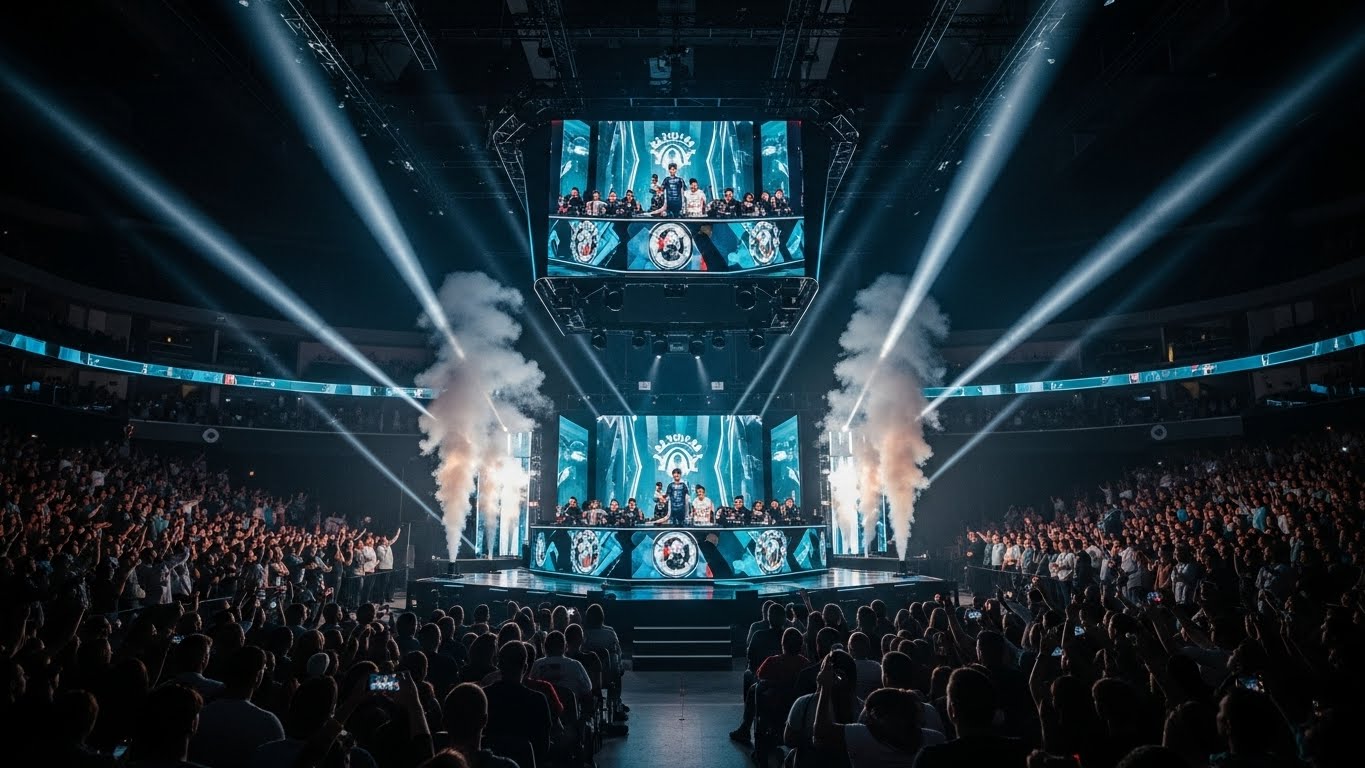
At the heart of professional eSports lies the competitive league system. Just like traditional sports leagues such as the NBA or NFL, eSports has created a platform for professional players to showcase their skills in a structured environment. The most famous example is the “League of Legends World Championship,” or “Worlds,” which brings together the best teams from around the globe to compete for the championship title and a multi-million-dollar prize pool. Other games like “Dota 2” and “Overwatch” have followed suit, creating their own tournaments and professional leagues.
These leagues are organized with seasons, playoffs, and finals, often spanning several months. Teams of five or more players are signed to contracts, receiving salaries, sponsorship deals, and support from their organizations. The rise of professional eSports leagues also paved the way for coaching staff, analysts, and other behind-the-scenes professionals who contribute to a team’s success.
The Role of Players and Teams:
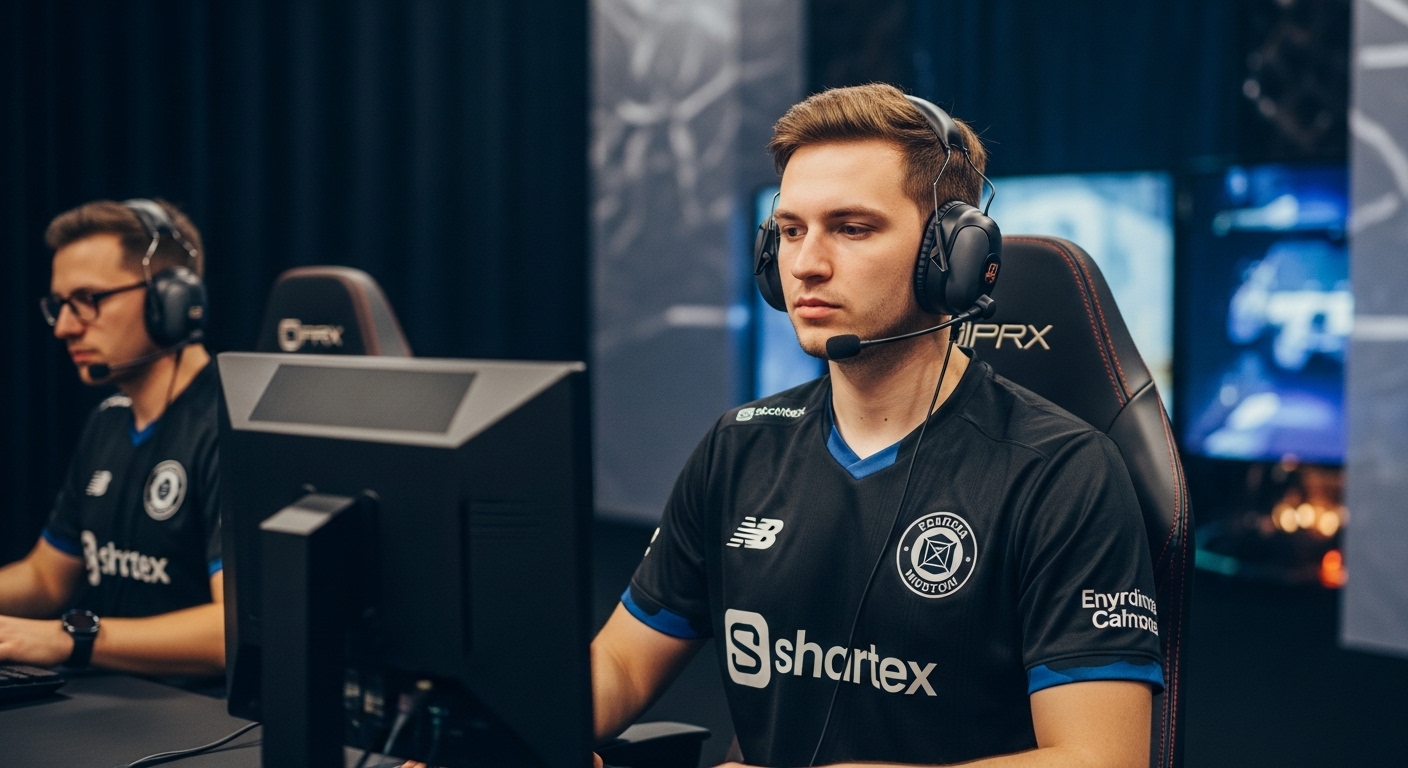
eSports players are increasingly being treated as professional athletes. The skills required to excel in eSports are comparable to those in traditional sports—strategic thinking, teamwork, mental focus, and hand-eye coordination. Professional gamers spend hours every day refining their skills, studying gameplay, and preparing for tournaments. Teams are managed by coaches who design strategies, ensure players’ well-being, and monitor their performance during tournaments.
The appeal of being a professional eSports player has attracted gamers from all over the world. Today, players can earn lucrative salaries from sponsorships, tournament prizes, and streaming platforms. The top players are household names within the gaming community and have millions of followers on social media. These players also compete for some of the largest prize pools in the world, with tournaments like “The International” offering prizes exceeding $30 million.
Streaming and Digital Platforms: The Lifeblood of eSports
A key factor in eSports’ success is the rise of streaming platforms such as Twitch, YouTube Gaming, and Facebook Gaming. These platforms allow gamers to broadcast their gameplay live to an audience, with viewers able to interact through chats, donations, and subscriptions. This interactivity creates a community of fans that can directly engage with their favorite players, whether they’re participating in professional tournaments or streaming their casual gameplay.
Twitch and YouTube:
Twitch, the leading live-streaming platform for gamers, has become synonymous with eSports broadcasting. It provides a space for gamers to stream their matches, host live discussions, and build relationships with their fan base. Many professional players use Twitch to engage with their audience, offering an additional layer of connection between the players and their viewers. Similarly, YouTube Gaming has carved its niche by allowing gamers to upload content, live-stream tournaments, and generate income from advertisements and sponsorships.
Monetization and Influence:
Streaming has become a major source of income for both professional players and casual gamers. Top-tier streamers often make millions of dollars annually from ad revenue, subscriptions, donations, and sponsored content. This new form of entertainment has given rise to gaming celebrities who command massive followings. Streamers like Ninja, Shroud, and Pokimane are not only popular in the gaming community but have also achieved mainstream recognition, appearing in commercials, partnerships, and media outlets.
Through streaming platforms, fans can experience eSports tournaments in real-time, interact with players, and even contribute financially to their favorite streamers. The ability to watch high-quality, live eSports content has made these platforms integral to the growth of the industry.
The Cultural and Economic Impact of eSports
eSports is no longer just a game; it is an integral part of the broader entertainment landscape. The cultural impact of eSports can be felt in the way that it brings people together across different countries, languages, and backgrounds. Gamers, regardless of their location, can join a global community that shares their passion for competitive gaming.
The Global Appeal:
eSports is a truly global phenomenon, with players, teams, and fans coming from all corners of the world. The international nature of eSports has been further amplified by the popularity of online streaming platforms, which allow viewers to watch tournaments and follow their favorite teams from anywhere in the world. Major tournaments are broadcast in multiple languages, ensuring that fans from diverse regions can participate in the excitement.
Economic Growth:
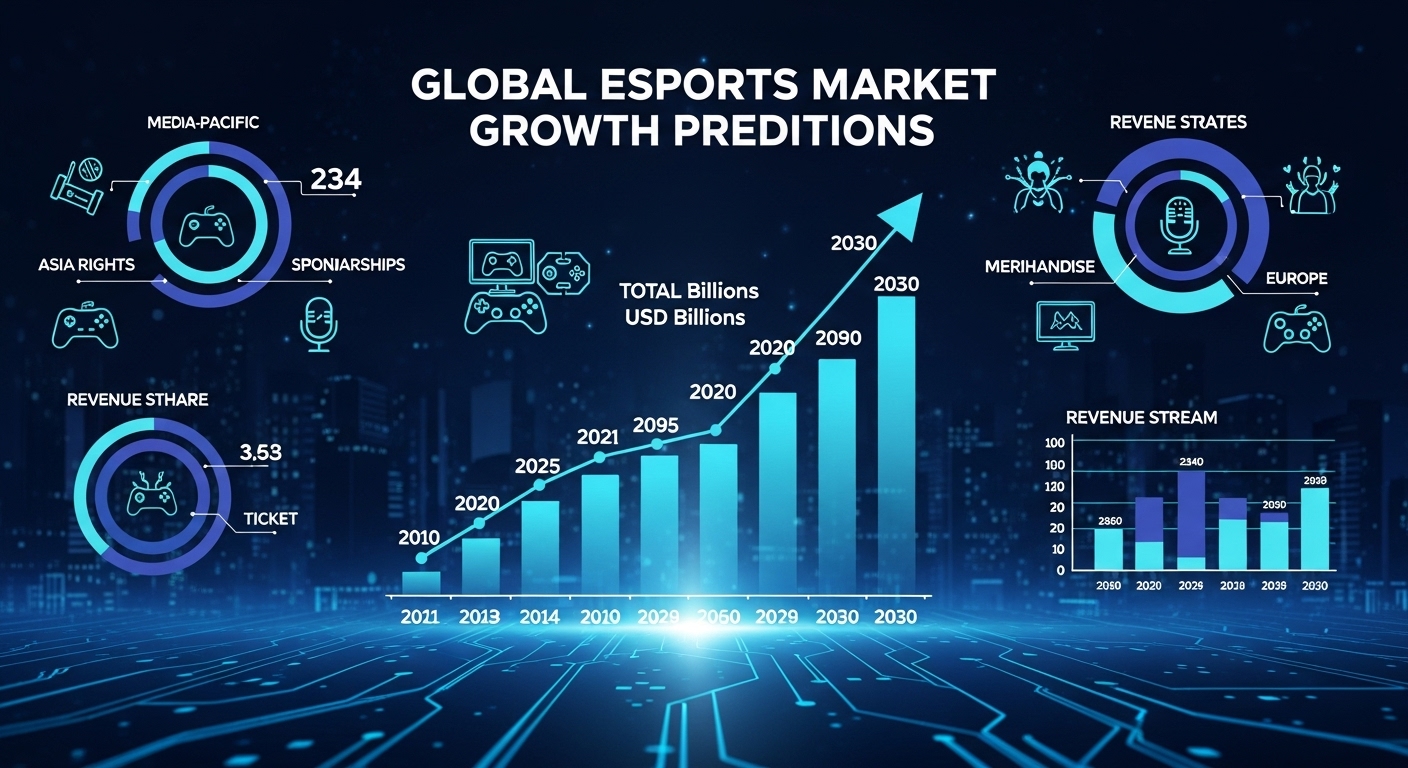
The economic impact of eSports cannot be overstated. According to estimates, the global eSports market is expected to surpass $1 billion in revenue in the coming years. Sponsorships, advertising, streaming rights, merchandise, and ticket sales all contribute to the industry’s rapid financial growth. Major corporations such as Intel, Coca-Cola, and Mercedes-Benz are investing heavily in eSports, recognizing the potential to reach a younger, tech-savvy audience.
eSports has also created new job opportunities in fields such as coaching, event management, broadcasting, and content creation. As the industry continues to expand, so too do the employment opportunities available to individuals with expertise in gaming, technology, and entertainment.
The Future of eSports: Opportunities and Challenges
While the future of eSports looks bright, the industry faces several challenges that could impact its growth. One of the primary concerns is the mental and physical health of professional players. Many players face burnout from the intense practice schedules and the pressure to perform at the highest level. As the eSports industry matures, there will be a need for better mental health support, training schedules that prioritize well-being, and a greater focus on player health.
Sustainability and Growth:
eSports is still a relatively young industry, and its long-term sustainability remains uncertain. As the market grows, the competition for sponsorships, streaming rights, and fan engagement will increase. The ability to maintain and expand the global audience will be crucial for the continued success of eSports.
Integration of New Technologies:
The future of eSports will likely be shaped by the integration of new technologies, such as virtual reality (VR) and augmented reality (AR). These technologies have the potential to offer immersive and interactive experiences for both players and fans. Additionally, the rise of mobile gaming and the accessibility of smartphones could further expand eSports into new demographics, reaching more players and viewers worldwide.
Conclusion
eSports has rapidly become one of the most dynamic and exciting industries in the world. From its humble beginnings in arcades to the multi-million-dollar professional leagues of today, eSports has proven that competitive gaming is here to stay. With its dedicated players, passionate fanbase, and the growth of digital platforms, eSports is not just a game—it’s a cultural movement.