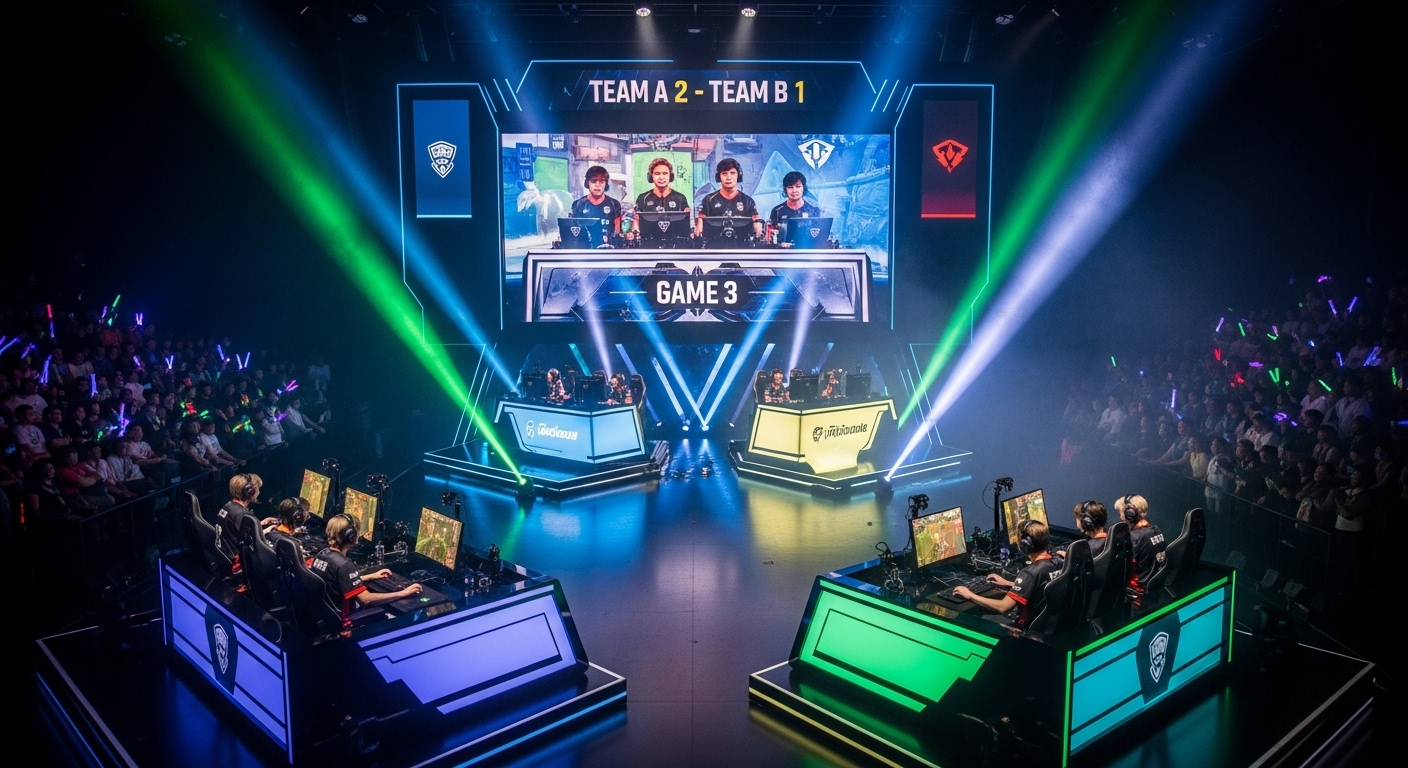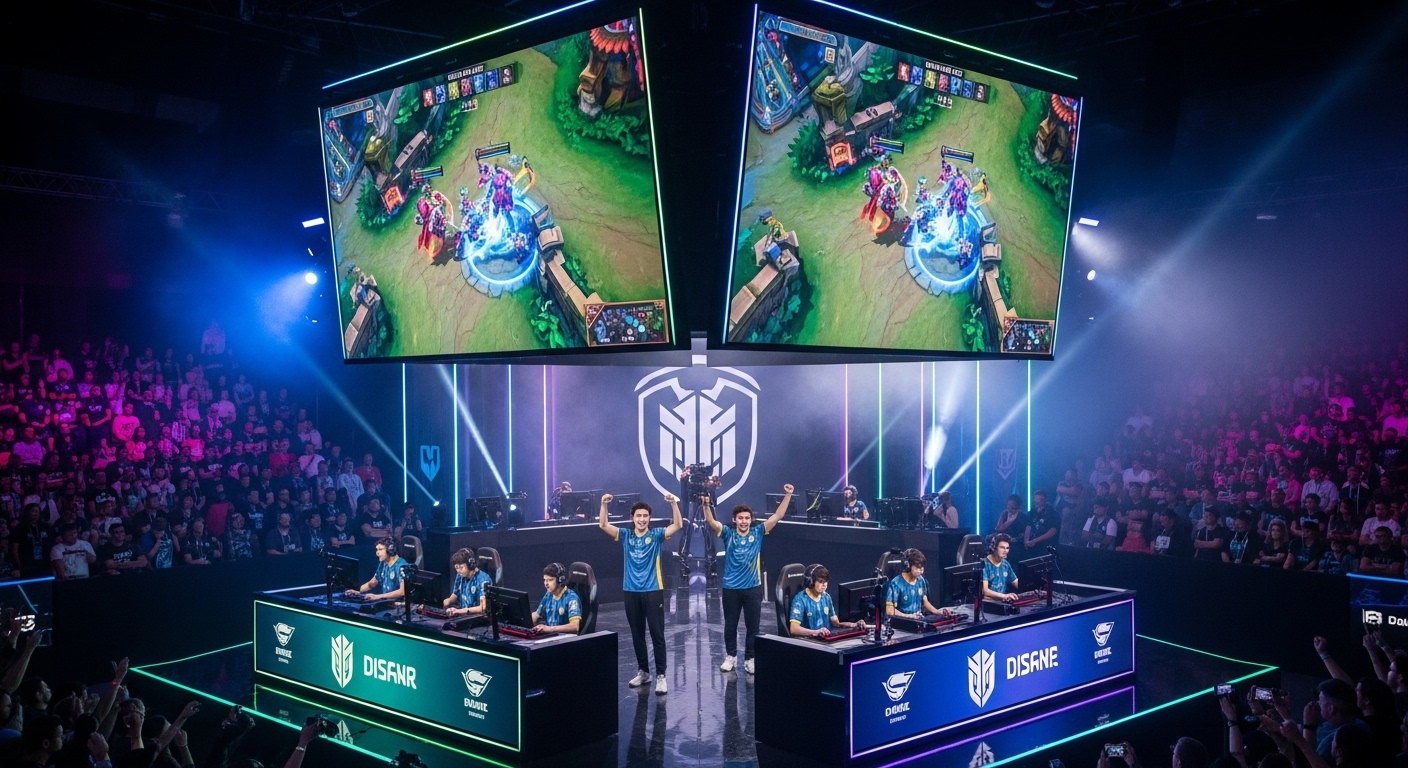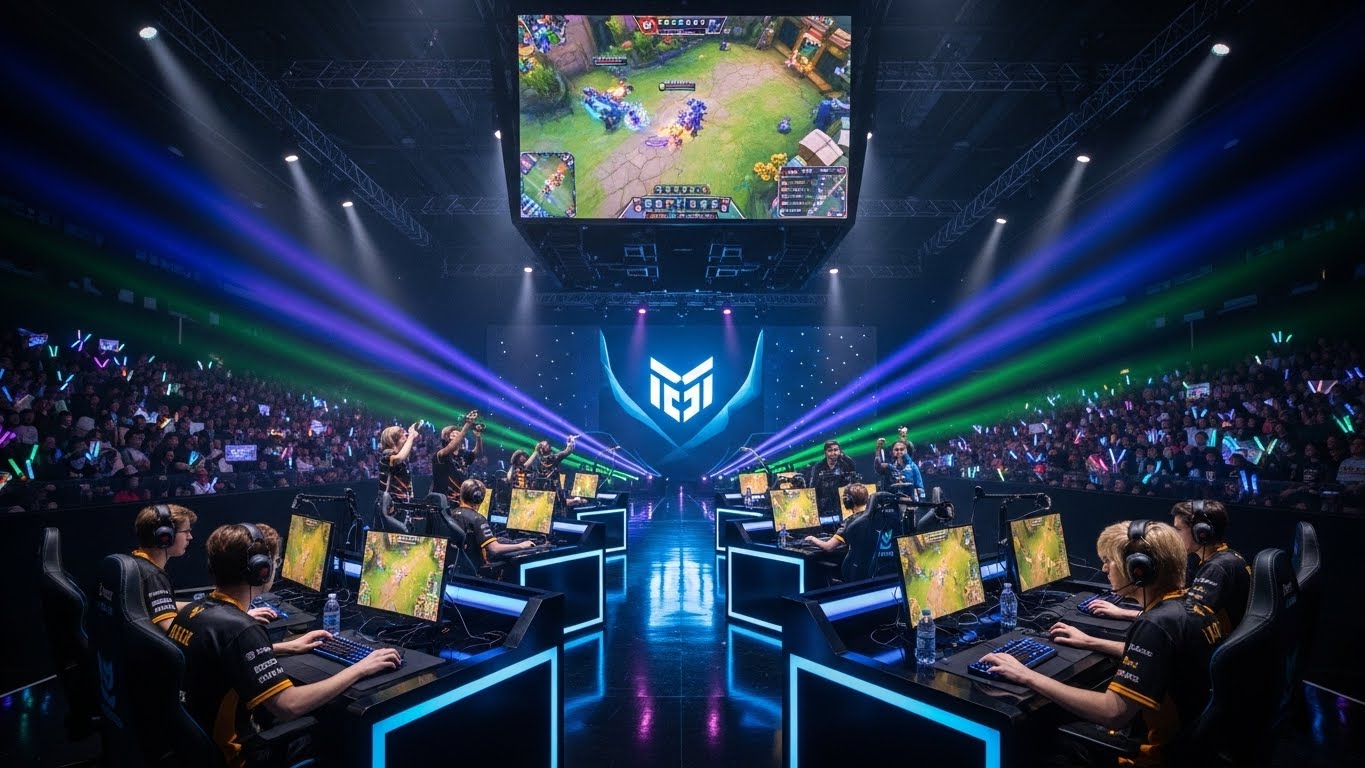
In recent years, a new form of competition has emerged, captivating audiences worldwide: esports. What was once a niche hobby for gaming enthusiasts has transformed into a global phenomenon, drawing millions of viewers, players, and investors. With professional leagues, massive tournaments, and multimillion-dollar sponsorships, esports is no longer just a pastime; it has become a serious industry. This blog explores the growth, impact, and future of esports, providing insight into why it has gained such widespread popularity.
The Origins of Competitive Gaming
The roots of esports trace back to the 1970s and 1980s when video games began capturing public attention. Early competitions were small and localized, often held in arcades or universities. Titles like Pong and Space Invaders were among the first games to foster competition, but it wasn’t until the rise of multiplayer games such as Street Fighter II and StarCraft in the 1990s that competitive gaming truly began to take shape. These games introduced players to organized tournaments, where skill, strategy, and reflexes determined winners. The growth of the internet further accelerated this trend, allowing gamers to compete across regions and even continents.
Understanding Esports Today
Today, esports refers to competitive video gaming at a professional level, with players often joining organized teams, leagues, and tournaments. Unlike casual gaming, esports requires intense practice, teamwork, and strategic thinking. Players specialize in games like League of Legends, Dota 2, Counter-Strike: Global Offensive, Fortnite, and Call of Duty, among others. Each game has its unique mechanics, meta-strategies, and fan base, contributing to a diverse and dynamic esports ecosystem.
Professional players often dedicate eight to twelve hours a day to training, similar to traditional athletes. Teams have coaches, analysts, and nutritionists to optimize performance. The dedication required highlights the seriousness of esports as a career, dispelling the stereotype that gaming is a casual or mindless activity.
The Economics of Esports
Esports is not just about competition; it is also a booming business. The industry generates revenue through sponsorships, merchandise, media rights, and tournament prize pools. Major corporations recognize the marketing potential in esports, sponsoring teams and events to reach a younger, tech-savvy audience. Tournaments like The International for Dota 2 or the League of Legends World Championship offer prize pools exceeding tens of millions of dollars, reflecting the significant financial stakes involved.
Streaming platforms such as Twitch and YouTube Gaming have also revolutionized esports by providing a medium for fans to watch live matches, interact with players, and engage with communities. These platforms offer revenue through subscriptions, advertisements, and donations, creating an ecosystem where both players and content creators thrive.
The Role of Streaming and Content Creation
Streaming has been a crucial driver of esports popularity. Gamers not only play competitively but also broadcast their gameplay, allowing fans to learn strategies, enjoy live reactions, and feel connected to their favorite players. Content creators often become influencers, shaping gaming trends and inspiring the next generation of esports enthusiasts. This has led to a symbiotic relationship between competitive play and entertainment, where skill, personality, and audience engagement all contribute to a player’s success.
Building a Global Community
One of esports’ most remarkable aspects is its ability to create global communities. Fans from different countries come together to support their favorite teams, participate in discussions, and attend live events. Social media platforms amplify these communities, allowing fans to share highlights, celebrate victories, and debate strategies. The sense of belonging and shared passion is a powerful factor in esports’ appeal, bridging cultural and geographic divides.
Health and Wellbeing in Esports
As esports grows, the importance of player health and wellbeing has become a central topic. Professional players face challenges such as physical strain, mental stress, and irregular sleep patterns due to intensive practice schedules. To address this, teams now employ fitness coaches, psychologists, and nutrition experts to maintain peak performance. This approach mirrors traditional sports, reinforcing the idea that esports demands both physical and mental resilience.
The Educational Impact of Esports
Esports is increasingly finding its way into educational institutions. Universities and high schools worldwide are offering scholarships and programs dedicated to competitive gaming. These initiatives not only recognize the legitimacy of esports as a career path but also teach valuable skills such as teamwork, leadership, communication, and strategic thinking. Students participating in esports programs gain experience in high-pressure situations, problem-solving, and collaboration, which can translate into success beyond gaming.
Challenges Facing Esports
Despite its rapid growth, esports faces challenges. One major concern is the lack of standardization across leagues and tournaments. Unlike traditional sports with uniform rules and governing bodies, esports often varies in format, regulations, and prize distribution, which can create confusion and inconsistency. Additionally, the industry must address issues related to player burnout, toxicity in online communities, and accessibility for underrepresented groups. Addressing these challenges is essential for sustainable growth and inclusivity.
The Cultural Impact of Esports
Esports has not only changed entertainment but has also influenced broader culture. Gaming references appear in music, movies, fashion, and even advertising campaigns, demonstrating the mainstream recognition of this once-underground activity. Esports has reshaped perceptions of gaming, highlighting the skill, strategy, and dedication involved. It has also become a platform for social change, with tournaments raising awareness for charitable causes and promoting diversity within the gaming community.
Future Trends in Esports
The future of esports looks promising, with several trends shaping its trajectory. First, technological advancements such as virtual reality, augmented reality, and cloud gaming are creating new possibilities for immersive competition. These innovations could redefine how fans experience esports and how players engage with games. Second, esports is likely to see further integration with traditional sports, as more clubs invest in gaming teams and host crossover events. Third, emerging markets in regions like Southeast Asia, Latin America, and Africa are expanding the global reach of esports, bringing in fresh talent and audiences.
Additionally, the professionalization of esports will continue, with more structured leagues, player unions, and standardized regulations. As the industry matures, we can expect better career stability, healthcare support, and ethical standards for players and organizations alike.
Esports as a Career
The idea of pursuing esports as a career is no longer far-fetched. Professional players, coaches, analysts, streamers, and content creators all have opportunities to turn their passion into a livelihood. However, success requires a combination of talent, dedication, adaptability, and business acumen. Understanding sponsorship deals, branding, and audience engagement is just as important as excelling in gameplay. For aspiring professionals, developing a balanced approach to training, personal branding, and mental health is crucial for long-term success.
Conclusion
Esports has transcended its origins as a niche hobby to become a global cultural and economic powerhouse. With professional leagues, massive tournaments, streaming platforms, and a passionate fan base, it continues to redefine what competition and entertainment mean in the digital age. The industry faces challenges, but its growth, community-building power, and innovative potential make esports an exciting frontier for both players and fans. As technology advances and audiences expand, esports is poised to remain a dominant force in the world of entertainment, offering opportunities, inspiration, and excitement for generations to come.
The journey of esports demonstrates the remarkable evolution of gaming from casual pastime to professional spectacle. It reflects the human desire for competition, connection, and creativity, proving that the digital arena is just as thrilling and significant as any traditional sports field. Whether you are a player, fan, or observer, the world of esports offers a window into a vibrant, dynamic, and ever-evolving universe, where skill, strategy, and passion converge to create unforgettable moments.