The Rise of Esports: A Global Phenomenon Shaping the Future of Gaming and Entertainment
In recent years, esports has evolved from a niche hobby into a global powerhouse of entertainment. What began as competitive video gaming between friends in local arcades and basements has transformed into a billion-dollar industry, drawing millions of viewers, players, and sponsors worldwide. As the popularity of esports continues to grow, it is reshaping the landscape of entertainment, pushing the boundaries of what we once thought of as “traditional” sports and leisure activities.
In this blog post, we’ll take a deep dive into the world of esports—its growth, the factors driving its popularity, the challenges it faces, and what the future might hold for this dynamic and exciting industry.
Understanding Esports: A Brief Overview
At its core, esports is a form of competition that involves video games. These games are played professionally, often in teams, and broadcast to a live audience via streaming platforms such as Twitch, YouTube, or dedicated esports channels. Titles such as “League of Legends,” “Dota 2,” “Fortnite,” and “Counter-Strike: Global Offensive” have gained significant recognition as the front-runners in esports tournaments, with millions of players and fans engaged in these games.
Esports can be played in various formats, ranging from single-player games to large-scale multiplayer competitions. Unlike casual gaming, where players participate for entertainment or personal achievement, esports involves a higher level of skill, strategy, and teamwork. Professional players are often signed to teams or organizations, with sponsors, coaching staff, and significant prize pools fueling the competitive spirit.
The Role of Streaming Platforms
The rise of platforms like Twitch and YouTube Gaming has been a game-changer for esports. These platforms provide gamers with the ability to stream their gameplay in real-time, allowing fans to interact with their favorite players and teams. In addition to live streams, these platforms also allow for the creation of esports content such as tutorials, highlights, and even live commentary during tournaments.
The accessibility of these platforms has contributed significantly to the visibility and growth of esports, making it easier than ever for fans to follow their favorite teams, watch live tournaments, and engage in online communities. It has also opened the door for new talent to emerge, giving gamers the opportunity to build a fanbase and become professional players themselves.
The Growth of Esports: From Hobby to Industry
Esports’ growth has been nothing short of meteoric. What started as a niche activity for passionate gamers has quickly become a global phenomenon. Several factors have contributed to the industry’s rapid rise, including technological advancements, changing attitudes toward gaming, and the increasing legitimacy of video games as a form of competition.
Technological Advancements and Accessibility
One of the key drivers of esports’ growth is the continued improvement in technology. High-speed internet, powerful gaming hardware, and sophisticated game engines have all contributed to making esports more accessible and enjoyable. Players now have access to high-definition graphics, smoother gameplay, and lower latency, which is crucial for competitive gaming.
Moreover, the advent of affordable gaming PCs and consoles has made it easier for aspiring esports athletes to enter the scene. The accessibility of gaming hardware has democratized esports, allowing people from various backgrounds to compete at the highest levels.
Changing Perceptions of Gaming
In the past, gaming was often seen as a pastime for children or a hobby for the socially isolated. However, as gaming became more mainstream, attitudes toward it began to change. Gaming is no longer just a form of entertainment—it’s a respected and legitimate sport that requires skill, strategy, and teamwork.
Professional athletes, sports organizations, and major media outlets have also begun to embrace esports. Traditional sports franchises like the NBA, NFL, and even European football clubs have invested in esports teams, further blurring the lines between esports and traditional sports. This integration of esports into mainstream culture has elevated its status and legitimized it as a professional pursuit.
Financial Growth and Sponsorships
The financial aspect of esports has also contributed to its rise. Esports tournaments now offer prize pools in the millions of dollars, attracting top-tier talent and sponsors. Major brands from various industries—such as technology, automobiles, and clothing—are investing heavily in esports sponsorships and partnerships.
In addition to sponsorships, esports organizations generate revenue through ticket sales, merchandise, broadcasting rights, and streaming platforms. This influx of capital has allowed teams and players to operate like traditional sports organizations, with full-time staff, coaches, analysts, and even psychologists to help optimize performance.
The Esports Ecosystem: Players, Teams, and Fans
Esports operates on a multi-layered ecosystem involving players, teams, tournaments, fans, and sponsors. Each component plays a vital role in the overall structure and success of the industry.
Professional Players
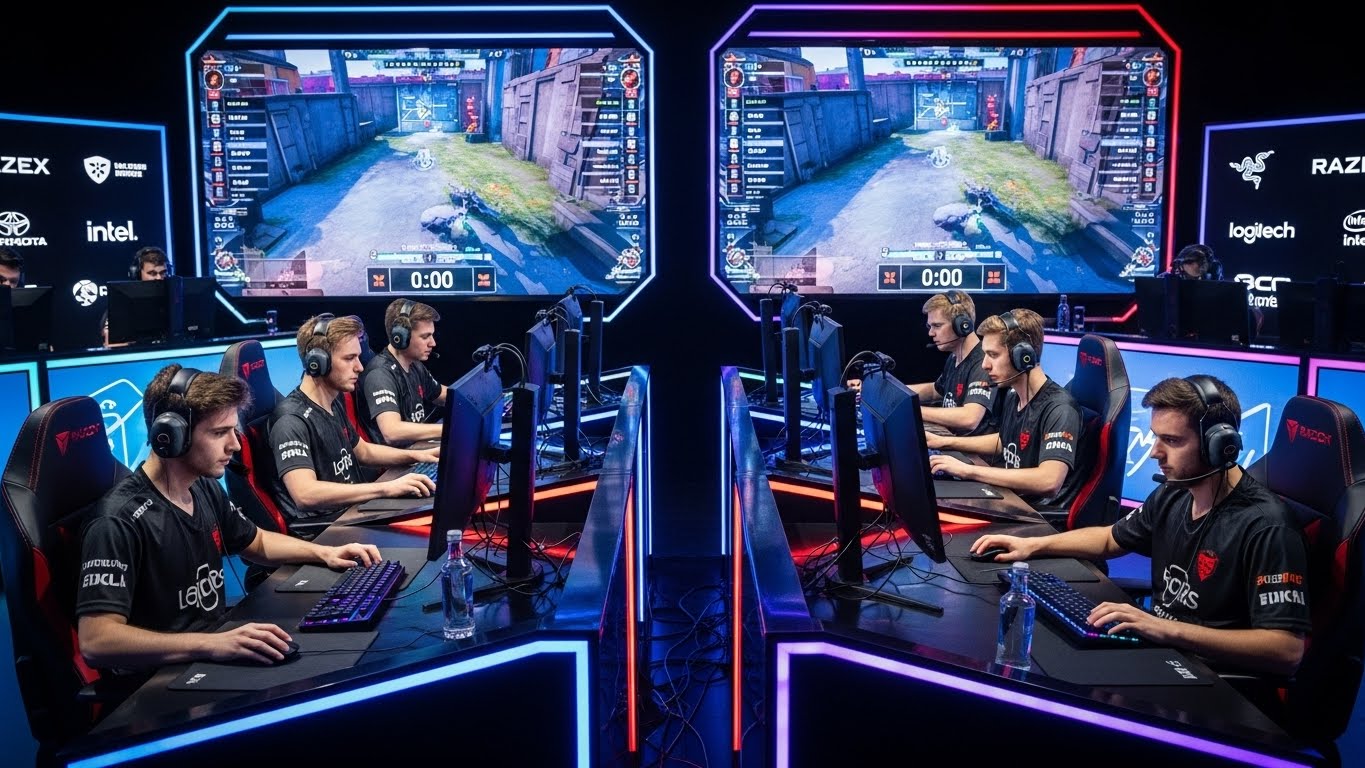
The backbone of esports is its players—skilled individuals who dedicate hours of practice to hone their craft. Professional esports players train like athletes, often practicing for up to 10 hours a day to improve their gameplay and communication with teammates. This level of dedication requires physical endurance, mental acuity, and the ability to perform under pressure.
Esports players also often have massive social media followings, with their personal brands becoming as important as their in-game performance. Influencer marketing and sponsorship deals are integral to their income streams, with many players engaging in brand collaborations and even content creation outside of their gameplay.
Esports Teams and Organizations
Much like traditional sports, esports players are often part of larger organizations or teams. These teams recruit top talent from around the world to compete in various games and tournaments. Well-known organizations such as Team Liquid, Fnatic, Cloud9, and T1 have become household names in the esports world, attracting both players and sponsors.
These organizations not only manage player contracts but also provide coaching, training, and strategic advice. In some cases, esports teams have dedicated facilities and staff to help players achieve peak performance. Just like in traditional sports, teamwork is a crucial aspect of success, with players working together to form cohesive strategies and execute them flawlessly during high-stakes competitions.
Esports Tournaments and Competitions
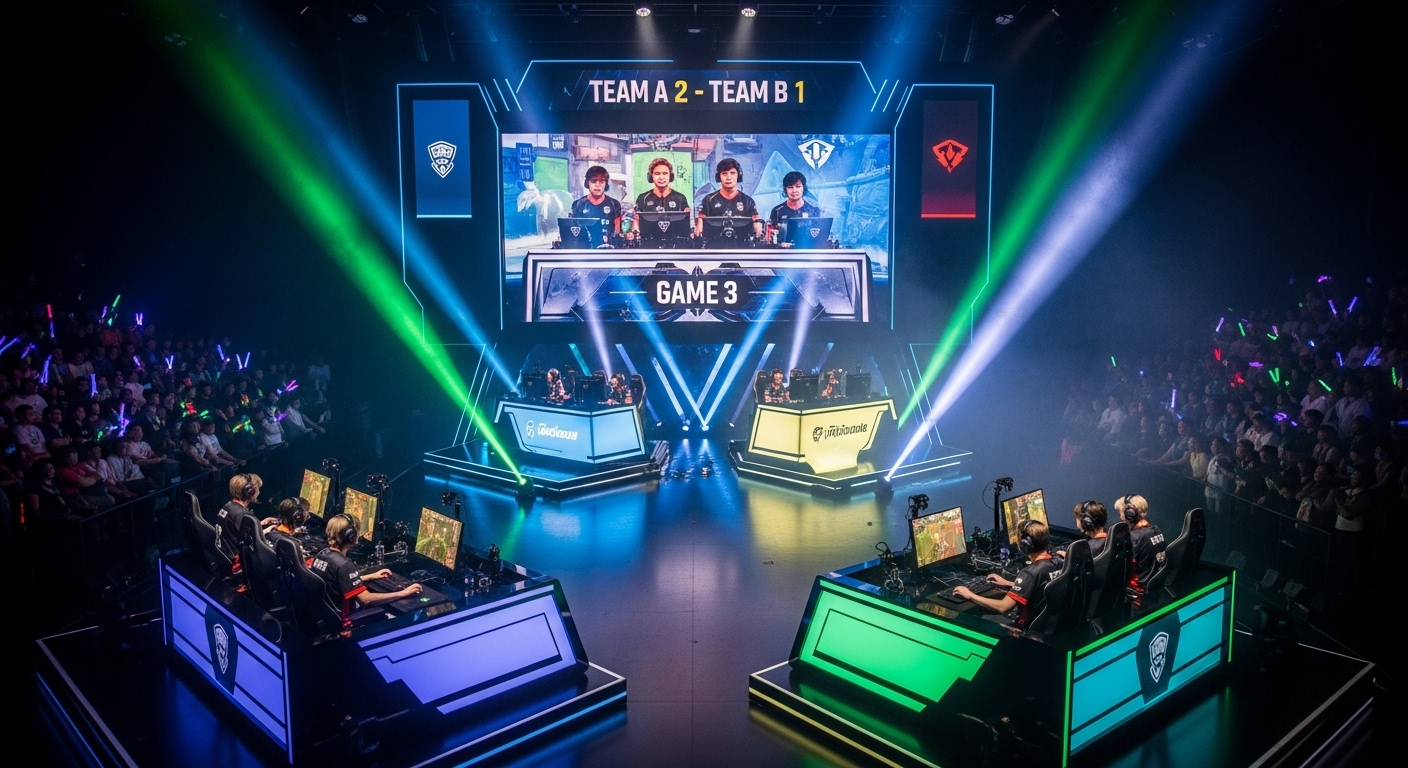
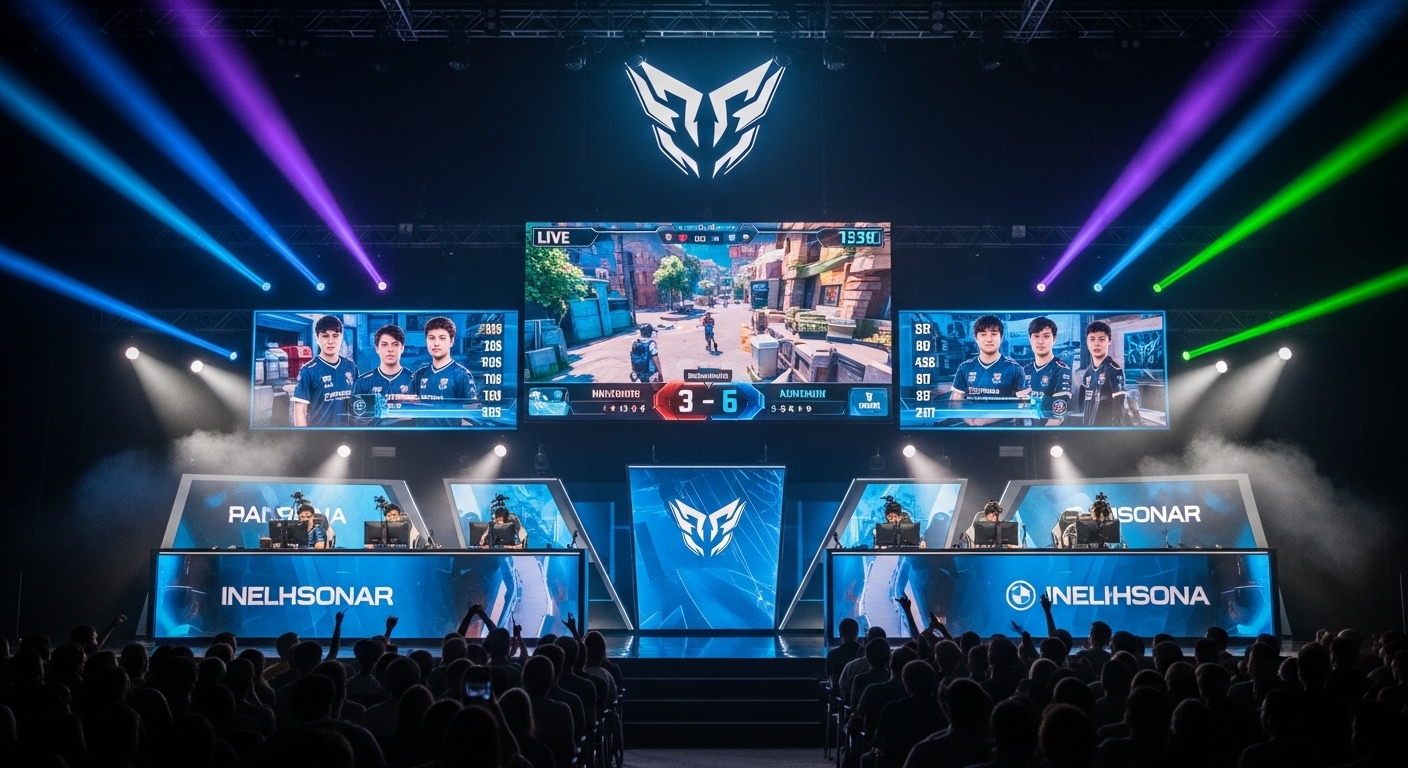
Esports tournaments are where the action happens. These events bring together the best players and teams in the world to compete for huge prize pools and global recognition. Major tournaments, such as The International (for “Dota 2”), the League of Legends World Championship, and the Fortnite World Cup, attract millions of viewers both online and in-person.
Tournaments can take place in various formats, from online qualifiers to massive LAN (local area network) events held in arenas and stadiums. The sheer scale of some tournaments is staggering, with production values that rival major sporting events. Some events even feature live commentary, expert analysis, and interviews, further enhancing the viewing experience.
Fans and Community Engagement
Fans are the lifeblood of esports. The passion and loyalty of esports fans often rival those of traditional sports fans, with many attending live events, purchasing team merchandise, and actively engaging with teams and players on social media.
Esports fans also contribute to the growth of the industry by supporting streams, sharing content, and participating in online discussions. In many ways, the community aspect of esports is what sets it apart from other forms of entertainment. Players and fans interact directly, and there’s a unique sense of camaraderie that binds the community together.
Challenges Facing Esports
Despite its rapid growth, esports faces several challenges that could affect its future trajectory. While the industry has come a long way in terms of legitimacy, infrastructure, and financial stability, there are still hurdles to overcome.
Sustainability and Player Welfare
One of the biggest concerns surrounding esports is the well-being of its players. With the intense pressure to perform at a high level, many players experience burnout, mental health challenges, and physical strain. The lack of a clear career trajectory after a player’s peak can also leave many feeling uncertain about their future in the industry.
As esports matures, organizations and governing bodies will need to prioritize player health and longevity. This includes providing mental health resources, career counseling, and ensuring that players have a balanced lifestyle that goes beyond just gaming.
Regulation and Fair Play
Esports, like any other competitive field, is susceptible to issues of cheating and match-fixing. While the industry has made significant strides in combating these problems, the sheer scale of online play makes it difficult to monitor every competition thoroughly. Regulatory bodies, much like those in traditional sports, will need to establish standardized rules and enforcement mechanisms to ensure fair play and integrity in esports competitions.
Diversity and Inclusivity
While esports has a global reach, there are concerns about its diversity and inclusivity. The industry has been criticized for the lack of representation of women and minorities in both the player pool and in leadership positions. As the industry grows, efforts must be made to create more inclusive environments that encourage participation from all demographics.
The Future of Esports
The future of esports is undoubtedly bright. As technology continues to improve and more investment pours into the industry, esports will only grow in stature and influence. We can expect to see more global tournaments, better production quality, and an even more immersive fan experience. The integration of virtual reality (VR) and augmented reality (AR) may also open new possibilities for gaming experiences.
Furthermore, esports is likely to become even more integrated with traditional sports. We may see more cross-industry collaborations, with traditional sports teams entering the esports space or even esports leagues becoming as prominent as established sports leagues like the NBA or NFL.
Conclusion
Esports has come a long way from its humble beginnings, and its rise to global prominence shows no signs of slowing down. With its rapidly growing fanbase, substantial financial investments, and ever-increasing popularity, esports is well on its way to becoming one of the most dominant forms of entertainment in the world. While challenges remain, the future of esports looks incredibly promising, offering new opportunities for players, teams, fans, and sponsors alike.