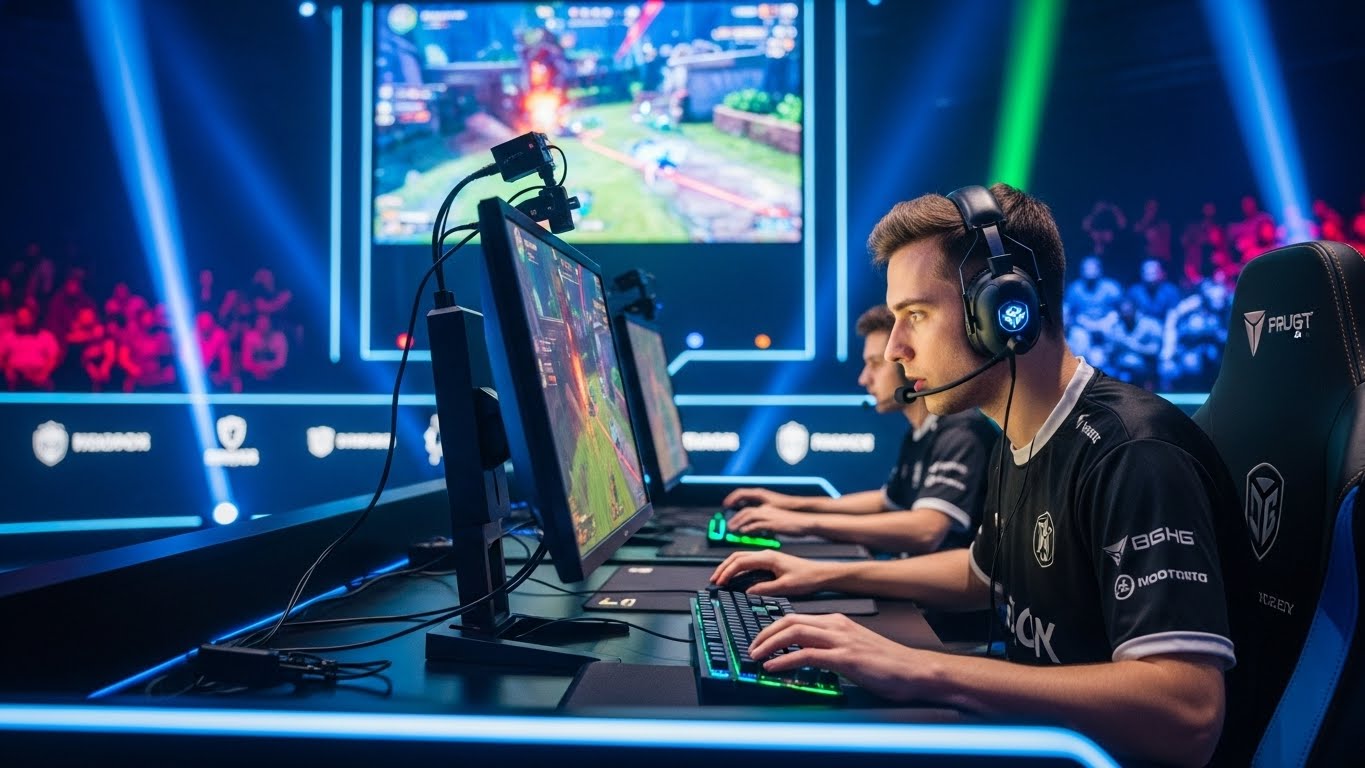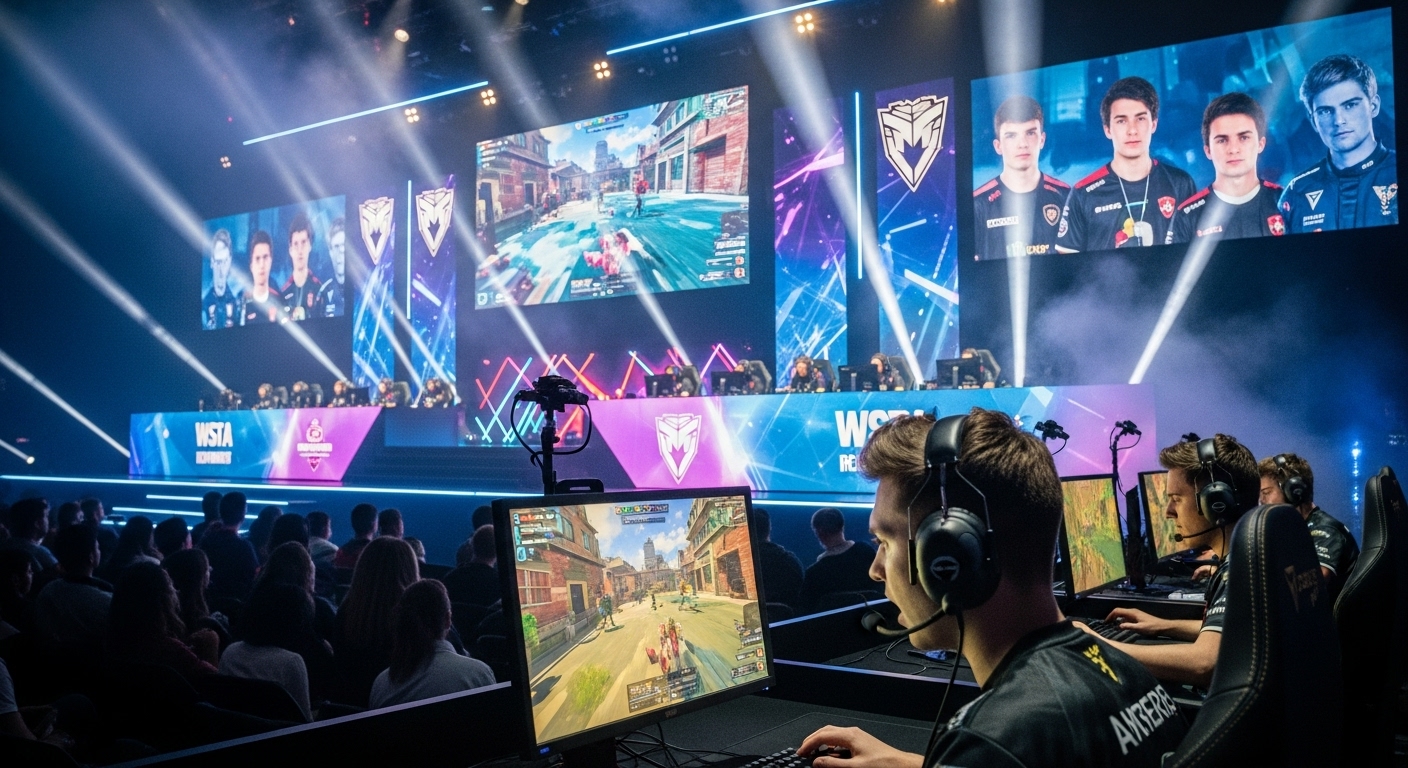
Esports has transformed from a niche hobby into a global phenomenon. What once started as casual competitions between friends has evolved into a massive industry that generates billions in revenue, draws millions of spectators, and has created a new professional career path for gamers. From the rise of multiplayer online games to the evolution of professional leagues and tournaments, esports has rapidly become one of the most exciting and fast-growing sectors in the entertainment world. This blog post delves into the origins of esports, its rise to mainstream popularity, the mechanics of competitive gaming, and what the future holds for this dynamic industry.
What is Esports?
At its core, esports refers to competitive video gaming, where individuals or teams play video games against one another in organized tournaments or leagues. These competitions can range from casual, small-scale events to massive, international championships. While esports can encompass a variety of game genres, some of the most popular games in the competitive gaming scene include first-person shooters (FPS), multiplayer online battle arenas (MOBAs), real-time strategy (RTS) games, and sports simulations.
Esports is not limited to one particular game or platform; it spans multiple titles and is accessible on different platforms such as PC, console, and mobile devices. The appeal of esports lies in its competitive nature, with players vying for prestige, fame, and often, substantial monetary rewards.
The Origins of Esports: From LAN Parties to Global Events
The origins of esports can be traced back to the 1990s when gaming went beyond solo play and local multiplayer matches. In the early days, the competitive gaming scene was limited to LAN (local area network) parties, where gamers would gather in a physical location to compete against each other. Games like Doom (1993) and Warcraft (1994) became popular at these LAN parties, allowing players to experience multiplayer gaming in a shared space.
As the internet became more accessible, competitive gaming transitioned from local networks to online platforms. In the late 1990s and early 2000s, games like Quake and StarCraft began to shape the competitive gaming landscape, introducing the concept of online tournaments where players could compete against others from around the world.
The real turning point came in 2000 when the first official esports tournament, the World Cyber Games (WCG), was established. The WCG brought together players from different countries to compete in various games, marking one of the first major attempts to formalize and organize competitive gaming on a global scale. At the same time, organizations like Major League Gaming (MLG) began holding large-scale tournaments in North America, paving the way for esports to gain widespread recognition.
The Rise of Major Esports Titles
As the years progressed, certain video games began to dominate the competitive gaming scene, establishing themselves as the cornerstones of modern esports. Some of the most influential esports titles include:
1. StarCraft and StarCraft II
StarCraft (1998), and its sequel StarCraft II (2010), played a pivotal role in shaping the competitive gaming landscape, particularly in South Korea. The game’s intricate strategies, fast-paced action, and high skill ceiling made it ideal for competitive play. In South Korea, StarCraft became a national phenomenon, with professional players becoming celebrities and tournaments broadcasted on national TV. The success of StarCraft II further solidified the game’s place as a cornerstone of esports, with major international tournaments like the World Championship Series attracting thousands of viewers.
2. League of Legends
Released in 2009 by Riot Games, League of Legends (LoL) quickly became one of the most popular and influential esports titles of all time. As a Multiplayer Online Battle Arena (MOBA), League of Legends offers fast-paced, strategic gameplay that has captivated millions of players worldwide. LoL’s success can be attributed to its accessibility, free-to-play model, and continuous updates. The League of Legends World Championship, often referred to as the “Worlds,” is one of the largest and most prestigious esports tournaments, drawing millions of viewers globally.
3. Dota 2
Dota 2, developed by Valve, is another iconic title in the MOBA genre that has had a profound impact on esports. The International (TI), an annual tournament for Dota 2, has become one of the most lucrative esports events in history. With a prize pool that often exceeds $30 million, The International draws players from around the world to compete for the coveted championship title. The game’s complex mechanics, strategic depth, and team-based gameplay have made it a favorite in the competitive gaming community.
4. Counter-Strike: Global Offensive
Counter-Strike: Global Offensive (CS:GO), released in 2012, is a first-person shooter that has had a major influence on esports, particularly in the FPS genre. Known for its tactical gameplay and emphasis on team coordination, CS:GO has been a staple of competitive gaming for over a decade. The game has become a global phenomenon, with organizations like ESL and DreamHack hosting massive tournaments and competitions. The game’s success can be attributed to its strategic depth, easy-to-learn mechanics, and engaging competitive scene.
5. Fortnite
Released in 2017, Fortnite became a breakout hit, thanks in large part to its free-to-play model and the introduction of a battle royale mode. The game’s rapid rise to fame is a testament to the increasing intersection between gaming and popular culture. Fortnite’s inclusion of celebrity collaborations, in-game events, and its global appeal has made it a prime contender in the esports space. Major tournaments like the Fortnite World Cup have seen players win millions in cash prizes, further solidifying the game’s place in the esports ecosystem.
The Business of Esports: Sponsorships, Media, and Streaming
Esports is not just about the players; it is also a multi-billion-dollar industry that includes sponsorships, media rights, merchandise sales, and streaming. One of the key drivers behind esports’ growth has been its ability to attract lucrative sponsorships from major brands. Companies like Coca-Cola, Intel, Red Bull, and Nike have all invested in esports, recognizing its potential as a marketing and advertising platform.
Streaming platforms like Twitch and YouTube Gaming have played a crucial role in bringing esports to the masses. These platforms allow gamers to broadcast their gameplay, interact with fans, and monetize their content through subscriptions, advertisements, and donations. Major esports events are also streamed live, enabling millions of fans to watch competitions in real time, regardless of location.
Esports has also benefited from traditional sports media, with networks like ESPN and TBS broadcasting major esports tournaments. This media coverage has helped esports gain legitimacy and recognition as a mainstream form of entertainment, attracting a wider audience that includes sports fans, tech enthusiasts, and casual viewers.
The Esports Ecosystem: Teams, Leagues, and Players
Esports is a highly structured industry with its own ecosystem of teams, leagues, coaches, analysts, and players. Professional esports teams are often backed by major investors and organizations, such as Cloud9, Team Liquid, and T1. These teams recruit players who specialize in certain games and form competitive rosters to compete in various tournaments and leagues.
Much like traditional sports, esports teams have coaches who help strategize, analysts who review game footage, and managers who handle logistics. The level of organization and professionalism in esports has made it a viable career path for gamers, with some top players earning six-figure salaries, sponsorship deals, and prize money.
Esports leagues, such as the Overwatch League and the League of Legends Championship Series (LCS), offer a structured competitive environment for teams to compete in seasonal competitions. These leagues attract fans from all over the world, who support their favorite teams and players in the hopes of seeing them win championships and claim global recognition.
The Role of Fans and Community in Esports
One of the defining features of esports is its passionate and dedicated fanbase. Fans are not only spectators but active participants in the esports community. They cheer for their favorite players, teams, and organizations, and many engage with others through social media, online forums, and fan events. Esports has created a sense of community where fans can connect with one another, share strategies, and celebrate their shared love of gaming.
Esports fans also play a significant role in shaping the industry. From voting for MVPs to organizing fan tournaments, the community helps drive the direction of the esports scene. Additionally, fans contribute to the popularity of esports by streaming events, creating fan art, and supporting their favorite players through donations and merchandise purchases.
The Future of Esports: Growth, Challenges, and Opportunities
Esports shows no signs of slowing down. As technology advances, we can expect more immersive and interactive experiences, with virtual reality (VR) and augmented reality (AR) being integrated into competitive gaming. The expansion of 5G networks will also enable faster and more reliable gaming experiences, further enhancing online tournaments and matches.
However, esports still faces challenges, particularly when it comes to issues like player health, mental well-being, and the need for better representation and diversity. As the industry matures, it will be essential to address these concerns to ensure the sustainability of esports as a career and entertainment option.
Despite these challenges, the future of esports looks bright. As gaming continues to evolve, new genres, games, and platforms will emerge, creating even more opportunities for players, teams, fans, and organizations to get involved. Esports is poised to become an even more integral part of global entertainment, with the potential to rival traditional sports in terms of viewership, sponsorship, and influence.