Esports: The Rise of Competitive Gaming as a Global Entertainment Industry
Esports, or electronic sports, has emerged as a dominant force in the entertainment industry. What once started as a niche activity for gamers has transformed into a multi-billion-dollar global industry that attracts millions of fans and participants. Competitive video gaming is no longer confined to basement tournaments or local LAN (local area network) parties. It has now infiltrated mainstream culture, rivaling traditional sports in terms of viewership, sponsorship, and media attention. This blog post explores the fascinating rise of esports, its impact on the gaming community, and the exciting future that lies ahead.
What is Esports?
At its core, esports refers to competitive gaming where players, either individually or as teams, compete in video games at a professional level. These tournaments are organized and often streamed for large audiences on platforms like Twitch, YouTube, and Facebook. The games involved in esports span various genres, from first-person shooters (FPS) to multiplayer online battle arena (MOBA) games, real-time strategy (RTS) games, and battle royales. Some of the most popular esports titles include League of Legends, Dota 2, Counter-Strike: Global Offensive, Fortnite, and Overwatch.
What sets esports apart from casual gaming is the level of competition. Professional players dedicate years of practice, strategy, and teamwork to hone their skills and compete for significant prizes. Unlike traditional sports, esports players are often much younger, with many starting their careers in their teens. Yet, despite their youth, some esports stars have become global icons, similar to the top athletes in traditional sports.
The Explosive Growth of Esports
In the past decade, the growth of esports has been nothing short of extraordinary. In 2023, the esports industry was valued at over $1 billion, a number that continues to rise annually. This growth has been fueled by several key factors, including the increased popularity of streaming platforms, the rise of mobile gaming, and the support from major corporations and media companies.
One of the primary drivers of esports’ growth is the rise of online streaming platforms like Twitch and YouTube. These platforms allow fans to watch live esports events, follow their favorite players, and engage with the community. In fact, major esports tournaments, such as the League of Legends World Championship, consistently draw millions of viewers, sometimes surpassing the viewership of traditional sports events. For instance, the 2020 League of Legends Worlds Finals had a peak viewership of over 3.8 million concurrent viewers, making it one of the most-watched esports events in history.
Another contributing factor is the massive sponsorship deals that esports organizations and events have secured. Brands like Coca-Cola, Intel, and Mercedes-Benz now sponsor tournaments, while gaming companies such as Riot Games and Valve provide both financial and promotional support for competitive leagues. This influx of corporate interest has helped solidify esports as a legitimate and profitable industry.
Additionally, the growing accessibility of esports through mobile gaming has expanded its reach. Titles like PUBG Mobile and Free Fire have turned mobile gaming into a major competitive format, especially in regions where console and PC gaming are not as prevalent. Mobile esports tournaments now attract millions of viewers and participants, particularly in regions like Southeast Asia, India, and Latin America.
Esports as a Career
For many players, esports has become a viable career option. Just like traditional athletes, professional gamers can earn significant income from tournament prizes, sponsorships, and streaming. While the majority of gamers won’t reach the pinnacle of success, the top-tier players in esports can make millions of dollars annually. In fact, some of the most successful esports players have amassed wealth comparable to professional athletes in traditional sports.
Take Dota 2 as an example. The game’s premier tournament, The International, has become legendary for its astronomical prize pool. In 2021, the prize pool for The International 10 surpassed $40 million, with the winning team taking home over $18 million. This level of financial incentive has attracted some of the best and brightest talent from around the world, and as a result, esports players are now regarded as top-tier athletes, with their training regimens and lifestyles closely mirroring those of traditional sports professionals.
The career trajectory for an esports player is relatively short compared to traditional sports. Most esports players retire in their late twenties or early thirties due to the physical and mental demands of competitive gaming. However, the industry offers numerous career opportunities beyond playing. Many former professional players transition into roles as coaches, analysts, or casters (commentators), which allows them to remain within the ecosystem and share their knowledge with the next generation of players.
Moreover, the rise of esports education programs and scholarships has helped professionalize the industry. Universities across the globe are offering esports-related degrees and courses in areas such as game design, event management, broadcasting, and marketing. Many educational institutions have also established esports teams and leagues, allowing students to compete in national and international tournaments while pursuing their academic goals.
The Cultural Impact of Esports
Esports has had a profound effect on gaming culture and mainstream entertainment. It has brought gaming into the public spotlight, legitimizing it as a form of competition and entertainment. Many of the world’s biggest streaming platforms, such as Twitch, have turned gaming content into a major genre of entertainment. Esports broadcasts are filled with high-octane action, expert commentary, and behind-the-scenes content that engage viewers on a deep, emotional level.
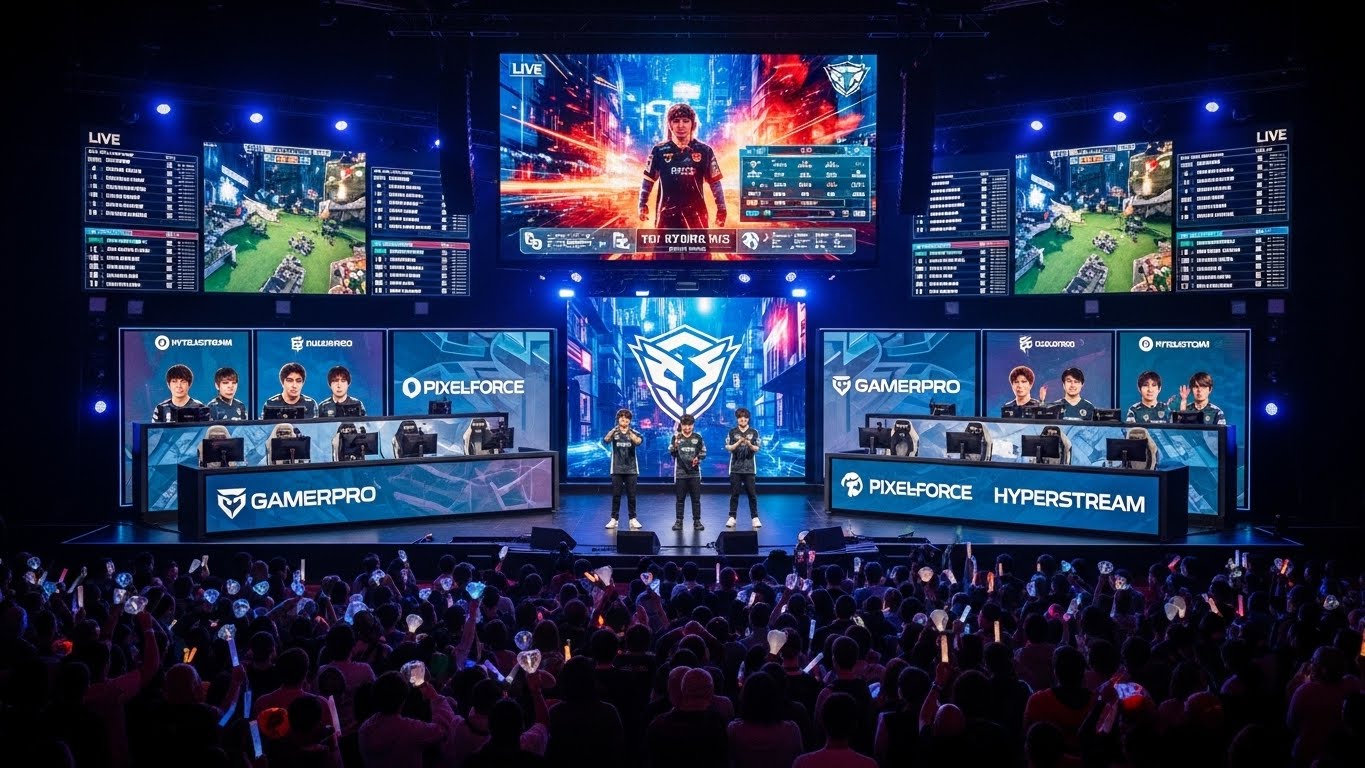
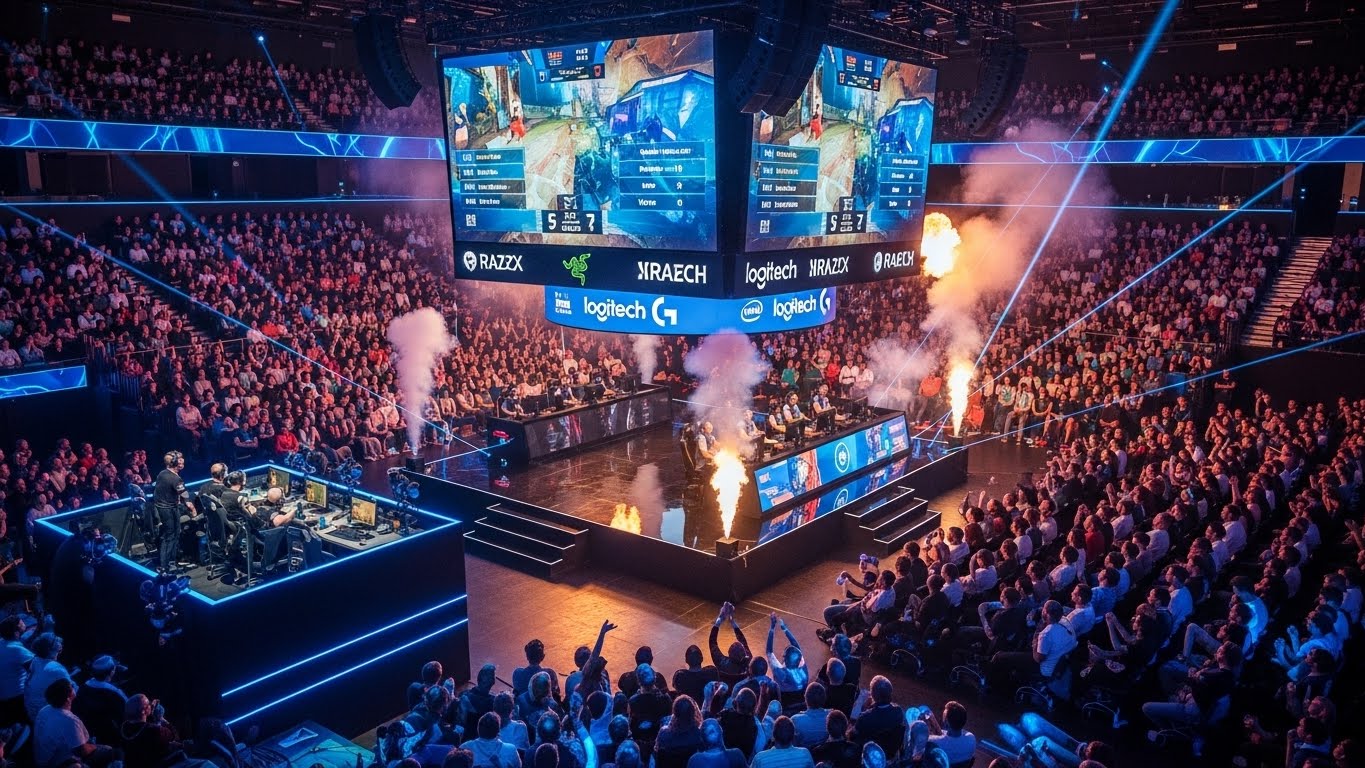
The rise of esports has also influenced the broader entertainment industry. Hollywood has begun to take notice of esports’ cultural relevance. Movies like Free Guy, which explores the concept of an open-world video game, and The King of Fighters, based on the famous esports franchise, are examples of how esports and gaming culture have become intertwined with mainstream cinema. Additionally, esports tournaments are often hosted in large stadiums and arenas, similar to traditional sports events, and these live events are filled with drama, intensity, and excitement.
Esports has also given rise to a new breed of celebrity. Gamers, influencers, and streamers like Ninja, Shroud, and Pokimane have amassed huge followings, with millions of fans tuning in to watch their gameplay. These influencers often transcend the gaming world and become mainstream celebrities, collaborating with major brands, appearing in TV shows and movies, and even launching their own merchandise lines. This has helped to make esports and gaming a part of modern pop culture.
In terms of community, esports has fostered a global sense of belonging. Online gaming communities allow players to connect with like-minded individuals, form friendships, and share experiences. Tournaments and live-streamed events have created a sense of camaraderie and rivalry, where fans rally behind their favorite players and teams. In many ways, esports has created a new form of social interaction, uniting people from diverse backgrounds and cultures in the shared experience of competition.
The Future of Esports
The future of esports looks incredibly promising. As the industry matures, there are several key trends and innovations that will shape its evolution. One of the most exciting developments is the potential integration of virtual reality (VR) and augmented reality (AR) into competitive gaming. As VR technology advances, it may provide players with a fully immersive experience, where they can compete in virtual arenas and interact with their environment in new and exciting ways.
Esports will also continue to expand into new regions. While North America, Europe, and Asia are currently the biggest markets for esports, emerging regions such as Africa, South America, and the Middle East are quickly catching up. As internet access and infrastructure improve in these regions, esports will become more accessible, and local tournaments and leagues will begin to thrive. Mobile gaming, in particular, is expected to be a major driver of growth in these regions.
The growth of esports will also likely lead to further collaboration with traditional sports. We’ve already seen the rise of hybrid leagues, where esports and traditional sports teams collaborate. For instance, many sports franchises have launched their own esports divisions, fielding teams in popular games like FIFA, NBA 2K, and Rocket League. This trend is likely to continue, with more traditional sports organizations realizing the potential of esports as a complement to their own brand.
Finally, esports’ integration into mainstream media is set to expand. Major broadcasters, such as ESPN, have started airing esports events, bringing them into homes across the globe. As esports continues to gain recognition, it’s not far-fetched to imagine it becoming an Olympic event, or even being included in the same conversation as traditional sports when it comes to global entertainment.
Conclusion
Esports has come a long way from its humble beginnings as a hobby for a niche group of gamers. Today, it is a global phenomenon, captivating millions of viewers and offering professional opportunities for players and creators alike. As the industry continues to evolve, we can expect esports to play an even more prominent role in shaping the future of entertainment and sports. Whether you’re a player, a fan, or someone simply curious about the world of competitive gaming, one thing is clear: esports is here to stay. Its growth, cultural impact, and potential for future innovation make it one of the most exciting and dynamic industries in the world today.