The Rise of Esports: How Competitive Gaming is Transforming the Entertainment Landscape
In recent years, esports has emerged from the fringes of the gaming world to become a global entertainment powerhouse. What once started as casual competitions among friends has evolved into a multi-billion dollar industry, with millions of players, fans, and viewers worldwide. Today, esports is more than just a hobby—it’s a legitimate career path for professional gamers, coaches, analysts, and content creators. With major tournaments, live-streaming platforms, and even university scholarships, esports has woven itself into the fabric of modern entertainment.
But what exactly is driving this explosive growth? What does the future hold for esports, and how is it reshaping the way we think about sports, entertainment, and technology? In this blog post, we will dive into the fascinating world of esports, exploring its rise, key players, and the factors that have made competitive gaming such a dominant force in the entertainment industry.
1. Esports: A New Kind of Sport for the Digital Age
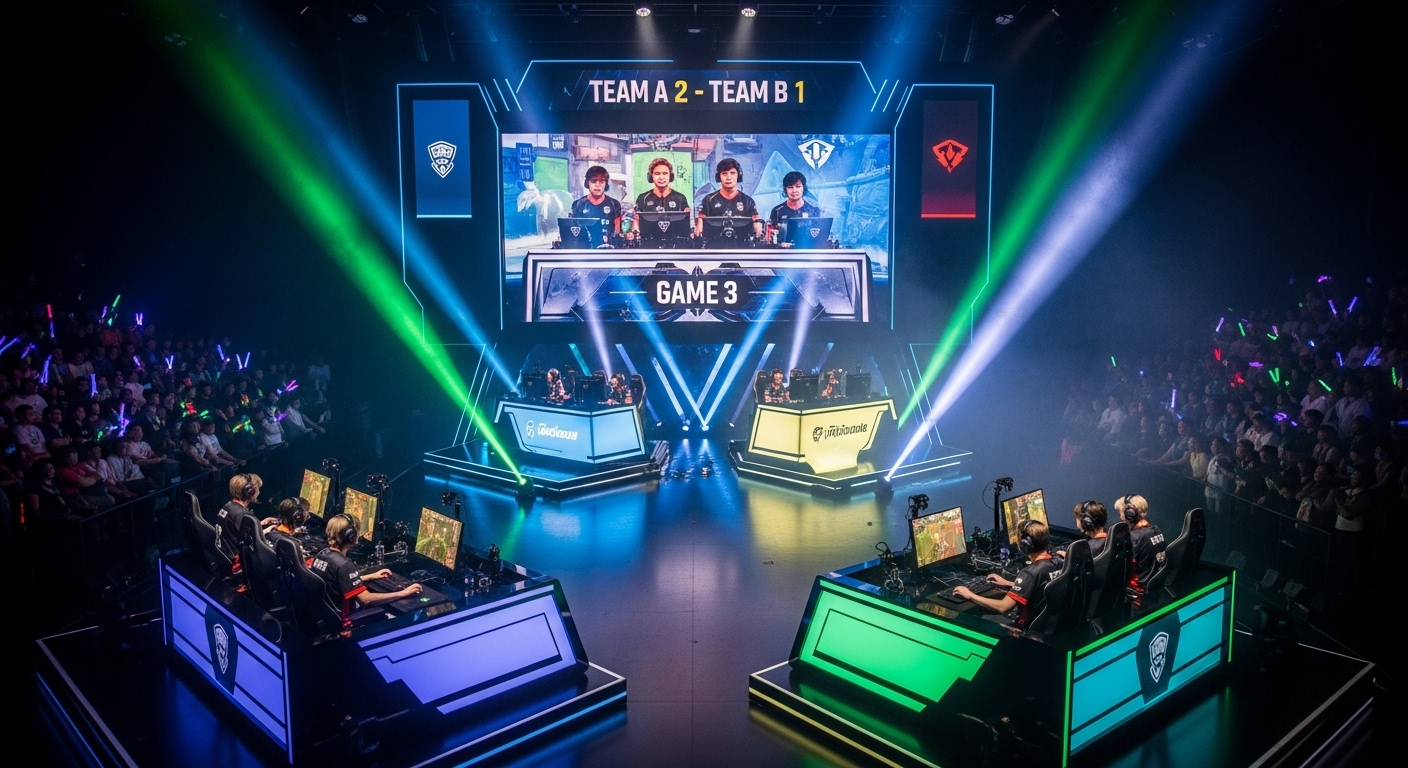
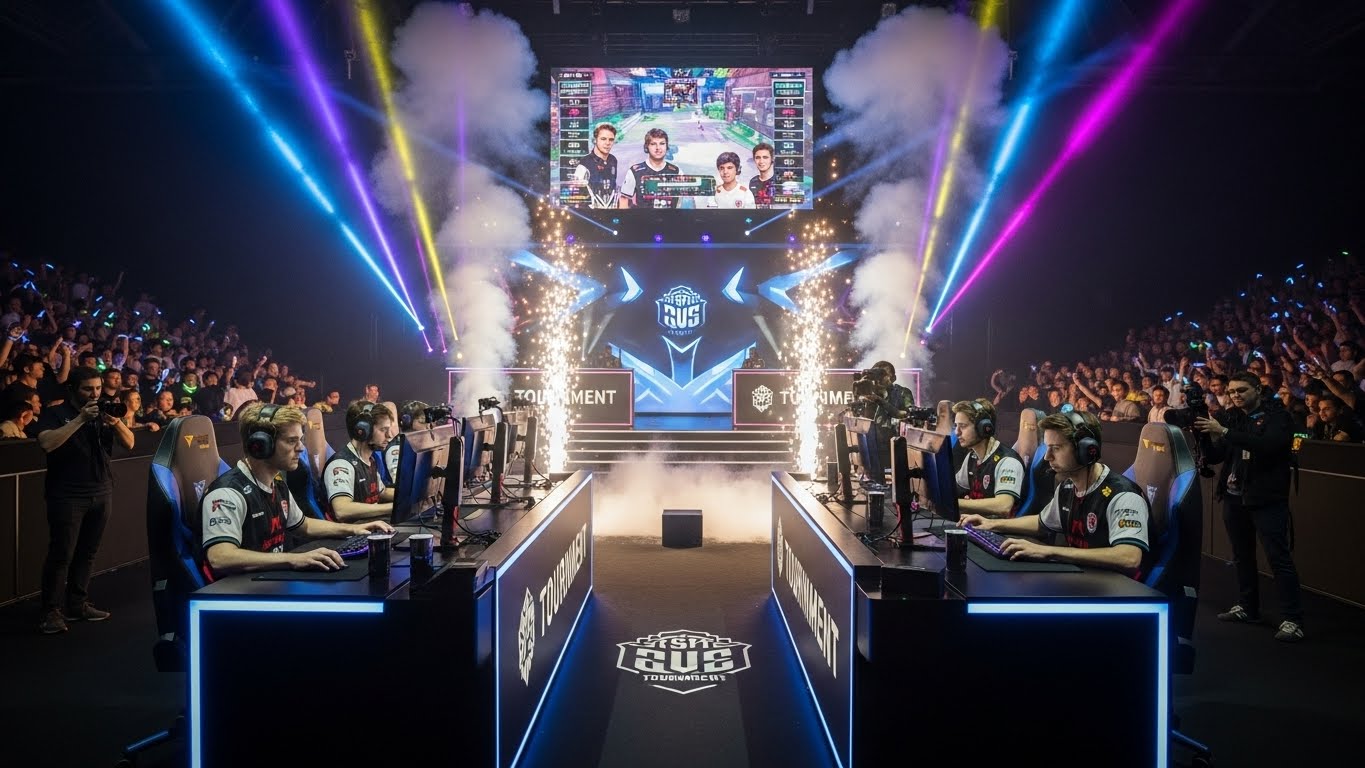
Esports, short for electronic sports, refers to competitive video gaming where individuals or teams compete against each other in organized tournaments or leagues. Unlike traditional sports, which often require physical skill and athleticism, esports is a mental and strategic competition that relies heavily on reflexes, coordination, and teamwork. The games played in esports tournaments range from real-time strategy games to first-person shooters, battle royales, and multiplayer online battle arena (MOBA) games.
While esports has existed in some form for decades, it was the rapid advancement of technology, high-speed internet, and live streaming platforms that truly helped esports reach its current level of popularity. Players can now compete against one another from anywhere in the world, and fans can watch tournaments and events in real-time from the comfort of their homes. The ability to broadcast live tournaments and offer interactive features like chat, donations, and fan engagement has taken esports to a level previously unseen in traditional sports.
2. The Growing Popularity of Esports
Esports has seen explosive growth in the past decade, with millions of fans tuning in to watch professional competitions. According to various reports, the global esports audience is expected to surpass 500 million by the year 2026, making it one of the fastest-growing segments of the entertainment industry. The popularity of esports is particularly strong among younger audiences, with Generation Z and Millennials forming the core demographic of both players and viewers.
A key factor driving this popularity is the accessibility of esports. Unlike traditional sports, which require physical infrastructure like stadiums and teams, esports can be played and watched from virtually anywhere. All you need is a gaming console or a PC, an internet connection, and the right game. This level of accessibility has helped esports to appeal to a wide range of people from diverse backgrounds and locations.
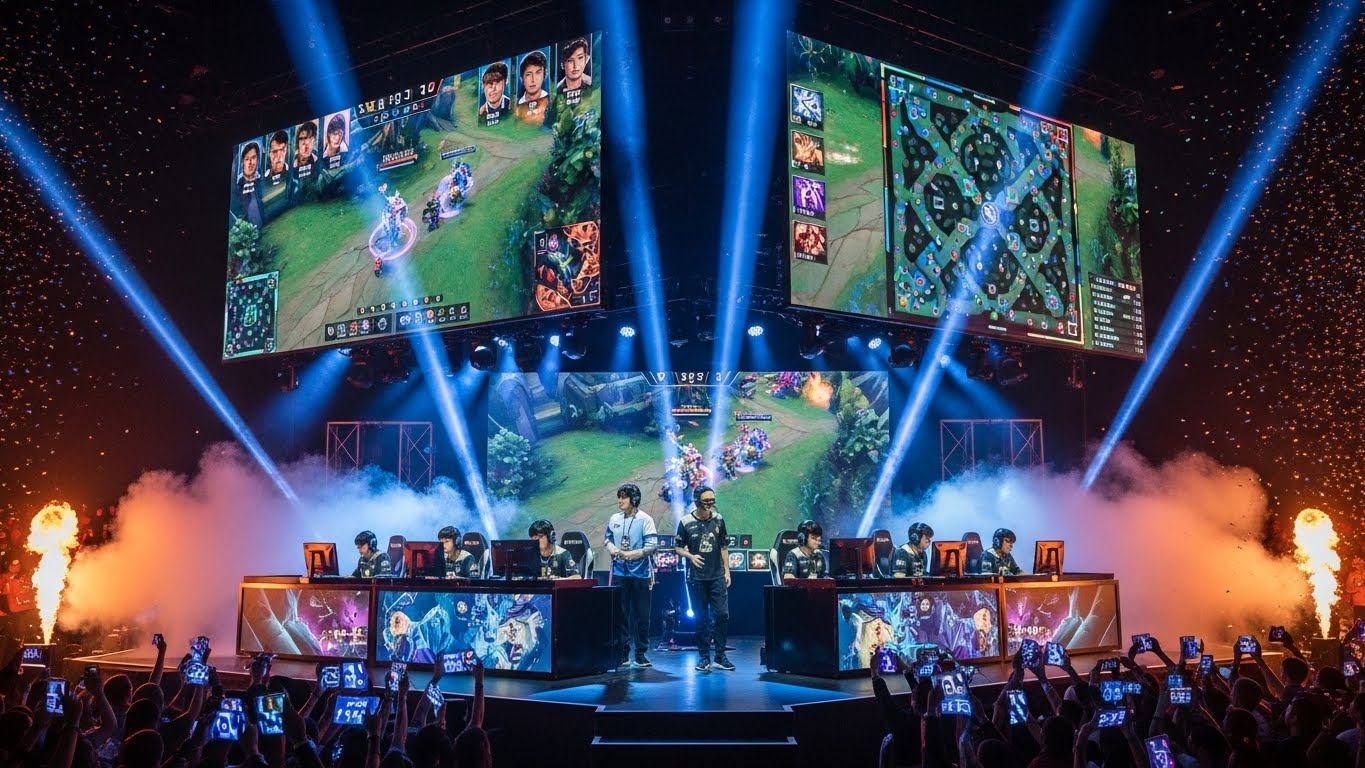
Moreover, esports’ digital nature allows for a truly global audience. Fans can watch tournaments in real-time, regardless of time zone or location, creating a more inclusive environment. Major events like “The International” (Dota 2’s annual championship), “League of Legends World Championship,” and “Fortnite World Cup” attract millions of viewers, rivaling even traditional sports events like the Super Bowl or the FIFA World Cup in terms of viewership.
3. The Rise of Esports Organizations and Sponsorships
Esports isn’t just about players; it’s also a massive business ecosystem. As the industry has grown, so too have the organizations that support it. Esports teams, managers, coaches, analysts, and broadcasters have become key figures in this world, creating a network of professionals dedicated to the sport. Esports organizations, much like traditional sports teams, recruit players, manage their schedules, and represent them in various tournaments.
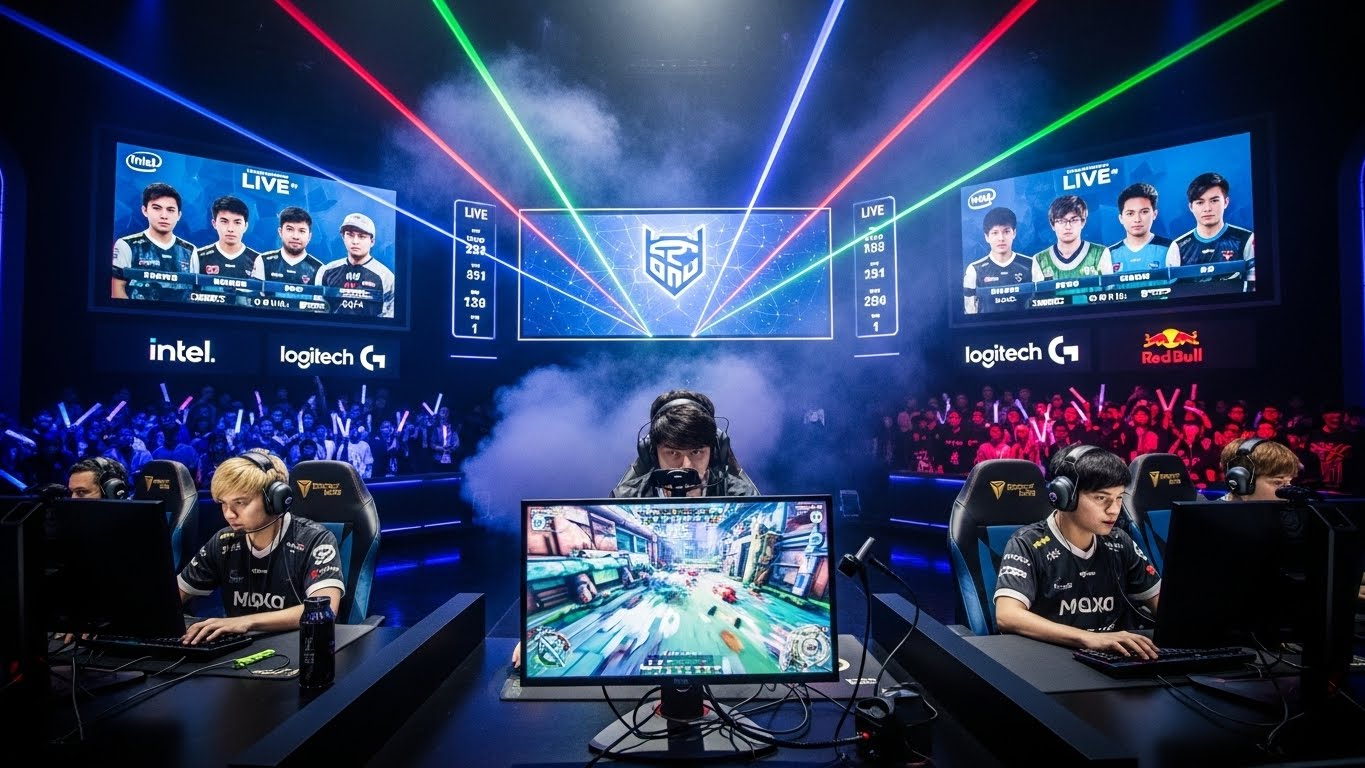
One of the most notable aspects of esports is its ability to attract sponsorships and investments from some of the biggest brands in the world. Major companies like Coca-Cola, Intel, and Red Bull have invested heavily in esports, sponsoring events, tournaments, and teams. These partnerships are indicative of how the gaming industry is seen as an untapped market for global brands looking to engage with young, tech-savvy audiences.
Moreover, esports organizations have expanded into multiple business models, including merchandise sales, content creation, and exclusive streaming deals. Some teams have even branched out into real estate, opening dedicated training facilities or gaming houses where players can live and practice full-time. This expansion has created job opportunities not only for professional players but also for content creators, analysts, event organizers, and streamers.
4. Esports in the Mainstream: From Tournaments to Streaming Platforms
One of the driving forces behind the rise of esports is the success of live-streaming platforms, particularly Twitch and YouTube Gaming. These platforms have allowed both professional players and casual streamers to build large followings and generate revenue through ads, subscriptions, and donations. Twitch, in particular, has become the de facto platform for esports broadcasting, with millions of viewers tuning in to watch their favorite players and teams compete.
The rise of streaming has also made esports more interactive. Fans can communicate with their favorite players and streamers in real-time, sending messages, cheering, or donating money during live streams. This direct fan-player interaction is something that traditional sports cannot replicate, making esports a more personal and immersive experience for viewers.
Beyond streaming platforms, esports is also gaining traction in traditional media. Cable networks like ESPN have started to air esports tournaments, and the 2024 Summer Olympics is considering adding esports as an official event. This represents a huge shift in the way society views competitive gaming—not as a niche hobby, but as a legitimate form of sport and entertainment.
5. The Role of Esports in Education and Career Opportunities
One of the most fascinating developments in esports is its growing integration into educational institutions. High schools and universities are increasingly offering esports programs, with some schools even establishing competitive teams and providing scholarships to top players. This has created a clear pathway for talented gamers to pursue a career in esports, either as professional players or in related fields like coaching, broadcasting, and content creation.
Esports education programs focus on developing both technical skills, such as gaming mechanics and strategies, and soft skills, such as teamwork, communication, and leadership. These programs are designed to help students transition from amateur gamers to professional players while also providing them with a well-rounded education.
For many young people, esports offers a new career option that was previously unavailable in traditional sports. Esports athletes can earn a living through tournament prizes, sponsorship deals, streaming revenue, and even coaching or commentary. This creates an ecosystem where young gamers can pursue their passion for gaming and turn it into a full-time career.
6. The Future of Esports: Technology and Innovation
The future of esports looks bright, with several technological innovations on the horizon that could further revolutionize the industry. One area where esports is already experiencing significant changes is in virtual reality (VR) and augmented reality (AR). While VR gaming is still in its early stages, the immersive nature of VR could offer a completely new way to experience esports, allowing players to compete in virtual environments and offering fans a new level of engagement.
Another major development is the potential for artificial intelligence (AI) to play a role in esports. AI could be used to help analyze gameplay, predict outcomes, and even assist in coaching. With AI tools that can track in-game metrics, esports teams could develop new strategies and optimize their performance, providing a technological edge over their competitors.
Additionally, the rise of blockchain technology could help streamline the way esports tournaments are organized, ensuring transparency and fairness in prize distribution. Blockchain could also be used to create unique in-game assets, allowing players to own and trade digital items like skins and equipment.
As esports continues to evolve, it is likely that we will see more innovations that make the sport more immersive, engaging, and accessible to a global audience.
7. Challenges and Controversies in Esports
Despite its rapid growth, esports still faces several challenges that need to be addressed for the industry to continue its upward trajectory. One major issue is the lack of regulation, which has led to concerns about player health, fair play, and gambling. Unlike traditional sports, where governing bodies enforce rules and regulations, esports is often fragmented, with different tournaments and organizations having their own set of rules.
Player health is another significant issue. Competitive gaming requires long hours of practice, which can lead to physical strain, including repetitive stress injuries, eye strain, and poor posture. Mental health is also a concern, with players often dealing with the pressures of competition, high expectations, and online harassment. As the industry matures, there will need to be more attention given to the well-being of esports athletes.
Lastly, cheating and match-fixing remain persistent problems in esports. With the rise of online betting and gambling in esports, some individuals may attempt to manipulate outcomes for financial gain. It will be important for the industry to implement stronger anti-cheating measures and more effective ways of preventing match-fixing.
Conclusion: Esports as the Future of Entertainment
Esports is no longer just a niche interest—it’s a global phenomenon that is reshaping the world of entertainment. With millions of players, fans, and viewers around the world, esports has become a major force in both the gaming industry and the broader entertainment landscape. From professional teams and sponsorships to streaming platforms and educational opportunities, esports offers something for everyone.
As technology continues to advance, the future of esports looks even more promising, with new innovations in VR, AI, and blockchain set to further transform the industry. While challenges like player health and regulation remain, the growth of esports is a testament to the potential of competitive gaming to become a mainstream form of entertainment. Whether you’re a player, a fan, or an investor, one thing is clear: esports is here to stay, and its impact on the world of entertainment is only just beginning.