What is Esports and Why It Matters
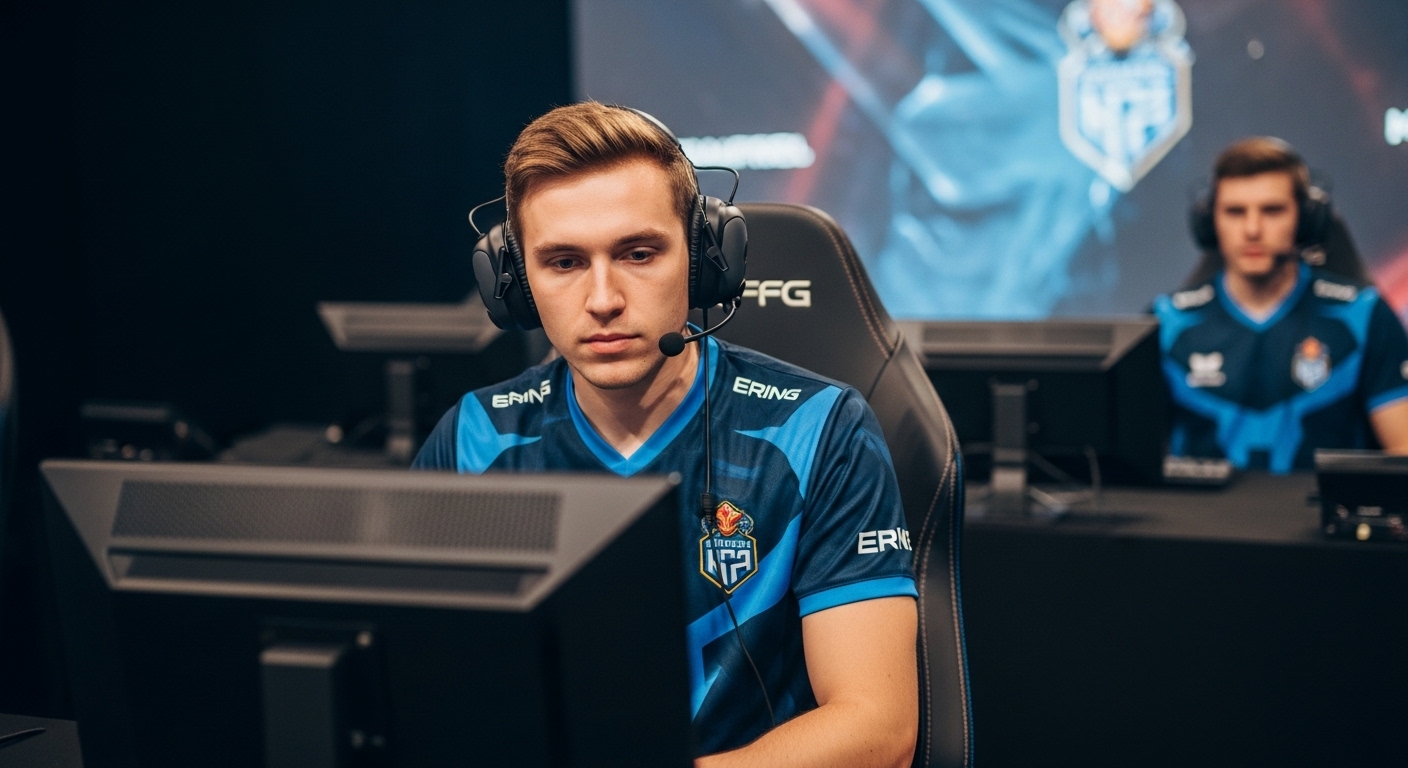
Esports, short for electronic sports, is the organized, competitive form of video gaming that has evolved into a global phenomenon. Unlike casual gaming, esports involves structured tournaments, professional players, and teams competing for prestige, prizes, and recognition. Players dedicate years to honing their skills, mastering strategies, and maintaining peak performance, both mentally and physically.
The importance of esports extends beyond entertainment. It has redefined how people engage with technology, social interaction, and professional careers. With millions of viewers worldwide, esports has become a cultural force that impacts education, lifestyle, and media. It is no longer a hobby; it is a professional arena with rules, structure, and global reach.
The History of Competitive Gaming
The journey of esports can be traced back to the 1970s. One of the earliest recorded video game competitions took place at Stanford University, where students competed in a simple space combat game. By the 1980s, arcade games like Pac-Man and Donkey Kong inspired local tournaments and competitive rankings, planting the seeds for future organized competitions.
The late 1990s and early 2000s marked the beginning of modern esports. With the rise of personal computers and internet connectivity, games such as StarCraft, Counter-Strike, and Warcraft III became international sensations. South Korea led the charge, creating professional gaming leagues, televised competitions, and specialized gaming centers known as PC bangs. These developments established esports as a serious and organized pursuit, setting the stage for its global expansion.
The Role of Technology and Streaming
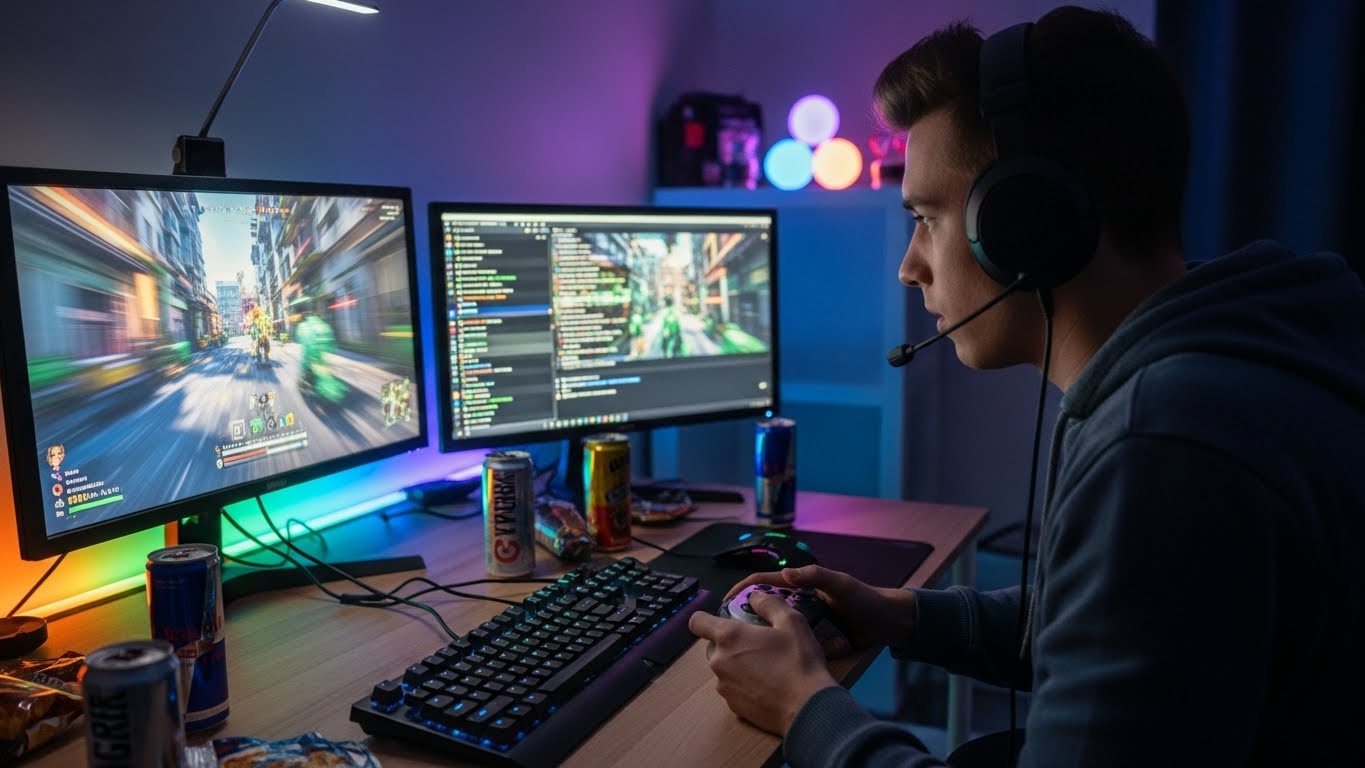
The growth of esports is closely tied to advances in technology. High-speed internet and streaming platforms such as Twitch and YouTube have transformed the way audiences engage with competitive gaming. Fans can watch live tournaments, analyze gameplay, and interact with players in real-time, creating a dynamic and participatory viewing experience.
Streaming has also changed the nature of fame in esports. Talented players can gain recognition and sponsorships without needing traditional media exposure. The relationship between players and fans is direct and interactive, allowing communities to form around shared passions. This level of engagement has fueled the cultural significance of esports, turning it into a lifestyle and a social experience.
Professional Careers in Esports
Esports is now a viable professional career. Top-tier players spend ten to twelve hours daily practicing, analyzing game mechanics, studying opponents, and maintaining physical and mental fitness. Success in esports requires more than quick reflexes; it demands teamwork, strategy, and psychological resilience.
Professional esports teams operate much like traditional sports organizations. They employ coaches, analysts, and managers to optimize performance. Players compete in regional and international tournaments with prize pools often reaching millions of dollars. Beyond playing, opportunities exist in commentary, event management, content creation, marketing, and coaching, making esports a multifaceted industry with diverse career paths.
Esports as a Global Phenomenon
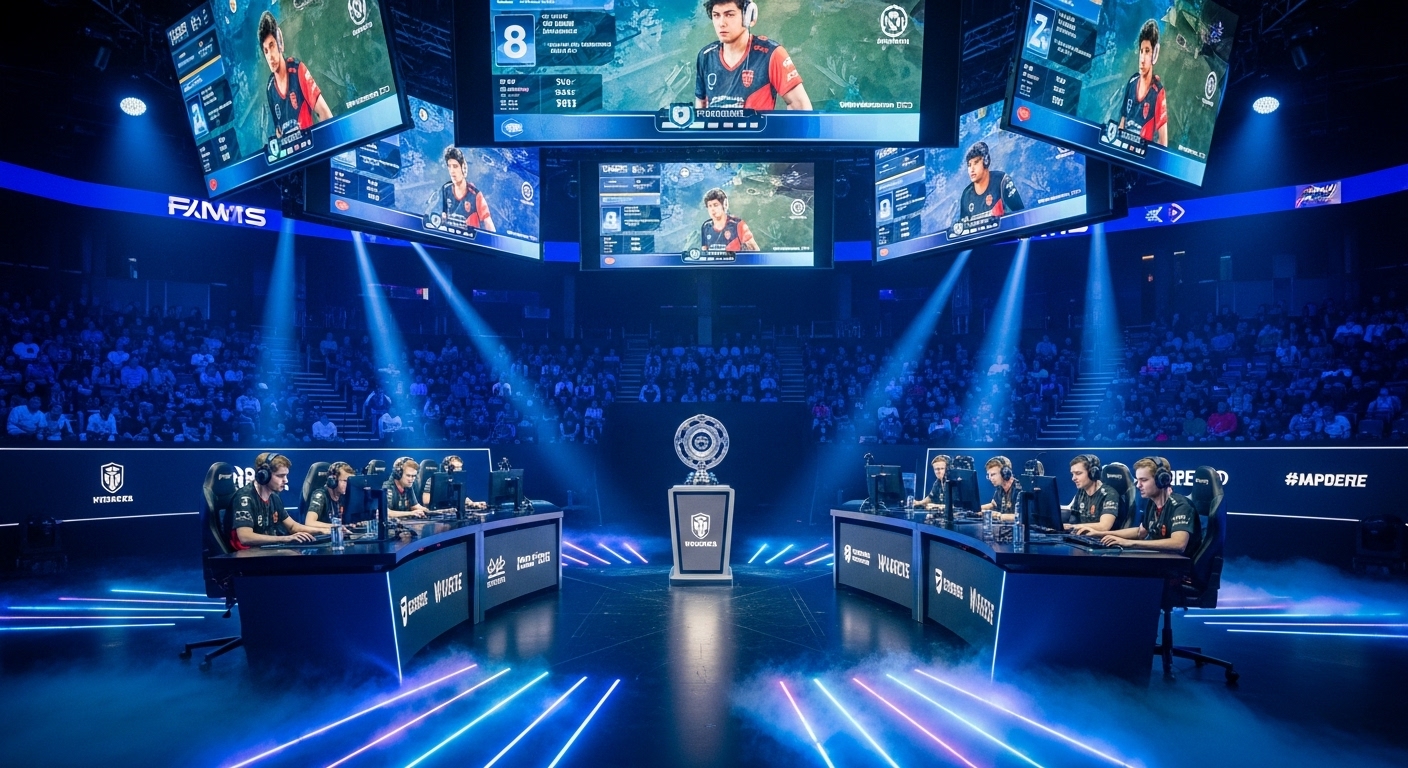
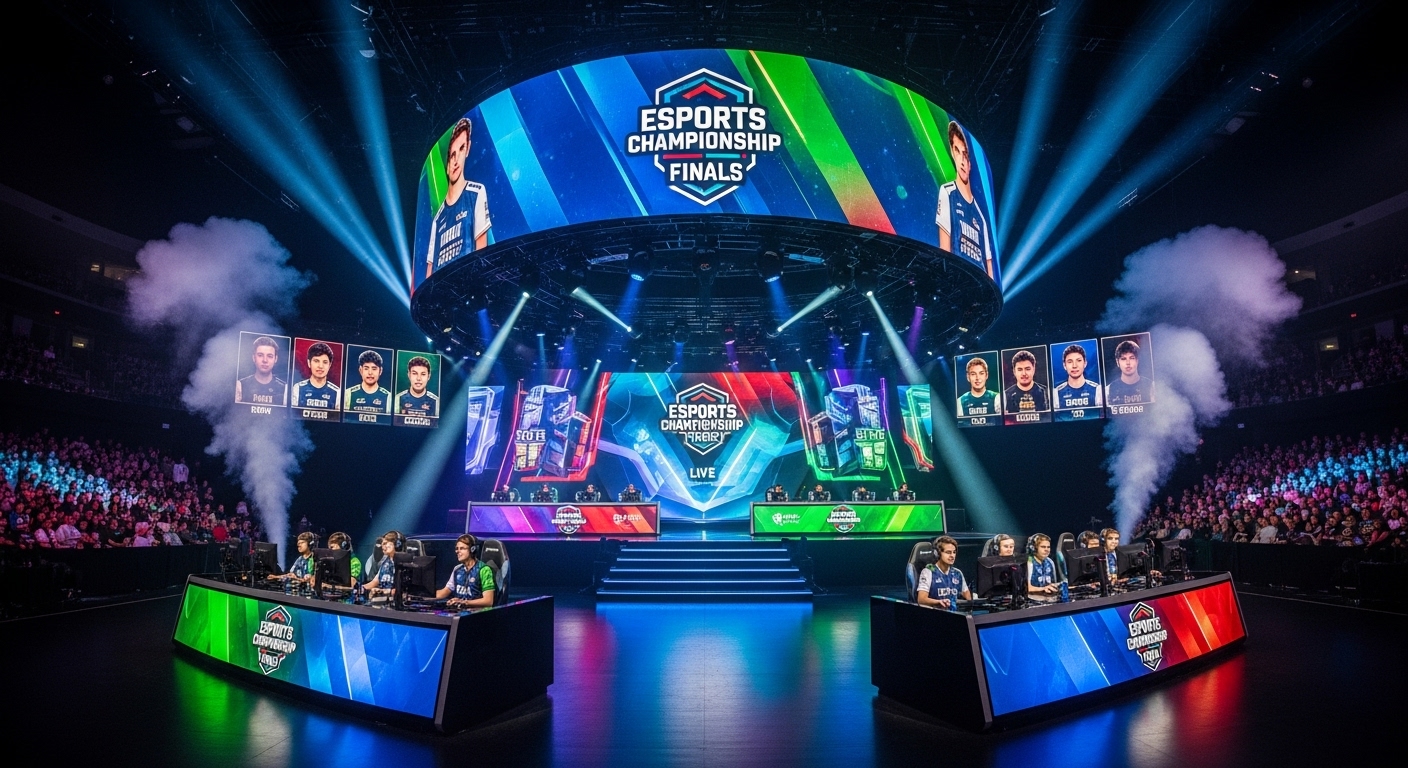
Esports has grown into a worldwide phenomenon, attracting millions of viewers from all continents. Major tournaments such as the League of Legends World Championship, The International for Dota 2, and the Valorant Champions Tour showcase top-level competition in front of global audiences. Cities like Seoul, Los Angeles, Berlin, and Shanghai have become hubs for esports events, rivaling traditional sports finals in scale and production.
What makes esports unique is its accessibility. Unlike traditional sports that require physical facilities or equipment, anyone with a computer or gaming console can participate. This inclusivity has helped esports unite diverse communities, breaking cultural and geographic barriers while creating a shared global experience.
Cultural Influence of Esports
Esports has extended its influence far beyond gaming. Fashion, music, and lifestyle trends have been shaped by competitive gaming culture. From branded apparel and themed cafes to digital concerts and merchandise, esports has left an imprint on mainstream culture.
The fan culture surrounding esports is also notable. Fans engage with players through social media, create fan art, memes, and commentary, and participate in community events. This interactive culture has helped esports develop into a social experience rather than a purely competitive one. The shared passion for games has turned esports into a cultural movement, influencing how people express themselves and connect with others globally.
Education and Esports Opportunities
Esports is gaining recognition in the educational sector. Universities and colleges now offer scholarships to talented players, similar to traditional sports programs. Academic courses in game design, broadcasting, esports management, and digital marketing prepare students for careers in the rapidly expanding industry.
Competitive gaming in educational settings promotes teamwork, leadership, communication, and problem-solving skills. Many schools and institutions now host esports clubs and leagues, offering students a structured environment to develop their talents. This integration of esports into education reinforces its legitimacy as a professional and developmental pursuit.
Physical and Mental Demands
Professional esports players face significant physical and mental challenges. Long hours of practice require endurance, hand-eye coordination, and precision. Players must maintain mental focus, handle pressure, and adapt quickly to dynamic game environments.
Mental health is an essential aspect of sustaining a career in esports. Stress, burnout, and online harassment are real risks for professional players. Teams and organizations increasingly provide support through fitness programs, psychological counseling, and structured schedules, ensuring that players can perform at their best while maintaining well-being.
Economic Significance of Esports
Esports has become a major economic force. Revenue is generated through sponsorships, advertising, media rights, merchandise, and ticket sales. The industry also benefits from digital content monetization, in-game purchases, and branded collaborations. Major global brands recognize the value of engaging with esports audiences, which are predominantly young, tech-savvy, and highly engaged.
Hosting esports tournaments also has local economic benefits. International events bring tourism, create jobs, and stimulate infrastructure development. Cities embracing esports gain recognition as innovation and entertainment hubs, attracting talent and investment. The economic impact of esports extends far beyond gaming itself, influencing media, technology, and entertainment sectors globally.
Challenges Facing the Industry
Despite its rapid growth, esports faces challenges that could affect its long-term sustainability. Player burnout and mental stress are persistent concerns due to intense training schedules. Maintaining fair play is another challenge, as cheating, match-fixing, and unethical practices threaten the integrity of competitions.
Diversity and inclusivity are areas that require attention. Women and underrepresented groups remain marginalized in professional esports. However, initiatives such as women’s leagues, mentorship programs, and community outreach are gradually creating a more inclusive environment. Addressing these challenges is essential for the continued growth and credibility of esports worldwide.
The Future of Esports
The future of esports is promising and full of potential. Emerging technologies like virtual reality, augmented reality, and artificial intelligence will create new forms of immersive competition and viewing experiences. Fans may soon feel as though they are inside the game itself, interacting with players and the environment in ways never before possible.
Esports is also likely to gain more recognition in traditional sporting events, with national teams representing their countries and tournaments becoming integrated into multi-sport competitions. The continued rise of esports reflects a cultural shift, where digital entertainment, community engagement, and professional competition converge to create a new form of global sport.
Conclusion: Esports as a Transformative Force
Esports has evolved from humble beginnings in arcades and university labs to a global industry shaping culture, entertainment, and technology. It represents skill, strategy, passion, and resilience. Players, fans, and organizations alike contribute to an ecosystem that celebrates creativity and competition.
The influence of esports extends into fashion, education, economics, and lifestyle, proving that gaming is more than a hobby. It is a professional pursuit, a cultural phenomenon, and a force that demonstrates the potential of technology and human creativity. Esports is not just a trend; it is the future of entertainment and competition, connecting millions of people across the world through a shared passion for digital excellence.