The Rise of Esports: Gaming as a Global Phenomenon
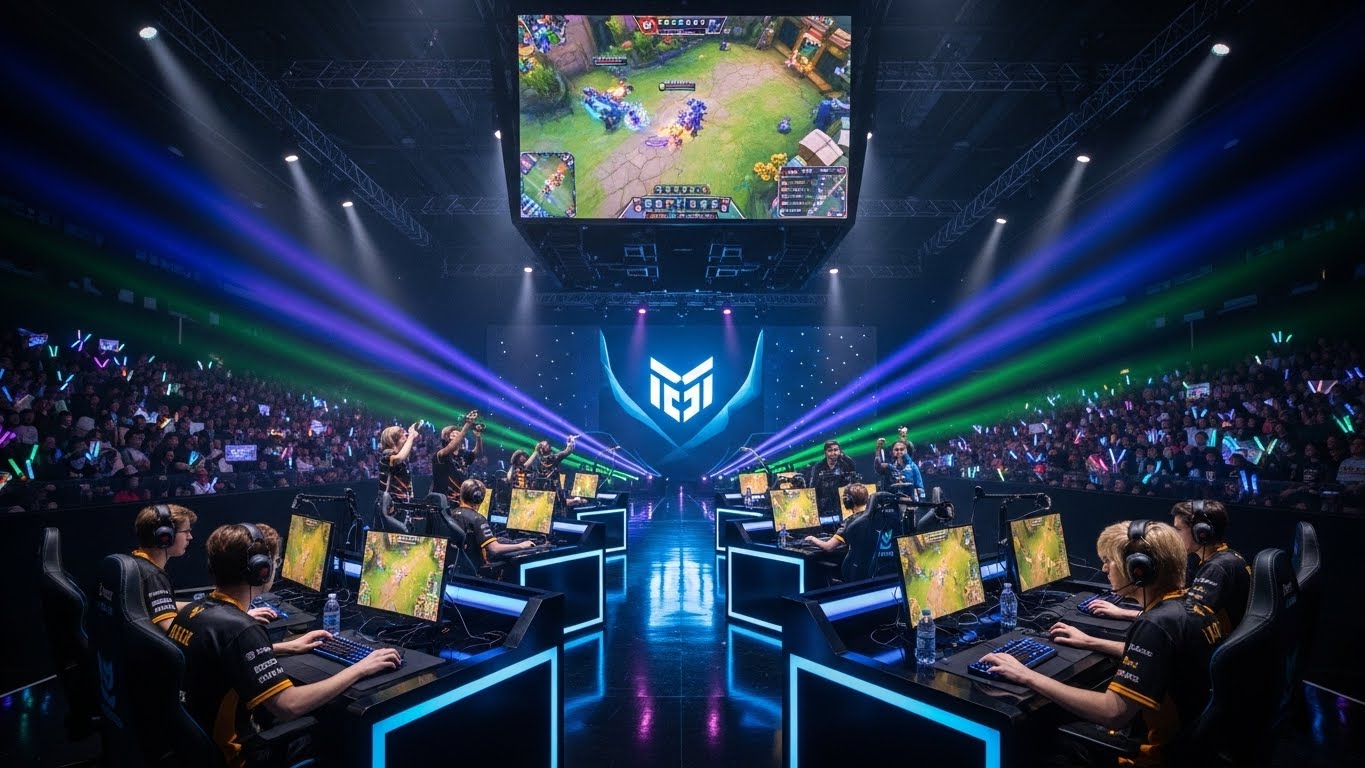
Esports, short for electronic sports, has rapidly transformed from a niche hobby into a global phenomenon attracting millions of viewers and participants. Once seen as a pastime limited to living rooms and small LAN parties, esports has evolved into a professional industry with players, teams, leagues, and massive prize pools. The growth of technology, online streaming, and competitive gaming has helped esports carve a unique space in the entertainment industry. Today, it rivals traditional sports in terms of viewership, sponsorship deals, and fan engagement, making it an undeniable force in the modern world.
Origins and Early Development
The roots of esports can be traced back to the late 1970s and early 1980s, when arcade competitions and video game tournaments began to emerge. Games like Space Invaders and Pac-Man sparked competitive events where high scores were celebrated, and players were recognized for their skill. The concept of gaming competitions became more formalized in the 1980s with the advent of games like Donkey Kong, where players competed for leaderboard supremacy.
The 1990s saw a significant evolution with the rise of PC gaming and the introduction of networked play. Games such as Quake, StarCraft, and Counter-Strike became the foundation for organized competitions. This era marked the beginning of professional gaming, with teams forming and tournaments offering cash prizes, although modest compared to today’s standards. Online forums and early streaming platforms helped foster communities, allowing players from different regions to connect and compete.
The Evolution of Competitive Gaming
As the internet became more widespread in the early 2000s, competitive gaming transformed into a truly global activity. The proliferation of broadband connections enabled online multiplayer games to flourish, allowing esports to transcend local communities. Games like Warcraft III, Counter-Strike 1.6, and World of Warcraft became staples of competitive circuits.
The mid-2000s saw the emergence of large-scale tournaments with professional players, such as the World Cyber Games and the Electronic Sports World Cup. These events introduced standardized rules, official rankings, and international competition, further legitimizing esports as a professional pursuit. The rise of streaming platforms like Twitch in the late 2000s and early 2010s provided a major boost, allowing fans to watch live matches from anywhere in the world, turning esports into a spectator sport on par with traditional athletics.
Popular Esports Titles
One of the driving forces behind the esports boom is the diversity of games catering to different types of players and audiences. Multiplayer Online Battle Arena (MOBA) games like League of Legends and Dota 2 have achieved immense popularity, offering complex gameplay that rewards teamwork, strategy, and quick thinking. These games have become cornerstones of international tournaments, attracting millions of viewers and multi-million-dollar prize pools.
First-person shooters (FPS) such as Counter-Strike: Global Offensive, Call of Duty, and Overwatch emphasize precision, reflexes, and tactical awareness. These games have spawned leagues and franchises with professional teams, much like traditional sports franchises. Fighting games, including Street Fighter, Tekken, and Super Smash Bros., focus on individual skill and reaction time, cultivating dedicated communities and high-level competitions. Sports simulation games, including FIFA and NBA 2K, bridge the gap between digital and traditional sports, appealing to fans of both mediums.
Esports as a Career
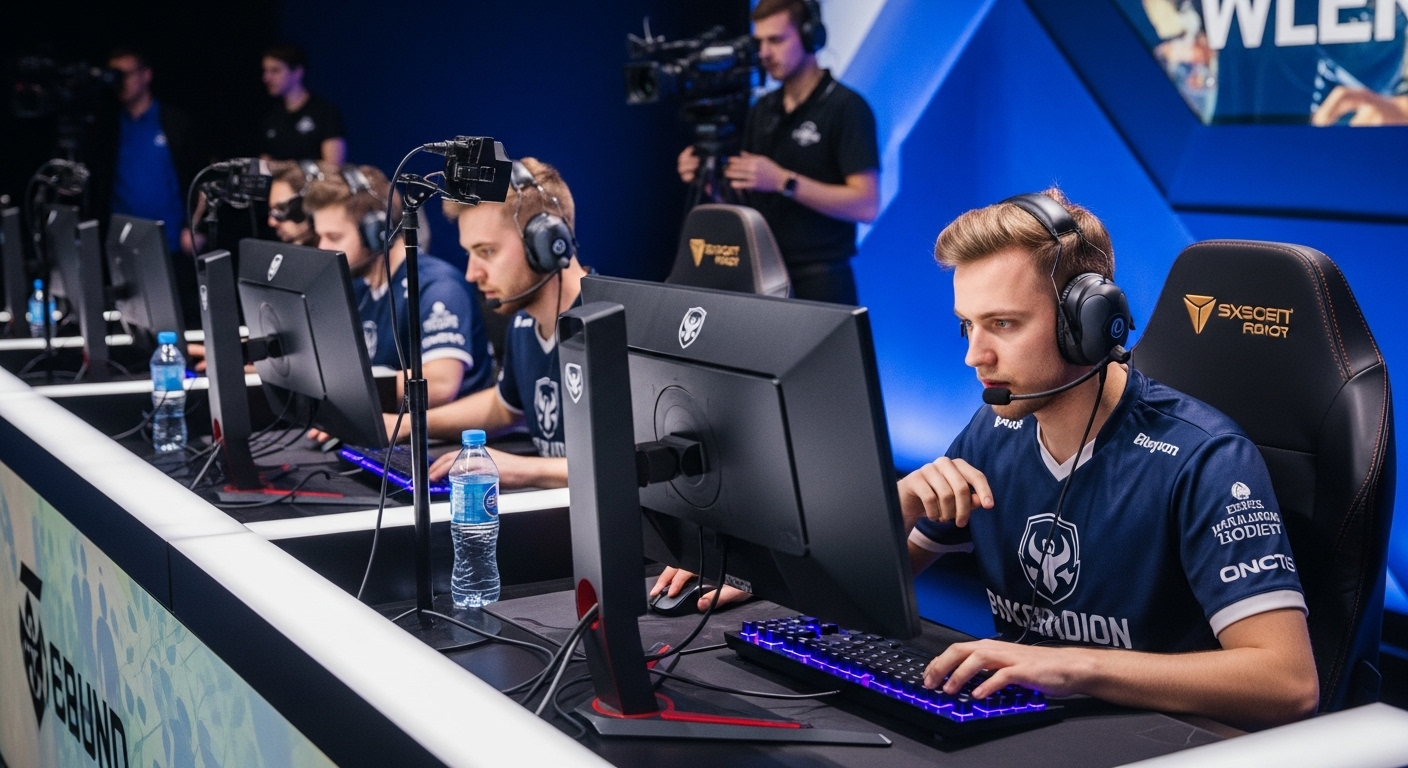
Professional esports offers diverse career opportunities beyond just playing competitively. While players form the core of the industry, there are roles in coaching, management, content creation, broadcasting, and marketing. The rise of esports academies and training programs provides aspiring players with structured environments to develop their skills, mirroring traditional sports training systems.
The financial rewards for professional esports players can be substantial. Top players earn salaries from their teams, supplemented by winnings from tournaments and sponsorship deals. For example, elite players in Dota 2 and League of Legends can earn millions over their careers. Beyond players, commentators, analysts, and content creators contribute to the industry’s growth, offering engaging content that attracts viewers and sponsors alike.
The Business of Esports
Esports is not just about games; it’s a thriving business ecosystem. Sponsorships, advertising, merchandise, and media rights are major revenue streams. Brands are eager to tap into the esports audience, which is younger, tech-savvy, and highly engaged. Companies from gaming hardware to fashion and energy drinks have invested heavily in esports, creating mutually beneficial partnerships that drive growth.
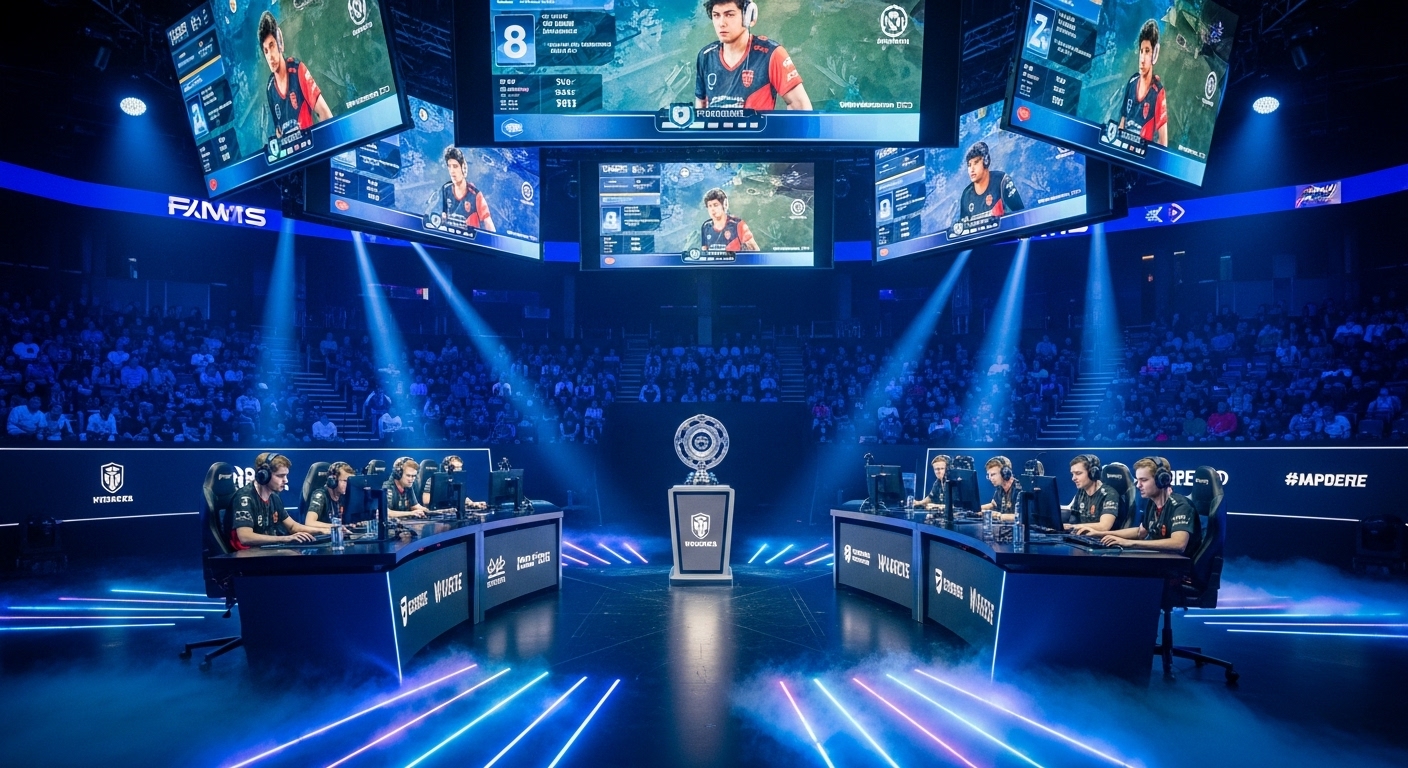
Tournament organizers, leagues, and streaming platforms generate revenue through ticket sales, advertising, and digital subscriptions. The esports market has seen exponential growth in recent years, with investments pouring in from traditional sports organizations, venture capitalists, and media companies. Cities around the world have even built dedicated esports arenas, reflecting the growing recognition of esports as a mainstream entertainment option.
Global Impact and Cultural Significance
Esports has a significant cultural impact, shaping how young people interact, socialize, and consume media. Online communities form around shared gaming interests, creating global networks that transcend language, culture, and geography. Esports events often draw massive live audiences, rivaling traditional sports in terms of excitement and fan engagement.
The cultural influence of esports extends beyond the gaming community. Music, fashion, and mainstream media frequently reference esports and gaming culture. Major brands sponsor esports tournaments, and celebrities participate in charity gaming events, further bridging the gap between digital competition and popular culture. Esports has also been recognized by educational institutions, with scholarships offered to skilled players, acknowledging the legitimacy of competitive gaming as a viable pursuit.
Challenges Facing Esports
Despite its rapid growth, esports faces several challenges. Player burnout and mental health concerns are prevalent, as professional gamers often train for long hours under high-pressure conditions. The industry must address these issues to ensure the sustainability and well-being of its players.
Another challenge is the lack of standardization and regulation. While some leagues have implemented rules and codes of conduct, the global nature of esports makes it difficult to establish universal standards. Issues such as cheating, doping, and match-fixing pose ongoing threats to credibility.
Furthermore, the perception of esports as a legitimate career path still varies across cultures and generations. While acceptance is growing, many parents and institutions remain skeptical about the viability of professional gaming, especially in regions where traditional sports dominate.
The Future of Esports
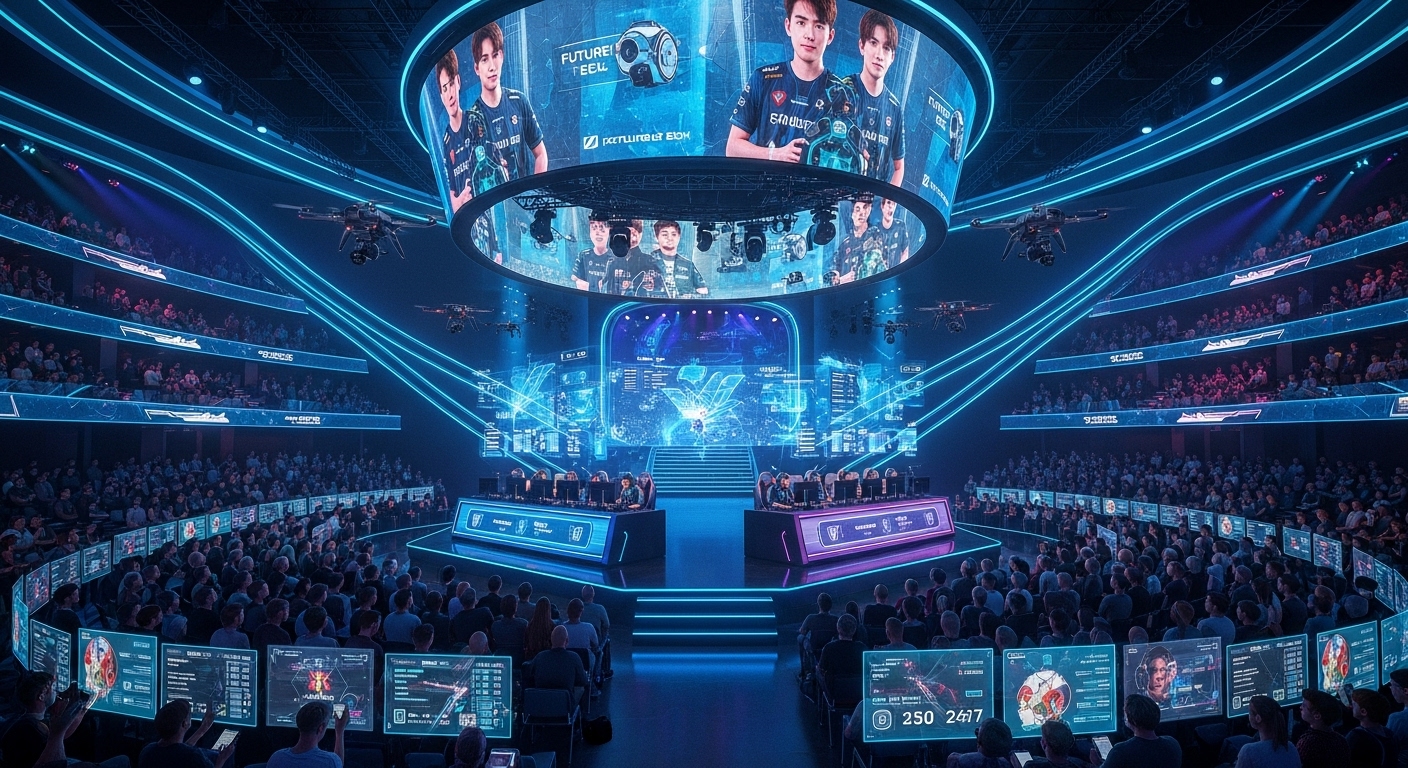
The future of esports looks promising, with technological advancements and growing mainstream acceptance fueling continued growth. Virtual reality (VR) and augmented reality (AR) are poised to introduce new forms of immersive competition, transforming the way players and audiences experience esports. Artificial intelligence and machine learning could also enhance training, analysis, and game design, further elevating the level of competition.
Esports may continue to integrate with traditional sports, creating hybrid experiences that combine physical athleticism with digital skill. Colleges and universities are expanding esports programs, offering scholarships, and establishing dedicated facilities, signaling institutional recognition and support. International collaboration and cross-cultural competitions will likely become more common, emphasizing esports’ global appeal and unifying power.
Conclusion
Esports has come a long way from its humble beginnings in arcade halls to becoming a global entertainment powerhouse. Its impact extends beyond gaming, influencing culture, business, and technology in profound ways. As the industry continues to evolve, it promises new opportunities for players, creators, and fans alike. The rise of esports reflects a broader shift in how society views competition, entertainment, and digital interaction. What was once considered a pastime has transformed into a professional, cultural, and economic force, proving that esports is more than just a game—it is a movement shaping the future of entertainment.