Introduction: The Evolution of Gaming into a Global Phenomenon
Esports has transformed from a casual hobby into a global industry, capturing the imagination of millions. What once was considered merely recreational gaming has now become a legitimate form of competition, entertainment, and even career development. From small gatherings in internet cafes to multi-million-dollar international tournaments, esports demonstrates the power of digital platforms to create new cultural and economic landscapes. This blog explores the journey of esports, its impact on society, and its potential for the future.
The Origins of Esports: From Arcades to Online Arenas
Competitive gaming has roots going back to the 1970s and 1980s when arcade games attracted players aiming to set high scores. Early competitions were informal and localized, often held in gaming arcades or at college campuses. The evolution accelerated with the rise of personal computers and the internet in the 1990s. Online multiplayer games allowed players to compete across continents, creating communities and rivalries that laid the foundation for modern esports.
The first professional tournaments began to emerge with prize pools that, although modest by today’s standards, signaled the potential of competitive gaming as an industry. These events demonstrated that gaming could be more than a pastime; it could be a serious competitive pursuit.
Defining Modern Esports
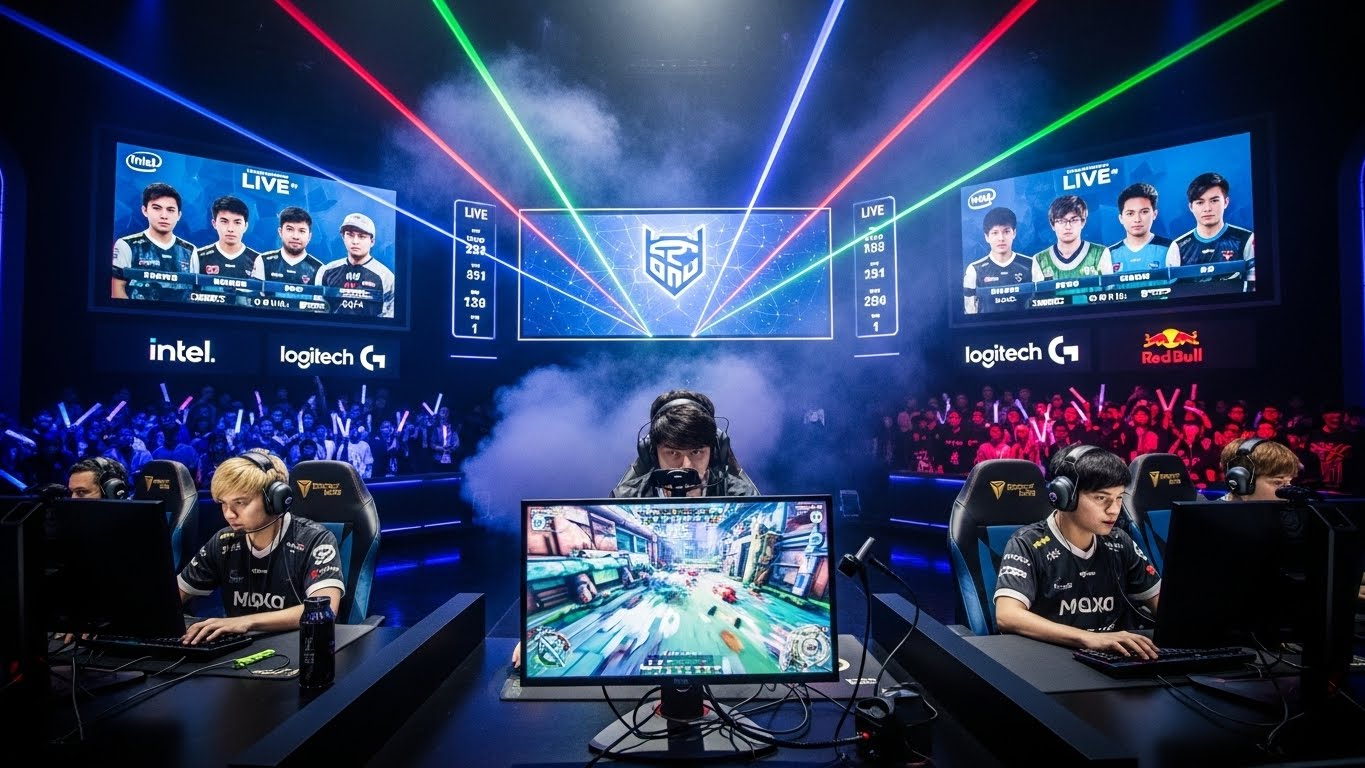
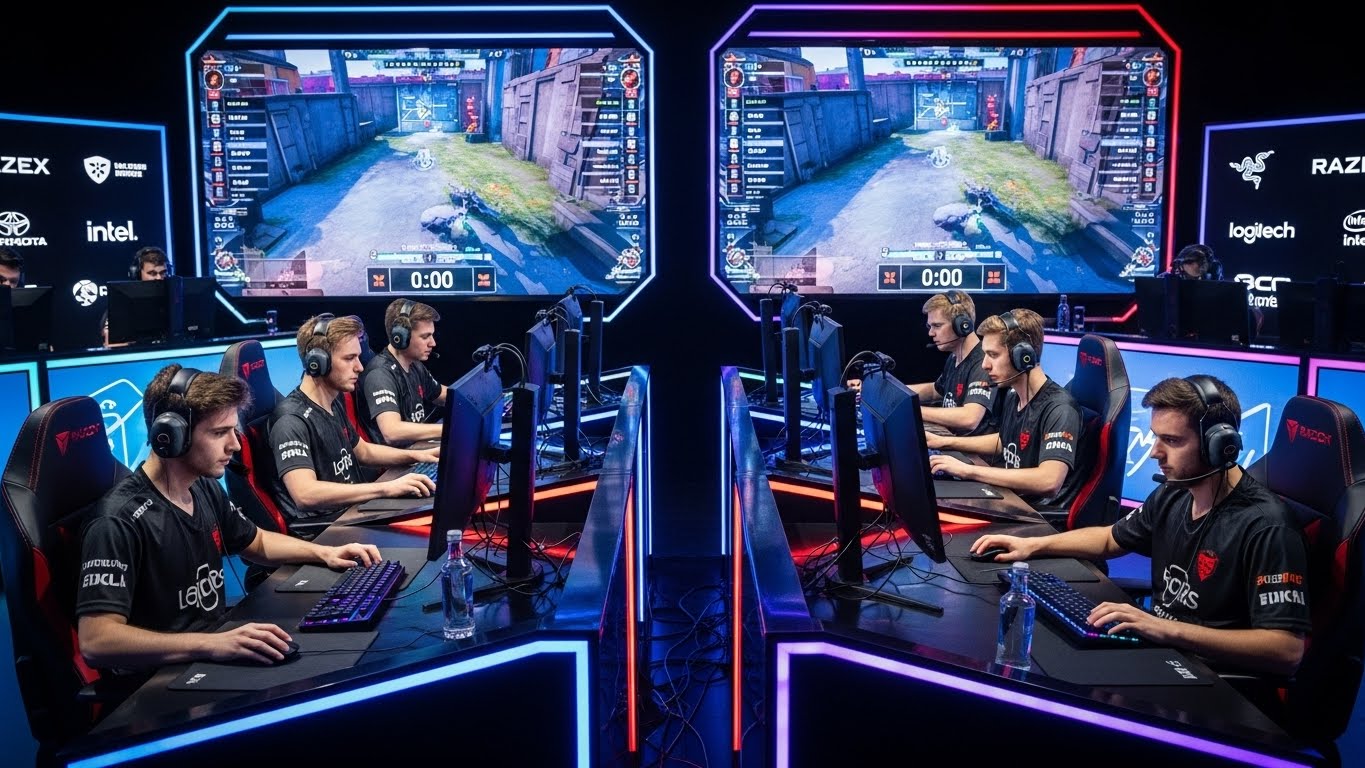
Modern esports is characterized by its professional structure, strategic depth, and organized competition. Professional players belong to teams managed like traditional sports franchises, complete with coaches, analysts, and rigorous training schedules. Competitions now include global leagues, regional tournaments, and world championships, with games ranging from strategy and first-person shooters to sports simulations and multiplayer battle arenas.
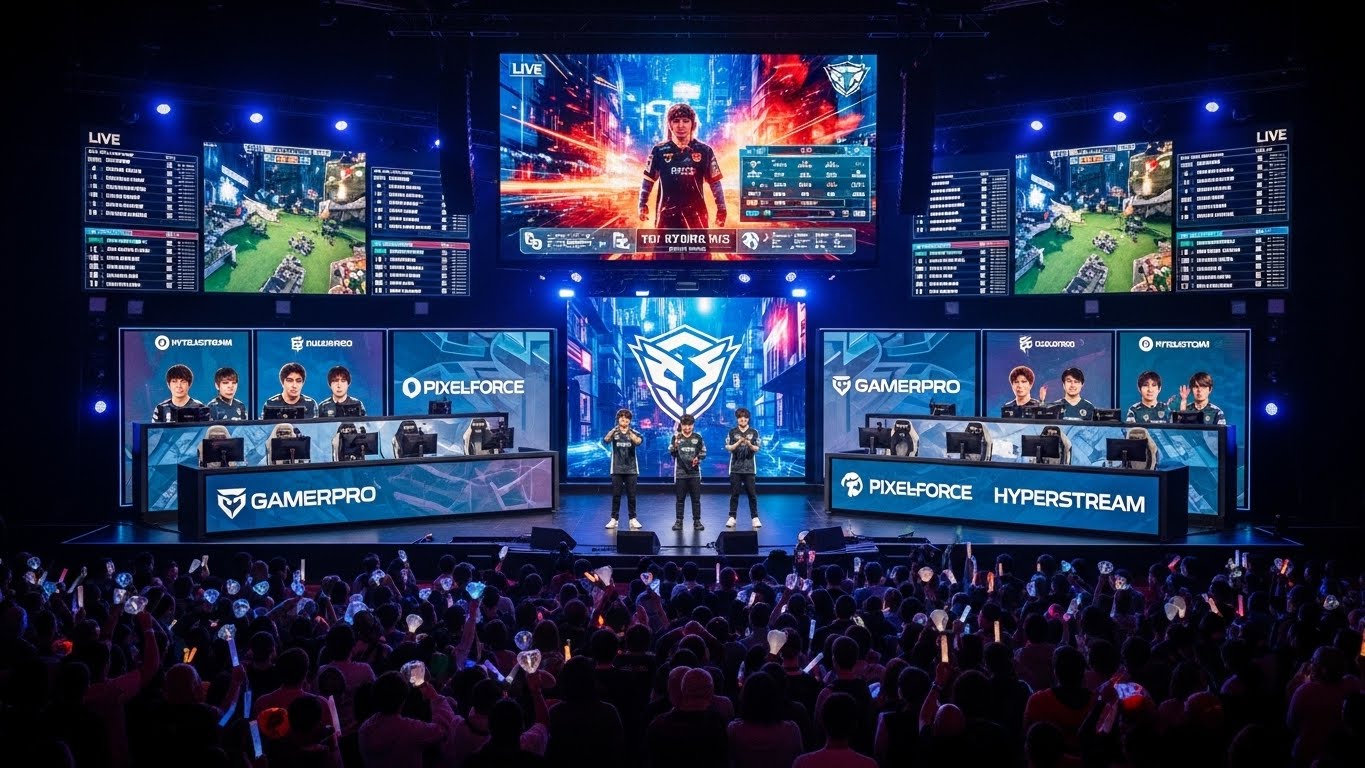
Each game requires specialized skills. Reflexes, strategy, communication, and teamwork are critical. The rise of streaming platforms has also allowed millions of fans to watch matches live, creating a global audience and turning esports events into cultural spectacles.
The Skills Behind the Screen
Professional esports players dedicate countless hours to refining their abilities. Contrary to the stereotype of gamers as casual hobbyists, esports athletes undergo intense physical and mental training. Hand-eye coordination, reaction speed, memory, and decision-making under pressure are all essential. Players also engage in tactical reviews, analyzing gameplay footage to improve strategies and learn from mistakes.
Mental resilience is particularly important. High-stakes tournaments can involve thousands of spectators watching every move, with careers often hinging on single critical moments. Players must maintain focus, manage stress, and adapt to opponents’ tactics, demonstrating discipline comparable to traditional athletes.
Esports as Entertainment
One of the driving forces behind esports’ growth is its entertainment value. Esports events combine competition with showmanship, including live commentary, music, storytelling, and visual effects. Spectators are engaged not just by gameplay but by the narratives of rivalries, underdogs, and championship journeys.
The interactive nature of esports sets it apart. Fans can follow players on social media, engage in live chats during streams, and even participate in online tournaments themselves. This level of engagement fosters community and a sense of belonging, making esports more than just a sport—it becomes a shared cultural experience.
Economic Impact of Esports
Esports is no longer just a hobby; it is a booming industry. Revenue streams include sponsorships, advertising, merchandising, media rights, ticket sales, and in-game purchases. Major corporations across various industries recognize the potential of esports to reach younger, digitally savvy audiences.
The industry also creates diverse career opportunities beyond professional gaming. Roles in event management, marketing, broadcasting, content creation, game development, analytics, and coaching are increasingly common. Many universities have introduced esports programs, offering scholarships and structured pathways for aspiring professionals, further solidifying esports as a legitimate career option.
Global Reach and Cultural Influence
Esports is inherently global. Players and teams from all over the world compete under the same rules, breaking down cultural and geographical barriers. This international reach allows for cultural exchange and promotes diversity within the competitive scene.
The influence of esports also extends beyond gaming into fashion, music, and lifestyle. Team jerseys are worn as casual streetwear, esports personalities gain mainstream celebrity status, and gaming culture shapes broader youth trends. For many, esports represents identity, aspiration, and a sense of community, highlighting its cultural significance.
Challenges Facing Esports
Despite its growth, esports faces several challenges. Player burnout and mental health issues are significant concerns due to intense schedules and high-pressure environments. Competitive integrity, including preventing cheating and maintaining fair play, remains a priority.
Sustainability is another challenge. Rapid expansion has sometimes led to inflated expectations and financial instability for teams and organizations. Developing consistent regulations, player protections, and ethical standards is crucial for ensuring long-term growth.
Esports and Traditional Sports: Bridging the Gap
Esports is increasingly intersecting with traditional sports. Many professional sports teams have launched esports divisions, while athletes often participate in gaming tournaments themselves. Traditional sports management techniques, such as coaching, branding, and performance analytics, are now applied in esports.
This convergence demonstrates a shift in defining athleticism and competition. Physical presence is no longer the only marker of a sport; skill, strategy, and audience engagement matter just as much in digital arenas.
Technology’s Role in Shaping the Future
Technology underpins every aspect of esports. Advances in hardware, software, and connectivity have enabled smoother gameplay and more immersive experiences. Emerging technologies like virtual reality, augmented reality, and artificial intelligence are expected to transform competitive gaming further.
Data analytics plays a critical role in strategy development. Teams analyze vast datasets to optimize performance, while fans gain a deeper understanding of matches through statistics and real-time insights. As technology evolves, esports is likely to become even more interactive and sophisticated, blurring the line between spectator and participant.
The Future of Esports
Esports is poised to continue its rapid growth. Grassroots leagues, educational initiatives, and community tournaments will nurture future talent. Integration into mainstream media and interactive platforms may allow fans to influence matches directly, creating a more immersive experience.
Beyond competition, esports will shape digital culture and redefine entertainment. Its adaptability and innovation position it as a transformative force in sports, media, and global youth culture.
Conclusion: Redefining Competition in the Digital Era
Esports is more than just playing games; it is a fusion of competition, entertainment, culture, and technology. It challenges traditional definitions of sports, offers new career opportunities, and creates global communities united by passion and skill.
As esports continues to grow, it will influence how society perceives competition, athleticism, and digital interaction. For players, fans, and organizations, it represents a dynamic arena where dedication, strategy, and creativity converge. Beyond the screen lies a world where gaming becomes more than entertainment—it becomes a defining aspect of modern culture.