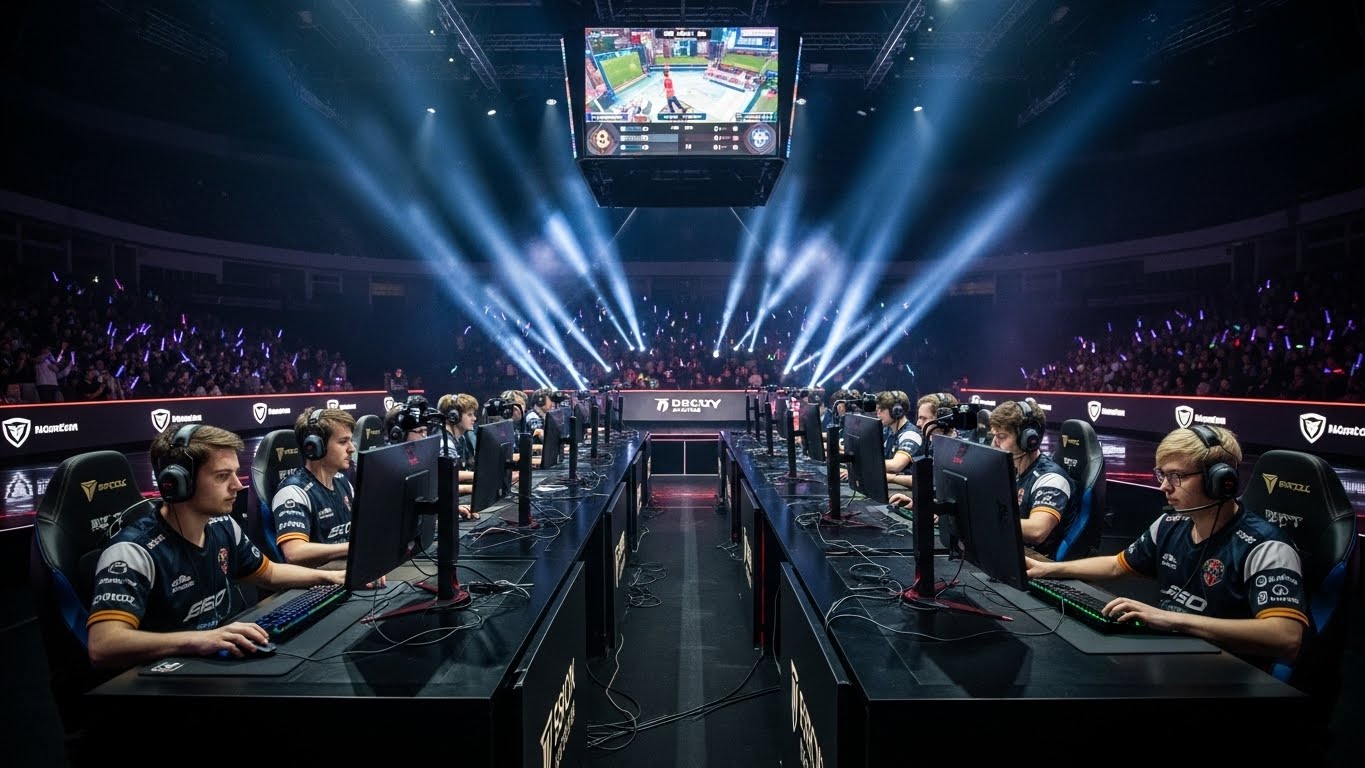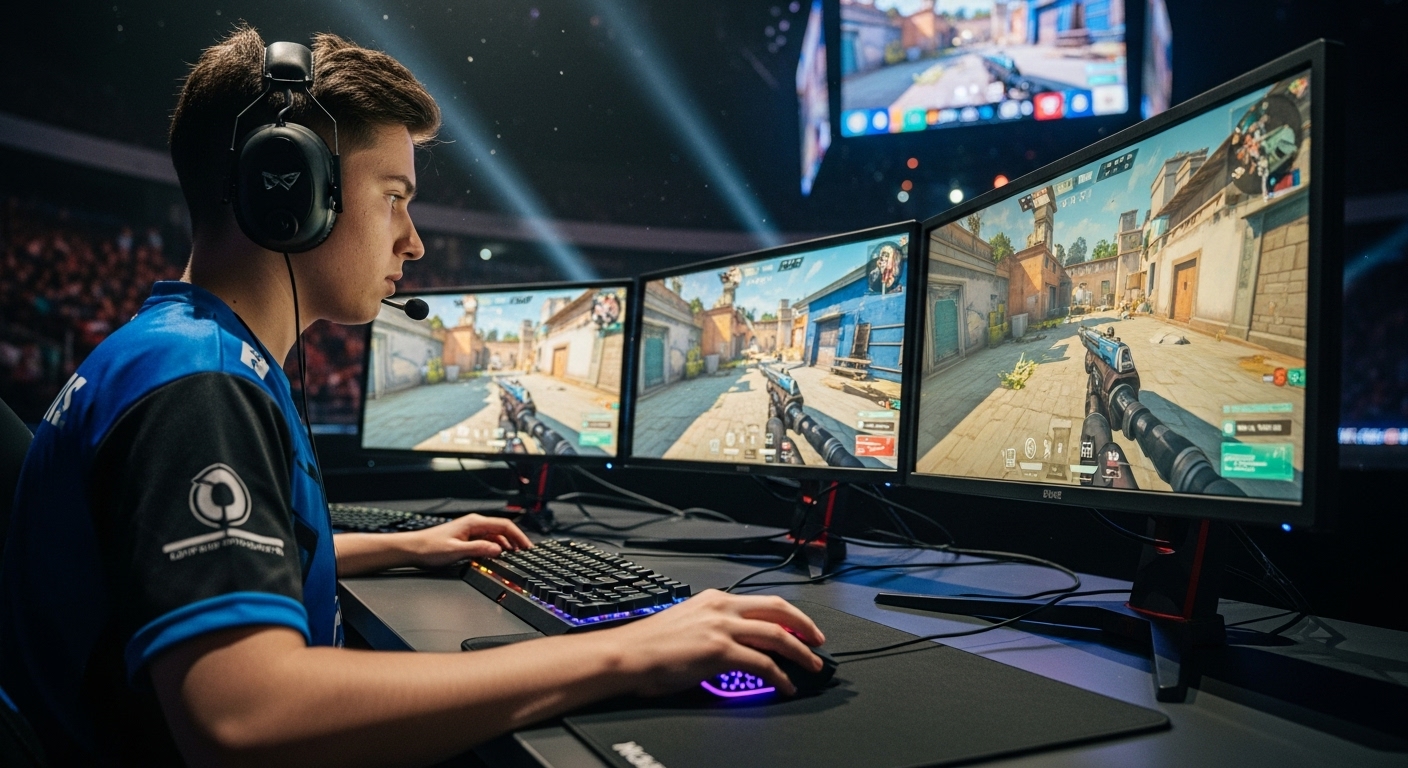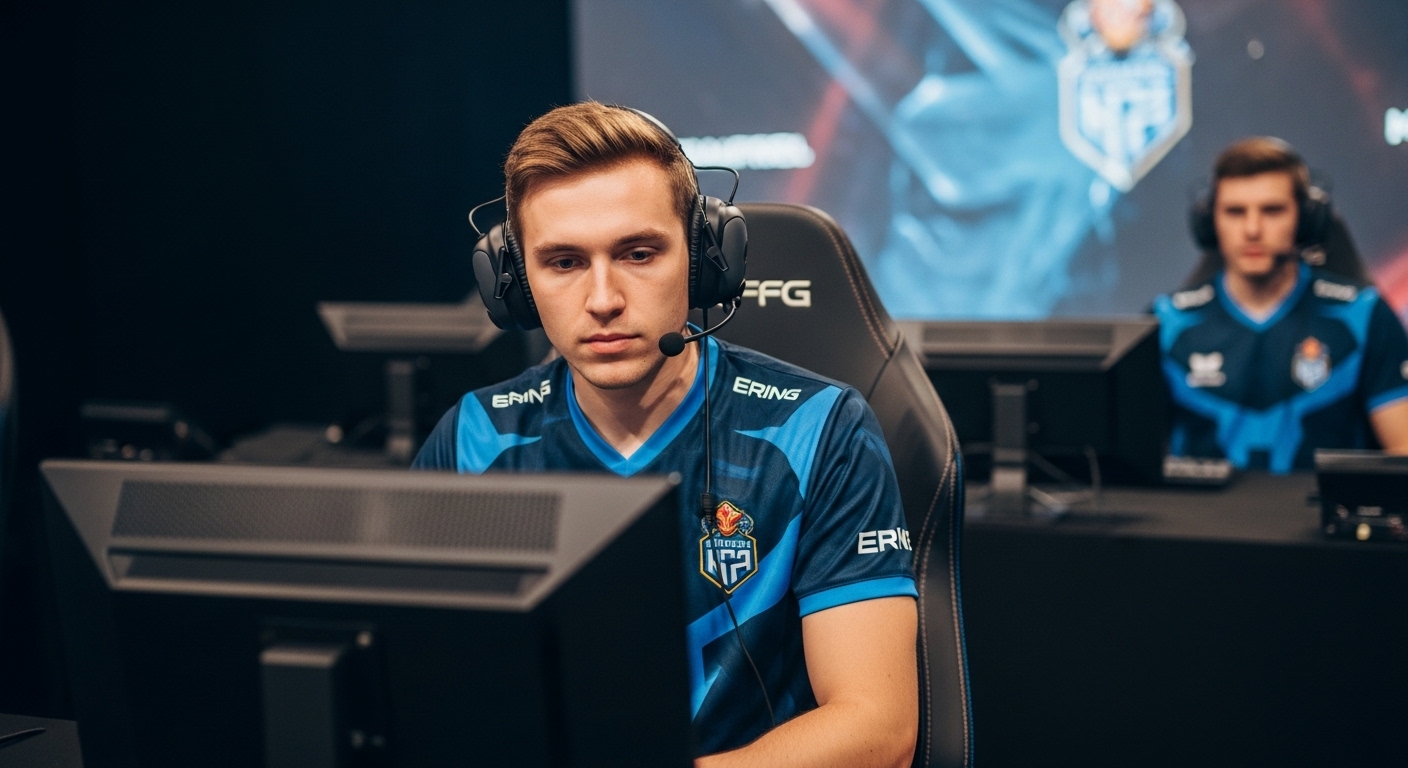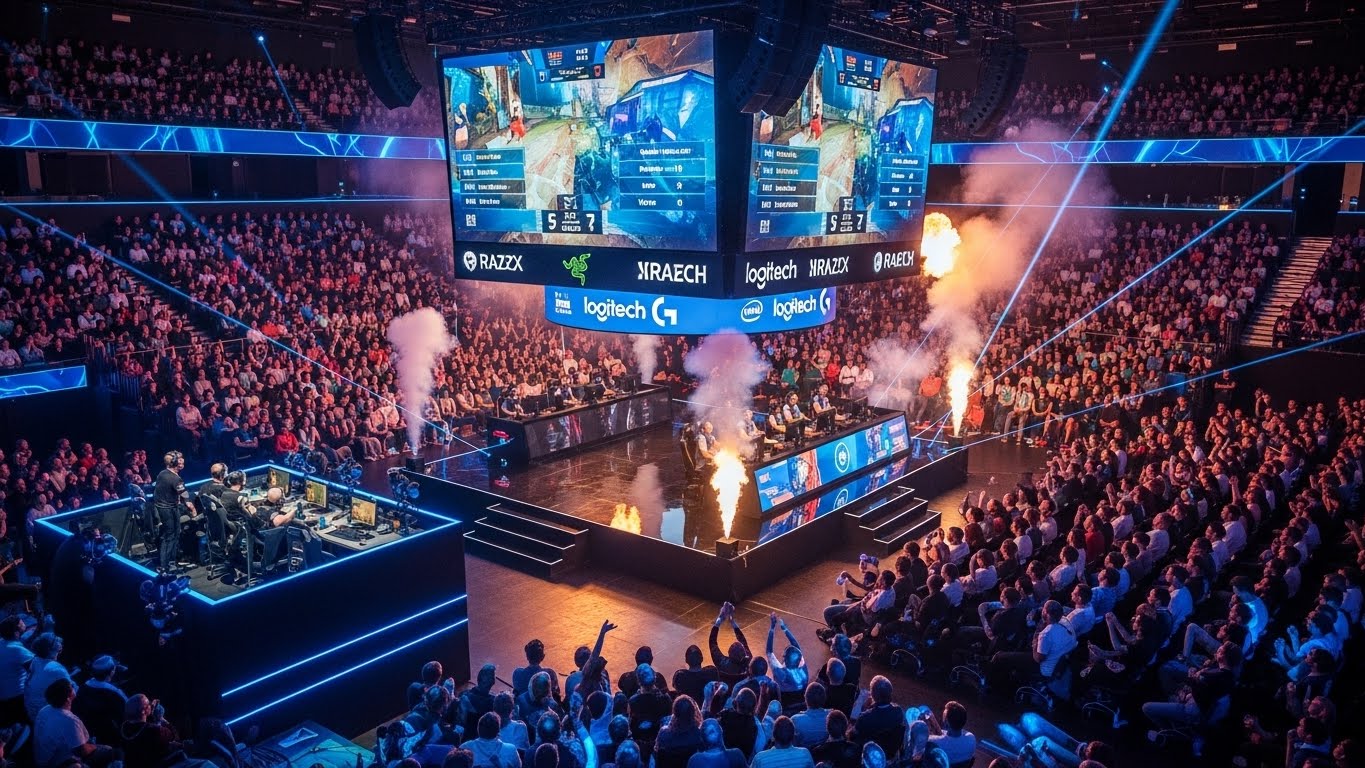
Esports, or electronic sports, has transformed from a niche hobby into a global phenomenon that rivals traditional sports in scale, passion, and cultural impact. What once started as casual video game competitions among friends has evolved into professional leagues, massive tournaments, and a multi-billion-dollar industry. With millions of fans worldwide, esports has become a central part of modern entertainment, education, and social interaction. This blog explores the evolution of esports, its impact on players and society, and why it represents the future of competitive culture.
What Is Esports?
Esports refers to organized, competitive video gaming where individuals or teams face off in various titles under structured rules. Unlike casual gaming, esports demands extensive practice, strategic thinking, and peak performance. Players often train for hours daily to refine their skills, improve reaction times, and develop advanced game strategies.
Esports spans multiple genres, including first-person shooters, real-time strategy games, battle royale titles, and multiplayer online battle arenas. Each genre requires unique abilities, ensuring that esports is a diverse competitive field that tests reflexes, teamwork, and tactical intelligence.
From Hobby to Profession
The rise of esports is one of the most remarkable developments in entertainment. In its early days, competitive gaming was informal and primarily community-driven. The advent of high-speed internet, advanced gaming hardware, and streaming platforms allowed players to compete globally and gain recognition.
Today, esports has become a legitimate career path. Professional players sign contracts, receive salaries, and participate in international competitions. Teams employ coaches, analysts, nutritionists, and psychologists to support players, mirroring the structure of traditional sports organizations. This professionalization underscores the discipline and commitment required to succeed in esports.
Skill, Strategy, and Mental Fortitude
Esports is far more than fast reflexes and precise controls. Players must demonstrate strategic thinking, adaptability, and the ability to make split-second decisions under pressure. Each match involves analyzing opponents, coordinating with teammates, and executing complex tactics in real time.
Mental resilience is critical in esports. Players face immense pressure, public scrutiny, and the possibility of high-stakes failure. Learning to handle losses, maintain focus, and remain motivated is as essential as mastering gameplay mechanics. These mental skills often translate into broader life lessons in problem-solving and personal growth.
Teamwork and Communication
Team-based esports titles highlight the importance of communication and collaboration. Success depends on players’ ability to coordinate strategies, anticipate opponents’ moves, and trust one another. Strong teamwork can be the difference between victory and defeat in high-stakes competitions.
Even in individual esports, players rely on support staff such as coaches and analysts. These relationships foster accountability, leadership, and cooperation, proving that teamwork is just as essential in digital arenas as it is in physical sports.
Esports as a Global Phenomenon
Esports has become a worldwide phenomenon, attracting players and fans from diverse backgrounds. International tournaments bring together competitors from different countries, creating shared experiences and fostering cultural exchange. Global viewership reaches millions, connecting fans in ways traditional sports sometimes cannot.
Esports also influences popular culture. Professional players are celebrated like celebrities, shaping trends in fashion, language, and media. Esports has created a digital culture that values skill, creativity, and collaboration, and it continues to grow across continents.
The Role of Streaming and Fan Engagement
Streaming platforms have revolutionized esports by making competitions accessible to global audiences. Fans can watch live matches, follow their favorite players, and interact through live chats and social media. This level of engagement strengthens the connection between players and viewers.
Unlike traditional sports, esports allows fans to access behind-the-scenes content, training sessions, and personal insights from players. This transparency fosters community engagement and creates a more immersive and interactive fan experience.
Youth, Education, and Esports
Esports resonates strongly with younger generations who have grown up in digital environments. Many students view competitive gaming as both a passion and a potential career. Educational institutions are increasingly integrating esports programs, scholarships, and campus leagues to recognize its legitimacy.
Participation in esports encourages the development of critical skills such as strategic thinking, teamwork, communication, and time management. These skills are transferable to academic and professional settings, demonstrating that esports can be both recreational and educational.
Diversity and Accessibility
Esports is inherently more accessible than many traditional sports. It does not require specific physical abilities, allowing players of varying genders, abilities, and backgrounds to compete equally. This inclusivity makes esports a platform where talent and dedication are the primary determinants of success.
Efforts to improve diversity within esports are growing. Initiatives that support female gamers, marginalized communities, and players with disabilities are expanding opportunities and fostering a more inclusive environment. Accessibility and diversity remain key to the industry’s continued growth and relevance.
Economic Influence of Esports
The esports industry has emerged as a significant economic driver. Revenue comes from tournaments, sponsorships, merchandise, media rights, and content creation. Esports supports thousands of jobs in areas ranging from game development to event management, marketing, and commentary.
Large-scale tournaments boost local economies by attracting tourism and creating business opportunities. The growth of esports also stimulates innovation in technology, broadcasting, and digital marketing, underscoring its impact as both a cultural and financial force.
Health and Wellness Considerations
While esports offers numerous benefits, it also presents health challenges. Long hours of screen time, repetitive movements, and high-pressure competition can affect both physical and mental well-being. Without proper management, players risk burnout, eye strain, and musculoskeletal issues.
Professional teams now emphasize holistic wellness strategies, including fitness routines, proper posture, nutrition, mental health support, and structured schedules. Promoting balance and sustainability is crucial for long-term success and longevity in esports careers.
Technology Driving Esports
Technology is at the core of esports’ evolution. High-performance hardware, advanced software, and data analytics have enhanced gameplay and spectator experience. Live broadcasting, immersive visuals, and real-time statistics elevate both competition and engagement.
Emerging technologies such as artificial intelligence, virtual reality, and augmented reality are poised to further transform esports. These innovations may create new game formats, enhance training, and introduce more interactive fan experiences, redefining the boundaries of digital competition.
The Future of Esports
Esports continues to expand, integrating more deeply with mainstream entertainment and professional development. Collaborative initiatives with traditional sports, education systems, and media industries are likely to increase, broadening esports’ influence.
As technology advances and cultural acceptance grows, esports will continue to evolve, offering new competitive experiences, educational applications, and economic opportunities. Its adaptability ensures that esports will remain relevant in the digital age and beyond.
Conclusion: Esports as a Modern Competitive Frontier
Esports represents a new era of competition where skill, strategy, and technology intersect. It has transformed gaming into a global cultural movement that empowers players, connects communities, and drives innovation.
Beyond entertainment, esports teaches discipline, teamwork, and resilience. It challenges conventional ideas of sports while proving that competition can thrive in digital spaces. As esports grows, it stands as a defining force of modern culture, shaping how individuals compete, collaborate, and create in the digital world.
Esports is no longer just a game; it is a platform for opportunity, community, and innovation. It represents the future of competition, demonstrating that the spirit of athleticism and strategy can thrive in a digital arena.