The Evolution of Esports: From Hobby to Global Phenomenon
Introduction: The Rise of Esports
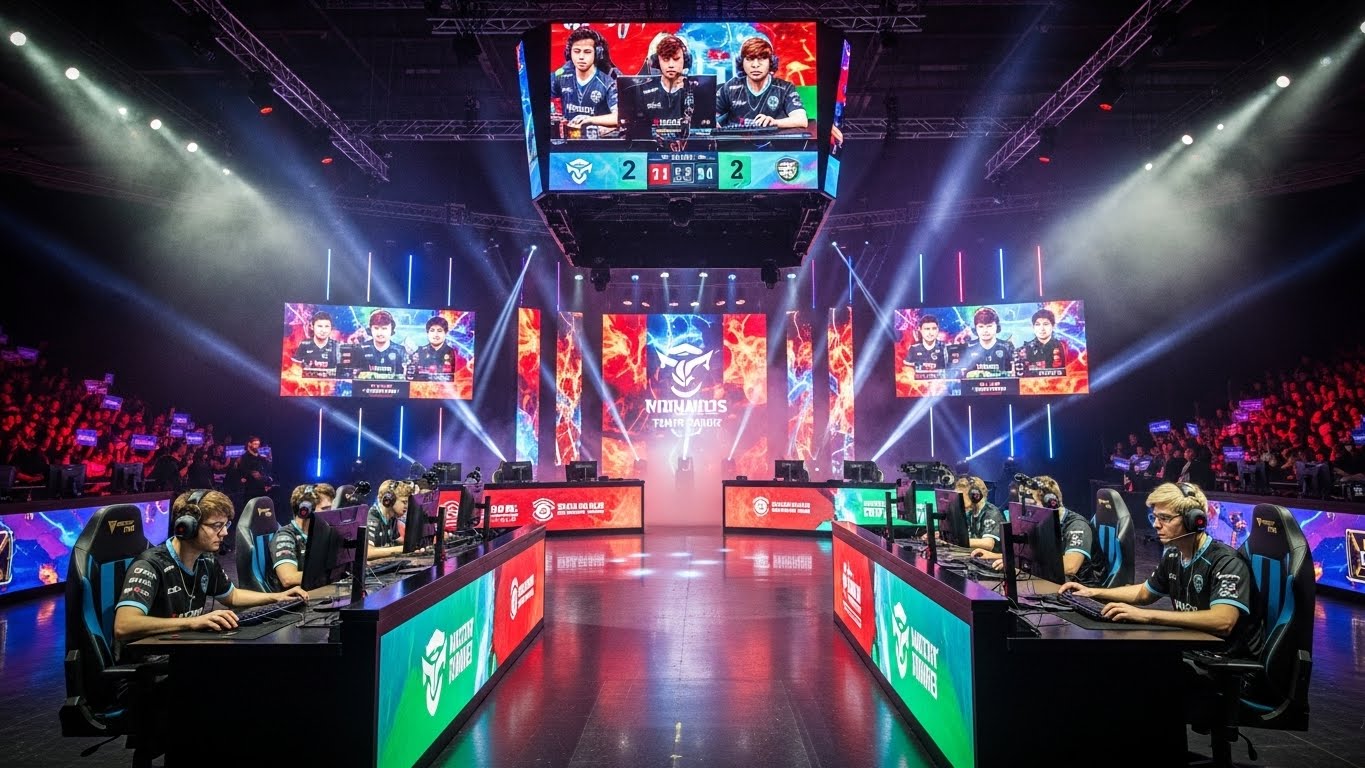
Esports, a term that once referred to casual competitions between players in a basement or a local LAN café, has transformed into a multi-billion-dollar industry that attracts millions of viewers worldwide. In the last two decades, esports has grown beyond the realm of gaming enthusiasts into a global phenomenon with professional athletes, dedicated fans, lucrative sponsorships, and international tournaments. The speed at which esports has evolved is nothing short of astounding. From being a niche activity, esports is now one of the most exciting and fastest-growing sectors in entertainment. In this blog post, we will explore the journey of esports, its impact on gaming culture, the economics behind it, and its future trajectory.
The Early Days: Humble Beginnings
The origin of competitive gaming can be traced back to the early 1990s. The term “esports” may not have existed at the time, but the roots were planted with games like Doom and Warcraft, where players competed in LAN (Local Area Network) tournaments. These were not broadcast on the internet, but rather in small, local events. Esports, as a concept, began with informal competitions where gamers would come together and compete face-to-face for bragging rights or small prizes.
One of the earliest examples of organized esports came in 1997 with the Red Annihilation tournament, which was held for the game Quake. This event is often considered a pivotal moment in esports history as it attracted international attention and marked the first time a major gaming company, in this case, id Software, supported competitive gaming events.
The Rise of Online Competitions: A Global Stage
The growth of the internet during the late 1990s and early 2000s had a profound impact on the esports industry. Players no longer had to gather in one physical location to compete. Online gaming enabled players from all over the world to participate in competitions remotely. Games like StarCraft, Warcraft III, and Counter-Strike began to see organized online tournaments, laying the groundwork for what we now know as professional esports.
By the mid-2000s, esports was gaining significant momentum, particularly in countries like South Korea. The StarCraft phenomenon, for example, became so popular in South Korea that professional gaming leagues were established, with players becoming household names and television broadcasts dedicated to esports. This era marked the beginning of esports becoming an organized, professional industry, and South Korea became the epicenter of competitive gaming.
Mainstream Breakthrough: Major Leagues and Sponsorships
As the internet and technology continued to improve, esports began to capture the attention of larger media outlets and corporations. The late 2000s and early 2010s were crucial years in the growth of esports, as major companies like Blizzard Entertainment, Riot Games, and Valve began to create games specifically designed for competitive play. Titles like League of Legends, Dota 2, and Counter-Strike: Global Offensive became staples in the esports community, each with its own dedicated player base, tournaments, and esports ecosystems.
The creation of professional leagues for these games also marked a turning point for esports. Riot Games’ League of Legends Championship Series (LCS), introduced in 2013, was one of the first major esports leagues to offer players salaried positions and official contracts. These leagues served as the framework for the future of esports, providing an infrastructure that allowed players to compete professionally while also receiving support from teams and sponsors.
As esports grew in prominence, sponsorships and partnerships with major corporations began to pour in. Global brands like Coca-Cola, Intel, Red Bull, and Samsung recognized the potential of esports and invested heavily in the scene. Sponsorship deals, team endorsements, and media rights deals became a significant part of the esports business model. This influx of funding helped to elevate the level of competition, prize pools, and overall production value of esports events.
The Ecosystem of Esports: Players, Teams, and Fans
At the heart of esports is the intricate ecosystem that brings together players, teams, organizations, and fans. Unlike traditional sports, esports athletes do not require physical attributes like height or strength to excel; instead, they rely on skill, strategy, and quick reflexes. This has created a unique environment where players of all ages and backgrounds can compete at the highest levels.
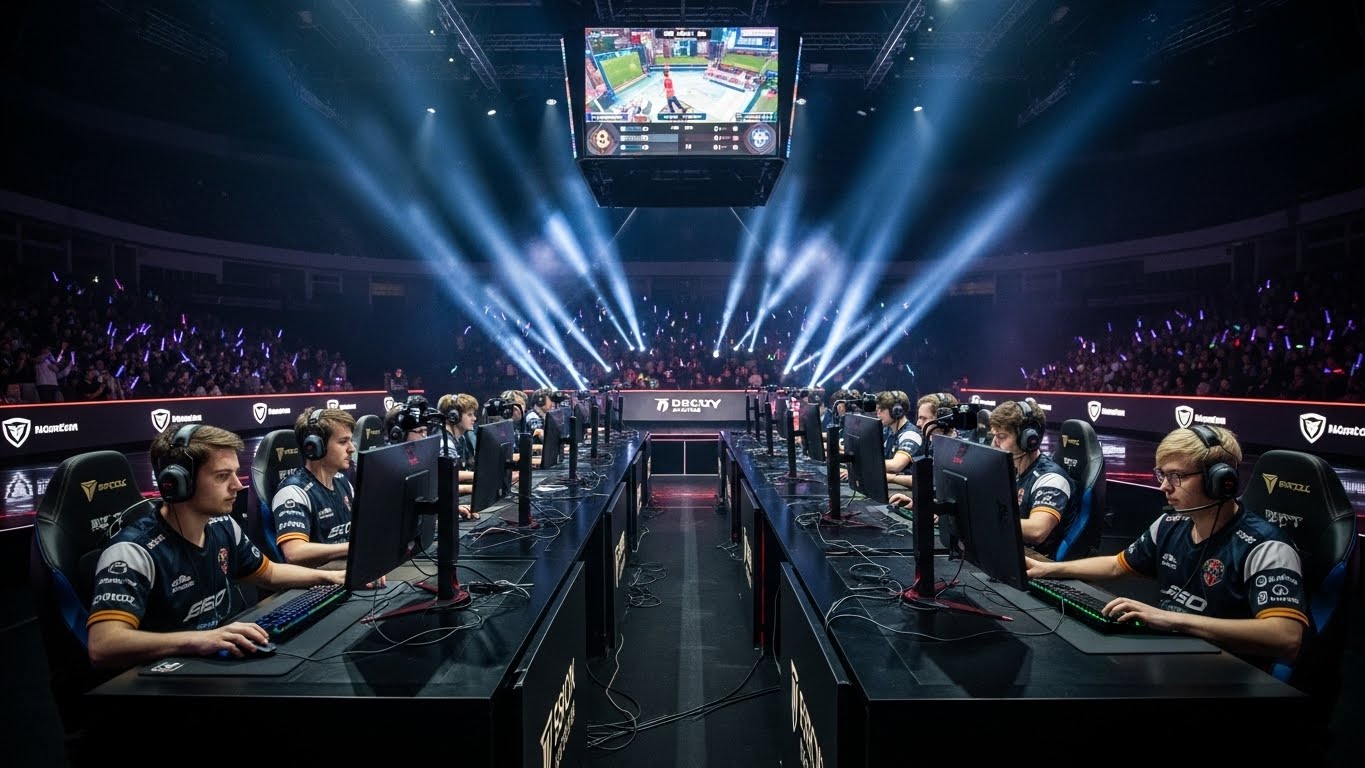
The typical structure of an esports team consists of professional players, coaches, analysts, and managers. These teams are often supported by esports organizations, which may operate multiple teams across different games. The role of the coach and analyst has become increasingly important in esports as teams strive for the competitive edge. Coaches develop strategies, while analysts analyze the gameplay to find weaknesses and opportunities for improvement. Managers take care of the logistical aspects, such as travel, sponsorships, and event coordination.
Esports organizations, such as Cloud9, T1, and Team Liquid, have become brands in themselves, with their own fanbases and merchandise. These teams not only compete in major tournaments but also engage with their fans through social media, streaming platforms like Twitch, and even merchandise sales.
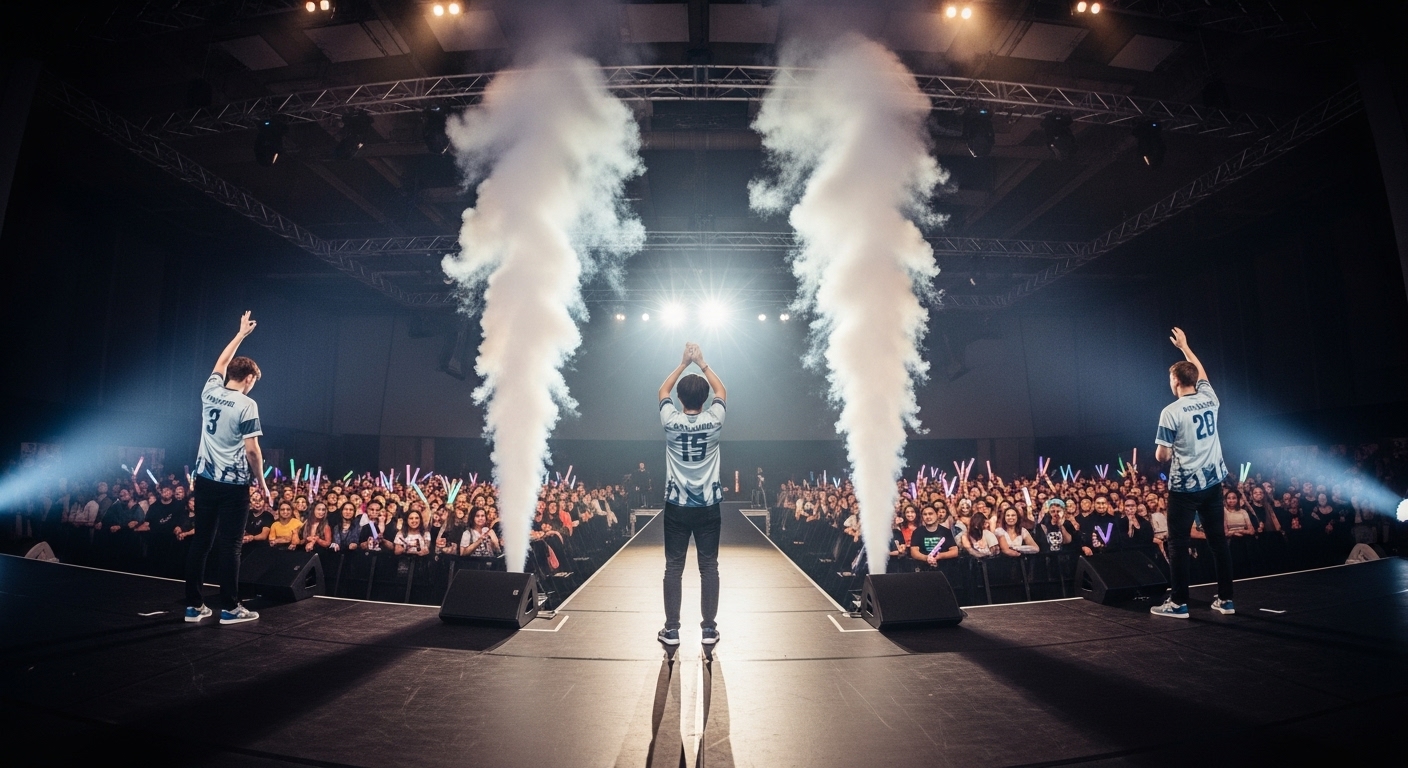
The fans of esports are a unique group who bring an infectious level of passion and dedication to the scene. They follow their favorite players and teams, participate in online communities, and watch tournaments from around the globe. The relationship between esports players and their fans is often more personal than traditional sports, with fans having the ability to interact with players directly through social media or live streams. This sense of community is a crucial factor in the success of esports, as it fosters loyalty and engagement.
Esports and Streaming: A New Era of Entertainment
One of the key drivers of esports’ growth is the rise of streaming platforms, particularly Twitch. Launched in 2011, Twitch revolutionized the way people consumed gaming content. The platform allowed gamers to stream their gameplay live, while also providing a space for fans to interact in real-time through chat. As the platform grew, so did the popularity of esports. Major esports tournaments began to be broadcast live on Twitch, bringing in millions of viewers from all corners of the globe.
Streaming has not only provided exposure for esports but has also enabled players to earn revenue through donations, subscriptions, and sponsorships. Some of the most successful streamers today, such as Ninja (Tyler Blevins) and Shroud (Michael Grzesiek), have built massive followings, leading to lucrative deals with platforms like YouTube and Mixer, as well as brand partnerships with top companies.
The rise of streaming has also made it easier for aspiring professional gamers to gain recognition. Platforms like Twitch offer a direct route for gamers to showcase their skills and build a fanbase without needing to participate in traditional tournaments. Many professional esports players began their careers as streamers, using their online presence to gain recognition from teams and sponsors.
Esports as a Career: The Path to Professional Gaming
Becoming a professional esports player is no longer a pipe dream but a legitimate career path. In the early days of esports, players would compete in tournaments for small prizes, but today’s professional players can earn substantial salaries through team contracts, tournament winnings, sponsorships, and streaming revenue. Top players can earn millions of dollars annually, with prize pools for major tournaments often reaching tens of millions.
To become a professional esports player, individuals must hone their skills, practice relentlessly, and often make personal sacrifices. Just like athletes in traditional sports, esports players dedicate countless hours to practice and preparation. Many players start their careers in their teens, and it’s not uncommon for professional gamers to retire by their late 20s due to the intense mental and physical demands of the game. However, with the growing popularity of esports, there are now more opportunities for players to remain involved in the industry as coaches, analysts, content creators, and broadcasters.
The Global Impact of Esports: Culture and Society
Esports is not just a form of entertainment; it has become an integral part of global culture. It has created a new form of social interaction, where people from different cultures and backgrounds can come together over their shared love of gaming. The language of esports transcends borders, and fans unite to support their favorite teams, regardless of their geographic location.
The impact of esports is also seen in its integration into education and schools. Many colleges and universities around the world now offer esports scholarships and have established varsity esports programs. In fact, esports is becoming a staple in some educational curriculums, with schools offering courses on game design, esports management, and streaming.
Furthermore, esports has become a gateway for technological innovation. The need for fast internet speeds, high-performance hardware, and cutting-edge broadcast technology has driven advancements in various industries, from telecommunications to gaming hardware. Esports has also influenced the development of new gaming genres and gameplay mechanics, as game developers continuously design titles with competitive play in mind.
The Future of Esports: A Bright Horizon
The future of esports looks incredibly promising, with projections estimating the global esports market will exceed $1.5 billion in the coming years. As the industry continues to grow, we can expect to see more mainstream media coverage, larger prize pools, and greater integration with traditional sports. Esports is even making its way into the Olympic conversation, with the possibility of esports becoming an official Olympic event in the future.
One of the most exciting aspects of esports is its potential for innovation. As new technologies like virtual reality (VR) and augmented reality (AR) become more mainstream, we may see the development of entirely new types of esports competitions. Additionally, with the growing interest in mobile gaming, we may witness a surge in mobile esports, which has the potential to reach an even broader audience.
Conclusion: Esports – The Future of Competitive Gaming
From its humble beginnings as a niche hobby to its status as a global entertainment powerhouse, esports has come a long way. Today, it stands as a dynamic and lucrative industry with millions of fans, professional players