The Rise of Esports: Revolutionizing Entertainment and Culture
Esports, or competitive gaming, has grown from a niche hobby to a multi-billion-dollar global phenomenon. With an increasing number of tournaments, a surge in viewership, and the rise of professional gamers, the landscape of entertainment is shifting, and esports is at the forefront of this transformation. This blog post delves into the impact of esports on the entertainment industry, its growth trajectory, the evolving culture, and its future potential.
What Is Esports?
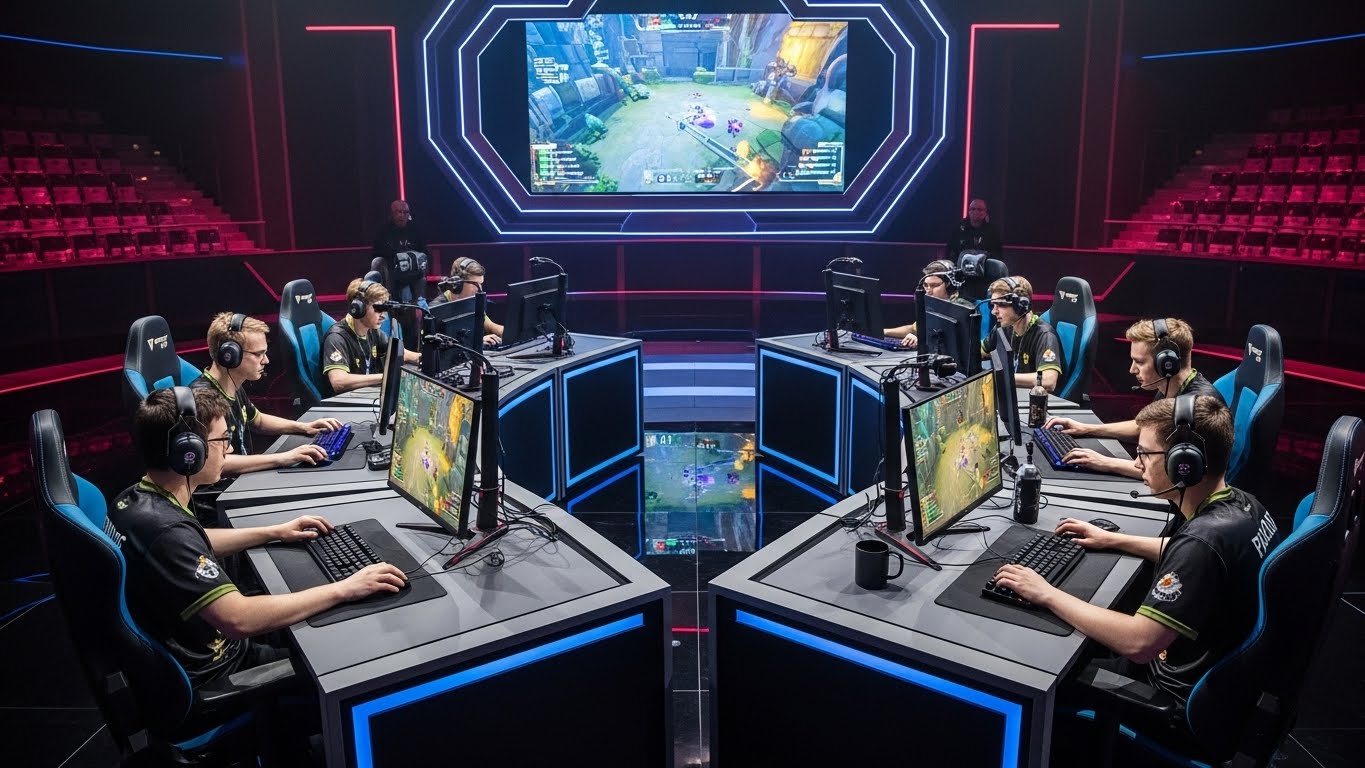
Esports refers to competitive video gaming, where individuals or teams compete in organized tournaments, often for cash prizes, sponsorships, or recognition. Unlike traditional video gaming, which is mostly for casual entertainment, esports involves a high level of skill, strategy, and teamwork. The games played in esports vary, from first-person shooters like Counter-Strike: Global Offensive (CS: GO) to Multiplayer Online Battle Arenas (MOBAs) like League of Legends, and even real-time strategy games such as StarCraft II.
Esports isn’t just a phenomenon confined to a small circle of gamers anymore. It has expanded into a legitimate career path for some of the most talented individuals around the world. As of recent years, it has evolved into a global industry with millions of fans, attracting huge investments, sponsorships, and attention from mainstream media.
The Growth of Esports: A Global Phenomenon
Esports has witnessed an explosive growth over the last decade, with an increasing number of players, fans, and organizations entering the arena. A few key factors have played a significant role in accelerating this growth:
1. Advancements in Technology
Technology is one of the main drivers behind the rise of esports. High-speed internet, high-definition video streaming, and advancements in gaming hardware have made competitive gaming more accessible and enjoyable. This, in turn, has allowed both players and audiences to engage with esports in ways that were previously impossible.
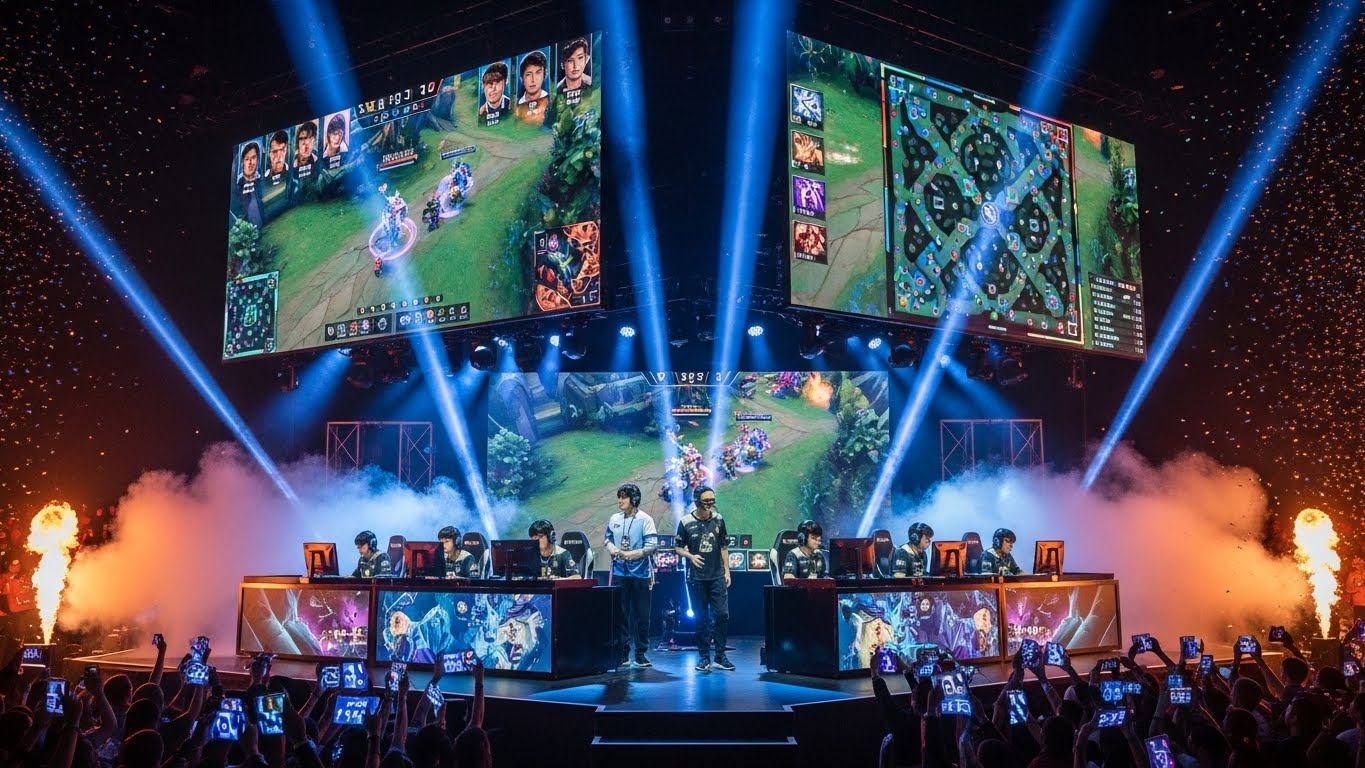
Streaming platforms like Twitch, YouTube Gaming, and Facebook Gaming have revolutionized the way fans interact with their favorite games and players. These platforms provide live streams of competitive matches, player commentary, and fan interactions, making esports more engaging and immersive. Moreover, the ease of access to gaming content on mobile devices means fans can watch games, follow players, and keep up with tournament schedules wherever they are.
2. The Growth of Streaming and Online Communities
A significant aspect of esports’ expansion is the growth of live streaming platforms. Streaming services like Twitch have been instrumental in turning competitive gaming into a spectator sport. Esports tournaments, once limited to in-person events, can now be broadcast globally to millions of viewers. This allows fans to follow the action live from anywhere in the world, offering unprecedented accessibility and engagement with their favorite players and teams.
These platforms also foster online communities, where fans can discuss games, share strategies, and form connections. The social aspect of esports is integral to its success, providing a sense of belonging and camaraderie for fans and players alike.
3. Investment and Sponsorship
Esports has become increasingly lucrative, attracting investors, brands, and sponsors from various industries. Major tech companies, such as Intel, Red Bull, and Nvidia, have backed esports tournaments, while mainstream brands like Coca-Cola and Nike have seen the potential to reach a highly engaged audience by sponsoring esports events and teams.
The increasing presence of corporate sponsorship and brand partnerships indicates the growing commercial viability of esports as an entertainment industry. As investments pour in, esports organizations are able to attract top talent, build state-of-the-art gaming facilities, and offer attractive salaries and sponsorship deals to players.
Esports and the Changing Entertainment Landscape
One of the most significant impacts of esports is its effect on the broader entertainment industry. In the past, traditional sports like football, basketball, and soccer have been the dominant forms of entertainment. However, the rise of esports has shifted this paradigm, especially among younger audiences.
1. A New Generation of Fans
Esports has become particularly popular among younger generations. A report from Newzoo, a global gaming and esports analytics firm, estimates that there are over 500 million esports fans worldwide, with a substantial portion being millennials and Gen Z. These demographics are more likely to consume digital content, including gaming and esports, rather than traditional forms of entertainment like television or cable.
For many of these fans, esports is more than just a game—it’s a culture. Esports embodies the values of competition, skill, and community that resonate with young people today. Additionally, esports has democratized fame, allowing anyone with a passion for gaming to potentially rise to prominence, regardless of their background.
2. Esports as a New Form of Spectator Sport
Unlike traditional sports, which require fans to attend live games or watch on television, esports can be enjoyed from anywhere with an internet connection. This has allowed esports to break down geographical barriers and attract a global audience.
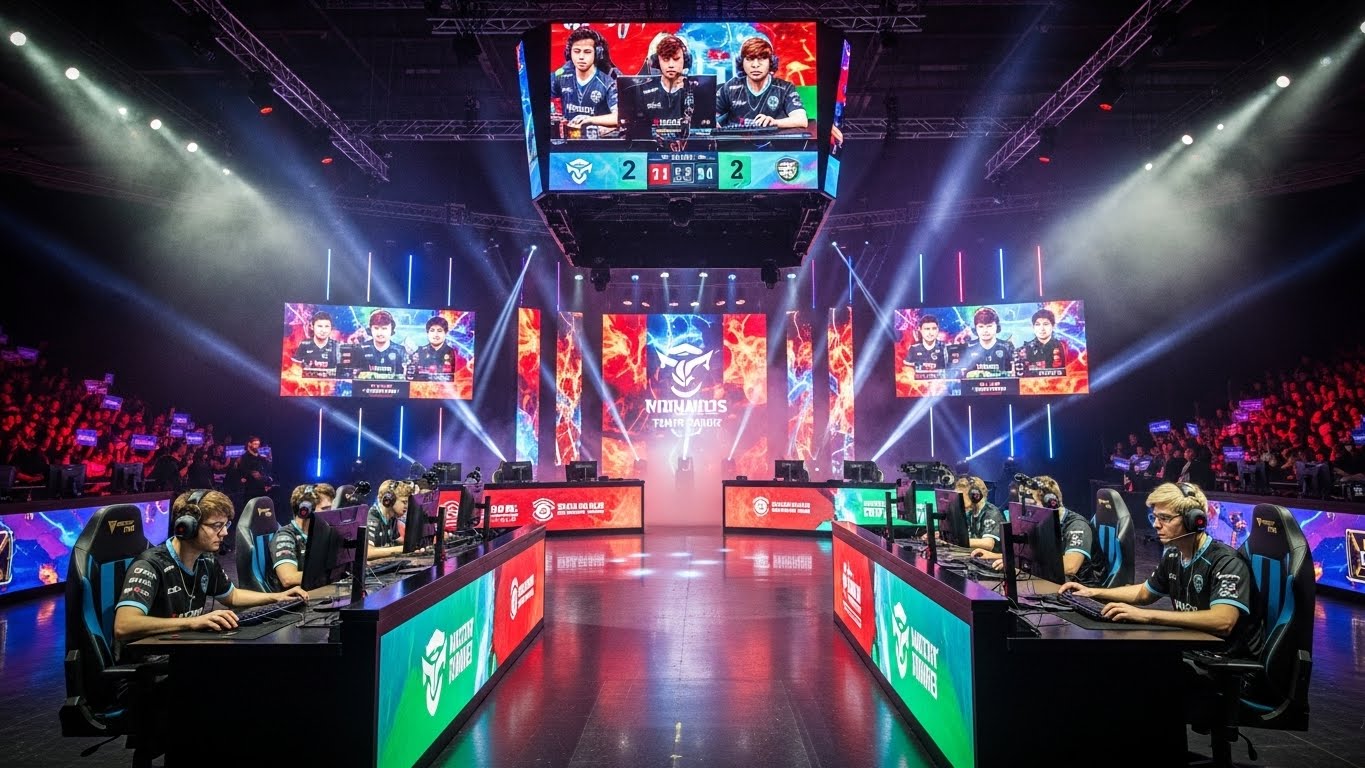
The format of esports tournaments also plays a major role in this transformation. With matches happening in various game genres, viewers can easily tune in to competitions they are familiar with or have an interest in. This accessibility has contributed to esports becoming a truly global spectator sport, with tournaments attracting millions of viewers across the world.
Moreover, the growth of esports has given rise to a new type of athlete: the professional gamer. These athletes train, practice, and compete at the highest levels, just like professional athletes in traditional sports. Esports stars, such as Faker (Lee Sang-hyeok), Ninja (Tyler Blevins), and S1mple (Oleksandr Kostyliev), have become household names and role models to aspiring gamers.
The Culture of Esports
The culture surrounding esports is unique and different from other forms of entertainment. Unlike traditional sports, which are rooted in physical activity, esports is about mental agility, strategic thinking, and teamwork. This has fostered a culture that values skill, perseverance, and constant improvement.
1. Teamwork and Competition
Most esports games are team-based, which means players must work together to achieve a common goal. This fosters a sense of camaraderie and teamwork that is central to the esports culture. The emphasis on cooperation, communication, and synergy has created a community that values mutual respect and collaboration, even as fierce competition takes place within the game.
Players also face intense pressure to perform at their best, which creates a highly competitive environment. The mental fortitude required to succeed in esports is akin to that of traditional athletes. As a result, esports players often undergo rigorous training schedules, focusing on strategy, reflexes, and psychology.
2. The Rise of Esports Personalities
Esports personalities are becoming celebrities in their own right. Streamers, content creators, and professional gamers are gaining large followings due to their skills, entertaining personalities, and engaging content. These personalities use platforms like Twitch, YouTube, and social media to build personal brands and connect with fans.
For example, players like Shroud (Michael Grzesiek), Pokimane (Imane Anys), and Dr DisRespect (Herschel “Guy” Beahm) have built massive fanbases by combining high-level gameplay with engaging content. They have transcended esports, with their presence extending to mainstream pop culture.
The Future of Esports: What’s Next?
Looking ahead, the future of esports appears bright, with multiple growth opportunities on the horizon. Here are a few key trends and developments that could shape the future of competitive gaming.
1. Mainstream Media Integration
As esports continues to grow in popularity, we can expect to see further integration with mainstream media outlets. Traditional television networks, such as ESPN and TNT, have already begun broadcasting esports events. This trend could expand, allowing esports to become a regular feature on mainstream networks, much like traditional sports.
Esports could also integrate with sports betting platforms, creating new opportunities for fans to engage with events.
2. Virtual Reality and Augmented Reality
Virtual Reality (VR) and Augmented Reality (AR) have the potential to revolutionize esports. As VR and AR technology become more accessible, they could change the way competitive gaming is experienced, both for players and spectators. Imagine participating in or watching a live tournament in a fully immersive virtual environment.
This technology could push the boundaries of what’s possible in esports, providing a new level of interactivity and excitement.
3. Collegiate Esports
Another exciting development is the rise of collegiate esports programs. Universities and colleges across the world are establishing competitive gaming teams, offering scholarships and training programs for aspiring professional gamers. This formal recognition of esports within the academic realm will further solidify its legitimacy as a viable career path.
Conclusion
Esports is no longer just a niche hobby for a select group of gamers. It has become a global phenomenon that is revolutionizing entertainment, culture, and sports. With a rapidly growing fanbase, increasing investment, and technological advancements, esports is set to continue its rise. As the industry evolves, it will shape the way we perceive competition, teamwork, and entertainment in the years to come. The future of esports is limitless, and it will undoubtedly play a major role in the next chapter of global entertainment.